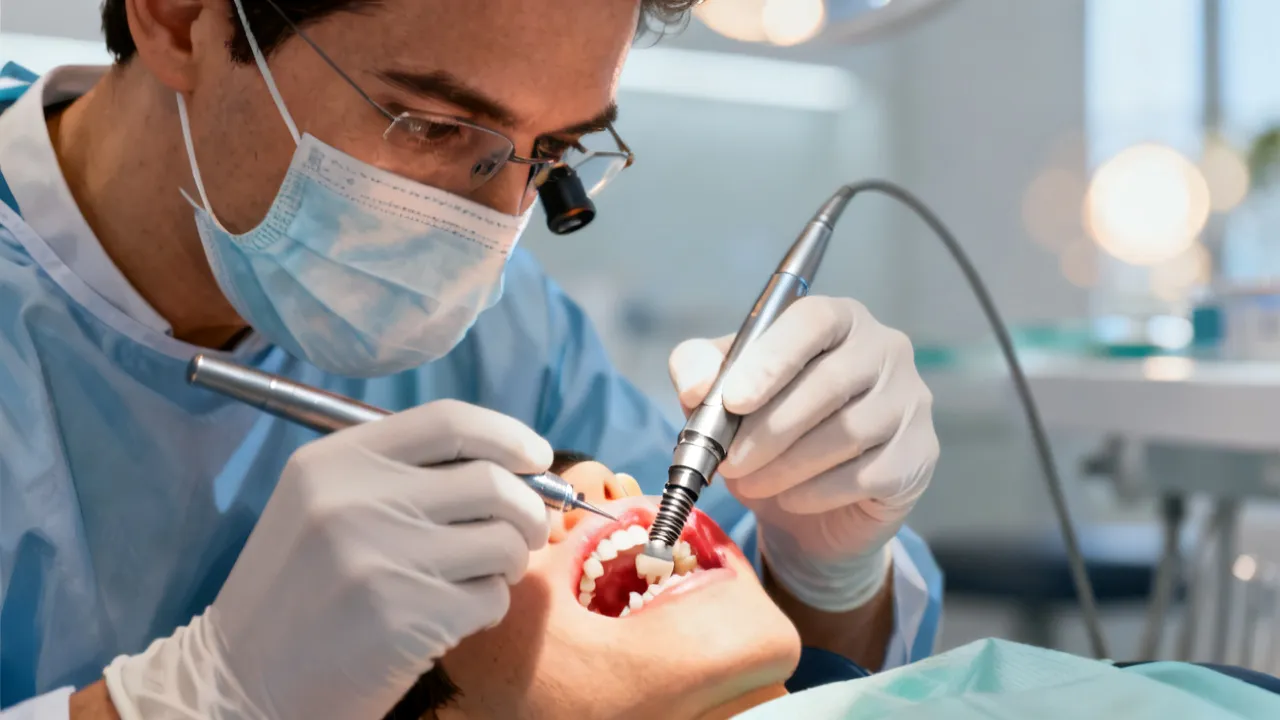
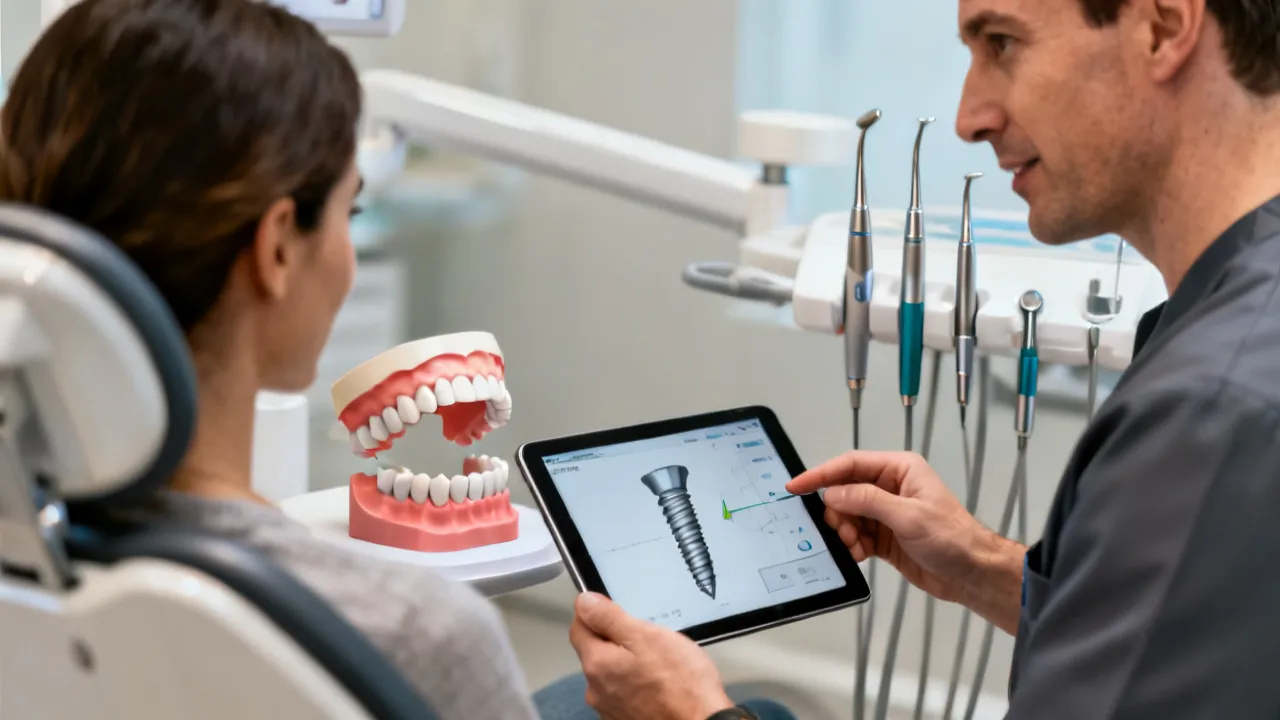
IRM Cement and Affordable Dental Implant Planning
This guide explains how IRM cement is used in restorative dentistry and how it differs from dental implant materials, while outlining practical ways to manage implant costs in English-, Spanish-, and Portuguese-speaking markets. It reviews indications, advantages, limitations, clinical precautions, treatment planning, provider comparisons, and approximate prices for an individual implant. All cost figures are historical reference ranges and should be confirmed with a qualified dental professional.
IRM Cement: Clinical Meaning and Dental Context
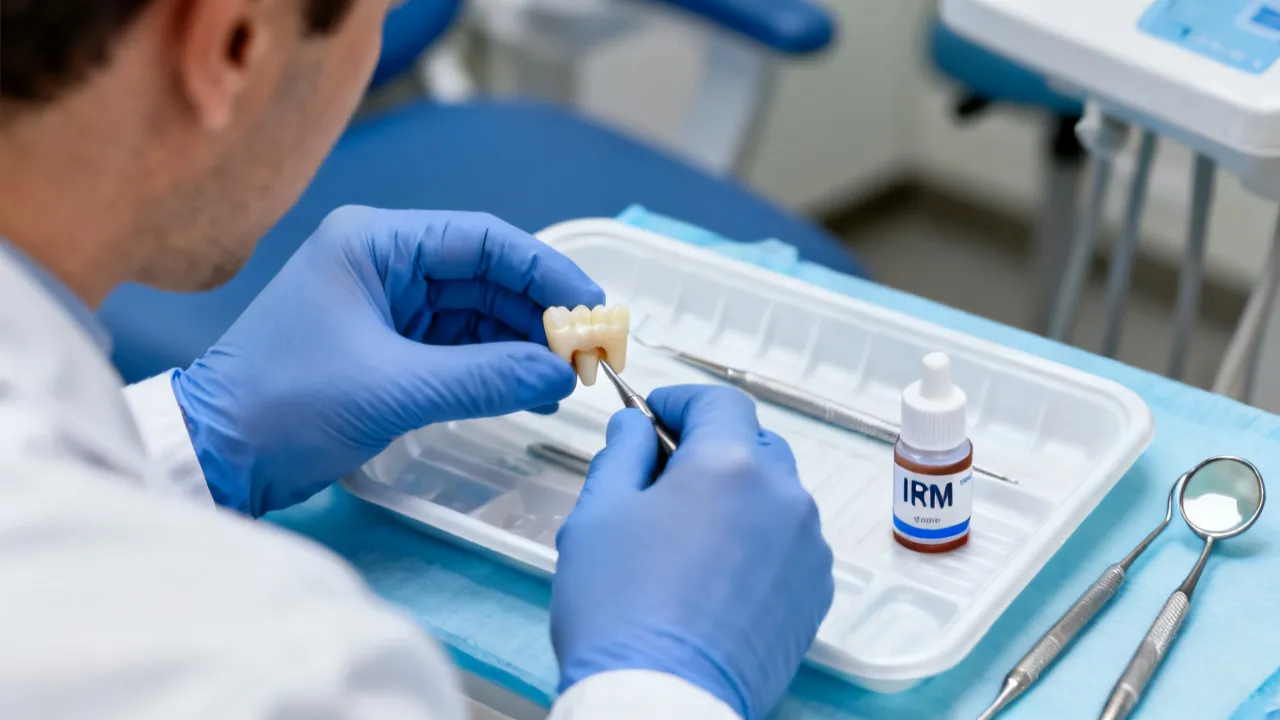
IRM cement is a reinforced zinc oxide–eugenol restorative material used mainly for temporary fillings, intermediate restorations, bases, and selected endodontic procedures. The abbreviation “IRM” is commonly associated with an intermediate restorative material. Unlike a dental implant, which replaces the root of a missing tooth, IRM cement is placed inside or over a prepared tooth to protect dental tissues during a limited period of treatment.
Patients sometimes encounter the term IRM cement during discussions about emergency dentistry, root canal treatment, crown preparation, or the staged management of a damaged tooth. It is important to understand that IRM cement and implant dentistry address different clinical problems. IRM is generally used to protect an existing tooth, whereas an implant-supported restoration is designed to replace a tooth that cannot be predictably retained or is already missing.
From an industry expert’s perspective, the most important issue is not whether a material is inexpensive at the time of placement. The key question is whether it is appropriate for the tooth, the expected treatment interval, the patient’s bite, and the planned definitive restoration. A temporary material may be clinically sensible when it allows the dentist to control infection, observe symptoms, or complete treatment in stages. It is not automatically a substitute for a permanent restoration or an implant.
The word “temporary” should also be understood in a clinical rather than purely chronological sense. A restoration may be temporary because it is intended to remain only until another procedure is completed, even if that period lasts several weeks or months. In another case, the same type of material may be used as an intermediate restoration while the dentist evaluates the tooth’s prognosis. The appropriate duration depends on the individual case and should be communicated clearly by the dental team.
What Is IRM Cement Made Of?
Traditional zinc oxide–eugenol materials contain zinc oxide powder and eugenol liquid. Reinforced formulations, including IRM cement, add strengthening agents that improve resistance to fracture and abrasion compared with conventional zinc oxide–eugenol cements. The exact formulation depends on the manufacturer, product version, and regulatory market.
Eugenol is an aromatic compound related to clove oil. It contributes to the material’s characteristic odor and may provide a soothing effect for some pulpal conditions. However, “soothing” does not mean that the material cures infection or reverses irreversible pulpal disease. A dentist must still establish a diagnosis and determine whether the tooth requires a filling, pulp therapy, root canal treatment, extraction, or another procedure.
IRM cement typically has several practical properties:
- It can be mixed and placed relatively efficiently in a dental setting.
- It provides a temporary seal over a prepared tooth or access cavity.
- It offers better strength than many non-reinforced zinc oxide–eugenol materials.
- Its radiopacity can help the dentist identify the restoration on a radiograph, depending on the product.
- Its eugenol component may influence the setting or bonding behavior of some resin-based materials.
- It can be useful when a dentist needs a material that is practical to remove or replace during a staged treatment plan.
These characteristics explain why the material remains relevant in selected clinical situations. They also explain why the dentist must consider the next step before placing it. A temporary restoration is part of a treatment plan, not merely a quick replacement for permanent care.
Like other dental materials, IRM cement has handling requirements. The powder-to-liquid ratio, mixing technique, working time, setting conditions, and moisture control can affect the final result. The dental professional must follow the manufacturer’s instructions and select the material according to the tooth’s clinical requirements. Patients should not attempt to reproduce the procedure with household products or over-the-counter materials.
How IRM Cement Sets and Functions
In general terms, zinc oxide reacts with eugenol to form a zinc eugenolate matrix. Reinforcing ingredients help improve the material’s resistance to forces that could otherwise cause a conventional zinc oxide–eugenol cement to fracture or wear quickly. The resulting material is placed into a prepared area of the tooth and allowed to set under clinical conditions.
The material’s usefulness comes partly from its ability to occupy and seal a prepared space. It may reduce the movement of food and fluids into a cavity and cover sensitive dentin. It does not create a biological attachment to the tooth comparable to the integration of an implant with bone, and it does not restore the complete mechanical strength of a heavily damaged tooth.
Material selection may become especially important when a later restoration will be bonded with resin. Eugenol-containing materials can interfere with the polymerization or bonding behavior of some resin-based products. This does not mean that every tooth previously treated with IRM cannot receive a resin restoration. It means that the dentist may need to remove residual material, clean the surface carefully, select a compatible cement, or allow for a different restorative approach.
Common Uses of IRM Cement
Temporary Restorations
IRM cement may be used when a tooth needs short-term protection while the dentist evaluates symptoms, schedules a definitive restoration, or completes treatment over multiple visits. It can cover dentin, reduce food impaction, and help limit exposure of the prepared surface to the oral environment.
For example, a patient with extensive decay may receive a temporary restoration after the dentist removes softened or infected tooth structure. The temporary filling can protect the tooth while the clinician determines whether symptoms resolve or whether the pulp requires further treatment. In another situation, a tooth may be prepared for a crown and covered temporarily while the laboratory manufactures the definitive restoration.
Endodontic Access Sealing
After an access opening is made for root canal treatment, a temporary restorative material may be used between appointments. Maintaining a reasonable coronal seal is essential because leakage from the mouth can compromise the treatment environment. The dentist will select a material according to the treatment stage, moisture control, occlusal forces, and planned final restoration.
In root canal treatment, the temporary seal is only one part of infection-control planning. The canals must be cleaned, shaped, disinfected, and filled according to the treatment plan. A temporary material that covers the access opening does not compensate for inadequate canal treatment. The tooth also usually requires a definitive restoration after endodontic therapy because root-filled teeth may be structurally vulnerable.
Emergency Dental Management
When a patient presents with a fractured filling, lost restoration, or painful cavity, the immediate goal may be to stabilize the tooth and protect exposed tissues. IRM cement can be considered in suitable cases, but emergency placement does not eliminate the need for a full examination. Pain, swelling, fever, or difficulty swallowing may indicate a condition that requires urgent treatment rather than a temporary covering alone.
Emergency stabilization can be particularly useful when the patient cannot receive definitive care on the same day. The dentist may remove debris, assess the pulp and surrounding tissues, smooth sharp edges, and place a temporary material. The patient should leave with clear instructions about eating, cleaning the area, and returning for definitive care.
Intermediate Restorative Treatment
In some treatment plans, a dentist may use an intermediate restoration to assess whether symptoms settle or to delay definitive treatment while other health or logistical issues are addressed. The appropriate duration varies by case. Patients should ask when the temporary restoration must be reviewed or replaced.
Intermediate restorative treatment may also be considered when a patient has several urgent dental needs and treatment must be prioritized. A dentist might first control pain and stabilize a tooth, then address periodontal disease or other cavities before completing a crown or complex reconstruction. This approach can be clinically reasonable when follow-up is reliable and the material is not expected to withstand excessive stress indefinitely.
Protective Bases and Liners in Selected Cases
Some zinc oxide–eugenol products have historically been used as bases beneath other restorative materials. Whether a specific IRM product is appropriate for this purpose depends on its instructions for use and the planned overlying material. A dentist may choose a different liner, base, glass ionomer, resin-modified glass ionomer, or adhesive system depending on the depth of the cavity and the restorative procedure.
Patients should not assume that a material suitable for a temporary filling is automatically suitable beneath every permanent filling. Compatibility, pulp protection, strength, moisture control, and bonding requirements all influence the decision.
What IRM Cement Cannot Do
IRM cement does not replace a missing tooth root, regenerate lost jawbone, or function as an implant abutment. It does not provide the long-term mechanical and biological behavior expected from a definitive crown, bridge, or implant-supported restoration. It also does not make an infected tooth healthy simply by covering it.
A temporary restoration can fail through wear, fracture, marginal breakdown, or dislodgement. The likelihood depends on the tooth’s location, the size of the cavity, chewing forces, moisture control, oral hygiene, and the time before definitive treatment. A patient who notices new sensitivity, persistent pain, a bad taste, swelling, or a loose restoration should contact a dental clinic rather than repeatedly replacing the material without diagnosis.
IRM cement also cannot restore a tooth that has insufficient remaining structure to withstand normal function. If a tooth has a vertical root fracture, severe periodontal support loss, extensive decay below the gum, or another unfavorable feature, a temporary covering may provide short-term protection but may not change the tooth’s prognosis. The decision to retain or remove a tooth requires clinical and radiographic assessment.
IRM Cement Compared With Other Temporary Materials
Dentists have several temporary restorative materials available. Conventional zinc oxide–eugenol, reinforced zinc oxide–eugenol, glass ionomer materials, resin-based temporaries, and preformed temporary crowns may all be used in different circumstances. The choice depends on the tooth, the expected duration, the presence of moisture, the need for adhesion, the occlusion, and the next treatment stage.
Reinforced zinc oxide–eugenol may be selected when a dentist wants a relatively strong temporary material with a familiar handling profile. Glass ionomer materials may offer chemical adhesion and fluoride release in appropriate applications. Resin-based temporary materials may be selected when appearance, strength, or compatibility with a particular procedure is important. No single material is ideal for every case.
The patient generally does not need to choose the chemical composition independently. The more useful questions are why the material was selected, how long it is expected to remain, what foods or habits should be avoided, and what definitive treatment follows.
IRM Cement Compared With Dental Implant Treatment
| Aspect | IRM cement | Dental implant treatment |
|---|---|---|
| Primary purpose | Short-term protection or intermediate restoration of an existing tooth | Replacement of the root portion of a missing tooth and support for a prosthetic tooth |
| Biological role | Seals and protects prepared tooth structure; it does not replace a tooth root | Relies on healing and integration between the implant surface and surrounding bone |
| Typical treatment stage | Emergency care, staged restorative treatment, or between endodontic visits | After extraction or loss of a tooth, followed by surgical and restorative stages |
| Expected planning horizon | Usually limited and determined by the treating dentist | Long-term tooth replacement requiring maintenance and periodic review |
| Relation to implants | Separate from implant placement; it may be used before a tooth is restored, retained, or extracted | May be part of a complete replacement plan involving an implant fixture, abutment, and crown |
| Procedure type | Non-surgical restorative placement in most applications | Usually includes oral surgery, healing, prosthetic treatment, and follow-up |
Dental implants involve surgical placement of a biocompatible fixture into the jaw, followed by healing and restoration with an abutment and crown or another prosthesis. The total process may include imaging, extraction, bone preservation, bone augmentation, provisional teeth, healing appointments, and laboratory work. Therefore, a quoted implant price should be examined carefully to determine what is included.
An implant is not automatically the best option for every missing tooth. Alternatives may include a conventional bridge, removable partial denture, resin-bonded bridge, or no replacement in selected circumstances. The appropriate choice depends on function, esthetics, adjacent teeth, bone conditions, general health, cost, and patient preferences.
Why a Dentist May Choose a Temporary Material Before Definitive Treatment
A careful treatment plan often proceeds in stages. First, the dentist identifies the source of pain or structural damage. Second, the tooth is stabilized. Third, the clinician evaluates prognosis and discusses options. The final choice may involve a direct restoration, an onlay, a crown, root canal treatment, extraction, a bridge, or an implant-supported crown.
This staged process is particularly relevant when symptoms are unclear. A tooth with deep decay may be sensitive for several reasons. If the dentist places a temporary restoration while monitoring the pulp, the material can support diagnostic decision-making. If the tooth later requires root canal treatment or extraction, the earlier temporary procedure may have served as a protective step rather than a failed treatment.
Temporary treatment can also be appropriate when the dentist needs to manage inflammation before undertaking a more complex procedure. For example, a tooth may be too painful to restore definitively during an emergency visit, or the patient may require additional imaging before the final plan is selected. Stabilization can reduce immediate exposure and create time for informed decision-making.
Patients should ask four practical questions:
- What diagnosis is being treated?
- How long is the temporary restoration expected to remain?
- What symptoms should prompt an earlier appointment?
- What is the proposed definitive treatment and its estimated total cost?
What Patients May Feel After IRM Placement
Some patients experience mild sensitivity after a temporary restoration, particularly if the tooth had deep decay or had been recently prepared. The tooth may also feel different when biting. Mild, short-lived symptoms can occur, but the dental office should provide individualized instructions because the significance of discomfort depends on the original diagnosis.
Persistent spontaneous pain, pain that wakes a patient at night, prolonged sensitivity to hot or cold, swelling, or pain when biting may indicate that the underlying tooth requires further assessment. A temporary restoration should not be used to conceal worsening symptoms for an extended period. Early review may allow the dentist to modify the restoration, adjust the bite, perform additional treatment, or change the overall plan.
Patients should avoid chewing unusually hard or sticky foods on a newly restored tooth if advised by the dentist. Good brushing and flossing remain important, although floss should be removed carefully if the temporary restoration is near a contact point. The clinic may recommend a specific flossing technique to reduce the risk of dislodging the material.
How to Assess Low-Cost Dental Implants Responsibly
Affordable implant planning should focus on value, safety, and transparency rather than the lowest advertised number. A lower initial quote may exclude the consultation, three-dimensional imaging, extraction, bone grafting, temporary teeth, abutment, crown, sedation, or follow-up appointments. Comparing incomplete packages can create an inaccurate impression of affordability.
An industry-informed assessment should include the following steps.
1. Confirm the Diagnosis and Tooth Prognosis
Before discussing an implant, obtain a clinical examination and appropriate imaging. If a damaged tooth can be restored predictably, preserving it may be a reasonable option. If the tooth has an unfavorable prognosis, an implant may be one of several replacement choices. The decision should consider periodontal health, bone volume, systemic health, smoking, bite forces, esthetic expectations, and adjacent teeth.
When the question concerns a tooth that currently has IRM cement, the dentist should explain whether the tooth is being observed, prepared for a crown, treated endodontically, or considered for extraction. An implant discussion made before confirming the tooth’s prognosis can be premature.
2. Request an Itemized Treatment Plan
Ask the clinic to separate each component:
- Initial consultation and diagnostic imaging
- Tooth extraction, if required
- Bone grafting or sinus-related procedures, if required
- Implant fixture placement
- Healing or temporary restoration
- Abutment
- Final crown or prosthesis
- Sedation and surgical fees
- Laboratory charges
- Follow-up examinations and treatment for complications
- Maintenance visits and any required replacement of worn prosthetic parts
An itemized plan makes it easier to compare clinics in the United States, the United Kingdom, Australia, Canada, Spain, Latin America, Brazil, and Portugal. It also clarifies whether the quoted figure refers to an implant fixture alone or to a completed tooth replacement.
3. Compare Credentials and Facility Standards
Patients should verify the dentist’s registration with the relevant national or regional regulator. They may also ask about postgraduate implant training, surgical experience, infection-control procedures, emergency arrangements, and the type of implant system used. A reputable provider should be able to explain the treatment without guaranteeing an outcome.
Credential verification is especially important when treatment is advertised through a third-party coordinator or a package company. The organization arranging appointments may not be the same entity that employs the surgeon or manufactures the prosthesis. Patients should know precisely who is responsible for each stage of care.
4. Review the Implant Brand and Prosthetic Components
Implant systems differ in design, documentation, component availability, and long-term serviceability. A clinic should record the implant system and model in the patient’s treatment file. This information can matter if the patient later moves, travels, or requires maintenance from another dentist.
The final restoration is also important. The crown material, abutment design, shade selection, bite relationship, and laboratory quality can affect appearance and function. An implant fixture alone is not a visible tooth. The prosthetic stage should therefore be included in the clinical and financial discussion.
5. Consider the Full Timeline
Implant treatment may require multiple visits. The timeline can be longer when extraction, infection control, bone healing, or grafting is involved. Patients traveling internationally should account for healing periods and the possibility of an additional visit. Returning home immediately after surgery may complicate management if swelling, infection, or a loose temporary restoration develops.
The timeline should also address what happens if the implant does not integrate or if the provisional tooth becomes damaged. A written plan should identify whether additional surgery or prosthetic work creates a new fee. Healing cannot be guaranteed on a fixed schedule, so the patient should avoid arranging travel so tightly that there is no flexibility for clinical review.
6. Evaluate Financing and Insurance Conditions
Dental insurance policies may have exclusions, waiting periods, annual limits, missing-tooth clauses, or restrictions on implant components. Dental plans may offer negotiated fees without covering the entire procedure. Patients should request written confirmation of benefits and verify whether the policy covers surgery, the crown, imaging, and related procedures separately.
Financing should be assessed as a financial contract rather than simply as a lower monthly payment. Patients should review interest, administrative fees, deferred-interest terms, cancellation rules, and what happens if treatment changes. A lower monthly amount can still result in a high total cost over time.
7. Obtain a Second Opinion for Complex Cases
A second opinion is especially useful when the plan includes extensive grafting, multiple implants, full-arch rehabilitation, or a recommendation to remove a tooth that has not caused symptoms. The second clinician should receive the relevant radiographs and treatment information. A different opinion does not necessarily mean that one provider is incorrect; treatment can vary according to diagnosis, risk assessment, and professional judgment.
Ways to Manage Implant Costs in English-Speaking Countries
In English-speaking markets, including the United States, the United Kingdom, Australia, and Canada, patients can begin by comparing complete treatment estimates rather than promotional implant fixture prices. Large differences may reflect local rent, laboratory expenses, surgical complexity, regulatory requirements, implant brand, and the professional team involved.
United States
Patients in the United States can contact several practices and request a written breakdown of the consultation, scan, surgery, abutment, and crown. Dental schools and university clinics may provide supervised treatment at different fee levels, although availability and eligibility vary. Dental savings plans, employer benefits, health savings accounts, and clinic financing may affect the final payment arrangement, but the terms must be reviewed carefully.
Patients should verify whether the dental office uses a board-certified specialist, a general dentist with implant training, or a referral network. The professional’s role should be clear, particularly when surgery and restoration are performed by separate clinicians. State dental boards and professional organizations may provide tools for confirming licensure.
United Kingdom
In the United Kingdom, patients can compare private practices and ask whether an implant consultation includes a scan and written options. Dental implant treatment is usually arranged privately, although eligibility for public dental services depends on the clinical circumstances and local commissioning arrangements. Patients may also ask about staged payment schedules and the warranty or maintenance conditions for the prosthetic crown.
Patients should confirm whether a quote is for one implant-supported crown or for several stages that will be billed separately. They should also ask about the dentist’s registration and the arrangements for urgent care outside normal clinic hours.
Australia
Australian patients should verify the dentist’s registration through the Australian Health Practitioner Regulation Agency and ask for an itemized quote. Dental cover often has waiting periods and annual limits, and major dental benefits may not cover the complete implant process. University dental clinics and community-based services may have different eligibility rules and appointment times.
Canada
In Canada, patients can compare provincial fee guides as a general reference while recognizing that actual charges vary by office and procedure. Dental insurance may distinguish between implant surgery, the crown, and associated diagnostics. Patients should ask whether sedation, grafting, and laboratory work are included in the estimate.
Ways to Manage Implant Costs in Spanish-Speaking Countries
Spanish-speaking patients often compare clinics within their region or consider treatment in another country. The language of care, continuity of records, travel distance, and access to follow-up are as important as the initial quotation. Patients should request the treatment plan in Spanish or in a language they understand fully.
Spain
Patients in Spain can compare private dental clinics, university-linked services, and professional credentials through appropriate regulatory and professional organizations. A clinic should explain whether the quote includes extraction, implant placement, abutment, crown, imaging, and follow-up. Patients should be cautious about packages that use broad terms such as “complete implant” without defining each component.
Mexico
In Mexico, patients can compare local clinics in major urban centers and established dental practices serving international patients. They should verify the dentist’s professional credentials, ask where laboratory work is performed, and establish who will provide follow-up if the patient returns home. A Spanish-language consultation can improve communication about medical history, medications, allergies, and expectations.
Chile, Colombia, Peru, and Argentina
Patients in Chile, Colombia, Peru, and Argentina may compare several treatment plans and request radiographic records in a portable format. Local currency quotations should specify whether taxes, laboratory charges, and post-operative reviews are included. Because economic conditions and exchange rates can change substantially, a price expressed in local currency is more useful when accompanied by a date and a defined scope of work.
Patients should also ask how the clinic handles complications, implant failure, peri-implant inflammation, or a fractured temporary crown. A written aftercare policy is more valuable than an unsupported success promise. Translation and communication arrangements should be agreed upon before treatment begins.
Ways to Manage Implant Costs in Portuguese-Speaking Countries
Brazil
In Brazil, patients can compare implantology services among established clinics and ask whether the dentist is registered with the appropriate regional dental council. Clinics may offer treatment in stages, which can help patients plan payments, but staged treatment should not compromise infection control or the biological timing of healing.
Rubi Odonto, located in Santo André, São Paulo, presents a broad range of dental services, including orthodontics, tooth whitening, and implants. Its location in the São Paulo metropolitan area may be relevant to patients comparing urban clinic access, although each patient should independently verify the current services, credentials, and treatment terms.
Odontologia Velasco, based in São Paulo, describes services involving implants, prostheses, and esthetic dentistry. Patients considering any clinic should ask which clinician performs the surgery, which laboratory manufactures the prosthesis, and whether the quoted amount includes the final crown.
DentalVidas is described as a provider of dental plans with options for individuals, families, and companies, as well as a network of dentists and emergency support. Dental plans should be evaluated according to their actual implant coverage, exclusions, waiting periods, provider network, and reimbursement rules.
Portugal
In Portugal, patients can compare private dental practices and ask whether the treatment is performed by a dentist with relevant implant training. Written estimates should distinguish the implant component from the prosthetic crown. Patients from other Portuguese-speaking regions should also consider follow-up logistics if they travel to Portugal for treatment.
Patients should ask whether the clinic provides documentation in Portuguese that identifies the implant brand and prosthetic parts. This can support future maintenance if the patient relocates or seeks care from another provider.
Dental Tourism: Financial and Clinical Considerations
Dental tourism can reduce the quoted treatment fee in some locations, but the comparison must include travel, accommodation, time away from work, local transportation, exchange-rate changes, and the cost of managing complications. The patient should understand whether a clinic is providing a complete treatment course or only the surgical phase.
Several practical safeguards are important:
- Request a remote consultation only as an initial discussion; a final diagnosis requires an in-person examination and appropriate imaging.
- Ask for the dentist’s full name, registration details, qualifications, and treatment role.
- Confirm the implant brand, model, prosthetic components, and laboratory arrangements.
- Request a written quotation that identifies included and excluded services.
- Clarify the number and spacing of visits required.
- Ask how urgent complications are managed after returning home.
- Carry medical records, medication information, radiographs, and implant documentation.
- Allow sufficient recovery time before air travel or strenuous activity, based on the treating surgeon’s advice.
- Confirm the language in which consent forms and post-operative instructions will be provided.
Travel should not be the central reason for selecting a provider. A clinic with strong communication, appropriate diagnosis, and accessible aftercare may offer better overall value than a lower initial quote that creates substantial follow-up difficulties.
Patients should be cautious when a provider recommends completing multiple irreversible procedures during a short visit without adequate examination or discussion of alternatives. A credible treatment plan should explain risks, expected benefits, limitations, and what may happen if the clinical findings differ from the preliminary assessment.
Approximate Cost Ranges for One Dental Implant
The following table presents the supplied reference ranges for an individual dental implant in selected English-, Spanish-, and Portuguese-speaking countries. The phrase “individual dental implant” can refer to the implant procedure or a limited implant component rather than the complete replacement tooth. Patients must confirm whether the estimate includes the abutment, crown, imaging, extraction, grafting, laboratory work, and follow-up.
| Country and currency | Approximate price range for one implant |
|---|---|
| United States — USD | $3,000–$6,000 |
| United Kingdom — GBP | £2,000–£2,500 |
| Australia — AUD | AU$3,500–AU$6,500 |
| Canada — CAD | CA$3,000–CA$5,500 |
| Spain — EUR | €1,500–€2,500 |
| Chile — CLP | CLP$800,000–CLP$1,500,000 |
| Mexico — MXN | $15,000–$25,000 |
| Colombia — COP | $2,000,000–$4,000,000 |
| Peru — PEN | S/ 3,000–S/ 6,000 |
| Argentina — ARS | $80,000–$150,000 |
| Brazil — BRL | R$3,000–R$8,000 |
| Portugal — EUR | €1,000–€2,000 |
These ranges should not be used to select a clinic without a clinical assessment. The Argentine peso and other currencies can experience substantial changes in purchasing power, and historical figures may not represent current fees. The scope of treatment, local regulations, clinician experience, facility standards, and complexity of the case can all affect the quotation.
Cost comparisons should distinguish between the fee for placing an implant and the cost of receiving a functional, visible replacement tooth. For example, a quote may cover the implant fixture and surgery but exclude the abutment and crown. Another quote may include imaging, temporary teeth, and follow-up. The second quote can appear more expensive even when it represents a more complete course of care.
Websites That Provide Dental Implant and Dental Care Information
The following websites represent different types of resources: low-cost implant information, private dental clinics, dental tourism services, insurance information, and multilingual dental providers. They should be used as starting points for research rather than as substitutes for an in-person examination.
| Website or organization | Relevant information and distinguishing features |
|---|---|
| Dental Views | Provides information about low-cost dental implants, treatment types, expected benefits, costs, common questions, and the implant process. |
| Atlantic Dental Group | Offers general and restorative dental services, with information about appointments, clinical services, and patient access. |
| DentaVacation | Discusses dental tourism, international treatment options, cost comparisons, and travel-related planning. |
| ADHP / Rockville Dental Arts | Provides dental insurance or dental service information, including coverage considerations and clinical services in an English- and Spanish-language context. |
| Union City Mini Dental Implants | Focuses on mini dental implant services and provides Spanish-language information for patients exploring that treatment approach. |
| Cigna | Offers a Spanish-language educational guide explaining dental implants, treatment stages, and general considerations. |
| Rubi Odonto | Brazilian dental clinic offering services that include orthodontics, whitening, and implants. |
| Odontologia Velasco | São Paulo clinic describing implants, prostheses, esthetic dentistry, and technology-assisted services. |
| DentalVidas | Brazilian dental-plan provider describing plans for individuals, families, and companies, along with a provider network. |
Source: The website descriptions above are based on the supplied reference information and the websites listed below. Current services, pricing, coverage, and clinical credentials should be verified directly with each organization.
source: www.dentalviews.com/low-cost-dental-implants/
source: www.atlanticdentalgrp.com
source: www.dentavacation.com
source: rockvilledentalarts.com/es
source: unioncityminidentalimplants.com/es
source: www.cigna.com/es-us/knowledge-center/guide-to-dental-implants
source: www.rubiodonto.com.br
source: odontologiavelasco.com.br
source: dentalvidas.com.br
How IRM Cement May Appear in an Implant Planning Journey
IRM cement may be relevant before an implant is considered, particularly when a tooth is structurally compromised but has not yet been removed. For example, a dentist may temporarily seal a tooth while assessing its prognosis. If the tooth can be restored, the patient may avoid extraction and implant surgery. If it cannot be restored, the dentist may use a temporary restoration before extraction or during a broader treatment sequence.
After extraction, an IRM-based material would not serve as the implant fixture. A temporary denture, provisional bridge, or another temporary prosthesis may instead be used while the extraction site heals. The choice depends on esthetics, function, oral health, bone conditions, and the planned timing of implant placement.
Confusion can also occur when patients hear the term “cement” in implant dentistry. Implant restorations may be screw-retained or cement-retained, but the cement used for a definitive crown is selected for prosthetic and clinical reasons. IRM cement should not be assumed to be suitable for cementing an implant crown. The dentist must choose compatible materials and follow the manufacturer’s instructions for the implant and restoration.
When a tooth is temporarily restored before extraction, the material can help the patient function during the planning period, but it does not preserve all the bone that may eventually be needed for an implant. Bone changes after extraction are influenced by anatomy, infection, trauma, and healing. If implant placement is being considered, the dentist may discuss extraction technique, socket preservation, or immediate versus delayed placement.
Clinical Advantages and Limitations of IRM Cement
Potential Advantages
- Useful for selected temporary and intermediate restorations.
- Can help protect exposed tooth structure during staged treatment.
- Generally practical for placement in emergency and routine clinical settings.
- Reinforced formulations can offer greater resistance than conventional zinc oxide–eugenol cements.
- May be visible on radiographs when the formulation has suitable radiopacity.
- Can be removed or replaced as the treatment plan develops in appropriate cases.
Important Limitations
- It is not intended to function as a permanent solution in every clinical situation.
- The eugenol component may interfere with the setting or bonding of some resin materials.
- It may not withstand heavy occlusal stress for extended periods.
- It is unsuitable for patients with a relevant sensitivity to its ingredients.
- It does not eliminate the need to treat decay, pulp disease, periodontal disease, or infection.
- It cannot replace an implant, crown, bridge, or other definitive tooth-replacement option.
- It cannot compensate for a poor seal, inadequate moisture control, or an unfavorable tooth prognosis.
The dentist should follow the product instructions regarding mixing ratios, working time, setting time, moisture management, storage, and compatibility with other materials. Patients should not attempt to mix or place professional restorative cement at home.
Safety and Aftercare Questions
After placement, some temporary sensitivity may occur, depending on the original condition of the tooth and the procedure performed. Patients should follow the clinic’s instructions about chewing, oral hygiene, and scheduling. If the material feels high when biting, the tooth should be checked because an uneven bite can contribute to discomfort.
Contact a dentist promptly if there is increasing pain, facial swelling, fever, pus, difficulty opening the mouth, difficulty swallowing, or breathing difficulty. These symptoms can indicate a potentially serious infection. A temporary restoration should also be reviewed if it falls out, cracks, becomes visibly worn, or permits food to collect around the tooth.
For patients considering an implant after extraction, oral hygiene remains important. Plaque control, periodontal evaluation, smoking cessation, and management of medical conditions can influence implant planning. The patient’s medical history should include anticoagulants, diabetes, osteoporosis medications, immune conditions, allergies, and previous complications with anesthesia or surgery.
Patients should tell the dentist about pregnancy, recent medical diagnoses, prescribed medications, recreational drug use, and allergies to dental materials or medicines. The purpose is not to prevent treatment unnecessarily but to allow the dental team to plan safely. Medication changes, including stopping blood thinners, should only be made after consultation with the prescribing clinician and dentist.
Questions to Ask Before Accepting an Implant Quote
- Does the quoted amount cover the implant fixture only or the completed tooth?
- Are the abutment and crown included?
- Is three-dimensional imaging included?
- Will extraction or bone grafting be necessary?
- Which clinician performs the surgery and which clinician restores the implant?
- What implant brand and model will be used?
- How many visits are expected?
- What happens if healing is delayed or the implant does not integrate?
- Who provides follow-up if treatment is performed away from home?
- Are laboratory, sedation, medication, and review fees included?
- What are the hygiene and maintenance requirements after the final crown is placed?
- Is the warranty written, and what conditions could exclude coverage?
- Will the patient receive copies of scans, radiographs, consent forms, and implant identification records?
- What alternatives exist, and why is an implant recommended in this particular case?
These questions help distinguish an appropriately planned treatment from a price advertisement with limited clinical detail. The answer should be understandable, specific, and consistent with the patient’s examination findings.
Frequently Asked Questions
Is IRM cement the same as an implant?
No. IRM cement is a temporary or intermediate restorative material used on an existing tooth. A dental implant is a surgically placed device that replaces the root portion of a missing tooth and supports a prosthetic restoration.
Can IRM cement be used as a permanent filling?
Its suitability depends on the tooth, location, occlusal load, treatment plan, and product instructions. A dentist may use it for a limited period or in selected restorative circumstances, but patients should ask whether a definitive restoration is required and when it should be completed.
Does IRM cement treat a dental infection?
No. It may seal a prepared cavity temporarily, but it does not replace diagnosis and treatment of an infection. Depending on the source, treatment may involve drainage, root canal therapy, periodontal care, extraction, or medication prescribed by a clinician.
Can IRM cement be placed before an implant?
It may be used during the management of a tooth that is being evaluated before extraction, but it is not part of the implant fixture itself. The treating dentist must decide whether temporary stabilization is clinically appropriate.
Why are some dental implant prices much lower than others?
Prices may differ because of geography, clinic overhead, clinician experience, implant system, laboratory fees, imaging, surgical complexity, grafting, anesthesia, taxes, and the parts included in the quotation. A lower figure may represent only one stage rather than the complete treatment.
Are dental tourism prices always better value?
No. Travel expenses, time away from work, language barriers, follow-up care, and complication management can alter the total cost. Patients should compare complete treatment plans and confirm the continuity of care before traveling.
What is the most important factor when selecting a low-cost implant provider?
Appropriate diagnosis and safe, well-documented treatment should come first. Price is relevant, but it should be assessed together with credentials, facility standards, treatment completeness, implant documentation, aftercare, and the clinician’s ability to manage complications.
Does dental insurance cover IRM cement?
Coverage varies by plan and by the procedure in which the material is used. A temporary restoration may be processed under restorative or emergency dental benefits, but patients should confirm deductibles, limits, exclusions, and the procedure code with the insurer and clinic.
How long can a temporary restoration remain in place?
There is no universal period that applies to every patient. The dentist determines the review date based on the tooth’s condition, the material, chewing forces, and the planned definitive procedure. Patients should not postpone the recommended follow-up simply because symptoms have improved.
Can a patient compare implant prices online without an examination?
Online research can provide general orientation, but it cannot establish bone volume, periodontal status, tooth prognosis, or surgical complexity. A reliable final estimate requires a clinical examination and appropriate diagnostic imaging.
Can a patient eat normally after IRM placement?
Eating instructions vary according to the restoration and the setting time. The dentist may recommend waiting for a specified period and avoiding hard or sticky foods on that side. If the restoration dislodges while eating, the patient should contact the dental office for instructions rather than attempting to glue it back.
Does a dental implant last forever?
No treatment can be guaranteed to last forever. Implants can function for many years, but their long-term health depends on bone support, gum health, oral hygiene, biting forces, smoking, systemic health, and regular professional maintenance. The crown or other prosthetic component may require repair or replacement even when the implant fixture remains stable.
Practical Decision Framework
A straightforward decision framework can help patients organize information:
- Stabilize: Address pain, swelling, fracture, decay, or infection with a qualified dentist.
- Diagnose: Determine whether the tooth can be preserved and whether an implant is actually indicated.
- Compare: Review restoration, bridge, denture, and implant options where clinically appropriate.
- Itemize: Request a written estimate that includes every major component.
- Verify: Check credentials, facility standards, implant documentation, and aftercare.
- Plan: Consider healing time, travel, financing, insurance, and maintenance.
- Maintain: Attend follow-up visits and maintain professional cleaning and home care.
This approach also puts IRM cement in the correct perspective. It can be a useful part of the stabilization stage, but it should not determine the final tooth-replacement decision by itself.
A useful way to organize the decision is to separate reversible and irreversible steps. Asking for an examination, radiographs, and a second opinion is generally reversible. Extracting a tooth, placing an implant, or altering adjacent teeth for a bridge is irreversible or difficult to reverse. Patients should have enough information before consenting to those procedures.
Conclusion
IRM cement remains a useful material for selected temporary and intermediate dental restorations. Its principal role is to protect and seal an existing tooth during staged care; it is not a dental implant and should not be presented as one. Patients considering implant treatment should begin with diagnosis, then compare complete treatment plans, clinician qualifications, materials, follow-up arrangements, and total costs.
In English-, Spanish-, and Portuguese-speaking markets, low-cost dental implant planning requires more than comparing headline prices. A transparent estimate, appropriate imaging, documented implant components, accessible aftercare, and realistic expectations are essential. Websites such as Dental Views, Cigna’s Spanish-language educational resource, DentaVacation, regional clinics, and dental-plan providers can help patients gather questions and identify options. The final decision, however, should be made with a licensed dental professional who has examined the patient directly.
For a patient who currently has IRM cement, the immediate priority is to understand the restoration’s purpose and attend the recommended review. Some patients will proceed to a permanent filling, onlay, crown, or root canal treatment. Others may eventually need extraction and tooth replacement. The material itself does not decide that outcome; the diagnosis, remaining tooth structure, surrounding tissues, symptoms, and overall treatment plan do.
References and Links
The following links are included for background research and provider information. Website content, service availability, pricing, and coverage may change.
- Dental Views — Low-Cost Dental Implants
- Atlantic Dental Group
- DentaVacation
- Rockville Dental Arts — Spanish Website
- Union City Mini Dental Implants — Spanish Website
- Cigna — Spanish Guide to Dental Implants
- Rubi Odonto
- Odontologia Velasco
- DentalVidas
Disclaimer
1. The information above comes from online resources, and the data is as of October 2023.
2. Dental implant prices are for reference only and may vary by region, clinic, and doctor. IRM cement selection and use must be determined by a qualified dental professional after an appropriate examination. This article does not replace individualized diagnosis, treatment planning, or medical advice.