IRM Cement: Uses, Benefits, Risks, and Implant Costs
This guide explains IRM cement, known in Korean searches as “Irm 시멘트,” including its composition, clinical uses, advantages, limitations, placement technique, and safety considerations. It also compares dental information websites and outlines practical ways to manage implant costs in English-, Spanish-, and Portuguese-speaking markets. Price ranges are presented for reference, while treatment planning should always be based on an examination, imaging, material instructions, and a qualified dental professional’s assessment.
What Is IRM Cement?
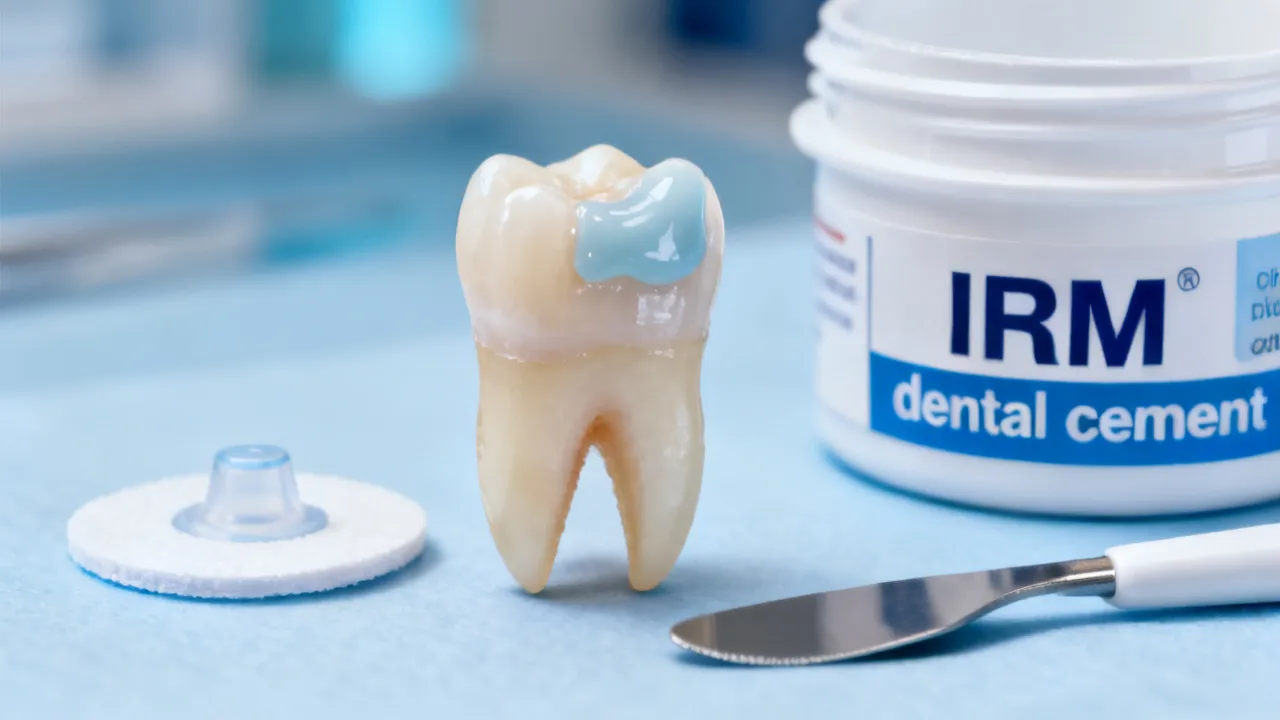
IRM cement is a reinforced zinc oxide–eugenol dental material used primarily for temporary restorations, intermediate restorative procedures, and selected temporary cementation applications. The term “IRM” is commonly associated with an intermediate restorative material. In Korean-language searches, the product category may appear as IRM 시멘트. Although patients may describe it simply as dental cement, clinicians generally regard it as a specific type of reinforced temporary restorative material rather than a universal substitute for permanent restorative systems.
IRM cement usually consists of a powder and liquid that are mixed chairside, although exact formulations, packaging, working time, strength, and indications depend on the manufacturer. The powder commonly contains zinc oxide with reinforcing ingredients, while the liquid commonly contains eugenol. The reaction between these components produces a zinc oxide–eugenol matrix. Reinforcing agents are added to improve handling and resistance compared with conventional, non-reinforced zinc oxide–eugenol materials.
From a restorative dentistry perspective, IRM cement is valuable because it can provide a relatively durable temporary seal while a tooth is being monitored, treated, or prepared for a definitive restoration. It is often selected when the dentist needs a material that can be placed efficiently, removed later, and used during staged treatment. However, its temporary role is important. A material that performs well as an interim restoration is not automatically suitable for every permanent filling, crown, bridge, implant, or adhesive procedure.
The correct choice depends on the tooth’s condition, the amount of remaining structure, moisture control, expected duration of use, pulpal status, occlusal forces, and the definitive material planned for the next stage. Patients should therefore avoid purchasing or applying dental cement independently. Dental materials require appropriate diagnosis, isolation, mixing, placement, and occlusal adjustment. A material that seems simple to mix can behave differently when it is placed in a deep cavity, under biting pressure, or in a contaminated field.
Why Dentists Use IRM Cement
Temporary treatment is a normal part of dentistry. A tooth may need several appointments because the dentist must control symptoms, observe healing, complete endodontic treatment, wait for a laboratory restoration, or allow soft tissues to recover. IRM cement can be useful during this interval because it is designed to be placed and later removed more easily than many definitive restorative materials.
- Intermediate restorations: A dentist may use IRM cement to seal a prepared cavity temporarily while a treatment plan is being confirmed or completed.
- Temporary sealing after endodontic treatment: After root canal procedures, the access opening may need a temporary coronal seal before the definitive restoration is placed.
- Short- or medium-term protection: The material can help protect prepared tooth structure from food contamination and mechanical irritation during staged treatment.
- Temporary cementation: In selected situations, a clinician may use a zinc oxide–eugenol-based material to retain a provisional restoration, depending on the restoration and the bonding requirements of the final treatment.
- Pediatric and community dentistry: Certain intermediate restorative situations may benefit from a material that is practical to manipulate, but the decision must reflect the child’s age, cooperation, caries risk, and definitive treatment plan.
- Emergency stabilization: When a permanent restoration cannot be completed immediately, an interim material may help stabilize a tooth until comprehensive care is available.
- Diagnostic treatment: In some cases, a temporary restoration allows the dentist to observe whether symptoms improve after removal of decay or replacement of a defective filling.
These uses should not be interpreted as a treatment recommendation for every patient. A cracked tooth, deep carious lesion, leaking restoration, or painful tooth can have several possible causes. A temporary restoration may reduce exposure and discomfort, but it does not eliminate infection, repair a root fracture, or replace the need for definitive care.
How IRM Cement Works
The basic setting reaction involves the interaction of zinc oxide and eugenol. Once mixed, the material develops a hardened matrix. Reinforced formulations are designed to improve physical properties such as compressive strength, handling, and resistance to dislodgement compared with traditional zinc oxide–eugenol preparations.
Eugenol also has a characteristic clove-like odor and may provide a soothing sensation for some patients. That sensation should not be confused with a guaranteed therapeutic effect. The material’s clinical value primarily comes from its ability to form a temporary seal and provide mechanical protection when used under suitable conditions.
The material’s consistency is important. A mix that is too runny may be difficult to control and may not provide the desired bulk or strength. A mix that is too dry may not adapt adequately to cavity walls and margins. The clinician must balance working time with the need to place, condense, contour, and finish the material before it sets.
One important technical issue is the effect of eugenol on resin-based materials. Residual eugenol may interfere with the polymerization or bonding performance of some resin composites, resin cements, and adhesive systems. The magnitude of the effect depends on the product, surface preparation, time elapsed, removal procedure, and bonding protocol. For that reason, a dentist may select a non-eugenol temporary material when a resin-bonded crown, veneer, inlay, onlay, or other adhesive restoration is planned.
Dental professionals should consult the current manufacturer’s instructions for use rather than relying only on general descriptions. Mixing ratios, spatulation time, working time, setting time, storage requirements, and contraindications vary among products. The product label and official technical documentation take priority over informal online advice.
IRM Cement Compared With Other Temporary Materials
| Material category | Typical considerations |
|---|---|
| Reinforced zinc oxide–eugenol, such as IRM cement | Useful for selected intermediate restorations and temporary sealing; generally easy to remove, but eugenol may be unsuitable before some resin-bonded procedures. |
| Non-eugenol temporary cement | Often considered when a resin cement or adhesive restoration will follow; performance depends on the specific product and indication. |
| Glass ionomer cement | May offer chemical adhesion and fluoride release in appropriate indications; moisture sensitivity and removal characteristics vary. |
| Resin-modified glass ionomer | Can provide useful strength and handling in selected restorative situations, but is not automatically interchangeable with IRM cement. |
| Temporary resin material | May be selected for provisional crowns, bridges, or restorations where appearance and mechanical requirements are important. |
| Calcium hydroxide or other liners | May be used for specific pulpal-protection purposes in deep preparations, but these materials have a different role and are not substitutes for a temporary restorative cement. |
The correct comparison is not simply “which material is strongest?” A clinician must consider whether the material will be removed, whether an adhesive procedure follows, how much occlusal stress the tooth receives, and whether the patient can return for treatment. A strong temporary material that is difficult to remove may be less suitable than a more retrievable material in a staged procedure.
Appearance may also influence selection. IRM cement is generally tooth-colored to off-white rather than highly translucent, so it may be less appropriate for a visible front-tooth provisional when cosmetic demands are high. In posterior teeth or short-term emergency care, appearance may be less important than sealing and retrievability. The dentist must balance all relevant requirements rather than selecting material based on one property alone.
Advantages of IRM Cement
IRM cement remains relevant because it offers a practical balance of handling and temporary function. Its principal advantages may include:
- Temporary sealing ability: When properly mixed and placed, it can help reduce the passage of oral fluids and debris into a prepared area.
- Clinical practicality: Powder–liquid systems allow the clinician to adjust consistency within the limits specified by the manufacturer.
- Retrievability: A temporary restoration can generally be removed more readily than many permanent restorations, which is useful during staged care.
- Mechanical protection: It can cover exposed dentin and help protect a tooth from food packing and direct irritation.
- Established clinical familiarity: Zinc oxide–eugenol materials have a long history in dentistry, although each product must still be evaluated according to current instructions and evidence.
- Potentially efficient placement: In appropriate cases, a trained clinician can place the material during a routine appointment without laboratory fabrication.
- Useful handling characteristics: The material can often be shaped and adjusted during placement, which helps the dentist create a functional temporary surface.
These benefits apply only when the material is used for an appropriate indication. A temporary restoration may fail if the cavity is too large, the tooth is exposed to heavy biting forces, isolation is poor, the patient grinds their teeth, or the restoration remains in place longer than intended.
The success of a temporary restoration also depends on the remaining tooth structure. If the walls are thin or unsupported, cement alone may not prevent fracture. A tooth with extensive structural loss may need cuspal coverage, a provisional crown, or another protective design. In those circumstances, the material is only one part of the treatment plan.
Limitations and Risks
IRM cement is not a universal restorative material. Several limitations deserve attention before treatment begins.
Eugenol sensitivity and tissue response
Some patients may experience irritation or sensitivity to eugenol or other components. A history of sensitivity to clove oil or dental materials should be reported to the dentist. If burning, swelling, persistent pain, rash, or unusual symptoms develop after placement, the patient should contact the treating clinic promptly.
An unpleasant taste or odor may occur temporarily. This does not necessarily indicate failure, but a persistent taste associated with leakage, a loose restoration, or increasing pain should be evaluated. Patients should not attempt to diagnose a material allergy based on odor alone.
Compatibility with resin bonding
Because eugenol can affect certain resin-based bonding procedures, the dentist must coordinate the temporary material with the planned definitive restoration. Simply placing a resin restoration over a temporary material without adequate removal and surface preparation may compromise the result.
Limited long-term durability
IRM cement is intended for temporary or intermediate use in specified circumstances. It may wear, fracture, dissolve at the margins, or become dislodged if retained too long or exposed to excessive forces. The longer it remains in the mouth, the greater the importance of follow-up and reassessment.
Moisture and contamination
Saliva, blood, crevicular fluid, and debris can interfere with placement and adaptation. The dentist must use suitable moisture control. A temporary restoration placed in a contaminated field may have a poor seal even when the material itself is appropriate.
Occlusal stress
Molars and premolars can receive substantial chewing forces. The dentist may need to adjust the bite after placement, particularly if the temporary material covers a broad area. Patients who clench or grind may require additional protection or a different treatment strategy.
Underlying disease remains untreated
IRM cement does not cure advanced decay, periodontal disease, pulpal necrosis, or a structural crack. It only serves a defined restorative purpose. Delaying the next stage of treatment without professional advice can allow a problem to progress.
Marginal breakdown
If the temporary material begins to break down at the edge, plaque and food may collect around the restoration. This can increase the risk of recurrent decay or gum irritation. A patient may not notice early marginal leakage, which is one reason that scheduled review is important even when the tooth feels comfortable.
How Dentists Place IRM Cement
Exact techniques differ according to the product, clinical indication, and practitioner preference. The following outline describes the general process rather than a substitute for formal training or product instructions.
- Diagnosis and treatment planning: The dentist examines the tooth, reviews symptoms, and may take radiographs or other imaging. The purpose of the temporary restoration is established before material selection.
- Removal of compromised material: Caries, unsupported enamel, defective restorative material, or contaminated debris may be removed as clinically indicated.
- Isolation: The treatment field is controlled as effectively as possible. Depending on the procedure, the dentist may use cotton rolls, suction, a rubber dam, or another isolation method.
- Protection of the pulp or dentin: In deep areas, the clinician decides whether a liner, base, medicament, or other protective step is indicated. This depends on the diagnosis and remaining dentin thickness.
- Proportioning and mixing: Powder and liquid are dispensed according to the manufacturer’s specified ratio. The clinician mixes the material to the required consistency while observing the available working time.
- Placement: The material is carried into the prepared area, adapted to the walls and margins, and shaped to restore basic form and contact where appropriate.
- Setting and finishing: Excess material is removed. The occlusion is checked, and high points are adjusted to reduce the risk of fracture or postoperative discomfort.
- Follow-up: The patient receives instructions about eating, hygiene, symptoms, and the planned date for definitive treatment or review.
A key professional consideration is timing. The dentist should tell the patient how long the temporary restoration is expected to remain and what should happen next. If the material falls out, the patient should contact the clinic rather than repeatedly packing household substances into the cavity.
In a deep cavity, the temporary restoration may be part of a broader diagnostic process. The clinician may be assessing whether the pulp can recover or whether root canal treatment is needed. If symptoms continue, replacing the cement without reconsidering the diagnosis may delay appropriate treatment.
Patient Instructions After Placement
Patients may be advised to avoid chewing hard or sticky foods on the treated side until the material has adequately set. The exact waiting period depends on the product and the dentist’s instructions. Normal oral hygiene is usually important, but brushing should be gentle around the restoration. Floss may need to be removed by sliding it through the contact rather than lifting it upward, which can reduce the chance of dislodging an interim restoration.
Some mild tenderness may occur after dental treatment, particularly when the tooth has been deeply restored or recently treated endodontically. Worsening pain, facial swelling, fever, difficulty swallowing, a bad taste associated with drainage, or inability to bite comfortably should be reported. A lost temporary restoration also warrants professional advice, especially when the tooth has undergone root canal treatment or is awaiting a crown.
Patients should continue cleaning the surrounding teeth because plaque accumulation can irritate the gums and compromise the temporary seal. A water flosser, interdental brush, or other cleaning aid may be appropriate for some patients, but the dentist or hygienist should explain how to use it without dislodging the restoration.
IRM Cement and Endodontic Treatment
After root canal treatment, the temporary coronal seal is an important part of protecting the treated tooth until the definitive restoration is placed. IRM cement may be used in selected cases because it can provide a relatively substantial temporary barrier and can later be removed by the dentist. The final restoration should not be postponed indefinitely, however, because an endodontically treated tooth may be more susceptible to fracture and bacterial leakage if it remains inadequately protected.
The amount of remaining tooth structure, the location of the tooth, the presence of cracks, and the planned final restoration all affect the sequence. A posterior tooth may require cuspal coverage, while an anterior tooth may have different esthetic and functional needs. The temporary cement does not determine the final treatment by itself.
IRM Cement and Dental Implants
IRM cement is primarily a tooth-restorative material and should not be confused with an implant fixture, implant abutment, bone graft, or definitive implant prosthesis. Dental implant treatment replaces the root portion of a missing tooth with a biocompatible fixture and then uses an abutment and crown or another prosthetic component. IRM cement may appear in discussions around implant care only in limited, temporary contexts, such as an interim restoration on a natural tooth near the implant site or a provisional component when the treating dentist determines that it is compatible with the prosthetic plan.
Using a temporary cement around an implant-supported restoration requires careful consideration. The dentist must account for retrievability, excess cement, peri-implant tissue health, the type of abutment, occlusion, and the final retention strategy. Residual cement around an implant restoration can contribute to local inflammation, so removal and inspection are important. The patient should never assume that any ordinary dental cement is appropriate for an implant crown.
From an industry expert’s perspective, material selection should follow the entire restorative sequence. The question is not merely whether IRM cement can hold a temporary component. The more relevant questions are whether it can be removed predictably, whether it is compatible with the intended bonding system, whether excess can be controlled, and whether the biological tissues can be kept clean.
Implant treatment also requires a distinction between temporary retention and definitive retention. A provisional restoration may be designed to be removed during healing or adjustment, whereas a definitive restoration may be screwed in or cemented according to the restorative plan. The material and retention method should be selected by the implant dentist and restorative dentist together when more than one clinician is involved.
How to Obtain Dental Implants at Lower Cost in English-, Spanish-, and Portuguese-Speaking Markets
Implant treatment costs can be managed responsibly, but reducing the price should not mean eliminating diagnosis, sterilization, qualified supervision, or appropriate follow-up. The following process can help patients compare options while protecting clinical quality.
1. Start with a documented diagnosis
Request an examination, appropriate radiographs, and a written treatment plan. The plan should identify whether a single implant, a bridge, a removable prosthesis, bone augmentation, sinus elevation, or another option is being considered. A lower initial quotation may not include necessary imaging, extraction, grafting, the abutment, the crown, sedation, travel-related coordination, or follow-up appointments.
2. Ask for an itemized quotation
Compare the same components across clinics. A useful quotation should distinguish the implant fixture, surgical appointment, abutment, crown, temporary tooth, imaging, extraction, grafting, medications, review visits, and laboratory fees. Confirm whether taxes, translation services, travel-related coordination, and emergency care are included when treatment is arranged across borders.
3. Compare licensed providers rather than advertisements alone
Check the dentist’s registration with the relevant national or regional authority. Review education, implant training, documented experience, infection-control procedures, and the clinic’s approach to complications. Testimonials can provide context, but they do not replace professional credentials or a clinical consultation.
4. Consider dental schools and supervised teaching clinics
University dental clinics may offer lower-cost treatment because students or residents provide care under supervision. Appointment times may be longer, and eligibility can be limited by case complexity. Patients should ask who performs each stage, who supervises it, and how urgent issues are handled after the appointment.
5. Explore insurance and dental plans carefully
Some dental insurance plans contribute toward certain implant-related services, while others exclude implants or apply waiting periods, annual limits, missing-tooth clauses, or network restrictions. Dental discount plans may operate differently from insurance. Patients should obtain written confirmation of benefits rather than relying on a general statement that implants are covered.
6. Compare treatment alternatives
A single implant is not always the only clinically appropriate option. Depending on the patient’s oral health, a conventional fixed bridge or removable partial denture may be considered. These alternatives have different maintenance requirements, biological effects, longevity considerations, and costs. The dentist should explain the trade-offs without presenting one option as suitable for everyone.
7. Evaluate staged treatment
Some patients may complete urgent disease control, extraction, or periodontal stabilization first and schedule the implant after healing. Staging can make budgeting more manageable, but it must be clinically safe. A temporary tooth or provisional restoration may be needed during the healing period.
8. Consider carefully selected cross-border care
Dental tourism can reduce quoted treatment costs in some markets, but travel adds clinical and logistical risks. Before committing, verify the clinic’s legal status, implant brand, warranty terms, sterilization standards, language support, emergency arrangements, and the number of visits required. A short trip may be unsuitable if the treatment requires graft healing, multiple surgical stages, or management of complications.
9. Confirm implant system information
Ask for the implant manufacturer, model, diameter, length, and restorative components in the patient record. This information can help another dentist provide maintenance later. An unusually low quotation may reflect an unfamiliar or difficult-to-source component, limited laboratory support, or a treatment package that omits the final crown.
10. Budget for maintenance
An implant is not maintenance-free. Patients need professional examinations, hygiene care, home cleaning, and monitoring of the crown, abutment, gums, and supporting bone. The long-term budget should include replacement of worn prosthetic components and management of biological or mechanical complications if they occur.
11. Consider time away from work and travel
The quoted dental fee is only one part of the total cost. Travel, accommodation, meals, transportation, time away from work, companion expenses, and unexpected additional visits can substantially change the final amount. A clinic that is slightly more expensive but nearby may be more economical than an overseas clinic if complications or repeated appointments occur.
Conditions and Requirements Before Implant Treatment
Implant treatment generally requires more than a missing tooth. The clinician evaluates bone volume, gum health, neighboring teeth, bite relationships, oral hygiene, smoking or nicotine exposure, medical conditions, medications, and the patient’s ability to attend follow-up appointments.
- Active infection should be assessed and managed: A diseased tooth or untreated periodontal condition may affect the treatment sequence.
- Bone volume must be evaluated: Some patients require grafting or another preparatory procedure, which changes both cost and timeline.
- Medical history matters: Conditions affecting healing, bleeding, immunity, or bone metabolism should be disclosed.
- Medication review is essential: Patients should provide a complete list of prescription medicines, supplements, and anticoagulants.
- Smoking should be discussed: Tobacco and nicotine exposure can complicate healing and maintenance. The treating clinician can provide individualized guidance.
- Oral hygiene must be adequate: Plaque control supports the health of both natural teeth and implant tissues.
- Expectations should be realistic: Implant treatment involves healing and maintenance; it is not an immediate replacement in every case.
- Parafunction should be considered: Clenching and grinding can increase mechanical stress and may require a night guard or a modified prosthetic plan.
Patients comparing clinics should ask how complications are handled. A credible provider should explain whom to contact if an implant becomes mobile, a temporary crown breaks, swelling develops, or the bite changes. A written aftercare pathway is particularly important when care is obtained outside the patient’s usual area.
Websites Providing Information About Lower-Cost Dental Implants
The following websites represent different types of dental information sources. They are not equivalent: some are clinic websites, some provide general educational material, and others discuss insurance or dental travel. Readers should use them as starting points and independently verify credentials, current prices, treatment inclusions, and local regulations.
| Website or organization | Features and intended use |
|---|---|
| Dental Views | Discusses low-cost dental implants, treatment types, possible benefits, cost considerations, process information, and common patient questions. |
| Atlantic Dental Group | Clinic-based information covering general dental services, implants, orthodontics, hygiene, and emergency care, with appointment and provider information. |
| DentaVacation | Provides dental tourism information, destination comparisons, treatment coordination, and travel-related considerations for patients evaluating care abroad. |
| ADHP and Rockville Dental Arts | Offers information connected with dental plans and clinic services, including coverage considerations and Spanish-language access. |
| Union City Mini Dental Implants | Focuses on mini dental implants and related patient education, particularly for individuals exploring smaller-diameter implant options. |
| Cigna dental implant guide | Provides general educational information about dental implants and insurance-related considerations in Spanish. |
| Rubi Odonto, Odontologia Velasco, and DentalVidas | Portuguese-language sources covering clinic services, implant and restorative dentistry, aesthetic care, technology, and dental-plan information in Brazil. |
Source: The information in this comparison is based on the websites listed below. Website content, services, language availability, and pricing may change.
dentalviews.com/low-cost-dental-implants/
atlanticdentalgrp.com
dentavacation.com
rockvilledentalarts.com/es
unioncityminidentalimplants.com/es
cigna.com/es-us/knowledge-center/guide-to-dental-implants
rubiodonto.com.br
odontologiavelasco.com.br
dentalvidas.com.br
How to Interpret Implant Price Ranges
The following ranges are presented for an individual dental implant in the specified country or market. They should be read as broad reference figures, not as quotations. The meaning of “individual implant” can differ between sources. Some prices may refer mainly to the implant procedure, while others may be discussed as part of a broader implant-and-crown package. Patients should confirm whether the fixture, abutment, crown, imaging, extraction, grafting, temporary restoration, and follow-up are included.
| Country or market | Currency | Reference price range for an individual dental implant |
|---|---|---|
| United States | USD | US$3,000–US$6,000 |
| United Kingdom | GBP | £2,000–£2,500 |
| Australia | AUD | AU$3,500–AU$6,500 |
| Canada | CAD | CA$3,000–CA$5,500 |
| Spain | EUR | €1,500–€2,500 |
| Chile | CLP | CLP$800,000–CLP$1,500,000 |
| Mexico | MXN | MX$15,000–MX$25,000 |
| Colombia | COP | COP$2,000,000–COP$4,000,000 |
| Peru | PEN | S/ 3,000–S/ 6,000 |
| Argentina | ARS | ARS$80,000–ARS$150,000 |
| Brazil | BRL | R$3,000–R$8,000 |
| Portugal | EUR | €1,000–€2,000 |
| Germany | EUR | €2,000–€3,500 |
| France | EUR | €1,500–€2,500 |
| Italy | EUR | €1,500–€3,000 |
| Japan | JPY | ¥300,000–¥700,000 |
Exchange rates, inflation, laboratory charges, local regulation, clinician experience, imaging requirements, and case complexity can substantially affect the final amount. A price range should therefore be used to prepare questions, not to select a clinic without an examination.
Patients should also distinguish between the cost of an implant fixture and the cost of replacing a tooth. The fixture is the surgically placed component, while the abutment connects the fixture to the crown. The crown is the visible replacement tooth. If a quotation names only one of these components, the apparent low price may not represent the total treatment cost.
Regional Considerations for English-Speaking Markets
In the United States, Canada, the United Kingdom, and Australia, patients commonly encounter itemized treatment plans, private clinic quotations, insurance limitations, and varying levels of public support. Coverage for implants may be limited, and the distinction between a dental plan and dental insurance is important. Patients should ask whether the plan contributes to the surgical phase, the prosthetic crown, or only related services such as extraction.
Local provider registration and emergency arrangements are especially important when comparing clinics across large geographic areas. A patient living far from the treating dentist should determine whether postoperative reviews can be completed locally and how records will be transferred. In English-speaking markets, written consent documents and treatment estimates may be detailed, but patients should still request clarification of technical terms such as “implant body,” “abutment,” “provisional,” and “definitive crown.”
Regional Considerations for Spanish-Speaking Markets
Spain and Latin American markets include a wide variety of public, private, university, and corporate dental services. Spanish-language patient materials can make communication easier, but language compatibility should not be confused with clinical equivalence. Patients traveling within or between Spanish-speaking markets should confirm the country in which each stage will be performed, the applicable professional registration system, and whether the same clinic will provide surgical and prosthetic care.
When reviewing a Spanish-language quotation, patients may wish to ask whether the price includes “implante,” “pilar” or “abutment,” “corona,” imaging, bone regeneration, and temporary prosthetic teeth. Terminology can vary by region. Written clarification is preferable to relying on an advertised package title.
Regional Considerations for Portuguese-Speaking Markets
Brazil and Portugal have different healthcare systems, professional regulations, regional costs, and clinic structures. In Brazil, patients may compare private clinics, dental plans, teaching institutions, and larger dental networks. In Portugal, local prices may vary between metropolitan areas and smaller communities. Portuguese-language communication can help patients understand consent documents, maintenance instructions, and warranty conditions.
Patients considering clinics in São Paulo, Santo André, Lisbon, Porto, or other urban areas should look beyond location and ask about laboratory support, implant-system documentation, sterilization protocols, and follow-up access. A clinic’s use of modern technology can be helpful, but technology alone does not establish that a treatment plan is appropriate.
What a Complete Implant Consultation Should Cover
A thorough consultation should address the biological, restorative, financial, and practical dimensions of care. Patients can use the following checklist:
- What is the diagnosis and why is an implant being recommended?
- Is the tooth restorable, or should another option be considered?
- Is extraction included, and what happens after extraction?
- Is there enough bone for implant placement?
- Could grafting or sinus augmentation be needed?
- What implant brand and model are proposed?
- Who performs the surgery and who completes the crown?
- What type of crown material is planned?
- How many appointments are expected?
- How long is the anticipated healing period?
- What happens if the implant does not integrate or the temporary restoration fails?
- What maintenance schedule is recommended?
- Which costs are included and which are separate?
- What records will the patient receive after treatment?
- Who provides emergency care if the patient develops pain or swelling after returning home?
The last question is often overlooked. Patients should retain radiographs, implant identification labels, surgical notes, restorative details, and laboratory information. These records are valuable if the patient later moves, changes dentists, or requires repair.
IRM Cement: Storage, Handling, and Quality Control
Dental offices should store IRM cement according to the manufacturer’s requirements, protect the powder and liquid from contamination, and monitor expiration dates. The dispensing area should remain clean and dry. A compromised container, altered consistency, unusual odor, or expired material should be evaluated according to clinic policy and the manufacturer’s guidance.
Mixing is a critical step. An incorrect powder-to-liquid ratio may change flow, strength, working time, and setting behavior. Too much liquid may produce a weaker or softer mix; too much powder may make adaptation difficult. The dentist or dental assistant should use the recommended instruments and timing rather than estimating proportions casually.
Cross-contamination control is equally important. The mixing pad, spatula, dispensing tools, and placement instruments should be managed within the clinic’s infection-control system. Dental cement should not be transferred into unlabelled containers or reused after contamination. These are routine quality-control principles, but they directly influence the reliability of a temporary restoration.
When IRM Cement May Not Be the Preferred Choice
A non-eugenol material may be more appropriate when a resin-based definitive restoration is planned and the dentist wants to minimize possible interference with bonding. A glass ionomer or resin-modified glass ionomer may be selected when chemical adhesion, fluoride release, or a different handling profile is desirable. A temporary resin may be more suitable for an esthetic provisional crown or a restoration that needs particular fracture resistance.
Patients with a known component sensitivity, severe bruxism, extensive loss of tooth structure, or an uncertain diagnosis may require a different approach. In deep lesions, the dentist must also distinguish reversible irritation from irreversible pulpal disease. Placing a temporary material can be part of diagnosis in selected cases, but persistent or spontaneous pain requires reassessment rather than repeated replacement.
Frequently Asked Questions
Is IRM cement a permanent filling?
It is generally used as an intermediate or temporary restorative material. Some clinical situations may permit longer use under professional supervision, but patients should not assume that it is a permanent substitute for a definitive restoration. The expected duration depends on the tooth, cavity, occlusion, diagnosis, and manufacturer’s indication.
What does “IRM 시멘트” mean?
“IRM 시멘트” is the Korean expression commonly used in online searches for IRM cement. It usually refers to a reinforced zinc oxide–eugenol intermediate restorative material used in dentistry. Product names and formulations can differ, so the exact package and manufacturer should be identified.
Can IRM cement be used for a broken tooth at home?
Home application is not recommended as a substitute for dental treatment. A broken tooth may involve decay, pulp exposure, a crack, infection, or an injury to surrounding tissues. A dentist must determine the cause and choose a suitable temporary or definitive restoration.
Can IRM cement be used under a composite filling?
That decision depends on the product, the clinical situation, and the adhesive system. Eugenol-containing materials may affect some resin bonding procedures. The dentist may remove the temporary material thoroughly or choose a non-eugenol alternative when appropriate.
Does IRM cement contain eugenol?
Many conventional reinforced zinc oxide–eugenol materials do contain eugenol, but formulations vary. Patients should check the specific product documentation and disclose any known sensitivity to eugenol or dental materials.
How long can IRM cement stay in a tooth?
There is no single period that applies to every case. The dentist should specify the review or replacement date. A temporary restoration that remains intact can still require assessment because leakage, wear, recurrent decay, or changes in symptoms may not be visible to the patient.
Why does my tooth hurt after IRM cement is placed?
Some short-term sensitivity may follow preparation or treatment. However, increasing pain, spontaneous throbbing, swelling, fever, pain on biting, or prolonged sensitivity should be reported. The symptom may arise from the underlying pulp, the bite, leakage, a crack, or another condition rather than from the cement alone.
Can IRM cement be used for an implant crown?
Only the treating dental professional should decide. Implant restorations require careful control of retention, retrievability, occlusion, and excess cement. An ordinary temporary cement should not be applied to an implant crown without a specific clinical plan.
Is a lower implant price always better?
No. The lowest quotation may omit the abutment, crown, imaging, grafting, temporary restoration, maintenance, or complication care. A meaningful comparison requires equivalent treatment components, qualified providers, documented materials, and an appropriate follow-up plan.
How can I compare dental implant clinics abroad?
Verify professional registration, the clinic’s legal status, implant-system documentation, sterilization procedures, written treatment inclusions, number of visits, emergency arrangements, and warranty conditions. Obtain an independent examination where possible and consider the cost of travel, accommodation, missed work, and local follow-up.
Are mini dental implants the same as conventional implants?
They are not identical. Mini implants generally have a smaller diameter and may be considered for selected indications. Suitability depends on bone, prosthetic design, loading forces, anatomy, and the dentist’s assessment. A clinic specializing in mini implants should explain why that design is appropriate for the individual case.
What should I do if temporary IRM cement falls out?
Contact the dental clinic. Keep the area clean, avoid chewing hard foods on that side, and do not use household adhesives or unlabelled materials. The dentist may replace the temporary restoration or proceed with the next treatment stage depending on the condition of the tooth.
Can I whiten a tooth restored with IRM cement?
Whitening products do not reliably change the color of restorative cement, and unsupervised whitening may irritate the tooth or gums. If the temporary restoration is visible, the dentist can discuss whether whitening should occur before or after the definitive restoration.
Does IRM cement prevent cavities from returning?
No. It may provide a temporary seal, but it does not remove every risk factor for recurrent decay. Oral hygiene, dietary habits, fluoride exposure, saliva flow, and timely definitive treatment remain important.
Professional Takeaway
IRM cement is best understood as a carefully selected temporary tool within a broader treatment plan. Its reinforced zinc oxide–eugenol formulation can provide useful interim sealing and protection, but the material has boundaries related to durability, eugenol compatibility, moisture control, occlusion, and patient-specific biology. The most reliable result comes from matching the material to the diagnosis and the next restorative step.
The same principle applies to implant costs. A responsible low-cost strategy compares complete treatment plans rather than isolated promotional figures. Patients should verify credentials, understand every included component, consider maintenance, and preserve their clinical records. Whether care is obtained nearby or through cross-border arrangements, the quality of diagnosis, infection control, communication, and follow-up should remain central to the decision.
References and Links
The following links were used as reference points for the website descriptions and regional dental information discussed in this article. They are provided for information and comparison, not as endorsements or individualized treatment recommendations.
- Dental Views: Low-Cost Dental Implants
- Atlantic Dental Group
- DentaVacation
- Rockville Dental Arts, Spanish-language website
- Union City Mini Dental Implants, Spanish-language website
- Cigna: Guide to Dental Implants in Spanish
- Rubi Odonto
- Odontologia Velasco
- DentalVidas
Disclaimer
1. The information above comes from online resources, and the data is as of October 2023.
2. Dental implant prices are for reference only and may vary by region, clinic, doctor, treatment complexity, materials, imaging, laboratory charges, insurance, taxes, and required additional procedures. IRM cement information is educational and does not replace an examination, diagnosis, product-specific instructions, or advice from a qualified dental professional.