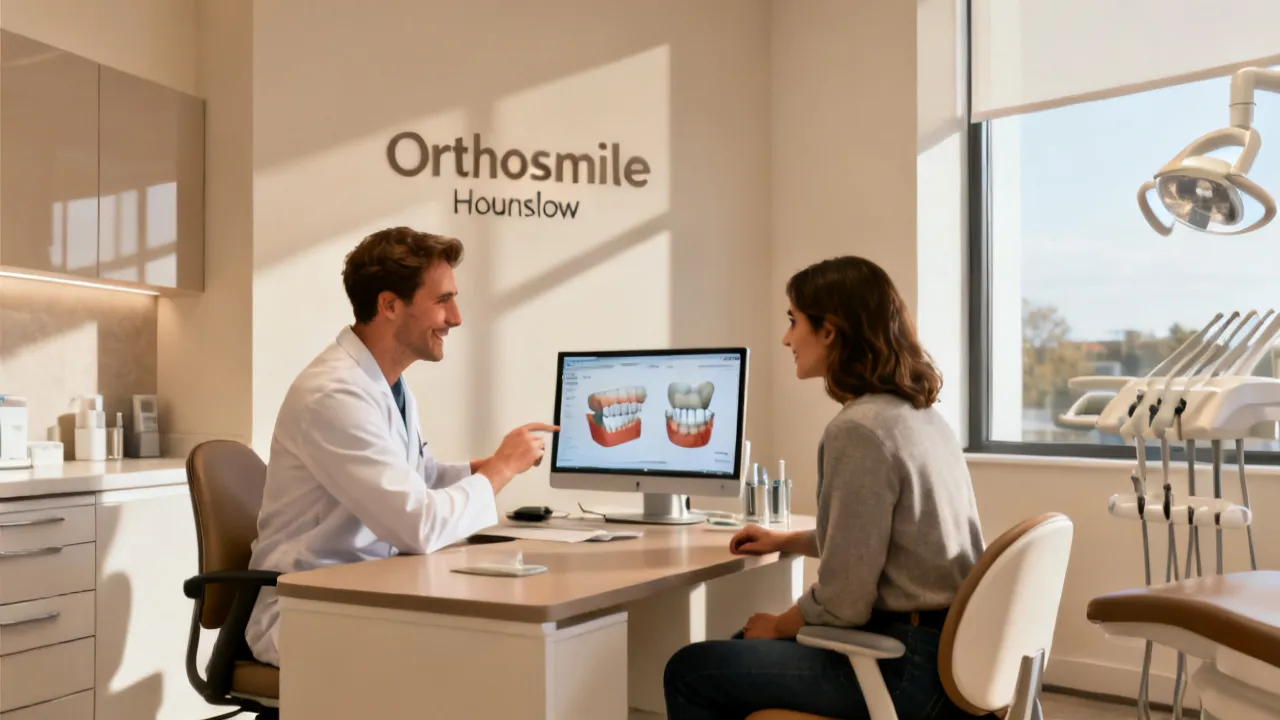
Understanding 미니쉬 단점 Before Treatment
This guide explains the potential 미니쉬 단점, including enamel reduction, sensitivity, repair limitations, maintenance needs, suitability concerns, and total treatment costs. Minish is generally discussed as a minimally invasive aesthetic dental restoration, but its exact design and clinical outcome depend on the material, preparation method, bite, tooth condition, and dentist’s planning. The article also compares international dental-information websites and provides reference implant price ranges.
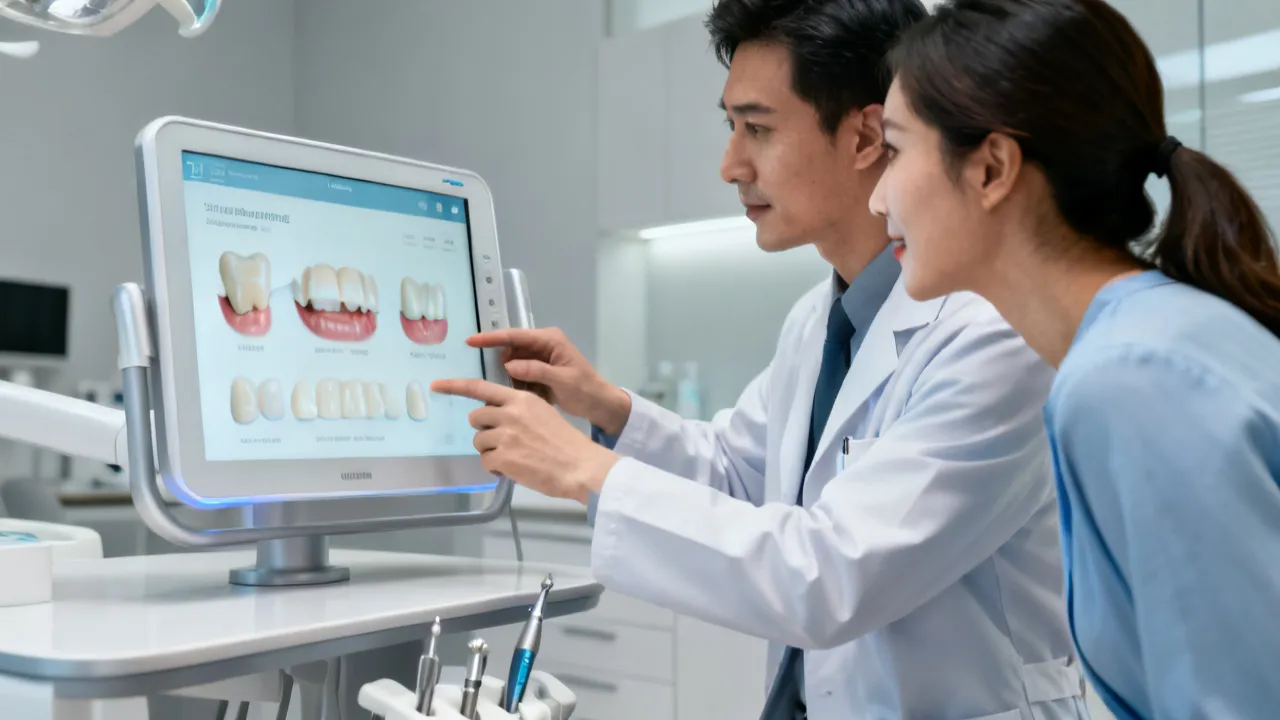
What Are the Main 미니쉬 단점?
The most important 미니쉬 단점 is that minimally invasive cosmetic restoration is not automatically suitable for every tooth or every patient. Although the treatment concept is generally associated with preserving more natural tooth structure than conventional crowns, some enamel preparation may still be required. The final result can also be influenced by bite force, tooth discoloration, gum health, parafunctional habits, restorative material, bonding conditions, laboratory quality, and the accuracy of the original diagnosis.
Patients considering Minish-style treatment should therefore examine more than the advertised smile transformation. They should ask how much enamel will be removed, whether the restoration is reversible in their specific case, what material will be used, how the bite will be assessed, how repairs will be handled, and what is included in the total fee. These questions are especially important because cosmetic dental treatment is elective but still involves biological tissues, permanent changes in some cases, and long-term maintenance.
- Potential sensitivity: Preparation close to the dentin may cause temporary or, less commonly, persistent sensitivity.
- Limited suitability: Severe crowding, significant decay, gum disease, weak enamel, bruxism, or major bite problems may require another treatment plan first.
- Irreversibility in some cases: Even conservative preparation may permanently alter the enamel surface.
- Repair and replacement: Chipping, debonding, staining at margins, or wear may require maintenance or replacement.
- Appearance is subjective: A restoration that looks attractive in photographs may not match a patient’s preferred shade, translucency, or tooth shape in person.
- Cost uncertainty: The initial quotation may not include diagnostic imaging, periodontal treatment, temporary restorations, bite guards, or future maintenance.
- Adjustment period: Changes in tooth length, contour, or contact may temporarily affect speech, lip position, or the way the teeth meet.
- Dependence on bonding conditions: Saliva, bleeding, moisture, enamel quality, and contamination can affect the strength and predictability of adhesion.
From an industry perspective, the safest way to evaluate 미니쉬 단점 is to compare the expected biological benefit with the mechanical and maintenance risks. A conservative approach is valuable only when it is supported by a sound diagnosis, controlled occlusion, suitable bonding conditions, appropriate material selection, and realistic expectations.
What Is Minish-Style Dental Treatment?
“Minish” is commonly used in discussions of aesthetic dental restorations that aim to improve tooth shape, color, alignment, or surface defects while preserving as much natural tooth structure as practical. Depending on the clinic and treatment protocol, the restoration may resemble a veneer or another type of bonded cosmetic covering. The exact material, laboratory process, preparation depth, margin design, and clinical steps can vary significantly.
It is important not to treat the word “Minish” as a universal technical classification. Dental clinics may use different systems, materials, names, and treatment philosophies under similar marketing language. A patient should request the formal treatment description, the material manufacturer, the laboratory information, and the proposed preparation design. A branded or descriptive name does not replace a clinical examination or explain the long-term biological consequences by itself.
Traditional full crowns generally cover a larger portion of a tooth and may require more reduction, although the amount depends on the tooth and the restorative design. A veneer-like restoration generally covers only part of the tooth, often the visible front surface. Minish-style treatment is usually presented as a more conservative alternative, but “conservative” should mean less removal for that individual case—not zero removal in every case.
The purpose of treatment should also be clarified. Some patients want to correct a small chip or uneven edge, while others want a complete smile redesign involving many teeth. Treating one or two teeth is usually a different planning challenge from treating an entire arch. The more teeth involved, the more important it becomes to evaluate facial proportions, speech, chewing patterns, gum symmetry, and the patient’s ability to maintain the restorations.
Detailed Analysis of the Main 미니쉬 단점
1. Enamel Removal May Still Occur
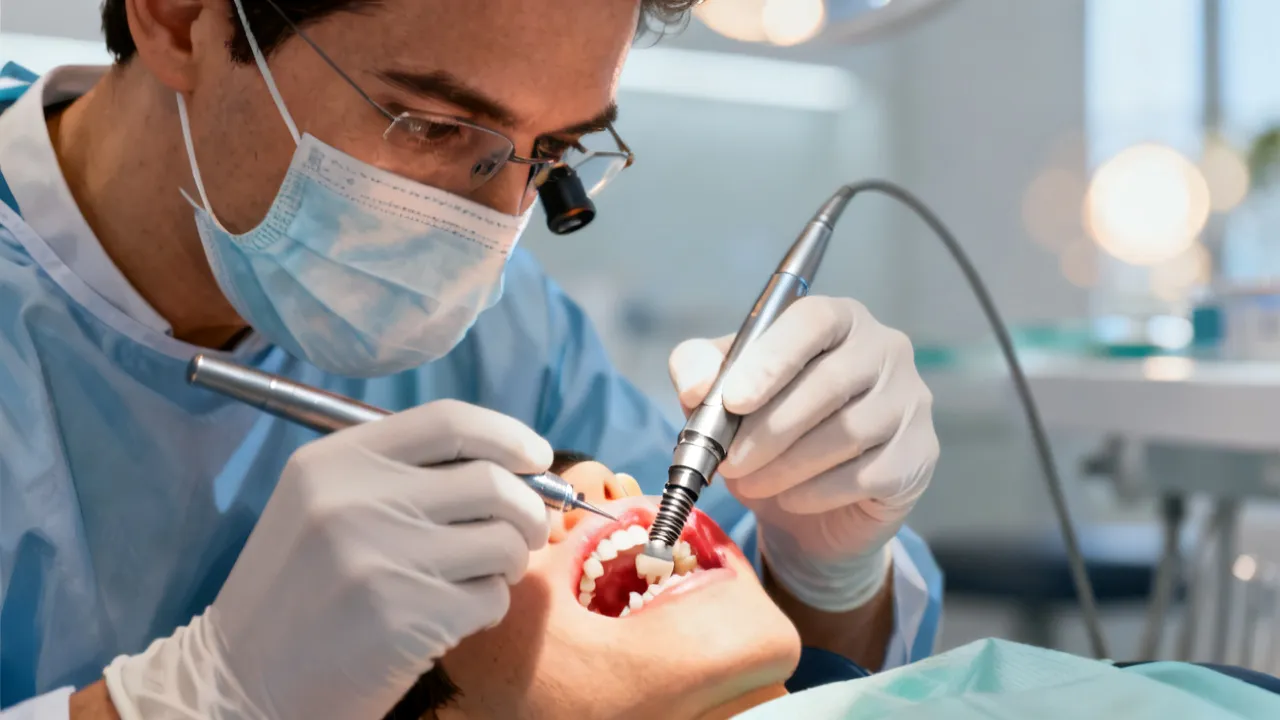
The first issue to clarify is whether the treatment involves enamel preparation. Dental bonding is strongest and most predictable when it can be performed primarily on healthy enamel. If a dentist must remove enamel to create space, correct shape, mask discoloration, establish a stable margin, or prevent the restoration from appearing too bulky, the procedure may not be fully reversible.
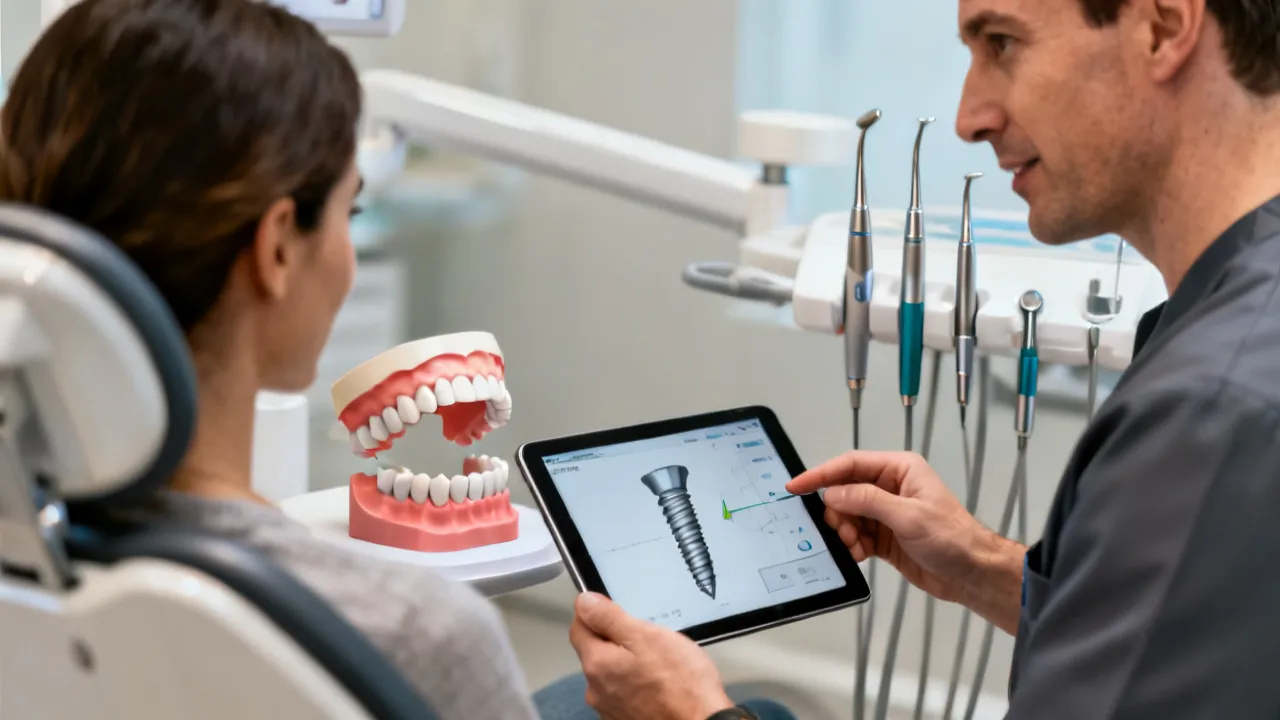
The amount of preparation can differ considerably between patients. A tooth that is already positioned correctly and has mild discoloration may need minimal alteration. A rotated tooth, protruding tooth, heavily restored tooth, or tooth with substantial color change may require a more complex design. Patients should ask for a diagnostic wax-up, digital simulation, or equivalent preview, while remembering that a simulation is not a guarantee of the final result.
Preparation should be discussed tooth by tooth rather than described only with a general phrase such as “no-prep” or “minimal-prep.” A restoration that requires no preparation on one tooth may require reduction on another. The thickness of the selected ceramic or composite, the desired shade, the existing tooth position, and the space available for the restoration all influence the design.
2. Tooth Sensitivity Is Possible
Sensitivity to cold, heat, air, or sweet foods can occur after preparation and bonding. Mild sensitivity may settle as the tooth adapts, but ongoing pain requires assessment. Sensitivity can be more likely when enamel is thin, preparation approaches dentin, the gum margin is exposed, or the tooth already has cracks, erosion, abrasion, recession, or previous restorations.
A proper examination should distinguish ordinary postoperative sensitivity from pulp inflammation, leakage, a high bite contact, a crack, or another dental problem. Patients should not assume that persistent pain is an unavoidable part of cosmetic treatment. A clinician may need to adjust the bite, evaluate the restoration margin, use desensitizing measures, check for decay, or investigate the tooth’s nerve health.
The character of the pain can provide useful information, although it cannot replace a professional examination. Brief sensitivity to cold may have a different cause from spontaneous throbbing pain or pain that lingers long after a stimulus is removed. Patients should report the timing, duration, triggers, and severity of symptoms rather than waiting indefinitely for them to disappear.
3. Not Every Tooth Is a Good Candidate
Cosmetic restorations are most predictable when the tooth has sufficient healthy structure, stable gum tissue, manageable bite forces, and a clean, dry bonding field. Active decay, untreated gum disease, poor oral hygiene, severe enamel loss, extensive fillings, short clinical crowns, inadequate space, and unstable restorations can reduce the likelihood of a durable result.
Severe tooth crowding is another important concern. Covering crowded teeth with restorations can make them appear straighter, but it may create bulky contours or excessive stress if the underlying position is not addressed. Orthodontic treatment, periodontal care, whitening, composite bonding, or a crown may be more appropriate depending on the diagnosis.
Teeth that have suffered trauma may also require additional evaluation. A tooth that appears cosmetically unattractive may have an old fracture, a damaged nerve, root resorption, or insufficient supporting bone. Covering the visible surface without understanding the underlying condition can delay necessary treatment and make later management more complicated.
4. Bite Forces Can Cause Chipping or Debonding
The front teeth are exposed to repeated contact during speech, chewing, and guidance of the jaw. A patient who clenches or grinds may place considerable stress on a thin bonded restoration. Edge-to-edge biting, deep overbite, crossbite, nail biting, chewing ice, biting pens, and opening packages with the teeth can further increase the risk of fracture or debonding.
A night guard may be recommended for patients with bruxism, although it does not eliminate all risk. The guard must be properly designed, periodically checked, and maintained. Patients should also understand that a restoration may fail even when the dentist follows appropriate procedures. Material fatigue, accidental trauma, bite changes, and individual behavior can all contribute.
Changes in the bite may become noticeable after several restorations are placed. If the edges feel as though they meet too early, or if the patient cannot close comfortably, the clinic should evaluate the contacts. Repeatedly forcing the teeth together to “test” them can itself create unnecessary stress.
5. The Treatment May Not Be Fully Reversible
One of the most misunderstood 미니쉬 단점 is the assumption that a conservative veneer-like treatment can always be removed without consequences. If the enamel has been altered, the original appearance may not return simply by taking off the restoration. The tooth may then require another bonded restoration, a new veneer, or a different restorative solution.
Before treatment, the consent discussion should explain the likely long-term pathway. Patients should ask what happens if they dislike the result, if the restoration detaches, or if the tooth becomes sensitive. The relevant question is not only “Can it be removed?” but also “What condition will the tooth be in after removal, and what treatment will be needed next?”
Even when a restoration is technically removable, the bonding procedure may leave residual cement or require polishing. Removing material can be difficult if the restoration and enamel have similar colors. A patient should avoid relying on a simple promise of reversibility without receiving a clear explanation of the actual preparation and removal process.
6. Color Matching and Transparency Are Technically Difficult
Natural teeth are not a single opaque color. They contain variations in translucency, surface texture, brightness, and internal anatomy. A restoration may appear different under daylight, warm indoor lighting, flash photography, and dental operatory lights. Color matching is also affected by the color of the underlying tooth and the shade of the bonding cement or resin.
Very bright, uniform restorations may look less natural and may make future matching more difficult. Conversely, a patient with severely discolored teeth may need a thicker or more opaque restoration to mask the underlying color. That can conflict with the goal of minimal preparation. A detailed shade consultation should address the patient’s desired appearance, nearby teeth, skin tone, photographs, and future whitening plans.
Whitening after restoration placement can create a mismatch because ceramic and many restorative materials do not lighten in the same way as natural enamel. If whitening is part of the patient’s plan, it is often useful to discuss the sequence before selecting the final shade. The patient should also understand that a temporary color may not represent the final appearance after the eyes adjust to the new smile.
7. Gum Contours and Margins Require Maintenance
Restoration margins that are over-contoured, rough, or placed too close to the gum can trap plaque and irritate the tissue. This may contribute to bleeding, swelling, recession, or localized gum inflammation. Even a technically acceptable restoration requires daily cleaning and professional review.
Patients with a history of periodontal disease should stabilize gum health before cosmetic treatment. Gum symmetry may also change naturally over time. Recession or aging of the gum can expose a margin and create a visible color transition, even if the restoration was initially well matched.
The location of the margin is important. A margin placed above the gum may be easier to clean but could be more visible. A margin closer to or below the gum may conceal the transition but can be more difficult to maintain. The dentist should explain the compromise rather than presenting one margin position as ideal for every patient.
8. Repairs May Not Be Invisible
A chipped or detached restoration can sometimes be repaired, but the result depends on the location, size, material, and condition of the tooth. A small edge defect may be polished or bonded. A larger fracture may require replacement. Rebonding can be difficult if the restoration is contaminated, distorted, or fractured at the margin.
Patients who travel a long distance for treatment should consider how repairs will be handled. The original dentist may have specific materials or records that a local clinic does not possess. Before treatment, patients should obtain photographs, radiographs where appropriate, the restoration material, laboratory details, and written maintenance instructions.
It is also useful to ask whether the clinic provides an adjustment or repair policy. A warranty may cover a manufacturing defect but exclude trauma, bruxism, poor hygiene, or changes in the underlying tooth. Patients should read the terms carefully and should not assume that “guaranteed” means every future problem will be repaired at no cost.
9. The Total Cost May Be Higher Than the Initial Quote
A headline price may cover only the visible restoration. The complete treatment budget can also include consultation, photographs, digital scans, diagnostic models, periodontal care, fillings, whitening, temporary restorations, occlusal appliances, sedation, follow-up visits, and future replacement.
Patients should request an itemized estimate. They should also ask whether the fee covers adjustments, emergency visits, laboratory remakes, and treatment of complications. Insurance coverage is often limited for elective cosmetic services, although medically necessary procedures may be assessed differently under a particular plan. Patients should confirm coverage directly with the insurer rather than relying on a clinic’s general statement.
Financing can make a large treatment plan appear affordable because the cost is divided into monthly payments. However, patients should compare the total repayment amount, interest, administrative fees, cancellation terms, and what happens if treatment is interrupted. A payment plan changes the timing of payment; it does not reduce the clinical risks or guarantee longevity.
10. Cosmetic Expectations May Be Too High
Restorations can change the appearance of teeth, but they cannot guarantee a particular facial appearance, social response, or emotional outcome. The final smile is influenced by lip movement, speech, tooth display, facial proportions, and the natural asymmetry of the mouth. A design that looks attractive on a model may not be ideal for a particular face.
Patients should be cautious about promises of a perfect or permanent smile. A responsible consultation includes limitations, alternatives, maintenance, possible complications, and an opportunity to reconsider. A second opinion is especially reasonable when the proposed treatment involves many healthy teeth.
Patients should also consider whether the desired change is dental or psychological. Cosmetic treatment may improve confidence, but it cannot reliably resolve every concern about appearance or self-image. A careful clinician should listen to the patient’s goals and identify whether the requested change is realistic, proportionate, and clinically justified.
11. Speech and Comfort May Change Temporarily
Changes to the thickness or length of the front teeth may influence pronunciation, especially sounds that involve the tongue contacting the teeth. Some patients adapt quickly, while others notice a temporary lisp or altered airflow. A restoration that is too thick near the palate or too long at the incisal edge may remain uncomfortable rather than becoming a simple adjustment issue.
This is one reason a trial design or provisional phase can be useful for extensive cases. The patient can speak, smile, and evaluate the proposed contours before the definitive restorations are finalized. Any discomfort, premature contact, or speech difficulty should be discussed during this stage.
12. Natural Teeth Continue to Change
Cosmetic restorations do not stop the natural aging process. Adjacent teeth may darken, shift, wear, or develop recession. The gum line may change, and neighboring restorations may need replacement at different times. A smile that is perfectly matched at the time of placement may look different several years later.
Patients should therefore think about the restoration as part of a changing oral environment rather than a permanent isolated object. Regular examinations can identify wear, marginal problems, and changes in the bite before they become more serious.
Who May Need Caution Before Minish Treatment?
Patients should receive a comprehensive examination before deciding. Additional caution may be appropriate in the following circumstances:
- Active cavities or untreated root infections
- Bleeding gums, periodontal pockets, or uncontrolled periodontal disease
- Severe enamel erosion, abrasion, or acid wear
- Frequent clenching or grinding
- Deep overbite, crossbite, or edge-to-edge contact
- Large existing fillings or cracked teeth
- Insufficient enamel for predictable bonding
- Very high expectations for a uniform, exceptionally bright result
- Inability to attend follow-up appointments
- Plans to undergo major orthodontic or jaw treatment soon
- Uncontrolled medical conditions that may affect healing or oral health
- Difficulty maintaining daily brushing and interdental cleaning
This list is not a diagnosis. A dentist may determine that treatment remains possible after addressing the underlying problem. For example, periodontal therapy may improve gum health, orthodontics may create space, and a bite guard may reduce mechanical stress. The key is sequencing treatment rather than placing cosmetic restorations over unresolved disease.
Questions to Ask During a Consultation
- What is the exact name and material of the proposed restoration?
- How much enamel will be removed from each tooth?
- Can treatment be performed without dentin exposure?
- What alternatives should I consider, including orthodontics, whitening, bonding, or crowns?
- Do I have gum disease, decay, cracks, or bite problems that should be treated first?
- How will my bite and nighttime grinding be assessed?
- What is the expected service period under normal conditions?
- What happens if a restoration chips, detaches, or causes sensitivity?
- Which costs are included in the quotation?
- Who will fabricate the restorations, and can I review the proposed design?
- How often will follow-up examinations be required?
- What records will I receive if I later need treatment at another clinic?
- Will a provisional restoration or trial smile be provided for extensive treatment?
- What is the clinic’s policy if I am unhappy with the shade or shape?
- Will future whitening affect the appearance of the restorations?
How to Reduce Risk and Improve Long-Term Results
Risk reduction begins before the preparation appointment. A dentist should evaluate the teeth, gums, bite, jaw movement, existing restorations, and aesthetic goals. In some cases, photographs and digital scans are useful for planning, while radiographs may be appropriate when there is a concern about decay, previous root-canal treatment, trauma, or bone support.
Patients should complete necessary disease-control treatment first. Professional cleaning, periodontal therapy, fillings, replacement of defective restorations, or orthodontic alignment can improve the foundation for cosmetic work. Whitening may be completed before final shade selection if the patient wants a lighter natural smile.
After treatment, daily plaque control matters. A soft toothbrush, fluoride toothpaste, interdental cleaning, and routine dental reviews help protect the teeth and gum margins. Patients should avoid using the treated teeth to bite hard objects and should discuss a protective appliance if they clench or grind. Regular review is valuable even when the restoration appears normal.
Patients should maintain a record of the treatment. The record may include the tooth numbers, photographs, scans, radiographs, material brand, laboratory name, shade information, and dates of placement. This information can be especially valuable if the patient moves, changes dentists, or needs emergency treatment years later.
Low-Cost Dental Implants: Why They Are Different from Minish Treatment
Minish-style restorations and dental implants address different clinical problems. A cosmetic restoration covers or reshapes an existing tooth. An implant replaces the root of a missing tooth and usually supports a crown, bridge, or denture. The presence of a lower price for an implant does not make it an alternative to a restoration for a healthy tooth.
Patients comparing treatment prices should confirm whether the quoted implant fee refers to an individual implant only or includes the implant fixture, abutment, crown, imaging, extraction, bone grafting, temporary teeth, anesthesia, and follow-up. A low initial quote can be misleading if essential stages are excluded.
Implant treatment also usually involves a longer sequence than a cosmetic veneer-like restoration. The patient may need a consultation, imaging, extraction if necessary, bone healing or grafting, implant placement, an integration period, abutment placement, and final crown delivery. Some cases can be completed more quickly, but timing depends on stability, infection, bone quality, and the clinician’s protocol.
Comparison of Dental Websites and Their Features
The following websites provide educational, clinical, insurance, or dental-tourism information related to implants and general dental care. They should be used as starting points for questions, not as substitutes for an individualized diagnosis. Website content, prices, locations, and services may change, so readers should verify current details directly.
| Website and primary focus | Useful features for patients |
|---|---|
| Dental Views — low-cost dental implants | Discusses implant benefits, treatment types, cost considerations, the implant process, and common patient questions. |
| Atlantic Dental Group — comprehensive dental clinic | Provides information about general dentistry, implants, orthodontics, emergency care, clinical services, and appointment access. |
| DentaVacation — dental tourism information | Explains treatment abroad, international cost comparisons, available procedures, and travel-related planning considerations. |
| ADHP / American Dental Health Plans | Offers information about dental insurance plans, coverage options, applications, and ways to manage dental expenses. |
| Rockville Dental Arts — Spanish-language dental information | Describes implants, whitening, cleaning, orthodontics, and emergency dental care for Spanish-speaking patients. |
| Union City Mini Dental Implants — Spanish-language mini-implant information | Explains mini dental implant services and possible applications for patients with limited areas of missing teeth. |
| Cigna — Spanish-language implant guide | Provides general educational information about dental implants and treatment considerations for Spanish-speaking readers. |
| Rubi Odonto — Portuguese-language dental clinic | Describes orthodontics, whitening, implants, professional staff, and patient-oriented dental services in Brazil. |
| Odontologia Velasco — Portuguese-language dental clinic | Provides information about implants, prostheses, aesthetic dentistry, and the use of contemporary dental technology. |
| DentalVidas — Portuguese-language dental plans | Explains dental plans for individuals, families, and businesses, along with network access and emergency-service information. |
source: dentalviews.com/low-cost-dental-implants/; atlanticdentalgrp.com; dentavacation.com; rockvilledentalarts.com/es; unioncityminidentalimplants.com/es; cigna.com/es-us/knowledge-center/guide-to-dental-implants; rubiodonto.com.br; odontologiavelasco.com.br; dentalvidas.com.br.
How to Obtain Dental Implants at Lower Cost in English-Speaking Countries
Lower-cost care should be approached as a value and safety decision rather than a simple search for the lowest advertised number. The following process can help patients compare options in the United States, the United Kingdom, Australia, and Canada.
- Confirm that an implant is clinically necessary. Ask whether a conventional bridge, partial denture, orthodontic space management, or another treatment could address the problem. The best-value treatment is the one that fits the diagnosis and expected service needs.
- Request a complete treatment plan. The plan should identify extraction, bone assessment, implant placement, healing, abutment, crown, temporary teeth, imaging, and review appointments.
- Compare itemized quotations. Obtain written estimates from several appropriately licensed clinics. Compare the same components rather than comparing one clinic’s implant-only fee with another clinic’s complete restoration fee.
- Check dental insurance and employer benefits. Some plans may contribute toward specific parts of treatment, while others exclude implants or classify them as major restorative care. Confirm annual limits, waiting periods, exclusions, and participating providers.
- Ask about dental schools and supervised training clinics. University clinics may offer selected procedures at reduced institutional rates, but appointments can take longer and case acceptance depends on teaching requirements.
- Address gum disease and general health early. Treating infection before placement can reduce delays and the risk of complications. Smoking, uncontrolled diabetes, and certain medications may affect healing and should be discussed honestly.
- Consider staged treatment. If several teeth require care, a dentist may prioritize infection control and function before elective aesthetic improvements. Staging can make budgeting more manageable.
- Review financing carefully. Examine interest, repayment periods, administrative charges, and cancellation terms. A payment plan changes the timing of payment, not the clinical risks or total price.
- Do not omit necessary diagnostic steps. Skipping three-dimensional imaging when it is clinically indicated, choosing an unsuitable implant, or avoiding periodontal treatment can create higher costs later.
- Plan maintenance and emergencies. Ask who will manage a loose crown, infection, or implant complication if the patient moves or the original clinic is far away.
How to Obtain Dental Implants at Lower Cost in Spanish-Speaking Countries
Patients in Spain, Chile, Mexico, Colombia, Peru, and Argentina can use a similar comparison process, while also considering regional differences in regulation, materials, currency, and aftercare. The local language can make it easier to clarify consent documents, warranty conditions, medication instructions, and the division of responsibility between the surgeon, restorative dentist, and laboratory.
- Use recognized professional directories where available. Verify the dentist’s license, postgraduate training, scope of practice, and experience with implant surgery and prosthetic restoration.
- Ask for the implant brand and laboratory details. A recognizable system with accessible replacement components may be easier to maintain if the patient later changes clinics.
- Separate surgical and prosthetic fees. Confirm whether the quoted price includes the implant fixture, abutment, crown, temporary restoration, surgical guide, and laboratory work.
- Clarify whether bone grafting is included. Bone augmentation, sinus procedures, extraction, and membrane materials may be billed separately and can materially change the final cost.
- Request a written plan in a language the patient understands. The document should describe alternatives, risks, expected visits, healing periods, and post-treatment restrictions.
- Compare urban and regional pricing carefully. Fees may vary between major metropolitan areas and smaller communities, but travel costs and access to follow-up care must be included in the calculation.
- Assess the clinic’s sterilization and emergency procedures. Ask how complications are handled and whether the clinic has access to appropriate imaging, laboratory support, and medical referral.
- Be cautious with international treatment packages. A package may combine treatment and travel services, but patients should independently assess the clinical provider, credentials, treatment plan, and follow-up arrangements.
- Consider currency fluctuation. A quotation in local currency may change in relation to the patient’s home currency. Confirm the validity period of the estimate and payment schedule.
- Keep complete records. Obtain implant passport information, implant labels, radiographs, clinical photographs, consent documents, and invoices for future care.
How to Obtain Dental Implants at Lower Cost in Portuguese-Speaking Countries
In Brazil and Portugal, patients may compare private clinics, dental plans, university settings, and staged treatment options. In Brazil, the currency is the Brazilian real, while Portugal uses the euro. Prices may differ by city, professional experience, implant system, laboratory, and complexity of the case.
- Verify the dentist’s professional registration and training.
- Ask whether the clinic’s quoted fee covers surgery and the final crown.
- Confirm the cost of imaging, extraction, grafting, sedation, and temporary teeth.
- Review dental-plan exclusions carefully; a plan may provide access to services without covering every implant component.
- Ask whether the laboratory uses documented materials and whether replacement components can be obtained locally.
- Schedule a review after surgery and another appointment after the final crown is fitted.
- Compare total treatment time as well as price, particularly when traveling between regions or countries.
Reference Price Ranges for One Dental Implant
The following figures are reference ranges for an individual dental implant in the listed countries. They should not be interpreted as a universal quotation or as the total cost of a complete implant-supported tooth. Depending on the source and clinic, “one implant” may refer to the implant component alone or may be used more broadly. Patients must confirm what is included.
| Country | Currency | Reference price range for one dental implant |
|---|---|---|
| United States (US) | USD | $3,000–$6,000 |
| United Kingdom (GB) | GBP | £2,000–£2,500 |
| Australia (AU) | AUD | AU$3,500–AU$6,500 |
| Canada (CA) | CAD | CA$3,000–CA$5,500 |
| Spain (ES) | EUR | €1,500–€2,500 |
| Chile (CL) | CLP | CLP$800,000–CLP$1,500,000 |
| Mexico (MX) | MXN | $15,000–$25,000 |
| Colombia (CO) | COP | $2,000,000–$4,000,000 |
| Peru (PE) | PEN | S/ 3,000–S/ 6,000 |
| Argentina (AR) | ARS | $80,000–$150,000 |
| Brazil (BR) | BRL | R$3,000–R$8,000 |
| Portugal (PT) | EUR | €1,000–€2,000 |
| Germany (DE) | EUR | €2,000–€3,500 |
| France (FR) | EUR | €1,500–€2,500 |
| Italy (IT) | EUR | €1,500–€3,000 |
| Japan (JP) | JPY | ¥300,000–¥700,000 |
Comparing Implant Cost with Treatment Quality
Price comparison is useful only when clinical variables are comparable. A clinic may charge more because it includes three-dimensional imaging, a surgical guide, a premium implant system, a specialist consultation, a custom abutment, or a laboratory-made ceramic crown. Another clinic may quote only the fixture placement. These are not equivalent services.
Patients should compare the following factors:
| Comparison point | Why it matters |
|---|---|
| Professional credentials | Training and experience may affect planning, surgical management, restoration design, and complication care. |
| Implant system | Documented components can make future maintenance and replacement easier. |
| Diagnostic process | Appropriate examination and imaging help identify bone, nerve, sinus, gum, and bite considerations. |
| Included services | Extraction, grafting, abutment, crown, temporary teeth, and follow-up can significantly affect the final cost. |
| Aftercare access | Patients need a clear plan for reviews, repairs, infection, loose components, and emergencies. |
Minish Treatment Versus Alternatives
Understanding alternatives is central to evaluating 미니쉬 단점. A patient seeking a brighter smile may not need a restoration on every tooth. Professional whitening can change color without covering tooth structure, although it cannot correct shape or major defects. Composite bonding may reshape small areas with less laboratory involvement, but it may stain, wear, or require polishing over time.
Orthodontic treatment can move teeth into a more favorable position rather than masking crowding with restorative material. It may require a longer treatment period, but it can preserve more tooth structure. A full crown may provide coverage for a heavily damaged tooth, although it generally involves greater preparation and should not be selected for a healthy tooth merely for cosmetic convenience.
A partial denture or bridge may be considered for a missing tooth, while an implant may offer a fixed root-replacement option when the patient is an appropriate candidate. Each treatment has advantages, limitations, biological requirements, financial implications, and maintenance needs.
Sometimes a combination approach is more conservative than one treatment used everywhere. For example, whitening may address overall shade, orthodontics may improve alignment, and limited bonding may correct small shape discrepancies. A patient should ask whether the proposed plan is the least invasive option that can realistically achieve the desired functional and aesthetic result.
Aftercare and Maintenance
Patients should receive written instructions after Minish-style treatment. The first days may involve awareness of the restoration, mild gum irritation, or sensitivity. Avoiding very hard foods and monitoring bite contact can be useful during the adjustment period. If the teeth feel uneven, the patient should contact the clinic rather than repeatedly testing the bite at home.
Long-term maintenance generally includes:
- Brushing twice daily with fluoride toothpaste unless a dental professional recommends otherwise
- Cleaning between teeth with floss, interdental brushes, or another suitable method
- Routine dental examinations and professional cleaning based on individual risk
- Prompt review of bleeding, swelling, persistent sensitivity, rough margins, or mobility
- Avoiding ice, hard objects, and non-food uses of the teeth
- Using a professionally assessed night guard when bruxism is present
- Keeping records of the material and laboratory used
Replacement timing cannot be guaranteed. The clinical lifespan depends on oral hygiene, diet, bite, trauma, material, bonding, tooth condition, and maintenance. A patient should budget for periodic repair or replacement rather than assuming that a cosmetic restoration will remain unchanged indefinitely.
Diet can also influence maintenance. Frequent exposure to acidic drinks may contribute to erosion of natural tooth structure around a restoration, while dark beverages and tobacco can stain exposed bonding or adjacent enamel. This does not mean that every patient must avoid all colored foods, but moderation and effective cleaning can help preserve a consistent appearance.
Warning Signs After Treatment
Patients should contact a dental professional if they experience severe or worsening pain, swelling, fever, a restoration that moves, a sharp edge that repeatedly cuts the tongue, persistent bleeding, a sudden change in the bite, or sensitivity that does not improve. A detached restoration should be kept safely and should not be reattached with household glue.
Urgent assessment may be necessary when swelling affects swallowing or breathing, when trauma has fractured a tooth, or when an infection is suspected. Cosmetic treatment does not prevent ordinary dental disease. The natural tooth beneath or beside a restoration can still develop decay, fracture, gum disease, or nerve problems.
FAQs About 미니쉬 단점
Is Minish treatment completely non-invasive?
Not necessarily. The treatment may be conservative compared with a full crown, but preparation can still be required. The dentist should explain the planned reduction for each tooth and whether dentin is expected to be exposed.
Can Minish restorations be removed?
They may be removable in a technical sense, but removal does not always restore the tooth to its original condition. If enamel was altered, another restoration may be needed after removal. Ask about the expected post-removal condition before consenting.
Will Minish treatment cause sensitivity?
Some patients experience temporary sensitivity, while others do not. Persistent or severe symptoms require dental assessment because they may indicate a bite problem, leakage, pulp irritation, a crack, or another condition.
Are Minish restorations suitable for crooked teeth?
Suitability depends on the degree and direction of tooth movement, available space, bite, gum health, and enamel thickness. Orthodontics may be a more conservative option for significant crowding or rotation.
Can people with bruxism receive cosmetic restorations?
Some can, but bruxism increases mechanical risk. The dentist should evaluate the bite, explain the possibility of fracture or debonding, and determine whether protective treatment is appropriate.
How long do Minish restorations last?
No universal duration applies to every patient or material. Longevity depends on preparation, bonding, occlusion, oral hygiene, trauma, and maintenance. Clinics should explain their own follow-up policy without presenting a guaranteed outcome.
Is the lowest implant price the best choice?
No. The lowest price may exclude the crown, abutment, imaging, extraction, grafting, or aftercare. Compare complete treatment plans, provider qualifications, materials, and access to follow-up care.
Can a dental tourism package reduce implant costs?
It may reduce the quoted treatment fee in some destinations, but travel, accommodation, time away from work, exchange-rate changes, and treatment of complications must be included in the calculation. Patients should also confirm how postoperative care will be provided.
What should I do if a restoration becomes loose?
Contact a dentist promptly and avoid chewing on the affected tooth. Do not use household adhesive. The dentist must determine whether the restoration, bonding surface, tooth, or bite is responsible.
Should I obtain a second opinion?
A second opinion is reasonable when many healthy teeth are proposed for treatment, the preparation appears extensive, the cost is substantial, or the patient is uncertain about alternatives. Bring photographs, proposed plans, and radiographs when available.
Can restorations protect weak teeth?
They may provide some coverage in selected cases, but a cosmetic covering is not automatically a substitute for structural treatment. A tooth with a large crack, extensive decay, or significant loss of structure may require a different restoration or endodontic treatment.
Can the final smile be changed after placement?
Minor adjustments may be possible, but changing the shade, length, or overall design may require remaking the restoration. Patients should communicate concerns during the provisional or try-in stage whenever one is provided.
Practical Decision Checklist
Before choosing Minish-style cosmetic treatment, a patient should be able to answer “yes” to most of the following questions:
- I understand the diagnosis and the reason each tooth is being treated.
- I know how much tooth structure is expected to be removed.
- I have been told about alternatives and their limitations.
- My cavities, gum disease, and bite issues have been addressed or clearly planned.
- I understand the material, laboratory process, and maintenance requirements.
- I have received an itemized estimate rather than a single unexplained figure.
- I know what will happen if the restoration chips, detaches, or causes pain.
- I have realistic expectations about shade, shape, symmetry, and longevity.
- I know how and where follow-up care will be provided.
- I understand whether future whitening could create a color mismatch.
- I have enough time to consider the decision without pressure.
Conclusion
The 미니쉬 단점 discussion should focus on biological preservation, not marketing language alone. A conservative restoration may be an appropriate option for selected teeth, but it can still involve enamel alteration, sensitivity, bite-related damage, gum-margin challenges, aesthetic limitations, repair needs, and future maintenance. A thorough examination, transparent consent process, documented material information, and comparison with less invasive alternatives are essential.
For dental implants, lower cost can sometimes be achieved through itemized comparison, insurance review, university clinics, staged treatment, or careful selection of a qualified local provider. However, cutting essential diagnostic or aftercare steps can increase risk. Whether the patient is considering Minish treatment or implant replacement, the most reliable decision is based on clinical suitability and complete long-term cost—not on the initial advertised price alone.
Disclaimer
The information above is compiled from online resources, and the data is as of October 2023. Dental implant prices are for reference only and may vary according to region, clinic, dentist, implant system, laboratory, treatment complexity, materials, and included services. This article is educational and does not replace an examination, diagnosis, or treatment recommendation from a qualified dental professional.