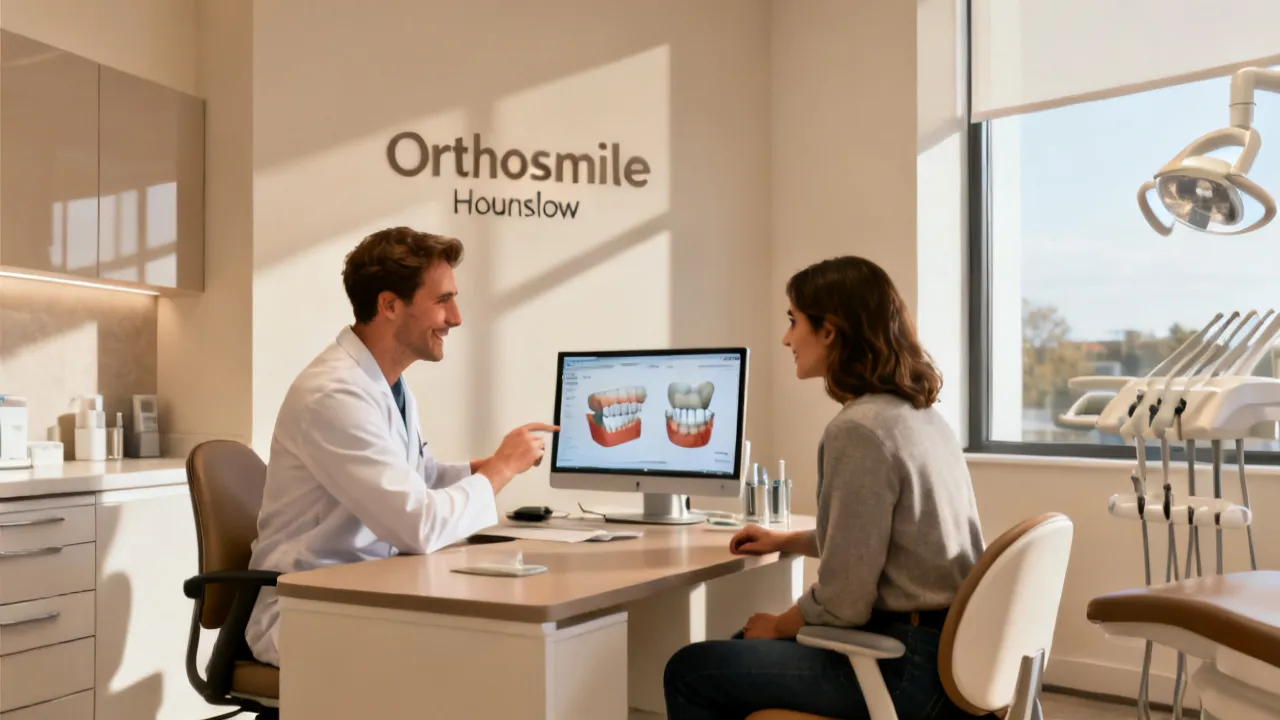
Understanding 미니쉬 단점 and Dental Implant Costs
This guide explains the main 미니쉬 단점, how Minish-style minimally invasive restorations differ from dental implants, and what patients should assess before choosing treatment. It examines enamel preservation, durability, maintenance, bite-related risks, candidacy, provider selection, and realistic pricing. It also compares international dental-information websites and summarizes individual dental implant price ranges across English-, Spanish-, Portuguese-, German-, French-, Italian-, and Japanese-speaking markets.
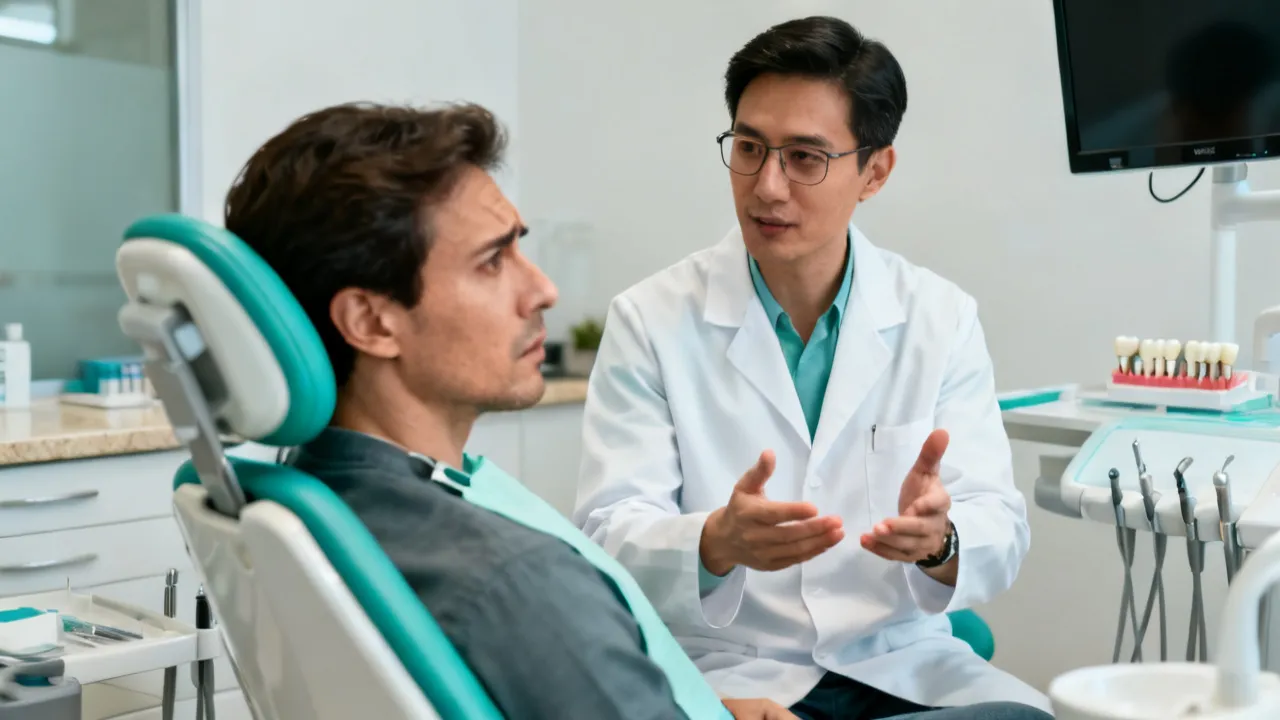
What 미니쉬 단점 Means in Dental Treatment
The Korean term 미니쉬 단점 translates broadly as “the disadvantages of Minish.” In dental discussions, Minish generally refers to a minimally invasive cosmetic restoration approach in which a thin, tooth-colored material is bonded to the visible surface of a tooth. Depending on the clinic, the material may be described as ceramic, composite, or a laboratory-fabricated veneer-type restoration. Because “Minish” may be used as a commercial or treatment-system name rather than as one universally standardized procedure, patients should confirm exactly what material, preparation method, laboratory process, bonding protocol, and warranty are included.
The name alone does not establish how conservative the treatment will be. One provider may prepare the enamel minimally, while another may reshape the tooth to create room for a thicker restoration. The restoration might be fabricated by a laboratory, milled digitally, or formed directly with composite resin. These differences affect strength, appearance, repairability, cost, and expected longevity. A patient should therefore evaluate the actual clinical procedure rather than relying only on the treatment label.
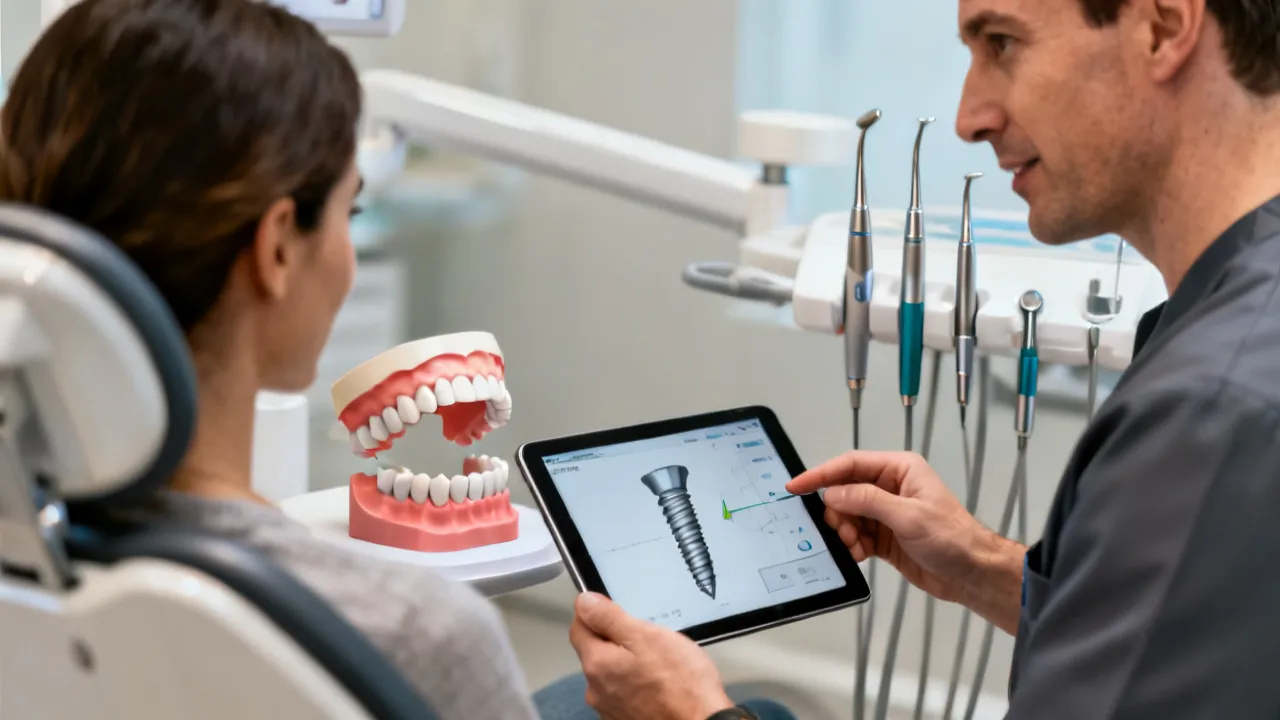
The most important point is that Minish-style treatment is not the same as a dental implant. A restoration placed over an existing tooth addresses appearance, shape, color, or limited structural damage. A dental implant replaces the root of a missing tooth and normally supports a crown, bridge, or denture. Confusing these treatments can lead to inappropriate expectations, especially when a patient is comparing cosmetic correction with replacement of a missing tooth.
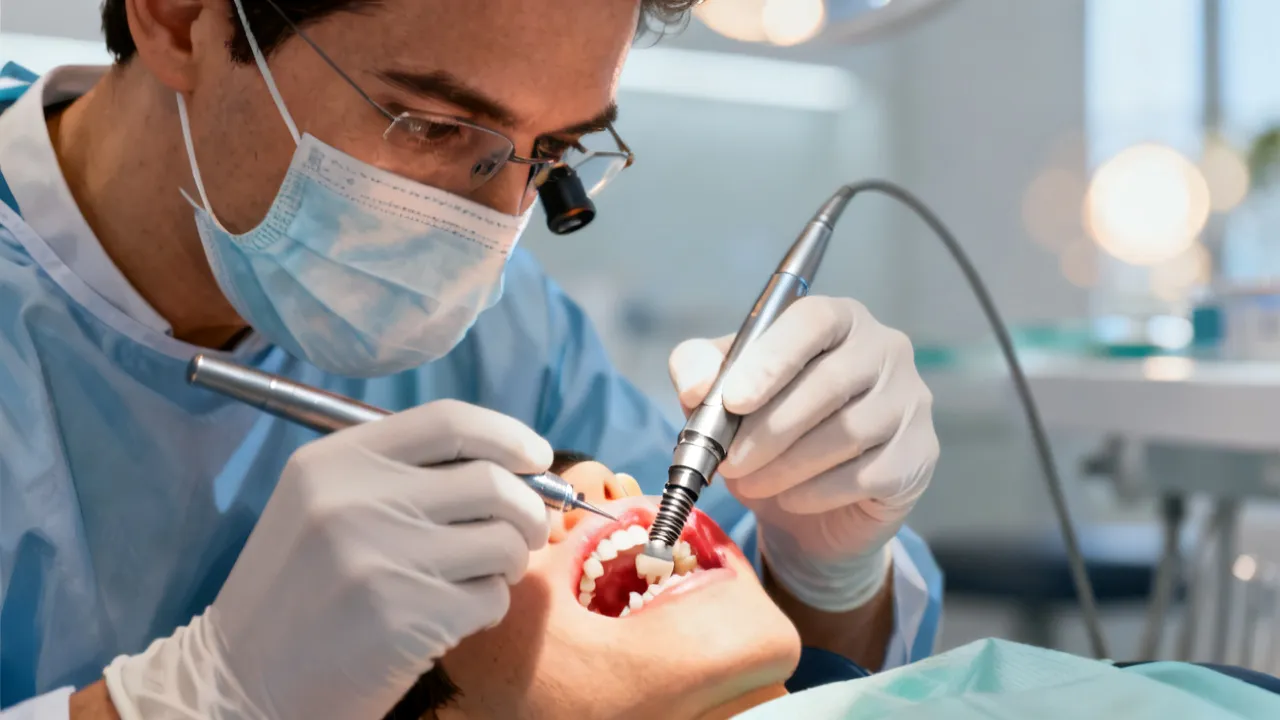
From an industry perspective, the central question is not whether a minimally invasive veneer is inherently good or bad. The question is whether the procedure is appropriate for the patient’s enamel, bite, gum health, tooth position, existing restorations, expectations, and long-term maintenance capacity. When the case is carefully selected, preserving natural tooth structure can be a meaningful advantage. When the case is poorly selected, the same treatment may produce sensitivity, debonding, fracture, an unnatural appearance, or the need for a more extensive restoration later.
Key Disadvantages at a Glance
| Potential disadvantage | Why it matters |
|---|---|
| Limited candidacy | Severe decay, weak enamel, gum disease, major crowding, or an unstable bite may make a thin restoration unsuitable. |
| Bonding and fracture risk | Thin ceramic or composite materials can chip, crack, or detach when exposed to bruxism, hard foods, or unfavorable bite forces. |
| Possible sensitivity | Even conservative preparation or bonding procedures may irritate the tooth, particularly when enamel is thin or dentin is exposed. |
| Maintenance requirements | Professional examinations, careful hygiene, bite protection, and eventual repair or replacement may be necessary. |
| Irreversibility in some cases | If enamel is removed, the tooth may require a restoration in the future rather than returning to its untreated state. |
| Expectation mismatch | Thin restorations cannot correct every functional or orthodontic problem, and a highly uniform smile may not look natural. |
| Cost of future maintenance | A conservative initial treatment can still require future polishing, repair, replacement, or additional treatment if the tooth changes. |
| Difficulty matching adjacent teeth | Natural teeth change with age and whitening, while restorations may retain their original shade and texture. |
1. The Treatment May Not Be Reversible
One of the most frequently discussed 미니쉬 단점 is the possibility that treatment is not completely reversible. Some minimally invasive systems emphasize little or no preparation, but the actual amount of enamel alteration varies according to tooth position, desired color change, existing restorations, material thickness, and the clinician’s technique.
Enamel does not regenerate in the same way as skin or bone. If a dentist removes enamel to create space or improve the seating of a restoration, the patient may need a veneer, crown, or another protective restoration in the future. Even when the initial procedure is conservative, repeated replacement can gradually change the tooth and surrounding gum contour.
Some patients assume that a thin restoration can simply be peeled off if they later change their mind. That may be possible in a strictly additive procedure that leaves the enamel untouched, but it cannot be assumed. Bonding agents, surface treatment, prior fillings, tooth discoloration, and the presence of prepared enamel can make removal more complicated. Removing a restoration may itself require polishing, reshaping, or placement of a new restoration.
Patients should therefore ask for a written explanation of:
- Whether enamel will be reshaped, roughened, polished, or removed;
- How much tooth structure is expected to be altered;
- Whether the proposed restoration can be removed without further treatment;
- What restoration would be recommended if the first one fails;
- Whether the clinic has documented cases involving replacement after several years;
- How the treatment plan changes if the patient later needs orthodontic treatment.
A “minimally invasive” label should describe a measurable clinical method, not simply a marketing impression. An intraoral examination, photographs, radiographs when indicated, and a bite assessment are more meaningful than a promotional phrase alone.
2. Thin Restorations Can Be Vulnerable to Bite Forces
Dental materials have improved considerably, but no veneer-type restoration is indestructible. A patient who clenches or grinds the teeth may place unusually high forces on the edges and bonding surfaces. The same concern applies to people who regularly bite fingernails, pens, ice, hard candy, plastic packaging, or other rigid objects.
Common mechanical complications may include:
- Small chips at the incisal edge;
- Cracks within the ceramic or composite;
- Partial or complete debonding;
- Wear of opposing teeth;
- Uneven contact during chewing;
- Repeated repairs that change the original appearance;
- Fracture of the underlying natural tooth.
Bruxism is not always obvious to the patient. Signs can include flattened tooth edges, jaw fatigue, morning headaches, cheek-line changes, fractured fillings, tooth sensitivity, or reports from a sleeping partner. A dentist should evaluate these signs before recommending a thin cosmetic restoration. In selected cases, a protective night guard may reduce risk, although it does not eliminate the underlying forces.
The location of the restoration also matters. Front teeth may be exposed to direct biting forces when a person tears food, bites an object, or has an edge-to-edge bite. A deep overbite can place pressure on the backs of upper front restorations. A crossbite or uneven contact may create a concentrated force on one corner. These functional relationships should be assessed before the final design is approved.
3. Sensitivity and Pulp-Related Concerns
Tooth sensitivity is another possible disadvantage. It may occur after cleaning, preparation, etching, bonding, or exposure of dentin. Cold sensitivity that gradually improves can be temporary, but persistent, spontaneous, or worsening pain requires assessment.
A cosmetic covering cannot cure an infected pulp, advanced decay, or a cracked tooth. If disease is present beneath the proposed restoration, placing a veneer over it may delay the correct diagnosis. A comprehensive examination should identify caries, old filling leakage, cracks, gum recession, and signs of pulpal inflammation before cosmetic treatment begins.
Patients should contact the treating clinic promptly if they experience:
- Pain that occurs without a stimulus;
- Prolonged pain after hot or cold drinks;
- Pain on biting or releasing a bite;
- Swelling, pus, or a persistent unpleasant taste;
- Movement or sudden separation of the restoration;
- Increasing sensitivity after an initial period of improvement.
These symptoms are not merely cosmetic inconveniences. They may indicate a problem involving the tooth, gum, bite, or restoration interface. In some situations, the restoration may need to be removed to diagnose and treat the underlying tooth properly.
4. Color and Texture Cannot Always Be Changed Easily
Patients often choose Minish-style treatment to obtain a brighter and more even smile. However, the final shade depends on the underlying tooth color, restoration thickness, cement or bonding material, lighting, surface texture, and the neighboring teeth. A very thin restoration may not fully mask a darkened tooth, a large metal-colored filling, or discoloration caused by trauma or previous root-canal treatment.
Color matching also presents a long-term issue. Natural teeth may darken with age, while ceramic restorations generally maintain their shade more consistently. Composite materials can be more susceptible to surface staining and wear. Coffee, tea, tobacco, red wine, and strongly pigmented foods may affect the appearance of some materials, although professional polishing and appropriate hygiene can help.
Whitening should be discussed before final shade selection. Natural enamel may respond to bleaching, while the restoration itself may not. If whitening is performed afterward, a mismatch can develop between the treated teeth and the restoration. An experienced dentist will plan the sequence rather than treating color and shape as separate decisions.
Texture is just as important as color. Natural enamel reflects light through a combination of translucency, surface ridges, small irregularities, and varied color zones. A restoration that is completely flat, opaque, or excessively glossy may look artificial even when its numerical shade appears correct. Patients who want a natural result should discuss translucency, surface texture, incisal effects, and whether the dentist will evaluate the smile under different lighting conditions.
5. Gum Contours and Oral Hygiene Require Attention
A restoration that extends too close to the gum margin can make cleaning difficult. Excess bonding material, an overcontoured edge, an inaccurate fit, or an irregular emergence profile may encourage plaque retention. Over time, this can contribute to gum inflammation, bleeding, recession, or an uneven gum line.
Healthy gums are a condition for predictable cosmetic treatment. Patients with active periodontal disease should generally address inflammation first. Daily brushing with a soft toothbrush, interdental cleaning, and regular professional examinations remain necessary after treatment. A cosmetic restoration does not replace oral hygiene.
Gum recession may expose the margin of a restoration and affect the appearance of the smile. It can also make a tooth sensitive. The risk depends on existing gum thickness, brushing habits, tooth position, periodontal health, and the design of the restoration. A periodontal evaluation may be appropriate when the patient has thin gums, visible recession, or a history of gum disease.
Patients should also understand that the gum tissue may change independently of the restoration. Aging, pregnancy-related inflammation, smoking, diabetes, aggressive brushing, and untreated periodontal disease can alter the gum line. A restoration that looks symmetrical immediately after placement may appear different if the gums later recede or swell.
6. Aesthetic Results Depend on Planning and Communication
Another important 미니쉬 단점 is that a technically sound restoration may still disappoint a patient whose expectations were not carefully managed. Smile design involves more than selecting the whitest available shade. The dentist and patient should discuss tooth proportions, facial symmetry, lip movement, speech, translucency, texture, and the relationship between the front teeth and the lower lip.
Overly bright or excessively uniform restorations can appear artificial. Excessive length may interfere with speech or the bite. A design that looks attractive in a static photograph may feel uncomfortable during smiling, speaking, or chewing. Trial restorations, digital previews, photographs, and mock-ups can help, but they are simulations rather than guarantees.
Patients should ask to see examples of cases with similar tooth shape, gum display, age, enamel condition, and desired level of brightness. Before-and-after images should be interpreted cautiously because lighting, camera settings, retraction, whitening, and image editing may influence what is shown.
Communication should include what the patient does not want. Some people prefer natural variation, while others want a highly symmetrical appearance. Some want only one or two teeth corrected; others want the visible smile zone treated as a group. Discussing these preferences before preparation can reduce the risk of dissatisfaction and unnecessary treatment.
7. Longevity Is Not a Lifetime Guarantee
All dental restorations have a service life influenced by material, design, bonding, oral hygiene, diet, bite forces, and professional maintenance. A clinic may provide a warranty, but warranty conditions differ. Some exclude trauma, bruxism, missed examinations, poor hygiene, or treatment performed elsewhere.
Patients should distinguish between a warranty and a clinical guarantee. A warranty may describe repair or replacement under specified conditions; it does not promise that a restoration will remain unchanged for a particular number of years. Before signing a treatment plan, request details about:
- The expected maintenance schedule;
- What constitutes a covered failure;
- Whether laboratory fees are included in a repair;
- What happens if the patient moves or changes dentist;
- How emergency visits are handled;
- Whether the warranty is valid for overseas patients;
- Whether accidental damage and nighttime grinding are excluded.
Replacement may involve more than making a new cosmetic shell. If the underlying tooth has developed decay, a crack, or significant wear, the next treatment could require a larger restoration. This is why long-term planning is important even when the initial procedure is described as conservative.
8. Minish Is Not an Alternative to Every Dental Procedure
A thin cosmetic restoration cannot replace an implant when a tooth is missing. It is also not necessarily the correct solution for a severely damaged tooth, advanced decay, extensive loss of tooth structure, serious crowding, or an unstable bite. Depending on the clinical diagnosis, alternatives may include orthodontic treatment, direct composite bonding, conventional veneers, an onlay, a crown, periodontal therapy, whitening, or an implant-supported restoration.
A responsible treatment plan begins with diagnosis rather than the product name. If a clinic proposes treating many teeth without discussing gum health, radiographs when clinically indicated, occlusion, existing fillings, or the possibility of orthodontics, the patient should obtain another professional opinion.
Orthodontics deserves special consideration. If teeth are rotated or crowded, placing restorations over them can create a visually straighter appearance without correcting the position of the roots or the bite. In some cases, limited orthodontic treatment may preserve more natural enamel and create a better foundation for later cosmetic treatment. The best option depends on treatment time, cost, dental health, and the patient’s priorities.
Minish, Veneers, Crowns, and Implants Compared
| Option | Typical purpose and principal consideration |
|---|---|
| Minish-style restoration | Cosmetic or limited structural improvement over an existing tooth; conservative preparation may be possible, but candidacy and material specifications vary. |
| Conventional veneer | Covers the visible surface of a tooth and may require controlled enamel preparation; useful for selected cosmetic cases. |
| Crown | Encircles a substantially weakened or heavily restored tooth; normally requires more reduction than a veneer. |
| Dental implant | Replaces the root of a missing tooth and supports a prosthetic tooth; involves surgery, healing, and assessment of bone and general health. |
| Orthodontic treatment | Moves teeth to improve alignment and bite rather than masking their position with restorations. |
| Direct composite bonding | Adds tooth-colored material directly to the tooth, often allowing easier repair, although staining and wear may be more noticeable over time. |
How an Expert Assesses Whether Treatment Is Appropriate
From a clinical quality perspective, assessment should follow a logical sequence. The dentist should first identify disease and function, then evaluate aesthetics. This inverted order matters because a visually attractive result cannot compensate for untreated infection, poor periodontal health, or a damaging bite.
- Medical and dental history: The clinician reviews medications, allergies, previous dental treatment, sensitivity, trauma, grinding, smoking, and prior gum disease.
- Clinical examination: Teeth, gums, bite, jaw movement, existing fillings, cracks, and facial proportions are evaluated.
- Diagnostic records: Photographs, digital scans, study models, and radiographs may be used when indicated by the examination.
- Risk classification: The dentist considers caries risk, periodontal risk, bruxism, enamel availability, hygiene, and the patient’s ability to attend follow-up appointments.
- Alternative planning: Less invasive, orthodontic, restorative, or preventive options are compared.
- Informed consent: The patient receives information about material, preparation, expected limitations, costs, repairs, and possible complications.
Patients should be cautious of treatment plans based solely on a short consultation, a social-media photograph, or a promise of a uniform smile without an examination. The number of teeth proposed for treatment should be justified by function and aesthetics rather than by a fixed package.
A thorough assessment may also include a discussion of facial growth, previous orthodontic treatment, lip posture, pronunciation, and the patient’s ability to clean around the planned margins. These details may seem unrelated to a veneer-type restoration, but they affect comfort, appearance, and the likelihood of long-term satisfaction.
How to Reduce the Risks Associated With 미니쉬 단점
The disadvantages cannot be removed entirely, but several steps may improve predictability.
Choose a clinician with relevant training
Look for a licensed dentist who routinely performs adhesive and cosmetic restorations and can explain the material system in plain language. Ask whether the laboratory technician is involved in shade, translucency, and contour planning. The provider should be willing to discuss cases that required repair, not only successful examples.
Confirm the material and laboratory process
“Ceramic,” “porcelain,” “composite,” and hybrid materials have different properties. Ask for the exact material name, fabrication method, thickness range, bonding protocol, and repair options. A patient should receive this information in the treatment record.
Address bruxism and gum disease first
Uncontrolled grinding and active periodontal inflammation can compromise both appearance and durability. A bite evaluation, hygiene therapy, periodontal treatment, or protective appliance may need to come before cosmetic restoration.
Use a staged plan when appropriate
Rather than treating every visible tooth at once, some patients may benefit from a diagnostic mock-up or a limited trial. Staging can reveal issues involving speech, length, color, or chewing before a larger commitment is made.
Maintain realistic expectations
The purpose of treatment should be defined in measurable terms. “A brighter smile” is less precise than “moderately lightened teeth with visible natural translucency.” Discuss what the restoration will not correct, including tooth movement, deep discoloration, gum asymmetry, and functional problems.
Plan for maintenance from the beginning
Ask how the restoration will be professionally polished, whether a night guard is recommended, and which toothpaste or cleaning tools are appropriate. Maintaining a regular recall schedule allows the dentist to identify marginal staining, gum inflammation, small chips, or bite changes before they become major complications.
When Dental Implants Are the More Relevant Treatment
Dental implants are considered when a tooth is missing or cannot be predictably restored. The process typically involves examination, treatment planning, possible extraction, implant placement, healing, and attachment of the final prosthetic tooth. Bone volume, gum health, systemic conditions, smoking, medications, and oral hygiene can influence eligibility and timing.
An implant is not automatically the most suitable option. A conventional bridge, removable partial denture, or carefully planned preservation of a restorable tooth may also be considered. The decision should reflect the condition of adjacent teeth, the patient’s preferences, surgical tolerance, time available for treatment, and long-term maintenance needs.
Patients comparing a Minish restoration with an implant should first clarify the underlying problem:
- If the natural tooth is present and structurally healthy, a conservative cosmetic restoration may be considered.
- If the tooth is absent, a veneer-type restoration cannot replace the root or provide a complete tooth replacement.
- If the tooth is badly damaged, the choice may involve endodontic treatment, a crown, extraction, or an implant-supported solution.
- If the main problem is crowding, orthodontic treatment may preserve more natural tooth structure than cosmetic reshaping.
- If the tooth is discolored but healthy, whitening or internal bleaching may be less invasive than covering it.
How to Obtain Dental Implants at Lower Cost in English-Speaking Countries
Lower cost does not mean selecting the lowest advertised figure. A safer approach is to compare the total treatment pathway, the clinician’s qualifications, the implant system, follow-up arrangements, and the management of complications. The following process can help patients evaluate options in English-speaking markets such as the United States, the United Kingdom, Australia, and Canada.
- Obtain a complete diagnosis locally: Ask for a written treatment plan, relevant imaging, periodontal findings, and a description of whether bone grafting or extraction is needed.
- Request itemized estimates: Separate consultation, imaging, extraction, grafting, implant fixture, abutment, temporary tooth, final crown, sedation, and follow-up costs.
- Compare several licensed providers: Check professional registration, specialist credentials, infection-control information, and patient communication standards.
- Ask about insurance or dental plans: Some plans may contribute toward portions of the treatment, although coverage exclusions, waiting periods, annual limits, and missing-tooth clauses are common.
- Consider accredited teaching clinics: Dental schools or supervised postgraduate clinics may have lower professional fees, but appointments can take longer and case acceptance may be selective.
- Review payment arrangements: A staged payment plan may improve affordability without changing the clinical sequence. Read interest, cancellation, and refund terms carefully.
- Do not remove necessary components: Omitting imaging, sterilization, a correctly designed crown, or follow-up care can create larger expenses later.
- Plan maintenance: Include examinations, hygiene visits, radiographic review when indicated, and replacement of the crown or protective appliance in the long-term budget.
Patients should also determine who will provide care if the implant fails after they return home. A local dentist may be willing to manage an emergency but may not have access to the same implant components or warranty arrangements. Obtaining the implant brand, model, diameter, length, and laboratory records is essential for future care.
How to Obtain Dental Implants at Lower Cost in Spanish-Speaking Countries
Patients considering Spanish-speaking markets, including Spain, Mexico, Chile, Colombia, Peru, and Argentina, should compare the complete package rather than focusing only on the implant fixture. Currency changes, imported materials, laboratory fees, and regional differences can influence the final bill.
- Use a local consultation before travel: A nearby dentist can identify whether an implant is needed and can sometimes provide records for a second opinion.
- Verify professional authorization: Confirm that the dentist or oral surgeon is licensed in the relevant jurisdiction and that the clinic is legally authorized to perform implant surgery.
- Request bilingual documentation when necessary: The treatment plan should identify the implant manufacturer, model, dimensions, crown material, and dates of surgery.
- Ask whether the quoted amount includes the prosthesis: Some advertisements describe only the surgical implant and exclude the abutment and final crown.
- Check the timing of follow-up: Implant treatment may require several visits over a healing period. A short trip may not allow adequate evaluation of complications.
- Clarify emergency responsibilities: Determine who will treat infection, implant mobility, nerve symptoms, or crown fracture after the patient returns home.
- Evaluate travel costs: Transport, accommodation, translation, time away from work, and repeat travel can offset a lower clinic fee.
- Avoid pressure-based decisions: A time-limited travel package should not replace diagnosis, informed consent, or a second opinion.
Dental tourism can be appropriate for some patients, but continuity of care is a central concern. A lower initial price may become less economical if the patient needs urgent local treatment or cannot obtain implant records.
How to Obtain Dental Implants at Lower Cost in Portuguese-Speaking Countries
In Portuguese-speaking markets such as Brazil and Portugal, patients may compare private clinics, dental plans, university clinics, and staged treatment options. Brazilian cities often have a broad range of private dental providers, while Portugal may be attractive to patients seeking treatment within a European healthcare and regulatory environment. Prices and availability vary substantially by location and complexity.
- Compare treatment plans from multiple clinics: Ask each provider to describe the same clinical scope, including imaging, surgery, implant components, and final restoration.
- Check the dentist’s registration: In Brazil, patients may verify professional registration through the relevant regional dental council; in Portugal, they should verify professional status through the appropriate professional authority.
- Ask about implant brands and replacement availability: Widely supported systems may make future maintenance easier, particularly if the patient relocates.
- Explore university or supervised clinic care: These settings may have lower fees but can involve longer waiting periods and strict eligibility requirements.
- Review dental plan limitations: Plans may cover examinations or basic procedures while excluding implant surgery, grafting, or premium prosthetic materials.
- Keep copies of all records: Obtain implant passports, radiographs, laboratory prescriptions, invoices, and the final crown information.
- Budget for preventive care: Professional cleaning and routine reviews support the long-term health of the implant and neighboring teeth.
Individual Dental Implant Price Ranges by Language Market
The following figures are reference ranges for one individual dental implant. They should not be interpreted as a universal quotation. “Individual implant” may mean the complete replacement of one tooth in some estimates, but in other advertisements it may refer only to the implant fixture. Patients should ask whether the abutment, crown, extraction, grafting, diagnostic imaging, sedation, and follow-up are included.
| Country and language market | Currency | Reference price range for one individual implant |
|---|---|---|
| United States, English-speaking | USD | $3,000–$6,000 |
| United Kingdom, English-speaking | GBP | £2,000–£2,500 |
| Australia, English-speaking | AUD | AU$3,500–AU$6,500 |
| Canada, English-speaking | CAD | CA$3,000–CA$5,500 |
| Spain, Spanish-speaking | EUR | €1,500–€2,500 |
| Chile, Spanish-speaking | CLP | CLP$800,000–CLP$1,500,000 |
| Mexico, Spanish-speaking | MXN | $15,000–$25,000 MXN |
| Colombia, Spanish-speaking | COP | $2,000,000–$4,000,000 COP |
| Peru, Spanish-speaking | PEN | S/ 3,000–S/ 6,000 |
| Argentina, Spanish-speaking | ARS | $80,000–$150,000 ARS |
| Brazil, Portuguese-speaking | BRL | R$3,000–R$8,000 |
| Portugal, Portuguese-speaking | EUR | €1,000–€2,000 |
| Germany, German-speaking | EUR | €2,000–€3,500 |
| France, French-speaking | EUR | €1,500–€2,500 |
| Italy, Italian-speaking | EUR | €1,500–€3,000 |
| Japan, Japanese-speaking | JPY | ¥300,000–¥700,000 |
These ranges are useful for initial comparison, but exchange rates and local purchasing conditions can change. A patient should never select a clinic solely because its figure appears at the lower end of a broad international range. The estimate should identify whether the price represents surgery alone or a complete tooth replacement.
Websites Providing Dental Implant and Cost Information
The following resources represent different types of dental-information providers. Some are clinic websites, some provide insurance or plan information, and one focuses on dental travel. They can help patients formulate questions, but online information cannot replace an examination or a personalized treatment plan.
| Website or organization | Information focus and useful feature |
|---|---|
| Dental Views | Discusses lower-cost dental implants, treatment types, costs, the implant process, and common patient questions. |
| Atlantic Dental Group | Clinic-based information covering general dentistry, implants, orthodontics, cleaning, and emergency dental care. |
| DentaVacation | Explains dental tourism, international treatment comparisons, travel planning, and overseas dental-care considerations. |
| American Dental Health Plans | Provides information about dental coverage, plan options, enrollment, and ways insurance may affect treatment expenses. |
| Rockville Dental Arts | Spanish-language clinic information covering implants, whitening, cleaning, orthodontics, and emergency care. |
| Union City Mini Dental Implants | Spanish-language information focused on mini dental implant services and potential applications for selected missing-tooth cases. |
| Cigna Dental Implant Guide | Spanish-language educational material explaining general implant concepts and treatment considerations from an insurance-information perspective. |
| Rubi Odonto | Portuguese-language clinic information from Brazil covering orthodontics, whitening, implants, and other dental services. |
| Odontologia Velasco | Portuguese-language information about implants, prostheses, aesthetic dentistry, and technology used in clinical care. |
| DentalVidas | Portuguese-language information about dental plans, provider networks, emergency access, and options for individuals, families, and companies. |
source: dentalviews.com/low-cost-dental-implants
source: atlanticdentalgrp.com
source: dentavacation.com
source: rockvilledentalarts.com/es
source: unioncityminidentalimplants.com/es
source: cigna.com/es-us/knowledge-center/guide-to-dental-implants
source: rubiodonto.com.br
source: odontologiavelasco.com.br
source: dentalvidas.com.br
How to Compare Dental Websites Objectively
Dental websites can be useful for learning terminology, but they are not all written for the same purpose. A clinic website naturally presents the services offered by that clinic. A dental-tourism website may emphasize travel coordination and international affordability. An insurance or dental-plan website focuses on coverage and network information. These different objectives should be considered when evaluating claims.
Use the following checklist:
- Does the website identify the responsible clinic, dentist, or organization?
- Does it explain what is included in the quoted price?
- Does it distinguish a dental implant fixture from a complete implant-supported tooth?
- Does it discuss risks, maintenance, and the possibility of additional procedures?
- Are professional credentials and regulatory information available?
- Is the content educational, promotional, or both?
- Does the site explain how complaints and complications are managed?
- Are dates, limitations, and regional conditions stated clearly?
An objective comparison should include quality and continuity of care, not simply the advertised fee. A provider with transparent communication and a complete treatment plan may be more economical over time than a provider offering a lower initial figure but excluding essential components.
Questions to Ask Before Minish-Style Cosmetic Treatment
- What exactly does the term Minish mean at this clinic?
- Which material will be used, and where will it be fabricated?
- Will any enamel be removed?
- How will my bite and jaw movement be assessed?
- Do I show signs of grinding or clenching?
- Will the proposed treatment address an underlying disease or only cover its visible signs?
- How will the color be selected if I am considering whitening?
- What happens if a restoration chips, loosens, or causes sensitivity?
- How often will I need reviews and professional cleaning?
- What is the total price, including diagnostic records and future adjustments?
- Would orthodontics, bonding, a conventional veneer, or another option preserve more tooth structure?
- Can I receive a written treatment plan and a second opinion?
- Will the restoration affect speech, flossing, or the way my teeth contact?
- How will the clinic handle a shade or shape change that I do not approve during the trial stage?
Questions to Ask Before Dental Implant Treatment
- Is the tooth definitely non-restorable, or are alternatives available?
- Does the estimate include the implant, abutment, crown, temporary tooth, and laboratory work?
- Will extraction or bone grafting be required?
- Which implant manufacturer and model will be used?
- Who will perform the surgery and who will provide the final crown?
- What healing time is expected before the final restoration?
- What risks apply to my medical history, medications, smoking status, or gum health?
- What follow-up care is included?
- How are complications managed if I return to another region?
- What records will I receive after treatment?
- What happens if the implant does not integrate with the bone?
- Will a temporary tooth be provided during the healing period?
- Which parts of the treatment are covered by insurance or a warranty?
Frequently Asked Questions
Is Minish the same as a dental implant?
No. A Minish-style restoration is generally a cosmetic or restorative covering placed on an existing tooth. A dental implant replaces the root of a missing tooth and supports a prosthetic tooth. The two treatments address different clinical problems.
What is the biggest 미니쉬 단점?
The most significant concern is limited suitability. A thin restoration may not withstand severe bite forces or conceal substantial disease and structural damage. The treatment may also become irreversible if enamel is removed. A clinical examination is necessary to determine whether these risks apply.
Can Minish restorations damage natural teeth?
Potential harm depends on preparation, bonding, fit, hygiene, bite forces, and the health of the tooth before treatment. Poorly fitting or overcontoured restorations may contribute to plaque retention, gum inflammation, sensitivity, or decay. Proper diagnosis and maintenance reduce but do not eliminate these risks.
Do Minish restorations last permanently?
No dental restoration should be described as permanent in an absolute sense. Longevity varies with material, bite, oral hygiene, diet, trauma, and professional care. Ask the dentist about expected maintenance and the conditions of any warranty.
Are thin restorations suitable for people who grind their teeth?
They may be less predictable when grinding or clenching is uncontrolled. The dentist should assess the bite and discuss behavioral measures, treatment of contributing factors, and a protective night guard when appropriate.
Can a veneer-type restoration replace a missing tooth?
No. A veneer or Minish-style restoration attaches to a tooth that remains. A missing tooth may require an implant-supported crown, bridge, or removable prosthesis, depending on the patient’s circumstances.
Is the lowest implant quote usually the best value?
Not necessarily. A low quote may exclude the crown, abutment, imaging, grafting, temporary tooth, or follow-up care. Compare itemized total costs and the provider’s qualifications before making a decision.
Can dental tourism lower implant expenses?
It may reduce the clinic fee in some cases, but travel, accommodation, translation, repeat visits, and treatment of complications must be included in the calculation. Continuity of care is particularly important when surgery and final prosthetic treatment occur in different locations.
Should I obtain a second opinion?
A second opinion is sensible when many teeth are proposed for cosmetic treatment, when the procedure may be irreversible, when surgery is recommended, or when the diagnosis and fee are unclear. Bring radiographs and written records so the second dentist can assess the same information.
How can I verify whether a dental clinic is reliable?
Confirm professional registration, clinic authorization, infection-control procedures, written consent, emergency arrangements, and transparent pricing. Independent professional directories and regulatory bodies may provide more reliable credential information than testimonials alone.
Can a restoration be placed over a cavity?
A restoration should not be used to hide untreated decay. The tooth must be examined and any disease treated before cosmetic coverage is considered. Otherwise, decay may continue beneath the restoration and become more difficult to detect.
Does a minimally invasive procedure always mean no drilling?
No. “Minimally invasive” does not necessarily mean completely preparation-free. Some cases require enamel reshaping, surface modification, or removal of old restorative material. Ask the dentist to explain the planned preparation and whether it will be visible in the treatment records.
Practical Decision Framework
A patient can organize the decision into four questions:
- What problem is being treated? Is it discoloration, shape, alignment, decay, a cracked tooth, or tooth loss?
- What natural structure can be preserved? Compare conservative treatment with orthodontic or restorative alternatives.
- What risks are specific to the patient? Consider gum disease, enamel thickness, bruxism, systemic health, medications, and hygiene.
- What is the complete long-term cost? Include diagnosis, treatment, maintenance, repair, replacement, and travel where relevant.
It is also useful to separate urgent dental needs from elective aesthetic goals. Pain, infection, swelling, loose teeth, or active gum disease should receive priority. Cosmetic treatment can usually be planned after the mouth is stable. This sequence often protects both the natural teeth and the eventual appearance.
This framework helps separate the appeal of a new treatment name from the clinical principles that determine success. The term 미니쉬 단점 should prompt careful questions, not an automatic rejection or endorsement. The same applies to low-cost implant advertisements: affordability is meaningful only when safety, quality, and continuity remain acceptable.
Conclusion
Minish-style restorations may offer a conservative approach for carefully selected cosmetic cases, but they have limitations. Possible 미니쉬 단점 include incomplete reversibility, sensitivity, fracture or debonding, color mismatch, gum-maintenance demands, bite-related complications, and the need for future replacement. These concerns become more important when a patient has active dental disease, thin enamel, extensive crowding, or bruxism.
Dental implants belong to a different category of treatment and should be evaluated as tooth-replacement procedures. International price comparisons can help patients begin their research, but a complete, itemized treatment plan is more valuable than a headline figure. Whether treatment is planned in an English-, Spanish-, Portuguese-, German-, French-, Italian-, or Japanese-speaking market, patients should verify credentials, clarify materials and inclusions, obtain appropriate imaging, understand follow-up arrangements, and seek an independent opinion when the decision is extensive or irreversible.
The safest choice is not always the newest, fastest, or least expensive option. It is the option that matches the diagnosis, preserves appropriate natural tooth structure, supports healthy gums, accommodates the patient’s bite, and includes a realistic maintenance plan. A careful consultation allows the patient to weigh appearance, function, durability, cost, and future treatment before consenting to care.
Disclaimer
1. The information above is compiled from online resources, and the data is as of October 2023.
2. Dental implant prices are for reference only and may vary according to region, clinic, dentist, materials, treatment complexity, exchange rates, insurance arrangements, and the need for additional procedures. This article is educational and does not replace an examination, diagnosis, or individualized advice from a licensed dental professional.