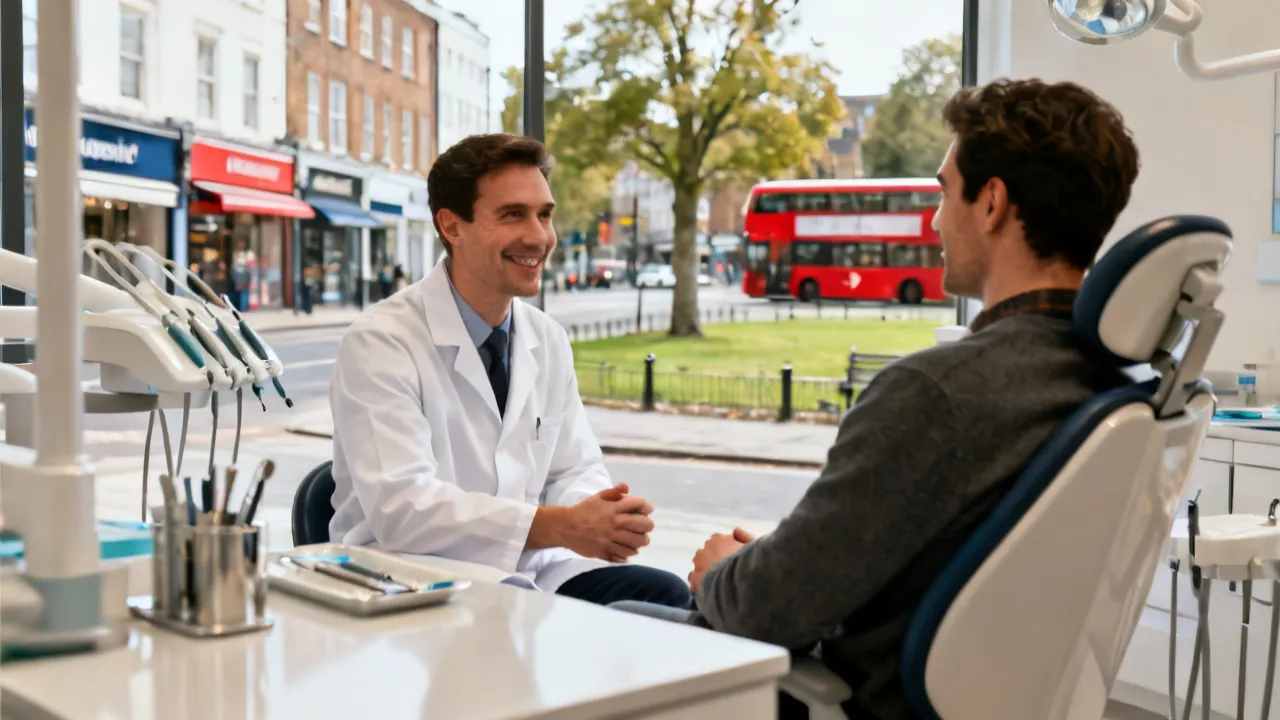
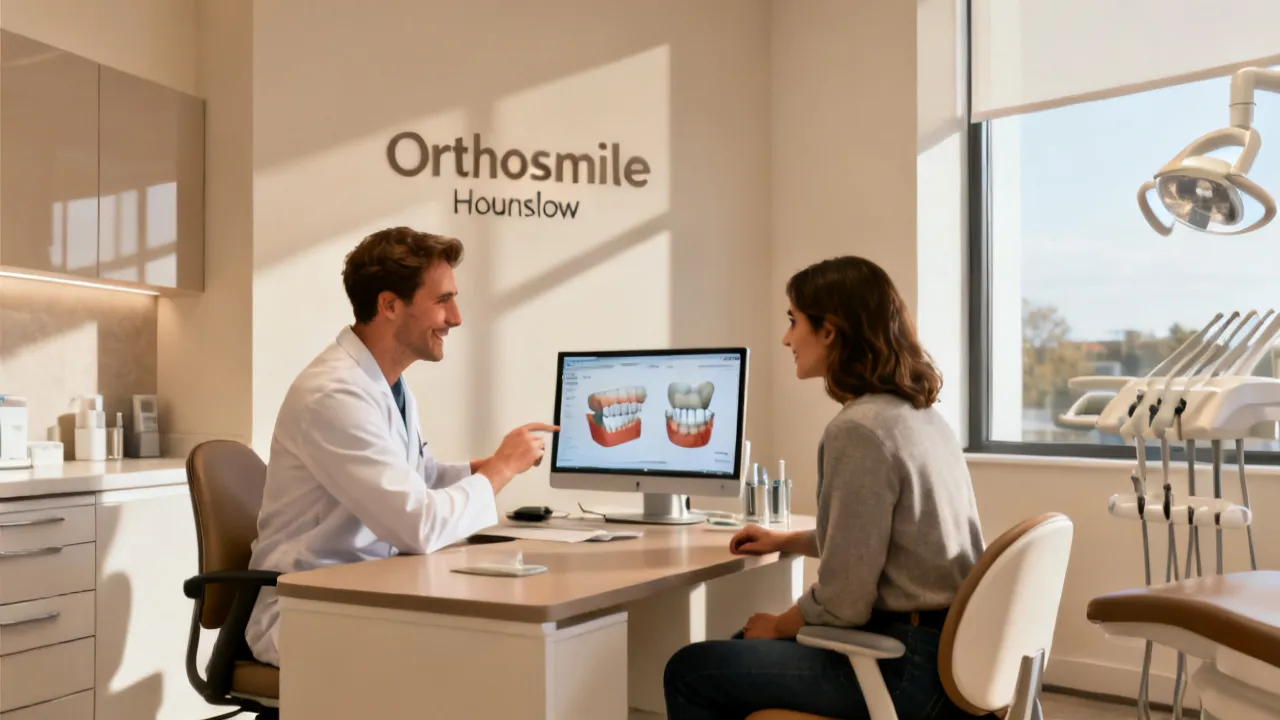
Scaling Necessity and Affordable Dental Implants
This guide explains the 스케일링 필요성, or the necessity of professional dental scaling, and shows how preventive care can support long-term oral health before implant treatment. It also examines practical ways to reduce dental implant expenses, compares reputable online information sources, and presents reference price ranges across selected English-, Spanish-, Portuguese-, German-, French-, Italian-, and Japanese-speaking markets. Prices vary according to clinical complexity, materials, location, and professional expertise.

Key Findings at a Glance
The 스케일링 필요성—translated as the necessity of dental scaling—should be understood as part of preventive oral care, not as a cosmetic procedure alone. Professional scaling removes hardened deposits that ordinary brushing and flossing cannot reliably eliminate. This can help reduce inflammation, support periodontal assessment, and improve the condition of the mouth before restorative treatment such as a dental implant.
For people considering an implant, the most important cost-saving principle is not simply finding the lowest advertised price. It is choosing a properly qualified dental team, treating active gum disease, confirming the complete treatment plan, and comparing written quotations on an equivalent basis. A low initial figure may exclude imaging, extraction, bone grafting, the abutment, the crown, sedation, follow-up appointments, or treatment of complications.
- Scaling is usually recommended according to individual oral-health risk, rather than on one identical schedule for every patient.
- Implant treatment should begin with a clinical examination and appropriate imaging.
- Healthy gums and adequate bone are important conditions for predictable implant care.
- Dental tourism can lower the quoted treatment fee in some markets, but travel, continuity of care, and complication management must be evaluated.
- Price ranges in this article are reference figures for one individual implant and should not be treated as formal quotations.
- A complete implant estimate should distinguish the implant fixture from the abutment, crown, surgery, diagnostics, and maintenance.
- Preventive care after treatment is as important as preparation before surgery.
What Is Dental Scaling?
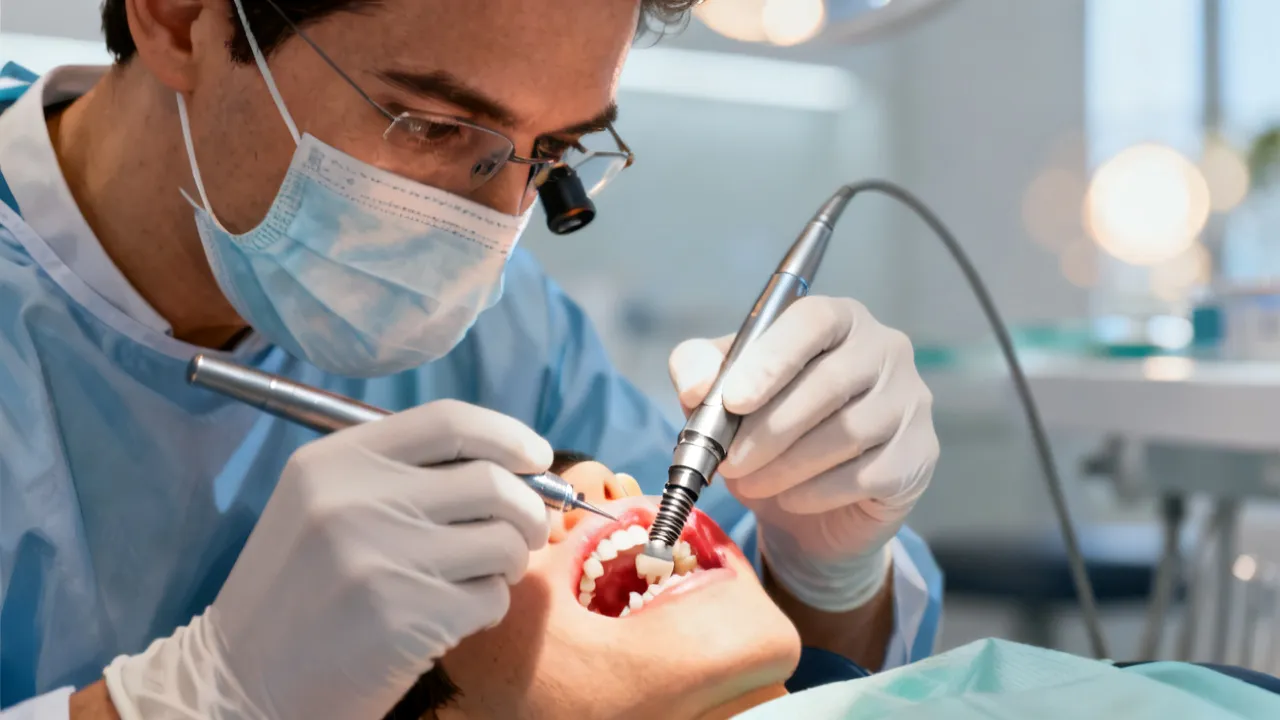
Dental scaling is the professional removal of plaque, calculus, and other deposits from tooth surfaces. Plaque is a soft bacterial biofilm that develops continuously. If it is not removed effectively, minerals in saliva can harden it into calculus, also called tartar. Once calculus has formed, a toothbrush cannot remove it completely. A dental professional uses appropriate instruments, which may be manual, ultrasonic, or a combination of both, to clean accessible and, when necessary, deeper areas around the teeth.
Scaling is often combined with polishing, although polishing does not replace scaling. Polishing can remove certain surface stains and smooth some residual deposits, while scaling addresses mineralized accumulation. If inflammation or periodontal pockets are present, a dentist or dental hygienist may recommend periodontal debridement or scaling and root planing. The exact procedure depends on the depth of the deposits, gum condition, bleeding, bone support, sensitivity, and the patient’s general health.
The purpose is not to make every patient undergo the same treatment. Rather, the clinician assesses the mouth and selects the least extensive procedure that can safely address the problem. Patients with braces, implants, diabetes, a history of periodontitis, dry mouth, tobacco exposure, or reduced ability to clean between teeth may require closer monitoring than people at lower risk.
Professional scaling may be performed with hand instruments, ultrasonic devices, or specialized equipment selected for a particular clinical situation. Ultrasonic instruments use vibration and water irrigation to disrupt deposits, while hand instruments allow the clinician to refine areas that require more controlled access. Patients may notice vibration, water, pressure, or mild sensitivity during the appointment. These sensations are common, but the provider should be informed if discomfort becomes difficult to tolerate.
Why Brushing Alone May Not Be Enough
Brushing twice daily with fluoride toothpaste is a central part of oral hygiene, but it does not necessarily remove all deposits. Common problem areas include the lower front teeth, the inside surfaces of molars, the contact points between teeth, and locations near crowns, bridges, orthodontic appliances, or implants. Floss, interdental brushes, and water-flossing devices may improve daily plaque control, yet hardened calculus still requires professional removal.
Patients sometimes interpret bleeding during brushing as a reason to avoid cleaning the area. In many cases, bleeding is a sign of inflammation rather than evidence that brushing should stop. However, persistent or heavy bleeding should be assessed by a dentist because it may indicate periodontal disease or another condition. A gentle brush, careful technique, and daily cleaning between teeth are generally more helpful than abandoning the area entirely.
Some deposits form below the gumline, where they cannot be seen easily in a mirror. They may contribute to pocket formation and chronic inflammation. A routine cleaning may be sufficient for limited deposits, but deeper deposits can require several appointments or a more advanced periodontal procedure. Patients should ask what type of cleaning is being recommended and why, rather than assuming that every cleaning appointment involves the same level of treatment.
Understanding the 스케일링 필요성
The 스케일링 필요성 is closely connected to the progression of gum disease. In the early stage, plaque-associated inflammation may cause red, swollen, or bleeding gums. This condition is commonly called gingivitis. When contributing factors are addressed, gingivitis may improve because the tissues have not yet experienced the same level of irreversible support loss associated with advanced periodontal disease.
If inflammation persists, bacteria and inflammatory products can affect the tissues and bone supporting the teeth. Periodontitis may develop, leading to pocket formation, gum recession, tooth mobility, and eventual tooth loss. Scaling cannot reverse every form of damage, but it can help remove bacterial deposits and allow the dental team to evaluate whether additional periodontal treatment is needed.
Scaling also has an important diagnostic role. During a cleaning appointment, the clinician may notice bleeding patterns, pocket depths, recession, defective restorations, tooth mobility, suspicious lesions, or areas that the patient cannot clean effectively. In this sense, the value of scaling extends beyond the immediate removal of deposits. It creates an opportunity to monitor changes over time.
The need for scaling may be especially relevant when a patient has a missing tooth and is considering an implant. A missing tooth does not isolate the implant area from the rest of the mouth. Bacteria and inflammation around neighboring teeth can affect oral hygiene, chewing patterns, and the long-term maintenance of the implant restoration. Treating the mouth as a connected system is generally more useful than focusing only on the empty space.
Signs That May Justify a Professional Assessment
People should consider arranging a dental examination if they notice gums that bleed repeatedly, persistent bad breath, gum swelling, recession, pus near a tooth, loose teeth, increasing sensitivity, or a change in the way the teeth meet. None of these signs establishes a diagnosis by itself, but each may justify professional evaluation. Some gum conditions cause little pain, so the absence of pain does not necessarily mean that the gums are healthy.
Calculus may appear yellow, brown, or darker depending on location, tobacco exposure, food stains, and the age of the deposit. Visible tartar is not the only reason for scaling, and a lack of visible tartar does not prove that no professional cleaning is needed. Periodontal measurements, radiographs, and the clinician’s examination may reveal problems that cannot be judged from appearance alone.
How Often Is Scaling Needed?
There is no universally correct interval for every adult. A person with healthy gums and effective home care may need routine preventive examinations and cleaning according to the schedule recommended by the dental team. A patient with a history of periodontitis may need periodontal maintenance at shorter intervals. The decision should consider clinical findings rather than a marketing package or a fixed calendar promise.
Factors that can influence the recommended interval include:
- Previous or current periodontal disease
- Amount and speed of calculus accumulation
- Bleeding, pocket depth, recession, and bone loss
- Smoking or other tobacco use
- Diabetes and other systemic conditions
- Pregnancy-related gum changes
- Orthodontic appliances or complex restorations
- Dry mouth caused by medication or medical conditions
- Manual dexterity and ability to use interdental cleaning tools
- Presence of dental implants or a history of implant complications
- Dietary patterns, frequent snacking, and sugary or acidic drinks
- Access to dental care and the patient’s ability to attend maintenance visits
Scaling is not a substitute for daily oral hygiene. It is one element of a continuing care plan that normally includes examination, home-care instruction, risk assessment, and follow-up. A recommendation for more frequent visits is not necessarily a sign that the earlier cleaning failed. It may reflect a higher risk profile or the need to monitor disease more closely.
Conversely, a patient should be cautious about an automatic recommendation for extensive cleaning without an explanation of the findings. The clinician should be able to describe where deposits are located, whether pockets or bone loss are present, and how the proposed procedure differs from a routine preventive appointment.
Scaling Before Dental Implant Treatment
Dental implants are placed into the jawbone to support a crown, bridge, or denture. Although implant materials are different from natural teeth, the surrounding tissues can still develop inflammation. Peri-implant mucositis affects soft tissue around an implant, while peri-implantitis may involve progressive loss of supporting bone. Bacterial plaque control is therefore relevant before and after implant placement.
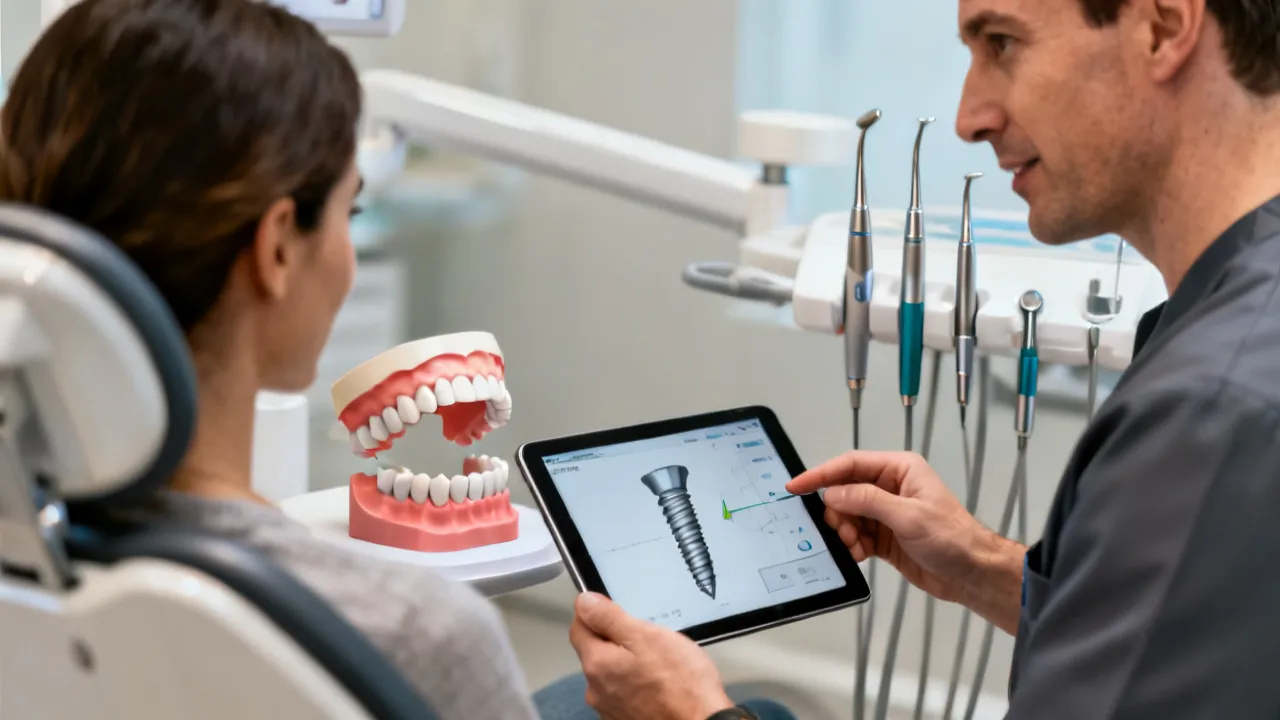
Before recommending an implant, a clinician should assess the condition of the remaining teeth and gums. Active periodontal disease may increase the biological risk around an implant and can also compromise neighboring natural teeth. Scaling or more advanced periodontal treatment may be needed before surgery. This does not mean that scaling alone guarantees implant success. It means that controlling infection and inflammation is a sensible part of preparing the oral environment.
A comprehensive implant evaluation may include:
- A medical and dental history, including medications and allergies
- Examination of the missing-tooth area and adjacent teeth
- Assessment of gum health, tooth mobility, and oral hygiene
- Two-dimensional or three-dimensional imaging when clinically justified
- Evaluation of bone volume and the relationship to anatomical structures
- Review of bite, spacing, tooth position, and aesthetic expectations
- Discussion of extraction, bone grafting, temporary teeth, and healing time
- A written estimate that identifies each component of the treatment
- Consideration of whether a removable or fixed non-implant alternative may be appropriate
The timing of scaling may vary. Some patients receive a routine cleaning before implant planning, while others need periodontal treatment before any surgical decision is made. If an extraction is required, the clinician may coordinate cleaning with the extraction and healing process. The important point is that the sequence should be based on the condition of the mouth rather than on a generic package schedule.
Why Gum Health Matters Around Implants
Natural teeth have periodontal tissues that attach to and support the tooth. Implants have a different connection with the surrounding soft tissue and bone. This difference does not make implants immune to bacterial inflammation. Plaque around an implant crown can irritate the gum, and persistent inflammation may eventually affect the bone supporting the implant.
Patients who have previously experienced periodontitis may require particular attention because the factors that affected natural teeth can also complicate implant maintenance. Smoking, uncontrolled diabetes, inadequate oral hygiene, and irregular dental attendance may further increase risk. These factors do not always make implant treatment impossible, but they should be discussed openly and managed where possible.
A patient should also understand that the implant replaces a missing tooth but does not restore the natural tooth’s ability to respond to pressure or infection in exactly the same way. An implant may not hurt when a problem first develops, so professional monitoring can be valuable even when the patient feels comfortable.
Dental Implant Costs: What the Quoted Price May Include
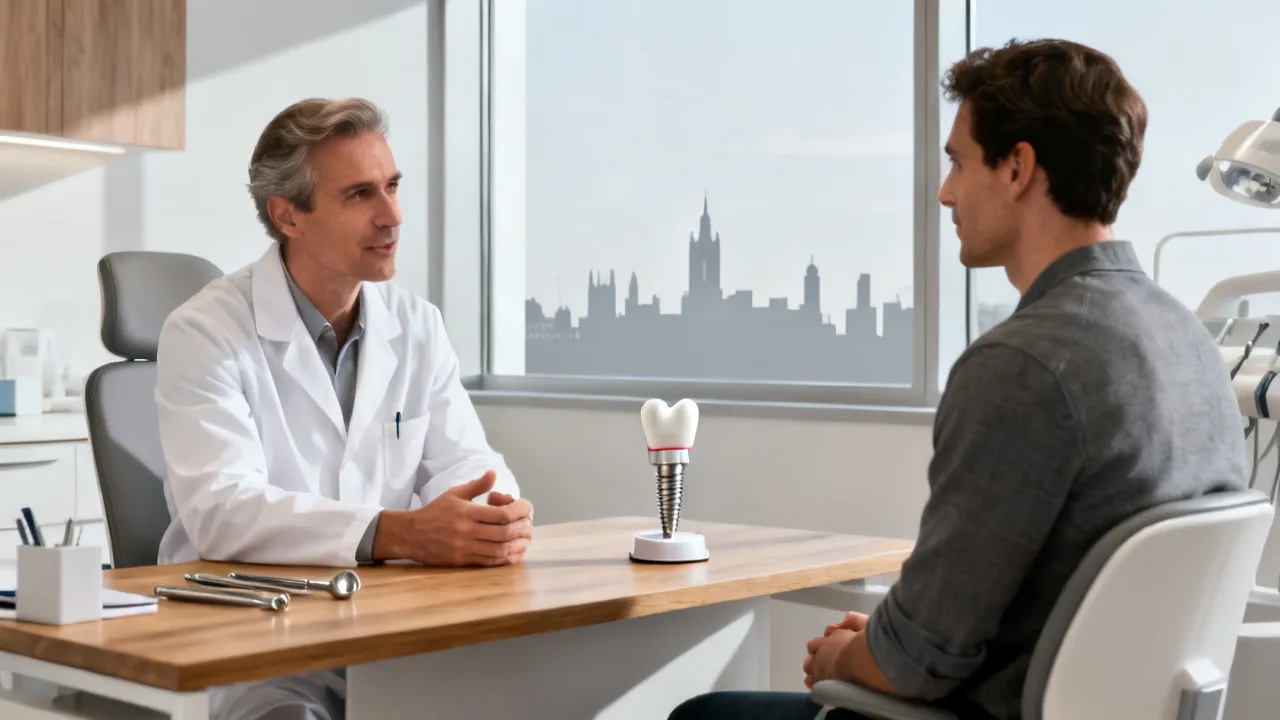
The phrase “one dental implant” can describe different parts of treatment. In everyday conversation, it may refer to the complete replacement of one tooth. In a quotation, however, it may refer only to the implant fixture placed into bone. The abutment connects the fixture to the crown, and the crown is the visible tooth-shaped restoration. These components may be supplied by different laboratories or manufacturers.
Patients should ask whether the quotation includes:
| Cost component | Questions to ask the clinic |
|---|---|
| Consultation and diagnosis | Are the examination, periodontal charting, and required images included? |
| Extraction | Is removal of the damaged tooth included, and is it performed before implant placement? |
| Implant fixture | Which manufacturer and model are used, and what warranty or documentation is provided? |
| Abutment | Is the connector included, or is it charged separately? |
| Crown | What material is used, and does the price cover laboratory fabrication and fitting? |
| Bone or soft-tissue procedures | What happens if grafting or tissue management is clinically required? |
| Temporary restoration | Will a temporary tooth be provided, and for how long? |
| Anesthesia or sedation | Are local anesthesia, oral sedation, or intravenous sedation included? |
| Follow-up care | Are post-operative reviews, adjustments, and maintenance appointments included? |
Comparing complete treatment plans rather than headline figures is one of the most reliable ways to avoid unexpected costs. The least expensive quotation may not remain the least expensive after necessary diagnostic or restorative elements are added. Patients should also ask whether the quote is valid for a specific period because laboratory fees, exchange rates, and treatment conditions may change.
Some clinics advertise a low implant fee to attract inquiries and then provide the full price only after an examination. This is not automatically improper, because an accurate estimate often requires imaging and clinical assessment. However, the clinic should clearly explain what the advertised figure represents and what circumstances could increase the total.
Reference Price Ranges by Market
The following figures describe reference ranges for an individual dental implant in the markets listed below. They should be read cautiously because the definition of “implant” differs between providers. Some figures may represent the implant component, while others may be closer to a broader single-tooth treatment estimate. A patient should request a complete itemized quotation in the local currency.
| Country and currency | Reference price range for one individual implant |
|---|---|
| United States — USD | $3,000–$6,000 |
| United Kingdom — GBP | £2,000–£2,500 |
| Australia — AUD | AU$3,500–AU$6,500 |
| Canada — CAD | CA$3,000–CA$5,500 |
| Spain — EUR | €1,500–€2,500 |
| Chile — CLP | CLP$800,000–CLP$1,500,000 |
| Mexico — MXN | $15,000–$25,000 MXN |
| Colombia — COP | $2,000,000–$4,000,000 COP |
| Peru — PEN | S/ 3,000–S/ 6,000 |
| Argentina — ARS | $80,000–$150,000 ARS |
| Brazil — BRL | R$3,000–R$8,000 |
| Portugal — EUR | €1,000–€2,000 |
| Germany — EUR | €2,000–€3,500 |
| France — EUR | €1,500–€2,500 |
| Italy — EUR | €1,500–€3,000 |
| Japan — JPY | ¥300,000–¥700,000 |
Currency exchange rates change, and price comparisons across borders can be misleading. A treatment priced in one currency may become more or less expensive when converted into another currency. Patients should also account for consultation fees, accommodation, transport, insurance limitations, time away from work, and the cost of returning for a review.
Price ranges are also affected by case complexity. Replacing a front tooth may require additional attention to soft-tissue contours and appearance, while a molar may require a different crown design and bite assessment. Bone grafting, sinus-related procedures, removal of an old restoration, treatment of adjacent teeth, or management of infection can add considerably to the total. No table can accurately predict an individual patient’s final fee without an examination.
How to Obtain Dental Implants at Lower Cost
Reducing dental implant expenses should involve careful planning rather than choosing a provider solely because of a low promotional price. The following process can help patients compare options responsibly in English-, Spanish-, and Portuguese-speaking markets, as well as in other locations where implant services are available.
1. Confirm That an Implant Is Appropriate
Not every missing tooth requires the same treatment. A conventional bridge, removable partial denture, or another restorative option may be clinically suitable in some cases. An implant may offer advantages, but it also involves surgery, healing, maintenance, and financial commitments. Ask the dentist to explain the alternatives, the expected longevity of each option, and the consequences of delaying treatment.
Cost should be considered alongside function and maintenance. A bridge may have a lower initial fee but require preparation of neighboring teeth. A removable restoration may be less expensive but may feel different during chewing and require periodic adjustment. An implant may avoid preparation of adjacent teeth in some circumstances, but it involves surgery and usually has a higher initial cost. Understanding these trade-offs helps patients choose value rather than merely a low price.
2. Stabilize Oral Health Before Surgery
Complete necessary scaling, periodontal therapy, fillings, and other foundational care before implant surgery. The 스케일링 필요성 is particularly important when calculus and gum inflammation are present. Treating these problems early may reduce the chance that an implant plan will be interrupted by untreated infection or poor oral hygiene.
This preparation may feel like an additional expense, but ignoring active disease can lead to more complicated treatment later. A patient may also discover that a neighboring tooth needs care before the missing tooth is replaced. A comprehensive plan therefore prevents money from being spent on a new restoration while unresolved problems continue elsewhere in the mouth.
3. Obtain More Than One Itemized Consultation
Two or three consultations can reveal whether a proposed procedure is necessary and whether the quotation is complete. The comparison should include the same clinical elements: imaging, extraction, implant fixture, abutment, crown, grafting, temporary restoration, medications, reviews, and maintenance. A written treatment plan is more useful than a verbal estimate.
Second opinions are particularly useful when the proposed treatment includes bone grafting, multiple implants, immediate placement, sedation, or a complex aesthetic restoration. Patients should provide each dentist with the same relevant medical information and previous imaging where appropriate. A different recommendation does not automatically mean that one clinician is wrong, because implant planning can involve more than one reasonable approach. The patient should ask each provider to explain the reasoning.
4. Compare Implant Systems Carefully
Implant systems differ in design, clinical evidence, availability of replacement components, and laboratory support. The most expensive brand is not automatically the best choice for every patient, and an unknown or poorly supported system may create problems later if parts are difficult to obtain. Ask for the manufacturer, model, material, and documentation. A dentist should be able to explain why a particular system is appropriate.
Patients should be wary of vague descriptions such as “premium implant” or “international implant” without a manufacturer and model. The crown and abutment should also be documented. Keeping the implant passport, component labels, and laboratory details can be valuable if the patient moves, changes dentists, or needs maintenance years later.
5. Consider Teaching or Community Clinics
Accredited dental schools, university clinics, community dental centers, and public dental programs may provide selected procedures at lower fees than private practices. Eligibility may be restricted, treatment may take longer, and a supervised student or trainee may participate under professional oversight. Patients should ask who will perform each stage, who is responsible for complications, and whether implant services are actually available.
Teaching clinics often require several appointments and may select cases according to educational needs. This arrangement can be suitable for patients who have flexible schedules and want lower fees, but it may not be appropriate when treatment is urgent or when travel to the clinic is difficult. The patient should receive the same basic information about alternatives, risks, and aftercare as in any other setting.
6. Review Insurance and Financing Conditions
Dental plans differ substantially. Some cover diagnostic care or extractions but exclude implants, while others provide a limited contribution subject to waiting periods, annual maximums, missing-tooth clauses, or preauthorization. Ask the insurer for a written explanation of benefits rather than relying on a general statement that implants are “covered.” Financing can spread payments, but patients should examine interest, administration charges, cancellation terms, and the total amount payable.
Insurance may also distinguish between surgical placement and the final crown. A plan could contribute to one part of treatment while excluding another. Patients should ask whether a pre-existing missing tooth is covered, whether the provider must belong to a particular network, and whether treatment must be completed within a specified period. Financing should be treated as a payment method, not as evidence that the treatment itself is affordable.
7. Evaluate Dental Tourism as a Complete Project
Traveling abroad may provide access to lower quoted fees in certain markets. However, dental tourism involves medical, logistical, and legal considerations. A patient should confirm the clinician’s credentials, the clinic’s regulatory status, infection-control procedures, implant system, emergency arrangements, and follow-up policy. Travel should not be scheduled immediately after invasive surgery without adequate recovery time and a plan for care if pain, swelling, bleeding, or an implant-related concern develops.
Patients should also determine who will provide follow-up care after returning home. A local dentist may be reluctant to manage an implant placed elsewhere, especially if records, implant components, or surgical details are unavailable. The apparent saving can diminish if an additional trip is required.
Before traveling, patients should request a written treatment sequence, the expected number of visits, the time between surgical and restorative stages, and the policies for changes in treatment. They should understand what happens if the clinician discovers inadequate bone or a previously undetected infection. Travel insurance may exclude planned medical treatment or complications arising from it, so policy language should be reviewed carefully.
8. Preserve the Result Through Maintenance
After restoration, ongoing maintenance is essential. A patient should receive instructions for brushing, interdental cleaning, implant-specific tools, and professional reviews. Regular monitoring may identify inflammation around the implant before it becomes more serious. Preventive care may therefore protect the original investment over time, even though it cannot eliminate every biological or mechanical risk.
Maintenance may include examination of the gum, assessment of plaque and calculus, evaluation of the crown and bite, and radiographs when clinically justified. The exact interval depends on risk. A patient who has experienced periodontal disease may need more frequent reviews than someone with a stable, healthy mouth. Returning for maintenance is part of the treatment cost and should be included in long-term budgeting.
Comparison of Online Implant Information Sources
Online dental information can help patients prepare questions, but it cannot replace an examination. The websites below represent different types of resources: treatment information, clinic services, dental tourism, insurance education, multilingual communication, and dental plans. Their content, prices, availability, and clinical policies should be verified directly before a decision is made.
| Website or service | Information focus and comparison features |
|---|---|
| Dental Views | Discusses low-cost dental implants, treatment types, potential benefits, process information, costs, and common questions. Useful for an initial overview of affordability considerations. |
| Atlantic Dental Group | Clinic-based information covering general dentistry, cleaning, orthodontics, implants, emergency care, appointments, locations, and dental professionals. |
| DentaVacation | Dental tourism information, international treatment comparisons, travel planning, and services aimed at patients exploring treatment outside their home market. |
| ADHP | Dental plan information, coverage options, application guidance, and ways insurance may help manage dental expenses. |
| Rockville Dental Arts | Spanish-language clinic information covering implants, whitening, cleaning, orthodontics, and emergency dental services. |
| Union City Mini Dental Implants | Spanish-language information focused on mini dental implants and possible applications for selected areas of tooth loss. |
| Cigna Dental Implant Guide | Spanish-language educational material explaining general implant concepts, treatment stages, and patient considerations. |
| Rubi Odonto | Portuguese-language clinic information from Santo André, São Paulo, including orthodontics, whitening, implants, and professional dental services. |
| Odontologia Velasco | Portuguese-language information on implants, prostheses, aesthetic dentistry, and the use of contemporary dental technologies. |
| DentalVidas | Portuguese-language dental plan information for individuals, families, and companies, with network and emergency-care details. |
source: www.dentalviews.com/low-cost-dental-implants
source: www.atlanticdentalgrp.com
source: www.dentavacation.com
source: www.rockvilledentalarts.com/es
source: www.unioncityminidentalimplants.com/es
source: www.cigna.com/es-us/knowledge-center/guide-to-dental-implants
source: www.rubiodonto.com.br
source: www.odontologiavelasco.com.br
source: www.dentalvidas.com.br
How to Assess a Low-Cost Implant Provider
A lower fee can result from differences in labor costs, facility overhead, taxes, laboratory charges, local purchasing arrangements, treatment complexity, or the scope of what is included. None of these factors alone proves that a provider is unsafe or unsuitable. The relevant question is whether the clinical plan is appropriate, transparent, and supported by qualified care.
Professional Credentials
Confirm the dentist’s license through the relevant national or regional regulator. Depending on the jurisdiction, implant surgery may be performed by a general dentist with appropriate training, an oral surgeon, a periodontist, or another qualified specialist. Patients should ask about education, experience with comparable cases, continuing professional development, and the arrangements for managing medical emergencies.
It is reasonable to ask which clinician will complete each stage. One dentist may place the implant, another may restore it, and a dental technician may fabricate the crown. This team-based approach can be appropriate, but the patient should know who has overall responsibility for communication and treatment coordination.
Diagnostic Standards
A clinic should not recommend implant placement without evaluating the bone, gums, bite, and neighboring teeth. Three-dimensional imaging is not needed for every patient, but it may be clinically useful in selected cases. The dentist should explain why a particular image is recommended and how it changes the treatment plan.
Patients should be cautious if a provider offers a definitive treatment plan based only on a photograph or a brief online message. Photographs may help with an initial discussion, but they cannot measure bone volume, identify all periodontal problems, or evaluate the relationship of the proposed implant to nerves, sinuses, and adjacent roots.
Infection Control
Patients may ask how instruments are sterilized, how surgical areas are prepared, how single-use materials are handled, and how the clinic manages postoperative infection. These questions are reasonable in any market. A modern appearance alone does not establish clinical quality, and a modest-looking clinic is not automatically inadequate. Observable protocols and clear answers are more meaningful than decoration.
Laboratory and Component Traceability
Request documentation for the implant system and the laboratory producing the crown. If a crown becomes loose or a component requires replacement years later, accurate records can help another clinician provide care. Keep copies of imaging, implant labels, operative notes, prescriptions, and restoration details.
Written Consent and Aftercare
Consent should describe material risks, alternatives, expected healing, limitations, and possible additional procedures. The aftercare plan should identify whom to contact outside normal hours. A provider that avoids discussing complications or discourages questions deserves careful scrutiny.
The clinic should explain what happens if the implant fails to integrate, the crown fractures, the gum becomes inflamed, or the patient cannot attend a planned review. A warranty may cover replacement of a component, but warranties can contain conditions related to smoking, missed maintenance, trauma, or treatment by another dentist. Read the terms rather than assuming that every future problem is covered.
Scaling and Implant Maintenance at Home
Daily care is the foundation of the 스케일링 필요성. Professional treatment removes deposits, but new plaque begins forming soon afterward. Patients should follow the individualized instructions provided by their dental team. In general, this may include brushing with fluoride toothpaste, cleaning between natural teeth, and using implant-compatible tools around the crown and gum margin.
Interdental brushes can be useful when spaces are present, although the size must be appropriate. A brush that is too large may injure tissue, while one that is too small may not clean effectively. Floss may be recommended in some areas, and specialized floss or threaders may be useful around bridges and implants. Water irrigation devices can assist some patients but should not be considered a replacement for all other cleaning methods.
Patients should not use abrasive powders, sharp instruments, or unapproved chemicals to remove deposits at home. Scraping a crown or implant with household tools can damage surfaces and injure the gums. Persistent bleeding, swelling, pus, bad taste, pain, loosening, or a change in the bite should prompt professional evaluation.
Following implant placement, the dental team may provide temporary instructions that differ from routine long-term care. The patient may be asked to avoid brushing directly over a surgical site for a short period, use a prescribed rinse, eat softer foods, or avoid smoking. These instructions are case-specific. Patients should not substitute online advice for the postoperative directions provided by the treating clinician.
Risks and Limitations of Scaling
Temporary sensitivity after scaling can occur, particularly when deposits have covered exposed root surfaces. The sensation usually relates to the removal of calculus and the exposure of areas that were already sensitive. The clinician may recommend desensitizing products, modified brushing technique, or additional treatment if symptoms continue.
Deep periodontal cleaning can involve tenderness or minor bleeding. Patients taking anticoagulant medication, those with certain medical conditions, and people who have had previous complications should provide a complete medical history. Medication should not be stopped without instructions from the prescribing clinician.
Scaling does not whiten teeth in the same way as bleaching. It may remove some external stains, but intrinsic discoloration requires a separate assessment. It also does not repair cavities, replace missing teeth, or correct advanced bone loss. A clear diagnosis prevents patients from expecting one procedure to solve unrelated problems.
In addition, scaling is not a guarantee that periodontal disease will remain stable. Bacteria can return, and some patients remain susceptible despite careful treatment. Maintenance visits are intended to identify renewed inflammation and reinforce cleaning techniques. If deep pockets, bone loss, or tooth mobility remain after initial treatment, a periodontist or another specialist may need to become involved.
Conditions and Requirements for Implant Treatment
Implant eligibility is determined individually. Age alone is not the only factor. The clinician considers skeletal development, medical history, bone condition, gum health, smoking, oral hygiene, bite forces, medication, and the patient’s ability to attend follow-up appointments.
Important requirements may include:
- A complete dental and medical history
- Management of active decay and gum disease
- Adequate bone or a realistic plan for bone augmentation when indicated
- Careful evaluation of anatomical structures
- A commitment to oral hygiene and maintenance
- Realistic expectations about healing, aesthetics, function, and longevity
- Disclosure of smoking, diabetes, immune conditions, and relevant medications
- Availability for postoperative appointments
Some medical conditions do not automatically rule out implants, but they may require coordination with a physician or adjustment of the treatment sequence. Uncontrolled systemic disease, active infection, inadequate hygiene, and inability to maintain follow-up may increase risk. The final decision should come from a qualified clinician who has reviewed the patient’s records.
Smoking deserves particular attention. Tobacco use can impair healing and make plaque control more difficult. A dental professional may recommend stopping or reducing tobacco before surgery and throughout healing. Patients should answer questions about tobacco use honestly because withholding this information can affect risk assessment and postoperative advice.
Diabetes and other systemic conditions should also be discussed. The relevant issue is not simply whether a diagnosis exists, but whether it is well managed and how it may affect healing or infection risk. The dentist may request medical information or coordinate with the patient’s physician before proceeding.
Stages of a Typical Single-Implant Treatment
The treatment timeline varies. In a straightforward case, the damaged tooth may be removed, the implant placed after appropriate planning, and the final crown fitted after a healing period. In other cases, extraction, grafting, implant placement, temporary restoration, and final restoration occur in separate phases.
- Consultation: The dental team identifies the missing-tooth problem, alternatives, risks, and expected result.
- Diagnostic planning: Clinical examination and appropriate imaging establish bone and soft-tissue conditions.
- Preparatory treatment: Scaling, periodontal therapy, extraction, fillings, or other care may be completed.
- Surgical placement: The implant fixture is placed in the planned position under suitable anesthesia.
- Healing: The bone and implant undergo a healing process. The timing depends on stability, bone quality, grafting, and clinical judgment.
- Restorative phase: An abutment and crown are fitted after the clinician confirms that the implant is ready.
- Maintenance: The patient receives hygiene instruction and periodic professional monitoring.
Patients seeking a lower cost should be cautious about clinics that promise an identical timeline for everyone. Biological healing differs between individuals, and responsible care may require adapting the schedule. Immediate-load treatment can be appropriate in selected situations, but it is not automatically suitable simply because it reduces the number of visits.
After surgery, normal experiences may include mild swelling, bruising, tenderness, or a small amount of bleeding. The treating clinic should explain what is expected and what would be unusual. Severe pain, uncontrolled bleeding, fever, worsening swelling, or difficulty breathing or swallowing requires prompt professional attention.
English-Speaking Markets
In the United States, the United Kingdom, Australia, and Canada, patients commonly compare private dental practices, insurance plans, university clinics, and financing options. The level of public subsidy and insurance contribution differs by jurisdiction and by the patient’s eligibility. A written estimate should specify whether the quoted amount covers the implant fixture alone or the complete restoration.
English-language resources can be helpful for understanding terminology such as abutment, osseointegration, bone graft, periodontal maintenance, and peri-implant disease. Patients should still verify local regulations, provider credentials, and the exact treatment conditions directly with the clinic.
In the United States, fees may vary considerably between urban and rural areas, and insurance policies often impose annual limits that are small compared with the cost of implant treatment. In the United Kingdom, private treatment fees and laboratory charges may differ by region, while public eligibility is limited and depends on clinical circumstances. Australia and Canada likewise have different public and private arrangements, so patients should not assume that a price or insurance rule from one English-speaking country applies in another.
Spanish-Speaking Markets
Spain, Chile, Mexico, Colombia, Peru, and Argentina have different healthcare systems, professional regulations, currencies, and regional price patterns. Within each market, metropolitan practices may charge differently from clinics in smaller communities. Spanish-language clinic pages can improve communication for patients who prefer to discuss consent, aftercare, and payment conditions in Spanish.
Patients should ask whether the price includes a laboratory-made crown, whether the implant brand is documented, and whether postoperative reviews are provided locally. In markets where currency values change substantially, it is useful to request the total estimate in the local currency and confirm how long the quotation remains valid.
Patients who cross borders within Latin America should also confirm whether the dental professional is licensed to practice in the location where treatment will occur. A clinic’s online advertising may target international patients, but the patient remains responsible for verifying credentials, treatment details, and aftercare arrangements. Translation should cover medical history, consent, medications, and emergency instructions—not only the financial contract.
Portuguese-Speaking Markets
Brazil and Portugal offer Portuguese-language resources for implants, prostheses, orthodontics, aesthetic dentistry, and dental plans. In Brazil, the state and metropolitan area can influence professional fees and laboratory costs. In Portugal, patients may compare private clinics with available public or insurance-related arrangements, depending on the treatment and eligibility.
Rubi Odonto and Odontologia Velasco present clinic-based service information, while DentalVidas focuses on dental plans and network access. These resources may help patients understand available categories of care, but they should not be interpreted as independent clinical endorsements.
Portuguese-speaking patients should request clear explanations of the difference between an implante dentário, an intermediate component such as an abutment, and the prótese or crown. Different clinics may use package terminology differently. A written quotation should identify the material of the prosthesis, the laboratory, the number of adjustments included, and the maintenance policy.
Other Markets Listed in the Reference Data
Germany, France, Italy, and Japan also have established dental sectors with different regulatory frameworks, reimbursement arrangements, laboratory practices, and professional fee structures. Language support can be important when discussing surgery, medication, implant maintenance, and informed consent. Patients traveling to a market where they do not speak the local language should arrange qualified interpretation when necessary and ensure that all records are available in a language understood by the treating team.
Patients should be especially careful when comparing prices across systems that use different billing structures. One clinic may itemize every appointment, while another may provide a bundled estimate. A bundled estimate can be convenient, but it should still explain what is included and what happens if the patient requires additional treatment. Exchange rates, taxes, and payment-processing charges may also affect the final amount.
Questions to Ask Before Accepting a Quote
- Is the quoted price for the fixture only or for the complete replacement of one tooth?
- Are scaling and periodontal treatment included when clinically necessary?
- Does the plan include extraction, imaging, grafting, temporary teeth, the abutment, and the final crown?
- Which dentist performs the surgery and restoration?
- What implant brand and model will be used?
- What happens if the implant does not integrate with the bone?
- How many follow-up appointments are included?
- Who treats an urgent problem after normal clinic hours?
- Are travel, accommodation, medication, and translation costs excluded?
- What records will the patient receive after treatment?
- How is the crown maintained, repaired, or replaced later?
- Are payment, cancellation, refund, or financing terms provided in writing?
- What changes could cause the price to increase after surgery begins?
- Does the clinic provide a written periodontal and implant maintenance plan?
Taking written notes during the consultation can make comparisons easier. Patients may also request copies of radiographs and treatment plans. If terminology is unfamiliar, asking the dentist to explain it in ordinary language is appropriate. A patient who understands the proposed care is better positioned to recognize whether two quotations truly describe the same treatment.
Common Mistakes That Increase Long-Term Costs
One common mistake is postponing treatment for active gum disease while focusing only on the missing tooth. Another is accepting a price without confirming whether the crown and abutment are included. Patients may also underestimate the importance of maintenance and assume that an implant cannot develop disease because it is not a natural tooth.
Travel-related mistakes include booking a short trip that does not allow sufficient recovery, failing to obtain original implant documentation, and not identifying a local clinician for follow-up. A further problem occurs when patients compare a complete treatment fee in one clinic with an implant-fixture-only fee in another. This is not an equivalent comparison.
Another mistake is treating an online review as a substitute for professional verification. Reviews may describe customer service, waiting times, or personal impressions, but they cannot establish whether a treatment plan is clinically appropriate. Likewise, before-and-after photographs may show selected results and may not reflect the risks or complications experienced by other patients.
Patients sometimes select a restoration based solely on the lowest material price. The appearance, strength, cleanability, and suitability of a crown depend on the tooth’s location, bite, gum shape, and laboratory design. A cheaper material may be reasonable in one situation and unsuitable in another. The dentist should explain the alternatives rather than allowing a price list to determine the clinical choice.
Evidence-Based Perspective on Prevention
From an industry perspective, preventive care is valuable because it supports early detection and reduces the burden of untreated oral disease. However, no dental procedure should be described as a guaranteed method of preventing tooth loss or implant complications. Outcomes depend on patient biology, clinician planning, oral hygiene, systemic health, smoking status, restoration design, and long-term review.
Professional organizations and public health services generally emphasize regular dental assessment, plaque control, fluoride use, and individualized periodontal care. The appropriate frequency of scaling should be based on risk assessment and clinical findings. Patients should be wary of absolute claims that everyone requires a particular number of cleanings each year or that a specific product can replace professional judgment.
Evidence should also be interpreted carefully when comparing implant brands, surgical techniques, and maintenance products. A new technology may be promising, but novelty alone does not prove superior long-term performance. Patients can ask whether the provider has experience with the proposed method, what complications have been reported, and whether replacement components will remain available.
FAQs
What does 스케일링 필요성 mean?
스케일링 필요성 means the necessity or importance of dental scaling. It refers to why professional removal of calculus and deposits may be needed when routine brushing and interdental cleaning cannot remove them. The need depends on gum health, calculus formation, periodontal risk, and clinical findings.
Does scaling prevent all gum disease?
No. Scaling can remove deposits and support periodontal care, but it does not eliminate every risk. Daily plaque control, smoking cessation, management of medical conditions, appropriate nutrition, and professional monitoring also influence gum health.
Can scaling be performed before a dental implant?
Yes, it is commonly considered when calculus, plaque, or gum inflammation is present. The dentist may recommend routine scaling or more extensive periodontal treatment depending on the examination. The objective is to establish a healthier and more maintainable oral environment before surgery.
Is a low-cost dental implant necessarily poor quality?
No. Fees may differ because of local operating costs, laboratory arrangements, professional fees, and treatment scope. Quality should be judged through credentials, diagnosis, infection-control procedures, component traceability, written consent, aftercare, and the completeness of the treatment plan—not price alone.
Why do implant prices vary so much?
Prices vary because “one implant” may mean only the fixture or may include the abutment and crown. Additional differences arise from imaging, extraction, grafting, anesthesia, laboratory materials, clinician expertise, location, facility costs, and follow-up arrangements.
Can dental insurance cover implants?
Some plans provide partial benefits, while others exclude implants or impose restrictions. Coverage may be affected by annual limits, waiting periods, preauthorization, missing-tooth clauses, and provider networks. Obtain a written benefits determination before relying on insurance.
Are mini dental implants suitable for everyone?
No. Mini dental implants may be suitable for selected indications, but their use depends on bone, bite, restoration type, anatomy, and the clinician’s assessment. A consultation should compare mini implants with conventional implants and non-implant alternatives.
Is dental tourism a reliable way to lower costs?
It can reduce the initial quoted fee in some situations, but the complete financial and medical risk must be considered. Travel, accommodation, missed work, aftercare, language barriers, regulatory differences, and possible return visits may substantially affect the final cost.
How long does implant treatment take?
The duration varies from case to case. Some patients undergo several stages over a number of months, particularly when grafting or periodontal treatment is required. The dentist should provide a proposed sequence rather than promise an identical schedule for every patient.
What symptoms require urgent dental advice after scaling or implant surgery?
Contact a dental professional promptly for uncontrolled bleeding, rapidly increasing swelling, fever, pus, severe or worsening pain, difficulty breathing or swallowing, implant movement, or a major change in the bite. Medical emergency services should be used when symptoms are severe or life-threatening.
Can an implant be placed immediately after an extraction?
Immediate placement may be possible in selected cases, but it depends on infection, bone condition, tooth position, primary stability, gum tissues, and the treatment plan. It is not appropriate for every extraction site. A clinician should explain the advantages, limitations, and possibility that grafting or delayed placement may be safer.
Does a dental implant last forever?
No dental restoration can be guaranteed to last forever. Implants may function for many years, but biological complications, mechanical wear, trauma, changes in general health, and inadequate maintenance can affect them. The crown may require repair or replacement even when the implant fixture remains stable.
Practical Checklist
- Schedule an examination rather than relying on an online price.
- Ask whether scaling or periodontal treatment is needed before an implant.
- Request appropriate imaging and a written diagnosis.
- Compare complete, itemized treatment plans.
- Verify licensing, training, and experience.
- Confirm the implant manufacturer and keep the component records.
- Review insurance exclusions and financing terms.
- Calculate travel and follow-up costs if considering treatment abroad.
- Plan daily cleaning and long-term maintenance before treatment begins.
- Seek an independent second opinion when the recommendation or quotation is unclear.
- Ask how complications, implant failure, and crown repairs are handled.
- Keep copies of imaging, consent forms, prescriptions, invoices, and laboratory information.
- Tell the dental team about smoking, diabetes, medications, allergies, and previous dental problems.
- Do not judge a provider solely by advertisements, reviews, or a low introductory price.
Conclusion
The 스케일링 필요성 is best understood as part of a broader strategy for maintaining healthy gums and preserving natural teeth. For prospective implant patients, professional scaling and periodontal assessment may be important preparatory steps, but they are only one part of diagnosis and treatment planning. The financially responsible approach is to compare equivalent, itemized plans and evaluate clinical quality, aftercare, and long-term maintenance alongside the initial fee.
Online resources can help patients learn the vocabulary of implant treatment and identify questions for a consultation. They cannot determine whether an implant is appropriate for a particular mouth. A qualified dental professional must assess the patient directly, explain alternatives, and provide a treatment plan based on clinical evidence and individual circumstances.
The most useful cost-saving decision is often preventive: treat gum inflammation early, maintain natural teeth where possible, avoid tobacco, attend recommended reviews, and obtain complete information before agreeing to surgery. When an implant is appropriate, careful preparation and long-term maintenance can improve the likelihood that the restoration remains functional and comfortable. When an implant is not appropriate, a transparent discussion of alternatives may prevent the patient from paying for a procedure that does not suit the clinical situation.
Disclaimer
1. The information above comes from online resources, and the data is as of October 2023.
2. Dental implant prices are for reference only and may vary by region, clinic, and doctor. The listed ranges may not include every component of complete single-tooth replacement, such as diagnostic imaging, extraction, bone grafting, the abutment, crown, medication, or follow-up care. Patients should obtain a current, written quotation from a qualified dental professional.
3. This information is educational and does not provide a diagnosis, treatment recommendation, guarantee of implant success, or substitute for an in-person examination. Individual decisions should be made with a licensed dental professional who has reviewed the patient’s medical and dental history.