Understanding the Need for Dental Scaling
This guide explains the 스케일링 필요성, or the need for professional dental scaling, and clarifies how it supports oral-health maintenance without replacing daily brushing or clinical diagnosis. It also distinguishes scaling from dental implants, reviews when treatment may be appropriate, outlines practical ways to manage implant costs in English-, Spanish-, and Portuguese-speaking markets, and compares reference prices for one implant. All prices require confirmation with a qualified local dentist.
Why Dental Scaling Matters
The Korean term 스케일링 필요성 refers to the necessity of dental scaling, a professional procedure used to remove hardened deposits such as tartar, also called calculus, from tooth surfaces and areas near or below the gumline. Scaling is one of the basic methods used to control plaque-related inflammation. It is not the same as tooth whitening, a cosmetic polishing service, or dental implant treatment.
From an industry expert’s perspective, the main reason scaling is important is that tartar cannot be removed reliably with a toothbrush alone. Plaque is a soft bacterial film that develops continuously. If it is not disrupted through brushing, interdental cleaning, and professional care, it can absorb minerals from saliva and harden. Once calculus forms, attempting to scrape it away at home can injure the gums or damage the tooth surface.
Scaling can help reduce the local irritants associated with gingivitis and may support gum health when combined with effective home care. However, it does not cure every cause of gum disease, repair bone loss, or reverse advanced periodontitis. Patients with bleeding, gum recession, persistent bad breath, loose teeth, or discomfort should receive a complete periodontal assessment rather than relying on routine cleaning alone.
Although scaling is often described as a simple preventive service, its clinical value depends on how it is incorporated into the patient’s overall care plan. Removing visible deposits without identifying the reasons they formed may provide only temporary improvement. A useful appointment should also help the patient understand brushing technique, cleaning between teeth, risk factors, and the condition of the supporting tissues around each tooth.
How Plaque Becomes Calculus
Plaque begins as a thin, sticky layer of microorganisms, proteins, and food-related material that adheres to the teeth. It can develop within hours after brushing, especially along the gumline, between teeth, and around fillings, crowns, braces, and other areas that create sheltered surfaces. Saliva contains minerals that can gradually harden this film. The resulting calculus has a rough texture, which gives additional plaque more places to attach.
Calculus may be white, yellow, brown, or darker depending on its location, age, tobacco exposure, food pigments, and contact with bleeding gums. Deposits behind the lower front teeth are common because major salivary glands open near that area. Calculus can also collect around crowded teeth or teeth that are difficult to reach with ordinary brushing. The visible portion is not always a reliable indication of the amount below the gumline.
Once calculus has formed, brushing can remove new plaque from its surface but generally cannot detach the hardened deposit. Professional instruments are designed to break up and lift calculus while minimizing unnecessary contact with tooth structure. This is one reason home scraping tools, metal picks, and unapproved electronic devices are not safe substitutes for professional care.
Scaling, Dental Cleaning, and Root Surface Treatment
Dental terminology varies between clinics and countries, so patients should ask what a quoted procedure includes. A routine professional cleaning may involve the removal of plaque and calculus above the gumline, followed by polishing. Scaling may be limited to visible deposits or may form part of a deeper periodontal treatment.
When deposits and bacterial inflammation extend below the gumline, a dentist or dental hygienist may recommend scaling and root planing. This treatment is more extensive than ordinary preventive cleaning. It involves cleaning contaminated root surfaces and may be performed in sections of the mouth, sometimes with local anesthesia. The exact approach depends on periodontal measurements, radiographs, medical history, sensitivity, and the extent of calculus.
| Procedure | Typical purpose | Questions to ask |
|---|---|---|
| Routine professional cleaning | Removal of plaque and limited calculus, usually above the gumline. | Is this preventive cleaning, and is polishing included? |
| Dental scaling | Removal of hardened deposits from tooth surfaces and selected gumline areas. | Are deposits present below the gumline? |
| Scaling and root planing | More extensive periodontal cleaning for deposits and inflammation below the gumline. | How many areas require treatment, and will anesthesia be used? |
| Periodontal maintenance | Regular monitoring and cleaning after treatment for gum disease. | What interval is recommended based on pocket measurements? |
Root planing should not be presented as an ordinary cosmetic cleaning. It may require a longer appointment, more detailed periodontal charting, multiple visits, or a separate fee. Patients have a right to receive an explanation of the diagnosis and the reason the more extensive procedure has been recommended.
Who May Need Scaling?
The need for scaling is determined by examination rather than by age alone. Many adults develop calculus in areas that are difficult to clean, including behind the lower front teeth and around crowded teeth. People with orthodontic appliances, dry mouth, reduced manual dexterity, tobacco exposure, or a history of periodontal disease may accumulate deposits more easily.
Patients should consider scheduling a dental evaluation when they notice:
- Bleeding during brushing or interdental cleaning;
- Swollen, tender, or persistently red gums;
- Visible yellow or brown deposits near the gumline;
- Persistent unpleasant breath or taste;
- Gums that appear to be pulling away from the teeth;
- Increasing tooth sensitivity;
- Teeth that feel loose or have changed position; or
- A history of periodontal treatment.
Bleeding is not a reason to stop cleaning altogether. It can indicate inflammation, although other causes are possible. A clinician should assess the pattern and severity of bleeding, particularly when it is spontaneous, prolonged, or accompanied by swelling.
Some patients have few symptoms even when periodontal damage is developing. Gum disease can progress quietly, and the absence of pain does not prove that the gums and supporting bone are healthy. Regular examinations are especially important for people with risk factors such as smoking, diabetes, immunosuppression, a family history of periodontal disease, or difficulty performing daily oral hygiene.
How Often Is Scaling Necessary?
There is no universal interval that applies to every patient. A person with healthy gums and low calculus accumulation may follow a preventive schedule recommended by a dentist. A patient with active periodontal disease may require more frequent periodontal maintenance. The appropriate interval is influenced by gum-pocket measurements, plaque control, calculus formation, smoking or tobacco use, diabetes management, medication-related dry mouth, and previous treatment outcomes.
Some clinics promote a fixed cleaning interval for all patients, but an expert assessment should be individualized. The safest approach is to ask the clinic to explain the clinical findings supporting its recommended schedule. Patients should also distinguish a preventive appointment from treatment for active periodontal disease, because the procedures, time requirements, anesthesia, and fees may differ.
Shorter intervals do not automatically mean better care, and longer intervals are not appropriate for everyone. A patient with a history of periodontitis may need maintenance every few months, while another patient may be safely monitored on a different schedule. The interval should be reconsidered when the patient’s medical condition, medication, smoking habits, oral hygiene, or periodontal measurements change.
Patients should not wait for a scheduled cleaning if they develop rapidly increasing swelling, severe pain, pus, facial swelling, fever, difficulty swallowing, or a tooth that suddenly becomes loose. These symptoms can require urgent evaluation rather than a routine scaling appointment.
What Happens During a Scaling Appointment?
- Medical and dental history: The clinician reviews medications, allergies, bleeding conditions, pregnancy status where relevant, diabetes, heart conditions, and prior dental treatment.
- Oral examination: The teeth, gums, restorations, implants, and soft tissues are inspected. Periodontal probing may be used to measure gum pockets.
- Deposit assessment: The clinician determines whether deposits are above or below the gumline and whether radiographs are necessary.
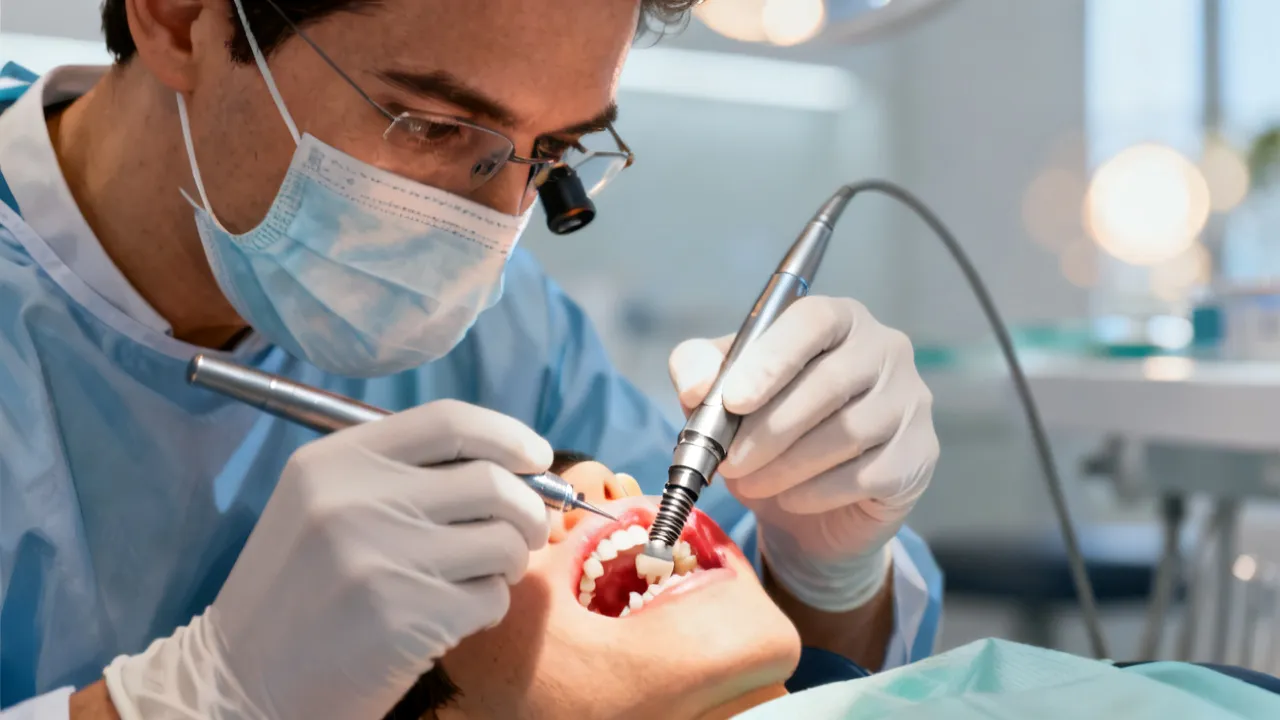
- Scaling: Hand instruments or powered ultrasonic devices may be used to remove calculus. Water spray and suction are commonly used with ultrasonic instruments.
- Polishing and guidance: Some appointments include polishing, interdental cleaning instruction, and advice about brushing technique.
- Follow-up: The clinician explains whether routine maintenance is sufficient or whether a periodontal evaluation is needed.
Powered ultrasonic instruments use vibration and water to disrupt calculus. Hand instruments may be used to refine the cleaning, reach particular surfaces, or remove deposits in areas where a powered instrument is less suitable. The choice depends on the clinician’s training, the deposit type, the patient’s sensitivity, existing restorations, and the location of the calculus.
Temporary sensitivity may occur after deposits are removed, especially when a previously covered root surface becomes exposed to air, water, or temperature changes. Sensitivity usually improves, but persistent or severe pain should be reported. The clinician should also explain how to care for the mouth after treatment.
After scaling, the gums may feel tender or bleed slightly for a short time, particularly when inflammation was present. Patients are usually advised to continue gentle brushing and interdental cleaning unless their clinician gives different instructions. Very hot, very cold, acidic, or spicy foods may be uncomfortable temporarily. Tobacco use can irritate healing gum tissues and may interfere with periodontal improvement.
Scaling and Dental Implants: An Important Distinction
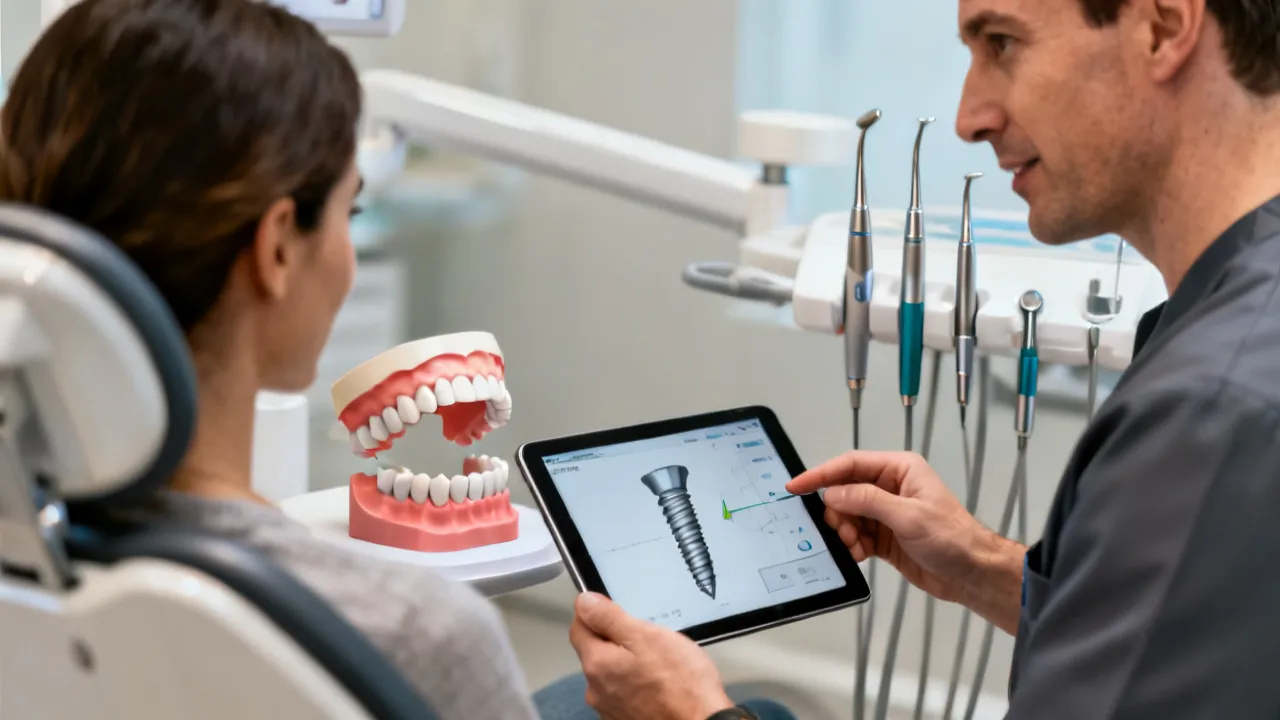
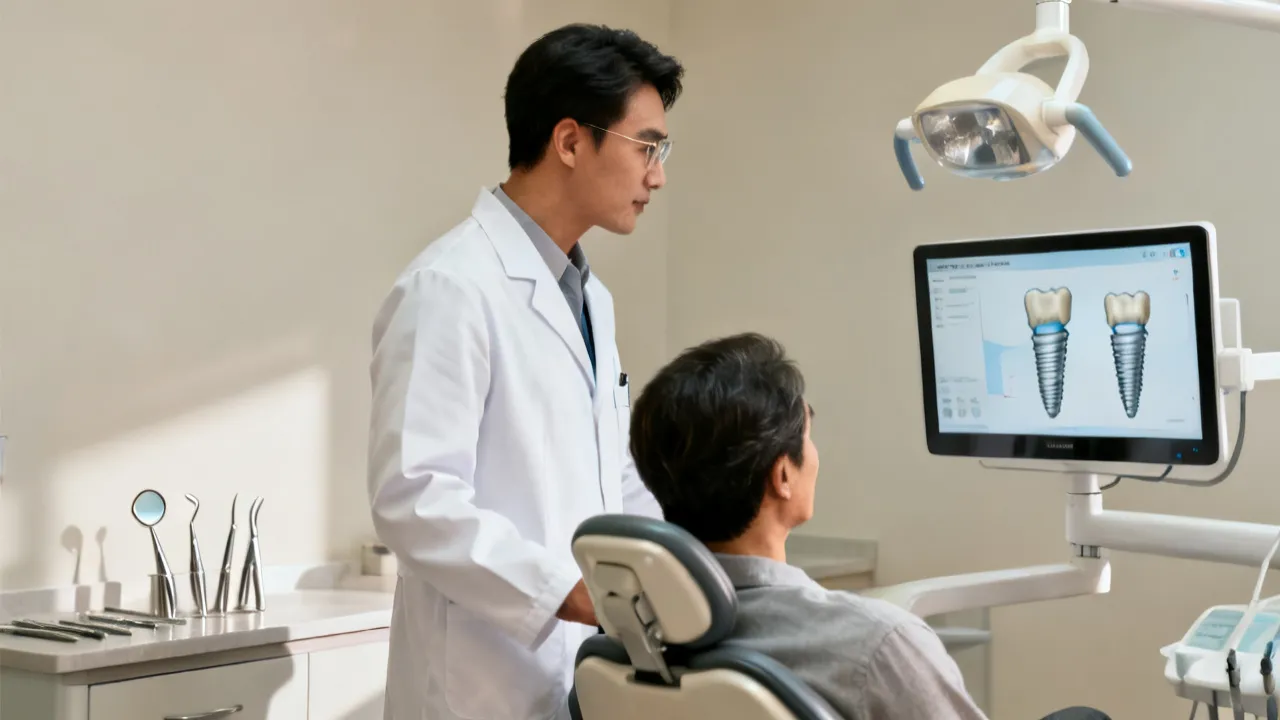
Dental scaling does not replace a dental implant. An implant is a restorative treatment used to replace a missing tooth or support a prosthesis. It generally consists of a biocompatible implant fixture, an abutment, and a crown or other restoration. Scaling is a preventive or periodontal procedure that removes deposits from natural teeth and, when appropriate, cleans around implant-supported restorations using techniques suitable for the implant materials.
Healthy gums and adequate hygiene are important before and after implant treatment. Active periodontal inflammation may increase the risk of complications around natural teeth and implants. A dentist may therefore recommend periodontal stabilization before implant placement. After treatment, implant patients need professional maintenance because plaque can accumulate around the crown, abutment, and gumline even though the implant itself is not a natural tooth.
Patients considering implants should ask whether the quoted price includes the consultation, imaging, extraction, bone grafting, implant fixture, abutment, temporary restoration, permanent crown, medications, and follow-up visits. A low initial quotation may cover only one component. Comparing complete treatment plans is more meaningful than comparing a single advertised figure.
The materials used around an implant matter. A clinician may select instruments and cleaning methods that are appropriate for the implant surface and prosthetic components. Patients should not use sharp household tools or abrasive substances around an implant because they may damage the restoration or irritate the surrounding tissues. Implant maintenance should include inspection for bleeding, pocket changes, mobility, bite problems, and retained cement where relevant.
Factors That Influence Dental Implant Cost
The cost of one dental implant varies substantially by region, clinical complexity, materials, provider experience, and the structure of local healthcare systems. The expression “individual dental implant” can also be interpreted differently. Some prices refer only to the implant fixture, while others include the abutment and crown. Patients should request an itemized written estimate.
Common cost factors include:
- Initial examination and three-dimensional imaging;
- Tooth extraction, if the tooth is still present;
- Bone grafting or sinus augmentation;
- Implant system and component materials;
- Surgeon, dentist, anesthetic, and laboratory fees;
- Temporary teeth or healing abutments;
- Final crown material and laboratory design;
- Postoperative reviews and adjustments;
- Management of infection or periodontal disease; and
- Travel, accommodation, interpretation, and later repair costs when treatment occurs abroad.
Currency conversion can also create confusion. A price that appears lower after conversion may not remain attractive once travel, exchange-rate changes, additional consultations, and follow-up care are included. Patients should compare the total expected cost and the practical arrangements for managing complications.
The position of the missing tooth can also influence the plan. A front tooth may require detailed attention to gum contours, shade, symmetry, and temporary appearance. A back tooth may require careful assessment of chewing forces, available space, and the relationship with neighboring teeth. Multiple missing teeth can involve a different restorative design from a single-tooth replacement.
Bone grafting is another major source of variation. If a tooth has been missing for a long time, the surrounding bone may have resorbed. Infection, trauma, or previous surgery can also affect bone volume. Some patients can receive an implant without grafting, while others require a separate procedure or a combined approach. Only appropriate imaging and examination can determine which situation applies.
Reference Cost Ranges for One Dental Implant
The following figures are reference ranges supplied for this article. They are not quotations, guarantees, or evidence that one market provides better clinical outcomes than another. The definition of “one implant” may differ between providers, so patients must confirm whether the figures include the crown and abutment.
| Country | Currency | Reference price range for one dental implant |
|---|---|---|
| United States (US) | USD | $3,000–$6,000 |
| United Kingdom (GB) | GBP | £2,000–£2,500 |
| Australia (AU) | AUD | AU$3,500–AU$6,500 |
| Canada (CA) | CAD | CA$3,000–CA$5,500 |
| Spain (ES) | EUR | €1,500–€2,500 |
| Chile (CL) | CLP | CLP$800,000–CLP$1,500,000 |
| Mexico (MX) | MXN | $15,000–$25,000 MXN |
| Colombia (CO) | COP | $2,000,000–$4,000,000 COP |
| Peru (PE) | PEN | S/ 3,000–S/ 6,000 |
| Argentina (AR) | ARS | $80,000–$150,000 ARS |
| Brazil (BR) | BRL | R$3,000–R$8,000 |
| Portugal (PT) | EUR | €1,000–€2,000 |
| Germany (DE) | EUR | €2,000–€3,500 |
| France (FR) | EUR | €1,500–€2,500 |
| Italy (IT) | EUR | €1,500–€3,000 |
| Japan (JP) | JPY | ¥300,000–¥700,000 |
Prices can change because of inflation, exchange rates, laboratory expenses, implant-brand availability, staffing costs, and local regulations. A historical range should therefore be treated as a starting point for questions rather than a current market quotation. Patients should obtain an estimate directly from the treating provider and confirm the date on which the estimate expires.
How to Obtain Lower-Cost Dental Implants in English-Speaking Markets
Reducing the cost of dental implants should not mean removing essential diagnosis, sterilization, qualified care, or follow-up. The following process can help patients compare options responsibly in the United States, the United Kingdom, Australia, and Canada.
- Confirm that an implant is clinically appropriate. A missing tooth may sometimes be managed with a bridge, removable partial denture, or no immediate replacement, depending on function, appearance, bone condition, and the patient’s preferences. A dentist should explain the alternatives.
- Obtain a complete treatment plan. Request an itemized estimate that separates diagnostics, surgery, implant components, restoration, laboratory fees, medication, and follow-up.
- Compare qualified providers. Verify professional registration through the relevant national or regional regulator. In the United States, patients can check state dental licensing resources; in the United Kingdom, they can consult the General Dental Council; Australian patients can use the Australian Health Practitioner Regulation Agency; and Canadian licensing is administered by provincial or territorial regulators.
- Ask about dental insurance and plan benefits. Many policies place limits on implant coverage, waiting periods, exclusions, annual maximums, or reimbursement rules. Insurance should be checked directly with the insurer and not assumed from a clinic advertisement.
- Compare dental schools and teaching clinics where appropriate. University or teaching environments may offer selected treatments under supervision, but eligibility, waiting periods, case complexity, and appointment availability vary.
- Discuss staged treatment. If medically appropriate, a dentist may separate diagnostic, surgical, and restorative stages. This can help with budgeting, although delaying treatment may affect the condition of the bone or neighboring teeth.
- Prevent avoidable complications. Treating gum disease, improving plaque control, stopping tobacco use, and managing diabetes can support long-term outcomes and reduce the likelihood of additional procedures.
- Review warranty and maintenance terms. Ask who handles a loose crown, fractured component, infection, or implant failure, and whether the clinic requires periodic maintenance.
In the United States, costs often differ between metropolitan and rural areas, and insurance arrangements are highly variable. In the United Kingdom, patients may compare private treatment with the availability and eligibility rules of National Health Service dental care, although implant access through public services is limited and clinically determined. In Australia and Canada, state, territory, or provincial systems can affect public dental eligibility, but adults may not routinely receive implant treatment through publicly funded programs. These systems should be checked through official health authorities rather than inferred from online advertisements.
Dental schools may be useful for some patients, but they are not an automatic solution for urgent or highly complex implant cases. Treatment may take longer because students work under supervision and cases are selected according to educational requirements. A patient should ask about the expected timeline, the supervising clinician, the treatment stages available, and what happens if the case is not accepted.
How to Obtain Lower-Cost Dental Implants in Spanish-Speaking Markets
Spanish-speaking markets include countries with different regulatory systems, currencies, training pathways, and healthcare arrangements. Mexico, Spain, Chile, Colombia, Peru, and Argentina should not be treated as one uniform dental market. Patients should evaluate the specific clinic, city, professional credentials, and treatment plan.
- Search in the local language. Terms such as “implante dental,” “presupuesto de implante,” “periodoncia,” and “segunda opinión” can help patients understand local services. A language-accessible consultation may reduce misunderstandings about what is included.
- Check professional credentials. Confirm that the dentist is authorized to practice in the relevant country and determine whether the surgical and restorative stages will be performed by the same provider or by different specialists.
- Request diagnostic evidence. A responsible plan should be based on an examination and appropriate imaging. A price supplied without examining bone volume, gum health, or the adjacent teeth may not represent the eventual cost.
- Compare package inclusions carefully. Ask whether “implante dental” means the fixture alone or the complete implant-supported crown. Written Spanish terminology can still vary between clinics.
- Consider local laboratory arrangements. A nearby laboratory can make shade matching, adjustments, and repairs more practical. Patients traveling between regions should ask how laboratory issues are handled after they return home.
- Evaluate payment plans. Some clinics offer staged payments or financing. Patients should review interest, cancellation, refund, and treatment-delay conditions before signing.
- Confirm infection-control procedures. The clinic should be able to explain sterilization, instrument processing, postoperative instructions, and emergency access.
- Plan follow-up before treatment begins. Implant care includes healing reviews and restoration checks. Patients should know who will provide care if swelling, pain, mobility, or an ill-fitting crown occurs.
Spain may be attractive to some European patients because of geographic access and the use of the euro, but regional price differences remain. Mexico and countries in South America may show lower nominal prices in some clinics, yet travel and currency considerations can change the total. A patient should never select a provider solely because of the lowest published figure.
Patients should also be cautious about package offers that promise a complete implant in a single visit for every case. Immediate placement and immediate loading can be appropriate in selected situations, but infection, bone stability, bite forces, and aesthetic considerations must be assessed. A general promotional promise cannot replace case-specific planning.
How to Obtain Lower-Cost Dental Implants in Portuguese-Speaking Markets
Brazil and Portugal are the principal Portuguese-speaking markets listed in the supplied information. Brazil has a large private dental sector and substantial variation between metropolitan areas and smaller cities. Portugal uses the euro and may be convenient for patients already receiving care within Europe. In both markets, patients should verify the dentist’s registration and request a complete treatment proposal.
- Verify registration and specialist training. In Brazil, patients can ask for the dentist’s registration with the relevant Conselho Regional de Odontologia. In Portugal, patients should verify registration with the Ordem dos Médicos Dentistas.
- Ask for the treatment stages in Portuguese. Clarify the meaning of “implante,” “pilar protético,” “coroa,” “enxerto ósseo,” and “manutenção.” This helps distinguish a fixture-only price from a complete restoration.
- Compare implant systems and laboratory work. The brand, component availability, and laboratory support may affect future repairs. The lowest initial fee may be less suitable if replacement parts are difficult to obtain.
- Request a written surgical and restorative plan. The document should identify the proposed tooth, imaging requirements, expected healing period, temporary restoration, and follow-up appointments.
- Review financing terms. Monthly payment plans should be compared by total repayment rather than monthly amount alone.
- Budget for periodontal maintenance. Scaling and ongoing maintenance are relevant before and after implant placement. A clean, stable oral environment is part of responsible implant planning.
In Brazil, Portuguese-language reviews can help patients identify recurring service issues, but reviews are not a substitute for clinical evidence. In Portugal, patients should ask whether a quoted price includes laboratory and prosthetic stages, because treatment components may be billed separately.
Dental Tourism: Potential Savings and Practical Risks
Dental tourism involves traveling to another region or country for treatment. It can appear financially attractive when local treatment fees are lower, but the decision requires more than comparing two advertised prices. The patient should calculate consultation, imaging, transportation, accommodation, meals, time away from work, travel insurance, exchange-rate changes, and the cost of treatment if a complication occurs after returning home.
Implant treatment also requires biological healing. A clinic may place an implant during one trip, but the final restoration may require a later appointment. If the patient is unable to return, a local dentist may be reluctant to manage an unfamiliar implant system or may charge additional diagnostic and repair fees.
Before traveling, patients should ask:
- Which licensed clinician will perform each stage?
- What imaging and medical records are required before arrival?
- Which implant brand and components will be used?
- How many visits are expected?
- What happens if bone grafting or extraction becomes necessary?
- What postoperative support is available outside clinic hours?
- Who pays for revision treatment, travel, or local emergency care?
- Can the clinic provide a complete clinical record in a language the home dentist can understand?
Organizations that arrange dental travel may assist with appointments, accommodation, or communication, but an intermediary does not replace independent clinical assessment. Patients should communicate directly with the treating dentist and obtain documentation before paying a deposit.
Travel timing is also important. Flying immediately after some surgical procedures may be uncomfortable, particularly when swelling, bleeding, or sinus-related procedures are involved. The patient should ask the treating clinician how long to remain nearby and whether air travel, strenuous activity, swimming, or dietary restrictions apply. Travel insurance may exclude planned treatment or complications related to pre-existing dental conditions, so policy wording should be reviewed carefully.
Comparison of Websites Providing Dental Implant Information
The following websites represent different types of information sources. Some are clinic websites, some provide treatment or cost information, and others relate to insurance, dental plans, or dental tourism. The table compares their apparent focus based on the supplied descriptions. It does not constitute an endorsement, verification of clinical quality, or confirmation of current prices.
| Website or service | Main information focus |
|---|---|
| Dental Views | Low-cost dental implants, treatment types, implant benefits, process information, FAQs, and cost considerations. |
| Atlantic Dental Group | General dental services, cleaning, orthodontics, implants, emergency care, clinic information, and appointments. |
| DentaVacation | Dental tourism, international treatment options, cost comparisons, and travel-related arrangements. |
| ADHP | Dental insurance plans, coverage options, applications, and ways to manage dental expenses. |
| Rockville Dental Arts | Spanish-language information about implants, cleaning, whitening, orthodontics, and emergency dental care. |
| Union City Mini Dental Implants | Information about mini dental implants and treatment for selected areas of tooth loss. |
| Cigna | Spanish-language educational guidance about dental implants, treatment considerations, and insurance-related context. |
| Rubi Odonto | Portuguese-language clinic information covering orthodontics, whitening, implants, and patient services. |
| Odontologia Velasco | Implants, prostheses, aesthetic dentistry, and technology-focused clinic services in Brazil. |
| DentalVidas | Dental plans for individuals, families, and businesses, including network and emergency-service information. |
source: www.dentalviews.com/low-cost-dental-implants/
source: www.atlanticdentalgrp.com
source: www.dentavacation.com
source: rockvilledentalarts.com/es/
source: unioncityminidentalimplants.com/es/
source: www.cigna.com/es-us/knowledge-center/guide-to-dental-implants
source: www.rubiodonto.com.br
source: odontologiavelasco.com.br
source: dentalvidas.com.br
How to Evaluate Online Dental Information
Online content can help patients prepare questions, but it should be assessed carefully. A clinic page may describe its own services, while an insurer may explain coverage limitations from a payer’s perspective. A dental tourism platform may emphasize travel coordination. These perspectives are useful but not interchangeable.
Reliable evaluation involves checking:
- Whether the author or organization is identified;
- Whether clinical claims are supported by professional or governmental sources;
- Whether prices are dated and clearly defined;
- Whether risks, limitations, and alternatives are discussed;
- Whether the content distinguishes education from advertising;
- Whether professional credentials can be verified independently; and
- Whether privacy and payment terms are explained before personal information is submitted.
Patients should be cautious of claims promising guaranteed implant success, immediate permanent teeth for every patient, or a single price regardless of bone condition. Treatment outcomes depend on diagnosis, surgical planning, hygiene, systemic health, smoking status, restoration design, and maintenance.
Photographs and testimonials can illustrate a clinic’s services, but they do not establish that the same result is suitable or achievable for every patient. Before-and-after images may also omit information about healing time, additional procedures, temporary restorations, or the patient’s condition before treatment. Patients should request clinical explanations rather than relying only on visual marketing.
Conditions and Requirements Before Implant Treatment
Before an implant is placed, a dentist generally needs to assess the missing tooth area, neighboring teeth, bite, gum health, bone volume, medical history, and the patient’s ability to maintain oral hygiene. Imaging may include dental radiographs or three-dimensional scans when clinically justified.
Potential requirements include:
- Control of active dental infection;
- Management of untreated periodontal disease;
- Adequate bone volume or a discussion of grafting;
- Review of medications that influence healing or bleeding;
- Assessment of diabetes control and other systemic conditions;
- A tobacco-use discussion;
- Agreement about the maintenance schedule; and
- Informed consent covering benefits, risks, alternatives, and expected costs.
Age alone does not determine candidacy. Conversely, a younger patient may need careful planning if jaw growth is incomplete or if oral hygiene is inconsistent. The dentist should explain why the proposed timing is suitable.
Medical history should be complete and current. Patients should tell the dental team about anticoagulants, osteoporosis medications, immune-suppressing drugs, allergies, previous reactions to anesthesia, radiation treatment, heart conditions, pregnancy, and any condition that affects healing. Patients should not stop prescribed medication without advice from the prescribing clinician and the dental team.
How Scaling Supports Long-Term Oral Health
The practical value of scaling is strongest when it forms part of a broader prevention plan. Professional removal of calculus can make it easier to control plaque, while home care addresses the daily accumulation that returns between appointments. Brushing twice daily with fluoride toothpaste and cleaning between teeth are widely recommended components of oral hygiene, although individual instructions should be adapted by a dental professional.
Scaling is also relevant to patients with crowns, bridges, orthodontic appliances, and implants. Special brushes, interdental brushes, flossing devices, or water-flossing equipment may be recommended depending on the shape of the restoration. Patients should not assume that a dental implant is maintenance-free. The surrounding gum and bone remain biological tissues that can be affected by inflammation.
Patients who experience pain during cleaning should tell the clinician before treatment begins. Options may include topical anesthetic, local anesthesia, shorter appointments, treatment in sections, or a review of sensitivity causes. Fear of discomfort should not prevent a patient from discussing symptoms and available approaches.
Daily habits influence the result of professional care. Brushing too aggressively can contribute to gum recession and abrasion, while brushing too gently or using an unsuitable brush may leave plaque behind. Interdental cleaning is particularly important because a toothbrush cannot adequately reach the contact areas between teeth. A dental professional can demonstrate the appropriate size and technique for interdental brushes or other aids.
Scaling for Patients With Special Considerations
People with diabetes may experience increased susceptibility to gum inflammation, especially when blood glucose is not well controlled. Periodontal inflammation can also make diabetes management more difficult for some patients. Dental and medical care should be coordinated when appropriate. Patients with diabetes should inform the clinic about their treatment, meals, and medication schedule before a longer appointment.
Dry mouth can increase plaque retention and the risk of calculus or tooth decay. It may be related to medications, dehydration, radiation therapy, or systemic conditions. Patients with dry mouth should ask about saliva-supportive measures, fluoride use, hydration, and products that do not contain fermentable sugars. Simply scheduling more frequent scaling does not address every effect of reduced saliva.
Orthodontic appliances create additional plaque-retentive areas. People wearing braces, aligners, retainers, or other appliances may need customized brushing and interdental methods. The orthodontic provider and general dentist should coordinate when cleaning is difficult or when gum swelling develops.
Pregnancy can alter gum sensitivity and bleeding patterns. Pregnant patients should tell the dental team, but pregnancy is not generally a reason to ignore active dental problems. The clinician can adapt examination, imaging, and treatment decisions to the individual circumstances and stage of pregnancy.
Questions to Ask a Dental Clinic
About scaling:
- Is this routine cleaning, scaling, or scaling and root planing?
- Are periodontal pocket measurements being recorded?
- Is polishing included?
- Will local anesthesia be needed?
- When should the next maintenance visit occur?
About implants:
- Does the price include the implant fixture, abutment, and crown?
- Are imaging, extraction, grafting, temporary teeth, and follow-up included?
- Which implant system will be used?
- Who will manage complications?
- How many appointments and how much healing time are expected?
About affordability:
- Is there an itemized written estimate?
- Are financing or staged-payment options available?
- What exclusions apply to insurance or a dental plan?
- What is the cancellation and refund policy?
- What additional expenses could arise during treatment?
About aftercare:
- How should the area be cleaned during healing?
- Which symptoms require an urgent call?
- How often will the implant and surrounding tissues be reviewed?
- Will the clinic provide copies of imaging and treatment records?
- What happens if care is needed after the clinic’s normal hours?
FAQs
What is the main 스케일링 필요성?
The main need for scaling is the professional removal of hardened calculus that cannot be removed effectively through ordinary brushing. Scaling can support gum health, but it does not replace daily plaque control or treat every stage of periodontal disease.
Is scaling the same as tooth whitening?
No. Scaling removes plaque and calculus. Polishing may reduce certain surface stains, but scaling is not a bleaching procedure and should not be marketed as an equivalent substitute for professional whitening.
Does scaling damage teeth?
When performed appropriately by a trained professional, scaling is intended to remove deposits while preserving tooth structure. Temporary sensitivity can occur. Patients should avoid attempting to remove calculus with household instruments because uncontrolled scraping may injure soft tissues or scratch surfaces.
Why do my gums bleed during cleaning?
Bleeding may reflect gum inflammation, but it can also have other causes. The clinician should evaluate the amount, location, duration, and associated symptoms. Persistent bleeding deserves professional assessment.
Can scaling be performed around dental implants?
Yes, implant patients require maintenance, but instruments and techniques should be selected to protect the implant and restoration surfaces. The clinician should check the surrounding tissues and identify signs of inflammation or bone changes.
Can a patient receive an implant immediately after scaling?
Timing depends on the condition of the gums, presence of infection, bone quality, extraction requirements, and the overall treatment plan. Scaling alone does not determine implant timing. The treating dentist or oral surgeon must assess the site.
What is the least expensive way to obtain an implant?
There is no universally least expensive option. A responsible comparison considers the complete treatment, credentials, materials, diagnostic work, aftercare, travel, and possible revision costs. An apparently low initial price may exclude essential components.
Are dental implants covered by insurance?
Coverage varies by policy, employer plan, country, and clinical circumstances. Some plans exclude implants or cover only selected components. Patients should obtain written benefit information directly from the insurer before committing to treatment.
Are dental tourism clinics safe?
Safety cannot be determined by location or price alone. Patients should verify professional licensing, infection-control procedures, treatment documentation, emergency arrangements, implant-system details, and follow-up responsibilities. Independent clinical advice is advisable before travel.
How long does one implant take?
The timeline varies. Some cases involve extraction, healing, implant placement, osseointegration, and a later crown. Other cases may use immediate placement or temporary restoration when clinically appropriate. Bone grafting, infection, and medical factors can extend the process.
Can scaling prevent the need for an implant?
Scaling cannot restore a tooth that has already been lost. However, professional cleaning and effective oral hygiene can help control gum disease and reduce the risk of tooth-supporting tissue damage. Prevention and early treatment may help preserve natural teeth.
Should a patient get a second opinion?
A second opinion may be useful when treatment is extensive, the diagnosis is unclear, grafting is recommended, the price is difficult to understand, or the patient feels pressured to decide immediately. The second clinician should receive relevant records and imaging when possible.
Can a clinic guarantee implant success?
No responsible provider can guarantee an identical outcome for every patient. Implant success and long-term stability are influenced by bone, gum health, hygiene, tobacco use, medical conditions, bite forces, restoration design, and attendance at maintenance appointments. A provider can explain expected outcomes and risks but should not promise certainty.
Professional Takeaway
The need for dental scaling should be understood as part of preventive and periodontal care, not as a universal cosmetic appointment. A clinically appropriate cleaning plan begins with an examination and should reflect the patient’s gum condition, calculus accumulation, medical history, and prior treatment.
For patients considering dental implants, affordability should be evaluated through complete treatment planning rather than headline prices. A qualified consultation, clear component list, verified credentials, realistic follow-up plan, and transparent payment terms are more valuable than an isolated low quotation. Scaling and implant maintenance should also be considered together because the long-term condition of the gums influences the health of natural teeth and implant-supported restorations.
Patients may use the websites listed above to gather questions and compare categories of information, but online material should not replace an examination by a licensed dental professional. Before beginning treatment, obtain a diagnosis, discuss alternatives, request an itemized estimate, and confirm how postoperative care will be provided.
Disclaimer
1. The information above comes from online resources, and the data is as of October 2023.
2. Dental implant prices are for reference only and may vary by region, clinic, and doctor. Currency values, insurance rules, treatment components, and clinical recommendations may change. This article is educational and does not provide a diagnosis or individualized medical advice.