Understanding Partial Dentures
Partial dentures, or "부분 틀니" in Korean, are removable dental devices designed to replace a few missing teeth. These prosthetics improve oral functionality and aesthetics, offering a cost-effective alternative to other, more permanent dental solutions like implants and bridges. This guide explores the benefits, types, and costs associated with partial dentures while also comparing them with other prosthetic options available in English-speaking countries via various service providers.
An Overview of Partial Dentures
Partial dentures are a convenient and less invasive solution for individuals who are missing several teeth but not all. Often referred to by the Korean term "부분 틀니," these removable appliances provide both functional and aesthetic benefits. By restoring the alignment of the teeth, partial dentures prevent other teeth from shifting, improve chewing efficiency, and enhance the wearer's smile and speech. Partial dentures come in a variety of styles to cater to different needs, including those who may have allergies to specific dental materials or preferences for aesthetics and comfort.
Understanding the structure and function of partial dentures can help patients make informed decisions about their dental care. Typically fabricated from acrylic resin and metal, these devices work by anchoring to remaining natural teeth, allowing for stability and support while providing a natural appearance. Advances in dental technology have allowed for more personalized and refined designs, making partial dentures not only more effective but also more appealing.
Advantages of Partial Dentures
- Affordability: Compared to dental implants and fixed bridges, partial dentures often represent a more cost-effective solution for tooth replacement. The expense associated with dental implants can be substantial, often making partial dentures a viable alternative for those on a budget.
- Non-Invasive: Unlike implants, partial dentures do not require surgery, making them suitable for patients with medical conditions that preclude more invasive procedures. This aspect significantly boosts their appeal for older adults or individuals with certain health issues.
- Flexibility and Adjustability: Partial dentures can be easily adjusted or repaired if needed, and their removable nature allows for thorough cleaning. This ensures optimal oral hygiene and can enhance the overall health of remaining teeth and gums.
- Immediate Results: For those who have lost teeth relatively recently, partial dentures can often be fitted quickly, giving patients a near-immediate restoration of function and aesthetic appearance.
- Improved Speech: Many individuals experience a return to normal speech patterns after receiving partial dentures, which can be particularly beneficial for those whose speech has been impacted by tooth loss.
Types of Partial Dentures
Partial dentures come in various types, catered to different patient needs and dental conditions. Understanding the types can help patients select the right option for their situation:
- Acrylic Partials: These are ideal for temporary use as they are less expensive but may lack durability. They are often used in transitional situations or for patients who need a quick solution while waiting for more permanent alternatives.
- Metal Framework Partials: Known for their strength and fit, these are designed for long-term use and usually crafted with cobalt or chromium. The metal structure provides a more stable base and can support more complex cases of tooth loss.
- Flexible Dentures: Made from a thermoplastic material, these provide a more comfortable fit and avoid metal clasps, making them more aesthetic and less likely to irritate soft tissues in the mouth.
- Transitional Partial Dentures: These are designed for patients who may need a temporary solution while they prepare for implants or other permanent options. Transitional dentures can help maintain proportion and function.
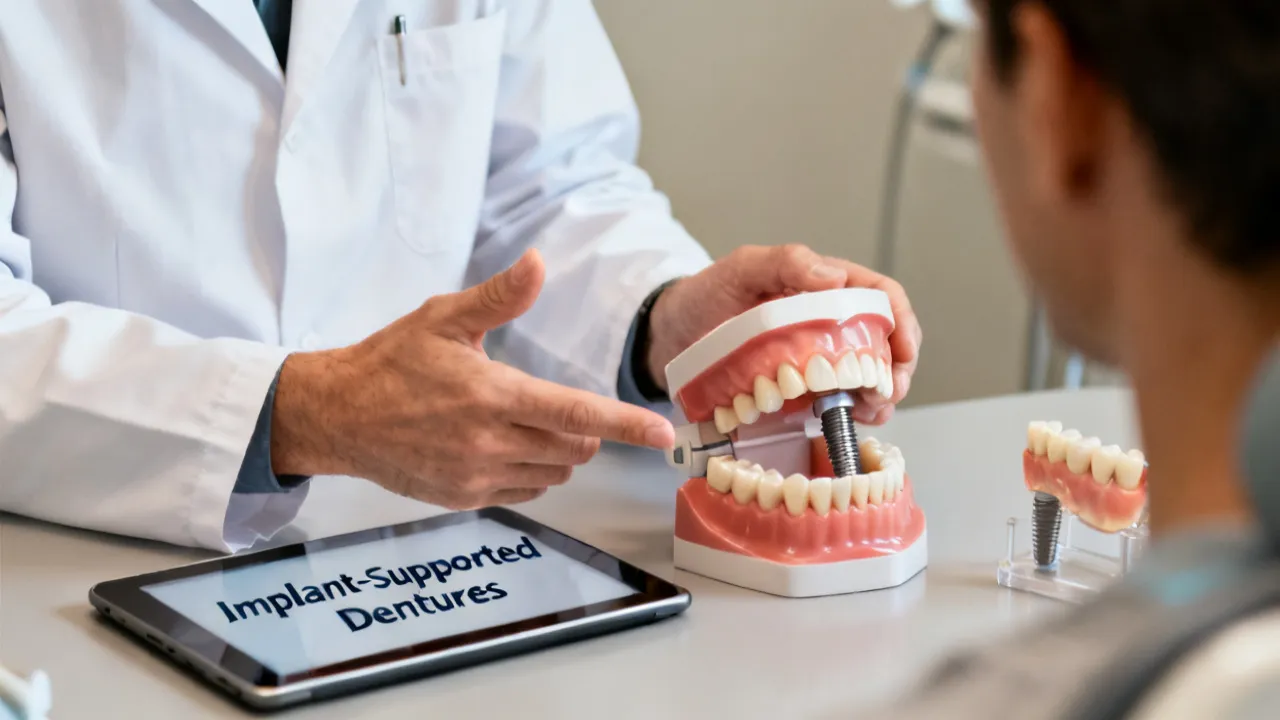
- Implant-Supported Partial Dentures: While technically a more advanced solution, these combine the benefits of dental implants with the flexibility of partial dentures, providing unmatched stability and reducing the chances of shifting.
Dentistry Service Providers and Costs
Several clinics and online resources offer low-cost dental solutions that include partial dentures alongside implants. Here’s an expanded list of useful platforms and their offerings:
| Website | Description |
|---|---|
| Dental Views | Provides detailed information on low-cost dental implants and related solutions such as partial dentures, helping patients find affordable options. |
| Atlantic Dental Group | Offers a wide range of dental services, including teeth cleaning and emergency care, with a focus on accessibility and affordability. |
| DentaVacation | Facilitates dental tourism, helping patients access affordable care in different countries, often at significant savings compared to local prices. |
| 1-800-DENTIST | A nationwide network linking patients to local dental practices that may offer competitive pricing on partial dentures and other services. |
| Carefree Dental Plan | Provides patients with a membership program that reduces costs for dental procedures, including partial dentures and routine care. |
Source: [Dental Views](https://dentalviews.com/low-cost-dental-implants/), [Atlantic Dental Group](https://www.atlanticdentalgrp.com/), [DentaVacation](https://www.dentavacation.com/), [1-800-DENTIST](https://www.1800dentist.com/), [Carefree Dental Plan](https://carefreedental.com/)
Partial Dentures Versus Dental Implants
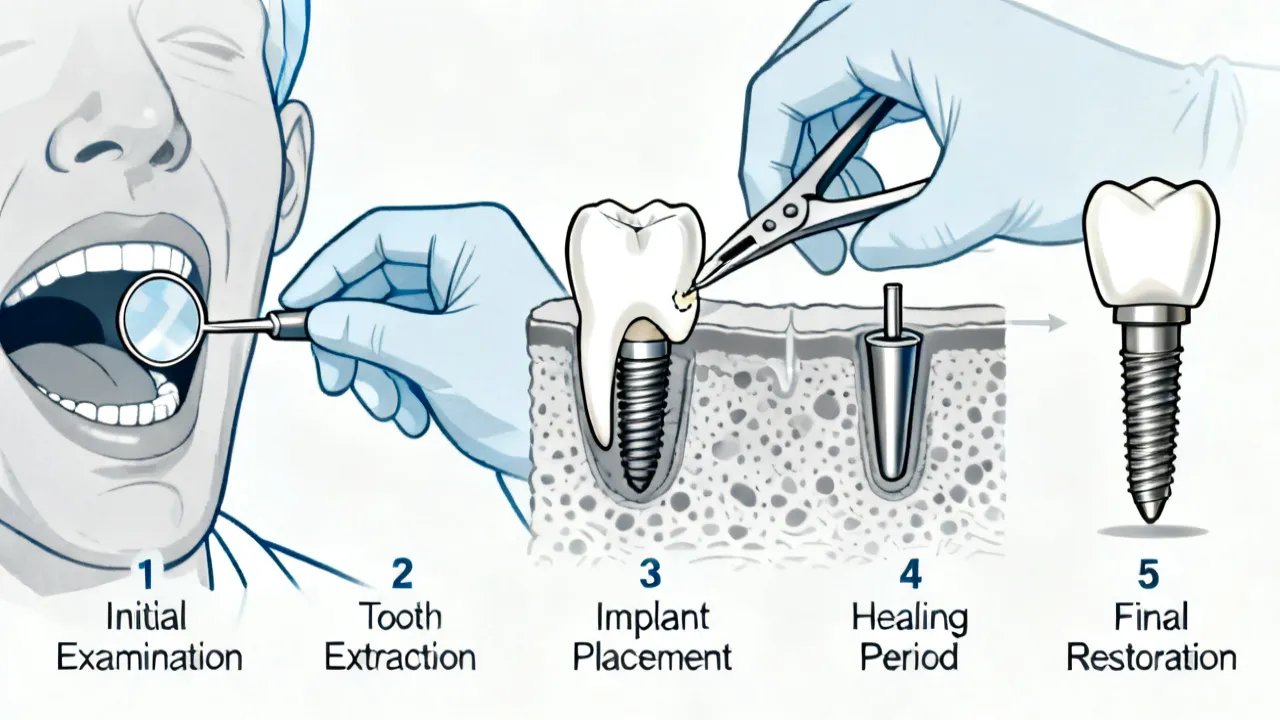
When choosing between partial dentures and dental implants, it’s essential to consider factors such as cost, personal health, and the intended duration of use. While dentures offer temporary and budget-friendly options, implants provide a permanent solution usually preferred for their stability and natural appearance. Patients should also factor in potential changes in their oral structure over time, as implants are often better suited for maintaining jawbone density.
Another significant distinction is the recovery process associated with implants, which can be longer and may require multiple visits to the dentist for proper fitting and healing. In contrast, the fitting of partial dentures is generally quicker and less invasive, allowing patients to adjust more seamlessly to their new dental appliance.
The long-term effectiveness also plays a crucial role in decision-making. While implants can last a lifetime with proper care, partial dentures may need adjustments or replacements every few years. Regular dental check-ups can help maintain the integrity and functionality of partial dentures, ensuring they continue to serve their purpose effectively.
Cost Considerations for Partial Dentures
The price of partial dentures can vary based on material, complexity, and the provider. To give a clearer picture, here’s a comparison of costs for individual dental implants in English-speaking countries, which underscores the financial aspects to consider:
| Country | Currency | Price Range |
|---|---|---|
| United States | USD | $3,000 - $6,000 |
| United Kingdom | GBP | £2,000 - £2,500 |
| Australia | AUD | AU$3,500 - AU$6,500 |
| Canada | CAD | CA$3,000 - CA$5,500 |
| New Zealand | NZD | NZ$4,000 - NZ$7,000 |
Prices for partial dentures, in contrast, can range from several hundred to a few thousand dollars, depending primarily on the materials used and the complexity of the case. While some insurance policies may cover a portion of the costs associated with partial dentures, it’s advisable to check the specifics of your coverage and consult with your dental provider to explore financing options, such as payment plans or third-party financing solutions.
FAQs
- How do partial dentures stay in place?
Partial dentures are typically held in place using metal clasps or precision attachments that fit onto natural teeth. This design ensures that the dentures stay securely in place during normal activities like eating and speaking. - Can I eat normally with partial dentures?
Yes, though it may take some time to adjust, most users report significant improvement in chewing function. Initial adjustments may require patients to avoid hard or sticky foods until they are more accustomed to their dentures. - Are there any alternatives to partial dentures?
Yes, alternatives include dental bridges and implants, which may offer more permanent solutions at a higher price. Dental bridges utilize adjacent teeth for support, while implants integrate into the jawbone, mimicking natural tooth roots. - How often should I see my dentist while wearing partial dentures?
Regular check-ups are advisable, typically every 6 months, to ensure that adjustments can be made and to monitor the health of your remaining teeth and gums. These visits are crucial for maintaining both your oral health and the functionality of your partial dentures. - Can I clean my partial dentures with regular toothpaste?
It's best to use a cleaner specifically designed for dentures, as certain types of toothpaste can be abrasive and may scratch the surface of dental appliances. A gentle hand-held brush and mild soap or a designated denture cleaner work well for proper maintenance.
Disclaimer: The above information is based on online resources, and the data is accurate as of October 2023. Dental implant prices are for reference only and may vary by region, clinic, and doctor. Always consult a dental professional for personalized advice and treatment options.