Periodontal Aftercare and Affordable Dental Implants
This guide explains 치주 후 처치, or periodontal aftercare, and its importance after gum treatment, extraction, bone grafting, or dental implant placement. It outlines practical home-care measures, warning signs, appointment planning, and ways to compare implant costs across English-, Spanish-, and Portuguese-speaking markets. It also reviews selected dental-information websites and emphasizes that quoted prices are estimates affected by location, materials, diagnosis, and clinical expertise.
Understanding 치주 후 처치: The Meaning of Periodontal Aftercare
치주 후 처치 is a Korean term that can be translated as periodontal aftercare, post-periodontal treatment care, or care provided after treatment involving the gums and tooth-supporting tissues. It describes the measures taken after procedures such as scaling and root planing, periodontal surgery, tooth extraction, bone grafting, implant placement, treatment of a gum infection, or restoration of a tooth supported by an implant.
Periodontal aftercare is not simply an administrative step that begins after treatment has finished. It is part of the treatment itself. The tissues need time to stabilize, the patient must protect the treated area, and the dental team must evaluate whether inflammation, bleeding, swelling, pocketing, and discomfort are improving as expected. In implant dentistry, successful healing depends on surgical technique, bone quality, soft-tissue health, oral hygiene, general health, smoking status, bite forces, and the patient’s ability to attend follow-up appointments.
The meaning of aftercare also changes according to the procedure. Instructions after routine periodontal cleaning will not be identical to instructions after gum surgery or implant placement. Some patients may be told to clean gently around the surgical area, while others may need to avoid direct brushing for a short period. Some may receive a prescribed antimicrobial rinse, a periodontal dressing, antibiotics, pain medication, or a temporary restoration. The treating dentist or periodontist must provide the final instructions because the details depend on the diagnosis and the procedure performed.
From an industry expert’s perspective, the most important financial principle is simple: do not choose an implant solely by comparing the advertised surgical price. A lower initial quotation may not include diagnostic imaging, extraction, bone grafting, temporary teeth, the abutment, the crown, medication, follow-up appointments, periodontal treatment, or management of complications. A meaningful comparison requires a complete treatment plan that clearly explains every stage and every expected charge.
Most Important Aftercare Priorities
Patients should follow the personalized instructions provided by their dentist, periodontist, oral surgeon, or implant clinician. General information can help patients understand the process, but it cannot replace an examination. The following priorities are commonly relevant after periodontal or implant-related treatment:
- Protect the treated site. Avoid touching the wound with fingers, repeatedly checking it with the tongue, pulling at sutures, or disturbing a dressing.
- Control bleeding appropriately. If gauze is supplied, apply steady pressure according to the clinic’s instructions. Persistent or heavy bleeding requires professional advice.
- Maintain oral hygiene carefully. The untreated teeth should usually continue to be cleaned, while the surgical site may require modified brushing, a prescribed rinse, or a temporary cleaning routine.
- Choose suitable foods. Soft, lukewarm foods are often easier to tolerate during the initial recovery period. Very hot, hard, sharp, sticky, or spicy foods may irritate the area.
- Take prescribed medication correctly. Antibiotics, pain medication, anti-inflammatory medication, or antimicrobial rinses should be used only as directed by the treating clinician.
- Attend review visits. Sutures, gum healing, implant stability, plaque control, and the fit of temporary or final restorations may need assessment at scheduled intervals.
- Report unusual symptoms promptly. Increasing swelling, fever, worsening pain, pus, uncontrolled bleeding, or difficulty swallowing should not be ignored.
Patients should avoid making treatment decisions based on discomfort alone. A site that does not hurt may still require monitoring, while mild soreness can be a normal part of healing. The direction of change is important: symptoms that gradually improve are generally less concerning than pain or swelling that becomes more intense after an initial period of improvement.
Why Periodontal Health Matters Before Dental Implants
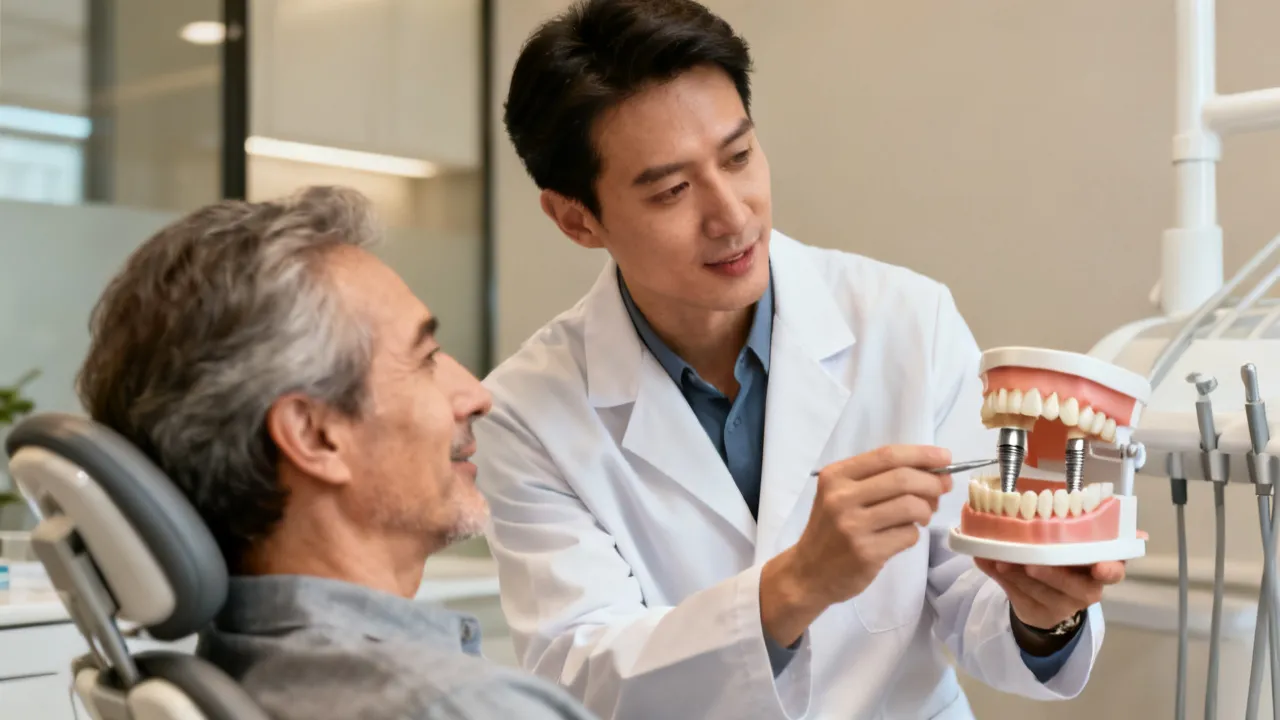
Dental implants replace the root portion of a missing tooth with a biocompatible fixture, usually made from titanium or another material selected by the treating team. A crown, bridge, or denture is later attached to restore function and appearance. However, an implant is not immune to the biological problems that affect natural teeth.
Active gum disease can cause bleeding, swelling, periodontal pocketing, bad breath, bone loss, and tooth mobility. If these problems are not controlled before implant surgery, the surrounding tissues may be less suitable for predictable healing. A clinician may therefore recommend periodontal treatment before implant placement. This can include professional debridement, scaling and root planing, improved home-care instruction, periodontal surgery, extraction of a compromised tooth, or management of risk factors such as smoking and poorly controlled diabetes.
Periodontal treatment before an implant also helps the dental team determine whether neighboring teeth can be preserved. Sometimes a patient assumes that a loose tooth must be removed and replaced with an implant, but careful periodontal treatment may stabilize the tooth or reveal that another restorative option is more appropriate. In other cases, retaining a severely compromised tooth may create a less predictable long-term result than removing it and designing a comprehensive replacement plan.
After an implant has been restored, inflammation around the implant can also develop when plaque accumulates. The conditions are often described as peri-implant mucositis or peri-implantitis. Peri-implant mucositis involves inflammation of the soft tissue around an implant without confirmed progressive bone loss, while peri-implantitis includes inflammation associated with loss of supporting bone. The appropriate diagnosis requires a clinical assessment and, when indicated, radiographs. Regular professional maintenance and effective daily plaque removal are central parts of long-term implant care.
Periodontal Aftercare by Treatment Stage
After Scaling and Root Planing
Scaling and root planing removes bacterial deposits and calculus from above and below the gum line. Some temporary sensitivity or mild gum tenderness can occur afterward, particularly when previously inflamed tissue begins to heal or when exposed root surfaces become more noticeable. Patients are generally advised to continue gentle brushing with a soft-bristled toothbrush unless the clinician recommends another approach. Flossing or interdental cleaning should be performed carefully, particularly where the gums are tender.
It is common for gums to appear less swollen after inflammation decreases. This can make the teeth look slightly longer because the swollen gum tissue has reduced. That visual change is not automatically a sign of treatment failure. The dental team should assess the tissues, pocket measurements, bleeding response, plaque-control progress, and sensitivity at follow-up appointments.
Patients should not stop cleaning because the gums bleed. Bleeding often indicates inflammation and inadequate plaque removal, although brushing too forcefully can also irritate tissues. A dental professional can demonstrate an appropriate technique and recommend an interdental brush or other cleaning aid that fits the spaces between the teeth.
After Periodontal Surgery
Periodontal surgery may be performed to improve access for cleaning, reshape tissue, manage gum recession, treat a periodontal defect, or regenerate supporting structures. Instructions differ according to the surgical technique. A protective dressing may be used in some cases, while other procedures rely on sutures and careful cleaning.
Patients should avoid pulling at dressings or sutures and should not resume strenuous activity until the clinician considers it appropriate. Swelling may be more noticeable during the first few days. Cold compresses applied externally may be suggested, but the exact duration and frequency should follow the clinic’s guidance. Sleeping with the head slightly elevated may be recommended by some clinicians, although the patient should prioritize the specific instructions provided by the treating office.
Any rapid deterioration, severe pain, facial swelling, persistent fever, or breathing difficulty requires urgent assessment. Patients should also contact the clinic if a dressing falls away earlier than expected or if they cannot maintain the cleaning routine because of pain or bleeding.
After Tooth Extraction
Extraction creates a socket that must form and maintain a blood clot. Vigorous rinsing, forceful spitting, smoking, and drinking through a straw may interfere with clot stability in the early period. The patient should follow the specific instructions provided by the dental office and avoid manipulating the socket with a finger, toothpick, or tongue.
If an implant is planned, the clinician may place it immediately, allow the extraction site to heal, or perform a grafting procedure before implant placement. The correct sequence depends on infection status, bone volume, soft-tissue condition, bite forces, the position of the tooth, and the overall treatment plan. An immediately placed implant is not suitable for every extraction site, and delaying placement is not necessarily a sign that treatment is failing.
Patients should also understand that the visible gum may appear healed before the deeper bone has matured. The absence of pain does not prove that the socket or graft is ready for implant surgery. Clinical review and imaging help determine the appropriate timing.
After Bone Grafting
Bone grafting is used when additional hard-tissue support may be needed for implant placement or other restorative treatment. Healing time varies according to the graft site, graft material, surgical complexity, membrane use, and individual health factors. A membrane or protective material may be used and must be monitored.
Patients should avoid pressure on the treated area and should not assume that a graft has matured simply because discomfort has reduced. Radiographic and clinical review helps the dentist determine whether the site is ready for the next stage. If the graft was taken from another part of the mouth, both the donor and recipient sites may require separate cleaning and dietary instructions.
Bone grafting can increase the overall cost and duration of implant treatment. A quotation that describes only an implant fixture may not include this additional procedure. Patients should ask whether grafting is already included, whether it is considered likely or merely possible, and how the cost would change if it becomes necessary.
After Implant Placement
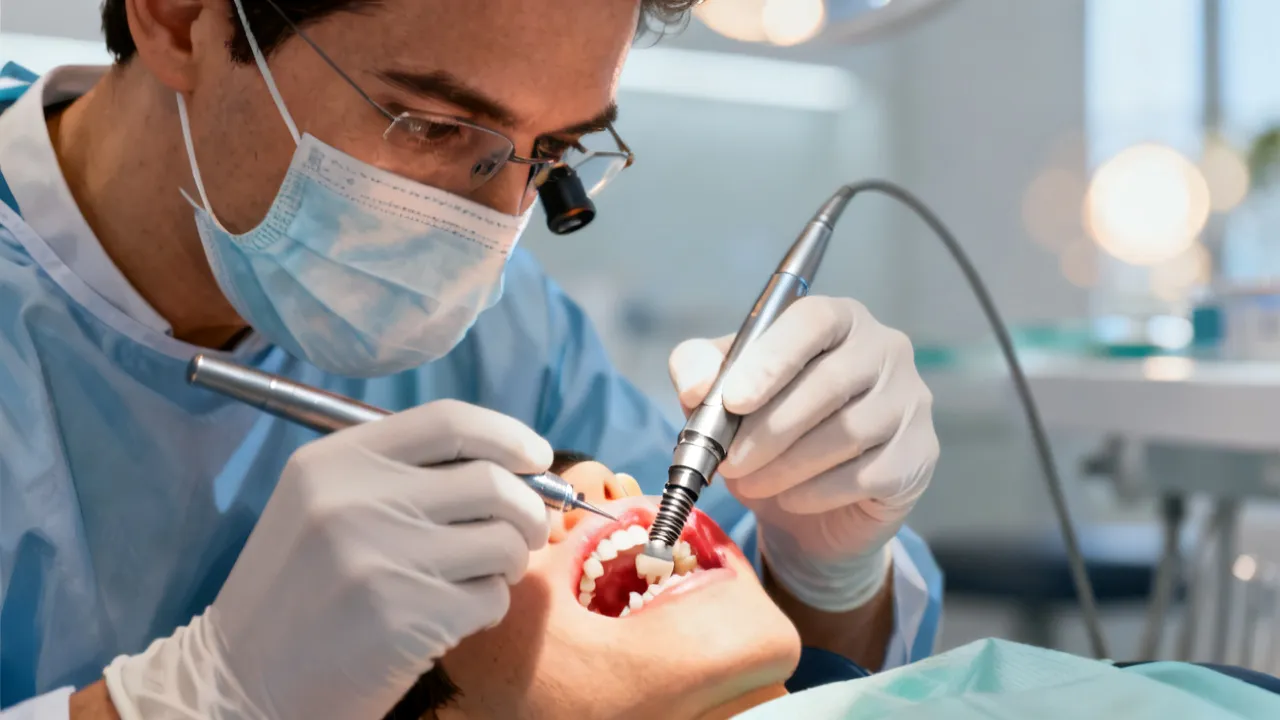
Implant placement involves surgery and should be treated as a biological healing process rather than an ordinary filling appointment. The implant may be left beneath the gum while it integrates with the surrounding bone, or it may be restored according to an immediate or early-loading plan when clinical conditions permit.
During the healing period, the patient should avoid chewing directly on the site unless the dentist has specifically approved that function. Temporary restorations must be monitored because excessive movement or biting forces can affect healing. A temporary tooth that repeatedly contacts the opposing teeth may require adjustment. Patients should not attempt to make such adjustments themselves.
The implant itself cannot be judged by appearance alone. Stability, tissue health, imaging, the restoration’s fit, and the patient’s symptoms all matter. A clinician may use a combination of examination methods and imaging to assess whether the implant is ready to support a final restoration.
After Crown or Bridge Placement
Once the final restoration is attached, aftercare shifts toward daily maintenance. Patients need to clean around the crown, abutment, and adjacent teeth. Interdental brushes, specialized floss, oral irrigators, single-tuft brushes, or other aids may be recommended according to the space, restoration design, and patient’s dexterity.
A restoration that feels high, causes persistent soreness, traps food, affects speech, or makes cleaning difficult should be checked. Small adjustments may protect the implant, surrounding teeth, chewing muscles, and jaw joints. Patients should also request documentation about the implant system and restoration components, particularly if they may relocate or require care from another clinic later.
A Practical Periodontal Aftercare Schedule
| Period | Common priorities |
|---|---|
| First day | Protect the site, follow bleeding-control instructions, use medication as prescribed, and avoid smoking or strenuous activity. |
| First several days | Use an appropriate diet, maintain careful hygiene away from the wound, monitor swelling and pain, and follow rinse or dressing instructions. |
| First review | Allow the dental team to evaluate healing, remove or assess sutures when appropriate, and modify cleaning instructions. |
| Healing phase | Protect temporary teeth or the surgical site, attend imaging or stability checks, and avoid unapproved loading. |
| Restorative stage | Check the fit, appearance, bite, and cleanability of the final crown, bridge, or denture. |
| Long-term maintenance | Brush twice daily with an appropriate technique, clean between teeth and around implants, attend maintenance visits, and address bleeding early. |
This schedule is a framework rather than a fixed medical timetable. Some patients require additional visits because of grafting, complex periodontal disease, medical conditions, or difficulty controlling plaque. Others may progress through certain stages more quickly. The clinician should explain the expected sequence before treatment begins and should identify which events could change the schedule.
Symptoms That Need Prompt Dental Assessment
Some discomfort, bruising, mild swelling, and sensitivity can occur after dental treatment. The pattern should generally improve rather than progressively worsen. Patients should contact their dentist or periodontist if they notice:
- Bleeding that does not respond to the clinic’s recommended pressure technique.
- Swelling that increases significantly after the initial recovery period.
- Fever, chills, pus, or a persistent unpleasant taste.
- Severe pain that is not controlled by the prescribed plan.
- An implant, temporary tooth, crown, or bridge that feels loose.
- Numbness that persists or changes unexpectedly.
- Worsening difficulty opening the mouth.
- New drainage, a visible opening, or suspected exposure of a graft or implant component.
- Difficulty swallowing, breathing, or managing saliva.
Breathing difficulty, rapidly spreading swelling, or signs of a serious allergic reaction should be treated as urgent medical concerns. The patient should use local emergency services when necessary rather than waiting for a routine dental appointment. When contacting the dental office, it is helpful to describe the procedure, the date it was performed, the medications being taken, and how the symptoms have changed over time.
How to Obtain Dental Implants at Lower Cost in English-, Spanish-, and Portuguese-Speaking Countries
Affordable implant treatment is best approached as a process of reducing avoidable expense without compromising diagnosis, infection control, clinician competence, or follow-up. Cost-conscious care does not mean selecting the least expensive advertisement. It means comparing complete, clinically appropriate plans and identifying which costs are necessary for a safe result.
Step 1: Confirm Whether an Implant Is the Appropriate Option
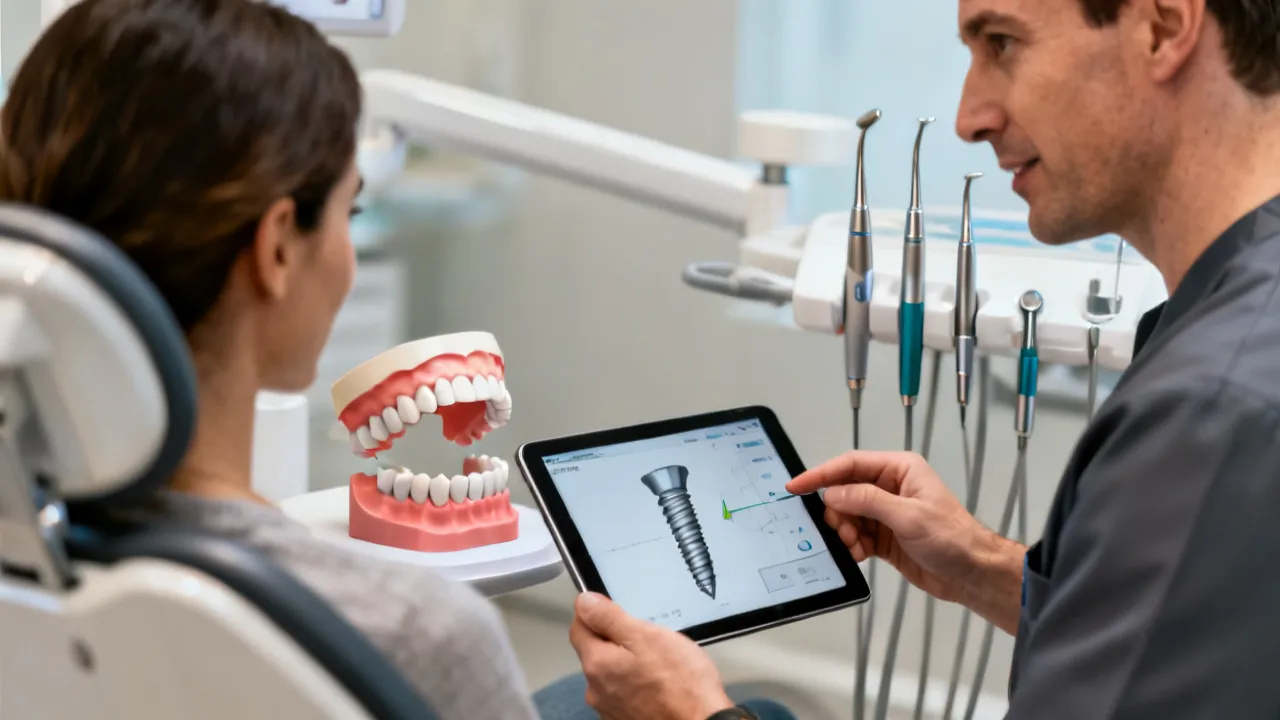
A missing tooth may be managed with an implant crown, a conventional bridge, or a removable partial denture. Each option has different maintenance requirements, time frames, risks, and costs. A dentist should evaluate the missing-tooth area, neighboring teeth, bite, bone, gum condition, and the patient’s health before recommending treatment.
In some cases, preserving a natural tooth may be more economical and biologically preferable. In other cases, an implant may provide a stable replacement that avoids preparing healthy neighboring teeth for a bridge. The right decision depends on the individual diagnosis rather than on a general claim that one option is always superior.
Step 2: Treat Active Periodontal Disease First
Patients with bleeding gums, deep periodontal pockets, loose teeth, or significant plaque deposits may require periodontal treatment before implant surgery. Treating the cause of inflammation can reduce the likelihood of complications and may clarify which teeth can be predictably retained. This stage should be included in the cost comparison because an implant quotation that excludes necessary gum treatment is not a complete estimate.
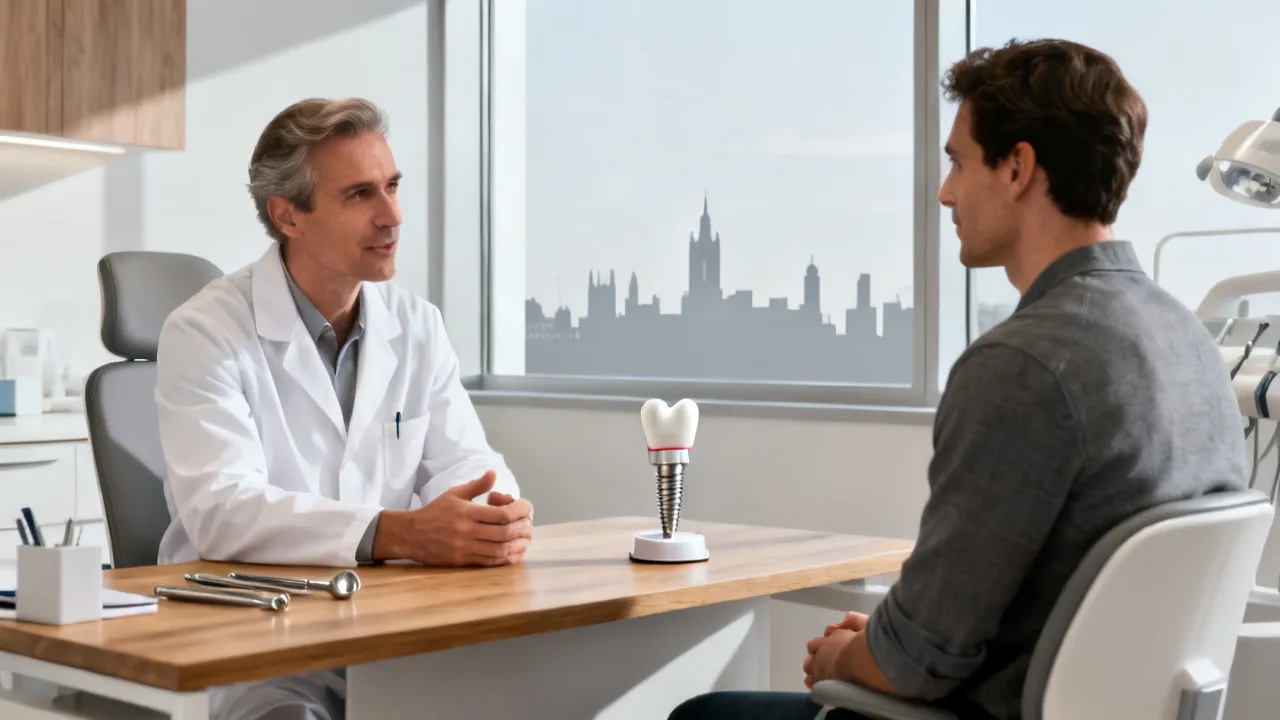
Step 3: Request a Written, Itemized Treatment Plan
The document should identify the proposed implant system, diagnostic imaging, extraction, bone grafting, membrane use, temporary restoration, abutment, final crown, anesthesia, medication, follow-up visits, and maintenance. It should also state whether taxes, laboratory charges, and revisions are included.
Patients should ask the clinic to distinguish between confirmed costs and possible costs. For example, a treatment plan may state that bone grafting is not currently required but could become necessary after extraction. That information allows the patient to budget realistically without assuming that the first quotation represents the maximum possible expense.
Step 4: Compare Clinicians, Not Only Countries
Prices can differ substantially within the same country. Experience with the relevant procedure, access to diagnostic imaging, sterilization standards, laboratory quality, communication, and aftercare arrangements are important comparison factors. A clinic should be able to explain the diagnosis and alternatives in language the patient understands.
Patients can ask whether the provider routinely manages periodontal disease, grafting, implant complications, and restoration repairs. A clinic that offers only a promotional implant price may not provide enough information to judge the full quality or continuity of care.
Step 5: Ask About Materials and Implant-System Support
Patients should know the manufacturer and model of the implant when the clinician is willing and able to provide that information. A recognizable system with accessible replacement components may be useful if the patient later moves or needs maintenance elsewhere. The lowest-cost component can create practical difficulties if compatible parts are unavailable.
Material selection should be discussed in relation to function and tissue health, not just marketing language. The crown material, abutment design, and laboratory process can affect appearance, strength, cleanability, and repair options. A written record of the components can help another dentist provide care in the future.
Step 6: Consider Dental Schools and Training Clinics Carefully
University dental hospitals and supervised training clinics may offer structured care at different pricing levels. Treatment is generally provided under supervision, but appointments can take longer and case acceptance may be limited. Patients should ask who performs each step, who supervises it, how appointments are scheduled, and how emergency or follow-up care is organized.
Teaching clinics are not automatically appropriate for every complex case. Their suitability depends on the available department, the trainee’s level of experience, the supervising staff, and the clinic’s ability to provide all stages of care. The lower fee may be balanced by longer appointments or a less flexible schedule.
Step 7: Compare Local Care With Dental Tourism Responsibly
Traveling abroad can appear cost-effective in markets where treatment fees are lower. However, the total calculation should include transportation, accommodation, time away from work, travel insurance, currency conversion, and the cost of returning if a complication occurs. Multiple trips may be necessary for examination, surgery, impressions, and final restoration.
Dental tourism also requires careful review of licensing, informed consent, infection-control practices, implant documentation, legal remedies, and continuity of care. A remote clinic may not be able to manage complications after the patient returns home. Local care may have a higher quoted price but lower logistical risk and easier access to follow-up.
Patients should be cautious about treatment schedules that promise a complete complex case in an unrealistically short period. Some immediate-loading protocols are clinically appropriate for selected patients, but the decision depends on stability, bone conditions, occlusion, and the type of restoration. Travel convenience should not replace clinical judgment.
Step 8: Review Insurance and Dental Plans
Dental insurance policies and dental discount plans differ by country and contract. Some may exclude implants, apply waiting periods, limit annual benefits, or cover only part of the restoration. Patients should obtain a written benefit determination and ask whether periodontal treatment, bone grafting, the crown, and maintenance are included.
Insurance may also classify the implant fixture, abutment, crown, extraction, and bone graft as separate services. A patient who hears that “implants are covered” should ask which specific components are eligible and whether the insurer requires preauthorization or treatment at a participating provider.
Step 9: Ask About Payment Scheduling
Some clinics divide treatment into diagnostic, surgical, provisional, and restorative stages. A staged schedule may make expenses easier to plan and allows the dentist to reassess healing before the next intervention. Patients should read financing terms carefully, including interest, cancellation conditions, and responsibility for additional procedures.
Patients should avoid assuming that a long payment plan makes treatment affordable if the total repayment is substantially higher. They should request the total amount payable, the interest rate, administrative fees, and the financial consequences of postponing or canceling treatment.
Step 10: Protect the Investment Through Maintenance
Preventive care can help identify inflammation, excess cement, loose components, or hygiene difficulties before they become more complex. Good periodontal aftercare and long-term professional maintenance are central to controlling the total lifetime cost of implant treatment.
Requirements and Conditions for Cost-Conscious Implant Treatment
Before surgery, the patient should be prepared to provide an accurate medical and dental history. Relevant information includes medication use, allergies, smoking or nicotine exposure, diabetes, osteoporosis treatment, immune conditions, previous radiation therapy, pregnancy, and a history of periodontal disease. The dental team may request medical coordination when a systemic condition could affect healing or bleeding.
Diagnostic requirements may include a clinical periodontal examination, dental radiographs, and three-dimensional imaging when the anatomy or surgical plan requires it. Imaging should be selected because it answers a clinical question, not simply because it is available. The dentist should explain the findings, planned sequence, expected recovery, alternatives, and possible additional procedures.
A patient should also understand the maintenance obligation. Implant treatment does not eliminate the need for brushing, interdental cleaning, professional review, or management of gum disease. A person who cannot maintain adequate plaque control may need a periodontist’s support before proceeding.
Patients should also have realistic expectations about appearance and function. An implant crown may be designed to resemble a natural tooth, but the result is influenced by gum contours, bone shape, neighboring teeth, facial symmetry, and the location of the missing tooth. Front-tooth cases may require additional soft-tissue procedures or temporary restorations to develop the desired contour.
Estimated Prices for One Individual Dental Implant
The following ranges are supplied as reference figures for an individual dental implant in the listed countries. They should not be interpreted as a universal quotation or as the total cost of a complete implant tooth. Depending on the clinic, “implant” may refer only to the fixture, while another quotation may include the abutment and crown. Extraction, grafting, sedation, imaging, and maintenance may be charged separately.
| Country | Currency | Reference price range for one individual dental implant |
|---|---|---|
| United States | USD | $3,000–$6,000 |
| United Kingdom | GBP | £2,000–£2,500 |
| Australia | AUD | AU$3,500–AU$6,500 |
| Canada | CAD | CA$3,000–CA$5,500 |
| Spain | EUR | €1,500–€2,500 |
| Chile | CLP | CLP$800,000–CLP$1,500,000 |
| Mexico | MXN | $15,000–$25,000 |
| Colombia | COP | $2,000,000–$4,000,000 |
| Peru | PEN | S/ 3,000–S/ 6,000 |
| Argentina | ARS | $80,000–$150,000 |
| Brazil | BRL | R$3,000–R$8,000 |
| Portugal | EUR | €1,000–€2,000 |
| Germany | EUR | €2,000–€3,500 |
| France | EUR | €1,500–€2,500 |
| Italy | EUR | €1,500–€3,000 |
| Japan | JPY | ¥300,000–¥700,000 |
Interpretation: These figures cover English-speaking countries such as the United States, United Kingdom, Australia, and Canada; Spanish-speaking countries such as Spain, Chile, Mexico, Colombia, Peru, and Argentina; Portuguese-speaking countries such as Brazil and Portugal; German-speaking Germany; French-speaking France; Italian-speaking Italy; and Japanese-speaking Japan. They are not adjusted for exchange-rate movements, inflation, regional differences, or differences in treatment scope.
Prices can also vary between metropolitan and rural areas, specialist and general dental practices, hospital-based clinics, and practices using different laboratory arrangements. A quotation should therefore be evaluated by its contents rather than its position above or below a national average. A more expensive plan may include items that another clinic excludes, while a low estimate may require several additional payments before the final tooth is delivered.
Comparing Dental Information Websites
Online resources can help patients understand treatment categories, possible questions, and ways to contact providers. They should be used as starting points rather than as substitutes for an examination. The following comparison focuses on the apparent purpose and content type of each resource.
| Website or organization | Primary features and useful comparison points |
|---|---|
| Dental Views | Information about lower-cost dental implants, treatment types, potential benefits, process explanations, frequently asked questions, and cost considerations. |
| Atlantic Dental Group | Clinic-based information covering general and specialized dental services, possible implant care, orthodontics, cleaning, emergency care, locations, and appointment access. |
| DentaVacation | Dental-tourism information, international treatment comparisons, travel planning, and discussions of seeking dental care abroad. |
| American Dental Health Plans | Dental-plan information intended to help users review coverage options and understand how insurance may influence treatment expenses. |
| Rockville Dental Arts | Spanish-language clinic information covering implants, whitening, cleaning, orthodontics, and emergency dental services. |
| Union City Mini Dental Implants | Spanish-language information focused on mini dental implants and treatment for selected areas of tooth loss. |
| Cigna | Spanish-language educational material explaining dental implants and common aspects of the treatment process. |
| Rubi Odonto | Portuguese-language clinic information from Santo André, São Paulo, including orthodontics, whitening, implants, and patient-service details. |
| Odontologia Velasco | Portuguese-language information about implants, prosthetics, aesthetic dentistry, and the use of contemporary dental technologies. |
| DentalVidas | Portuguese-language dental-plan information for individuals, families, and companies, including provider-network and emergency-service descriptions. |
source: www.dentalviews.com/low-cost-dental-implants/
source: www.atlanticdentalgrp.com
source: www.dentavacation.com
source: rockvilledentalarts.com/es/
source: unioncityminidentalimplants.com/es/
source: www.cigna.com/es-us/knowledge-center/guide-to-dental-implants
source: www.rubiodonto.com.br
source: odontologiavelasco.com.br
source: dentalvidas.com.br
How to Evaluate Online Dental Implant Information
Patients should distinguish between educational material, clinic marketing, insurance information, and travel brokerage. Educational content should describe indications, limitations, risks, alternatives, and maintenance. Marketing pages may emphasize price or convenience, but the patient still needs to verify what the quoted service includes. Insurance pages explain policy structures, yet coverage depends on the individual contract and benefit rules.
A reliable consultation should be more specific than an online price page. The clinician should examine the patient, review images, identify periodontal status, and explain why a particular implant design or surgical sequence is recommended. Claims that guarantee a particular outcome, promise an identical price for every patient, or minimize the importance of follow-up deserve careful scrutiny.
Patients should also check whether online information has a visible publication date, named clinical contributors, references, and a clear distinction between general education and individual advice. Information can become outdated when implant systems, regulations, prices, insurance policies, or clinical guidelines change. A website may be useful for preparing questions, but it cannot determine the correct treatment for a person it has not examined.
Language, Culture, and Communication in International Care
Patients seeking treatment across language communities should plan for clear communication. In English-speaking markets, terminology such as “implant fixture,” “abutment,” “implant crown,” and “periodontal maintenance” may appear in written estimates. In Spanish-speaking markets, patients may encounter terms such as implante dental, pilar, corona, and enfermedad periodontal. In Portuguese-speaking markets, corresponding terms include implante dentário, pilar protético, coroa, and doença periodontal.
Translation should not be limited to the procedure name. Patients need to understand consent forms, medication instructions, emergency contacts, refund or cancellation terms, warranty conditions, and the schedule for follow-up. If a patient has difficulty understanding a technical explanation, an appropriately qualified interpreter or bilingual clinician can reduce the risk of misunderstanding.
Local context can also affect appointment planning. A patient traveling to São Paulo, Madrid, London, Toronto, or another major urban center may have access to multiple clinics, laboratories, and transport options, but the final decision should remain based on clinical suitability rather than tourism appeal. Treatment should not be compressed into an unrealistic schedule simply to reduce hotel nights or travel days.
Common Cost Factors Beyond the Implant Fixture
- Consultation and diagnosis: Clinical examination, periodontal charting, radiographs, and three-dimensional imaging may be billed separately.
- Extraction: Removing a damaged tooth can add a surgical or routine extraction fee.
- Bone augmentation: Insufficient bone volume may require graft material, a membrane, or a healing period.
- Soft-tissue treatment: Gum grafting or tissue contouring may be recommended for function or appearance.
- Temporary restoration: A temporary crown, bridge, or denture can be needed while the implant heals.
- Abutment and crown: These components may be included in some packages and excluded from others.
- Sedation: Sedation or anesthesia fees vary according to the technique and provider.
- Laboratory charges: The material, design, and laboratory process for the final restoration influence cost.
- Follow-up: Review visits, suture removal, adjustments, and maintenance should be clarified in advance.
- Travel expenses: Flights, accommodation, local transportation, meals, insurance, and time away from work affect the total cost of overseas treatment.
- Complication management: Additional treatment may be required if infection, poor integration, component loosening, or restoration damage occurs.
Questions to Ask Before Accepting a Treatment Plan
- What diagnosis supports the recommendation for an implant?
- Is active periodontal disease present, and must it be treated first?
- Does the quoted amount include the implant, abutment, and final crown?
- Are extraction, imaging, grafting, temporary teeth, medication, and review visits included?
- Which implant manufacturer and model will be used?
- Who will perform the surgery and who will fabricate the restoration?
- How long is the expected healing period?
- What symptoms should prompt an urgent call?
- What happens if the implant does not integrate or the restoration requires adjustment?
- Where can the patient obtain follow-up care after returning home?
- How often will periodontal maintenance be required?
- What are the payment, cancellation, and warranty terms?
- What records will the patient receive after treatment?
- Will the clinic provide radiographs, implant identification, and restoration details for future dentists?
Daily Maintenance After Implant Treatment
Long-term maintenance begins when the surgical wound has healed sufficiently and the clinician has approved normal cleaning around the restoration. Brushing should cover the natural teeth, gum margins, and accessible implant surfaces without aggressive pressure. The most suitable toothbrush, interdental brush size, floss design, and irrigator setting depend on the restoration and tissue anatomy.
Patients should pay attention to bleeding during cleaning. Occasional irritation can have several causes, but repeated bleeding around a tooth or implant warrants assessment. A change in the way the teeth meet, persistent food trapping, bad taste, swelling, or a loose restoration should also be reported.
Professional maintenance intervals are individualized. A person with a history of periodontitis, smoking exposure, difficult anatomy, or limited plaque control may need closer monitoring than a patient with stable tissues and effective home care. The dentist or periodontist may record pocket measurements, bleeding, plaque, implant mobility, and radiographic changes when clinically appropriate.
Home care should be practical and sustainable. Patients with limited dexterity may benefit from an electric toothbrush, larger-handled interdental devices, or instruction from a dental hygienist. The goal is not to use the most complicated collection of products; it is to remove plaque consistently from the surfaces that matter while avoiding trauma to the tissues.
Risk Reduction Before and After Surgery
Smoking and nicotine exposure can adversely affect oral tissue healing, and patients should discuss cessation or reduction with their dental and medical professionals. Diabetes management is also relevant because glycemic control may influence healing and infection risk. Medication changes should never be made independently, particularly when anticoagulants or other important prescriptions are involved.
Nutrition, sleep, hydration, and adherence to instructions support recovery, but they do not compensate for inadequate diagnosis or poor infection control. Patients should disclose all supplements and medications because some may affect bleeding or interact with prescribed drugs.
Protective equipment and infection-control procedures are also important parts of professional care. Patients may reasonably ask how instruments are sterilized, whether single-use materials are discarded appropriately, and how the clinic manages surgical asepsis. These questions are relevant whether treatment is performed locally or abroad.
Frequently Asked Questions
What does 치주 후 처치 mean in English?
치주 후 처치 generally means periodontal aftercare or care after periodontal treatment. It can refer to the recovery and maintenance measures required after gum therapy, periodontal surgery, extraction, grafting, or implant-related procedures.
Is periodontal aftercare necessary if the implant does not hurt?
Yes. Pain is not the only indicator of tissue health. Inflammation around teeth or implants may develop with limited discomfort, especially in its early stages. Professional reviews and daily cleaning help identify problems that a patient may not notice.
Can I compare dental implant prices by looking only at the implant fixture?
No. The fixture is one component of a complete restoration. The abutment, crown, diagnostics, extraction, grafting, temporary restoration, medication, surgery, and follow-up may be separate charges. Ask for an itemized estimate that describes the full proposed sequence.
Are lower-priced dental implants necessarily lower quality?
Not necessarily. Pricing reflects local operating costs, clinician fees, laboratory arrangements, taxes, competition, treatment complexity, and the scope of the package. Nevertheless, an unusually low quotation should be examined carefully to determine whether essential stages or follow-up have been excluded.
Is dental tourism appropriate for everyone?
No. Suitability depends on the patient’s medical condition, periodontal status, case complexity, travel capacity, language support, and access to follow-up care. Patients with complex grafting needs, active infection, significant medical risk, or limited ability to return for review may require a particularly cautious assessment.
How can I reduce the cost of implant treatment safely?
Start with an accurate diagnosis, compare complete itemized plans, treat gum disease early, ask about staged care, review insurance or dental-plan benefits, consider supervised university clinics where appropriate, and maintain the result carefully. Avoid choosing a provider solely because of a headline price.
Does insurance usually cover dental implants?
Coverage varies by policy and jurisdiction. Some plans exclude implants, while others may contribute toward the crown, extraction, or an alternative restoration. Patients should obtain written confirmation of benefits and ask about waiting periods, annual limits, exclusions, and preauthorization.
What foods are appropriate after periodontal or implant surgery?
Many patients tolerate soft, lukewarm foods during the early recovery period. The treating clinician may recommend avoiding hard, sharp, sticky, very hot, or heavily seasoned foods near the site. Dietary instructions should be adapted to the procedure and the patient’s medical needs.
How long does an implant take to heal?
There is no single timetable for every patient. Healing depends on bone quality, surgical design, implant location, grafting, loading protocol, health, and oral hygiene. The dentist determines when the implant and surrounding tissues are ready for the next stage through clinical and, when needed, radiographic evaluation.
What should I do if a temporary tooth or implant crown feels loose?
Contact the dental clinic promptly and avoid chewing on that side until receiving instructions. Do not attempt to glue or tighten the restoration yourself. A loose component may be minor, but continued movement can damage tissues or components.
Can mini dental implants replace conventional implants in every case?
No. Mini dental implants have specific indications and limitations. The appropriate choice depends on anatomy, loading demands, restoration design, bone volume, and the clinician’s assessment. A website describing mini implants should not be treated as a universal recommendation.
How often should I receive periodontal maintenance after implants?
The interval is individualized. A clinician may recommend periodic reviews based on periodontal history, plaque control, smoking, diabetes, implant position, restoration design, and tissue findings. The correct schedule should be established after examination rather than selected from a generic calendar.
Can a patient transfer implant care to another dentist?
Often, another dentist can provide maintenance, but the process is easier when the patient has complete records. These may include the implant manufacturer and model, radiographs, surgical notes, restorative details, and information about grafting. Patients should request copies before moving or traveling away from the original clinic.
Professional Conclusion
치주 후 처치, or periodontal aftercare, should be viewed as a continuing clinical responsibility rather than a short recovery checklist. It begins with protecting the treated tissues and recognizing warning signs, then continues through periodontal maintenance, implant hygiene, regular examinations, and prompt management of changes.
Patients seeking lower-cost dental implants can improve their decisions by comparing complete treatment plans, verifying what each quotation includes, considering local and international follow-up requirements, and evaluating the qualifications and communication practices of the dental team. Price tables and online resources are useful for orientation, but they cannot determine whether an implant is appropriate for a particular person.
The most defensible approach combines a sound diagnosis, controlled periodontal inflammation, transparent pricing, appropriate materials, realistic scheduling, and reliable aftercare. When these elements are considered together, patients are better positioned to compare options across English-, Spanish-, and Portuguese-speaking markets without reducing a complex healthcare decision to a single number.
A financially responsible decision is not necessarily the decision with the smallest first payment. It is the decision that offers an appropriate treatment, a clearly defined scope of care, competent follow-up, and a realistic plan for maintenance. Patients who understand these distinctions can ask better questions, identify incomplete quotations, and reduce the risk that an apparently inexpensive procedure will become more costly because essential care was postponed or excluded.
Disclaimer
1. The information above is compiled from online resources, and the data is as of October 2023.
2. Dental implant prices are provided for reference only and may vary according to region, clinic, doctor, treatment complexity, materials, laboratory charges, imaging, grafting, restoration type, taxes, and follow-up requirements. This article is educational and does not replace an examination, diagnosis, treatment plan, or medical advice from a licensed dental professional.
3. Patients should verify current prices, provider credentials, licensing requirements, insurance benefits, implant-system availability, and local regulations before making a treatment or travel decision. Any urgent symptoms should be discussed promptly with the treating dental team or an appropriate emergency service.