Dental Implant and Periodontal Aftercare Guide
This guide explains 치주 후 처치, the Korean term for periodontal aftercare, with a focus on protecting gums and supporting successful dental implant healing. It covers immediate postoperative care, warning signs, oral hygiene, nutrition, follow-up visits, treatment planning, low-cost implant options, and price ranges in selected English-, Spanish-, Portuguese-, German-, French-, Italian-, and Japanese-speaking markets. Prices are indicative and depend on clinical circumstances.
What 치주 후 처치 Means in Dental Care
치주 후 처치 can be translated as periodontal aftercare or post-periodontal treatment care. It refers to the measures taken after gum treatment, periodontal surgery, tooth extraction, bone grafting, or dental implant placement to control inflammation, protect healing tissues, and reduce the risk of complications.
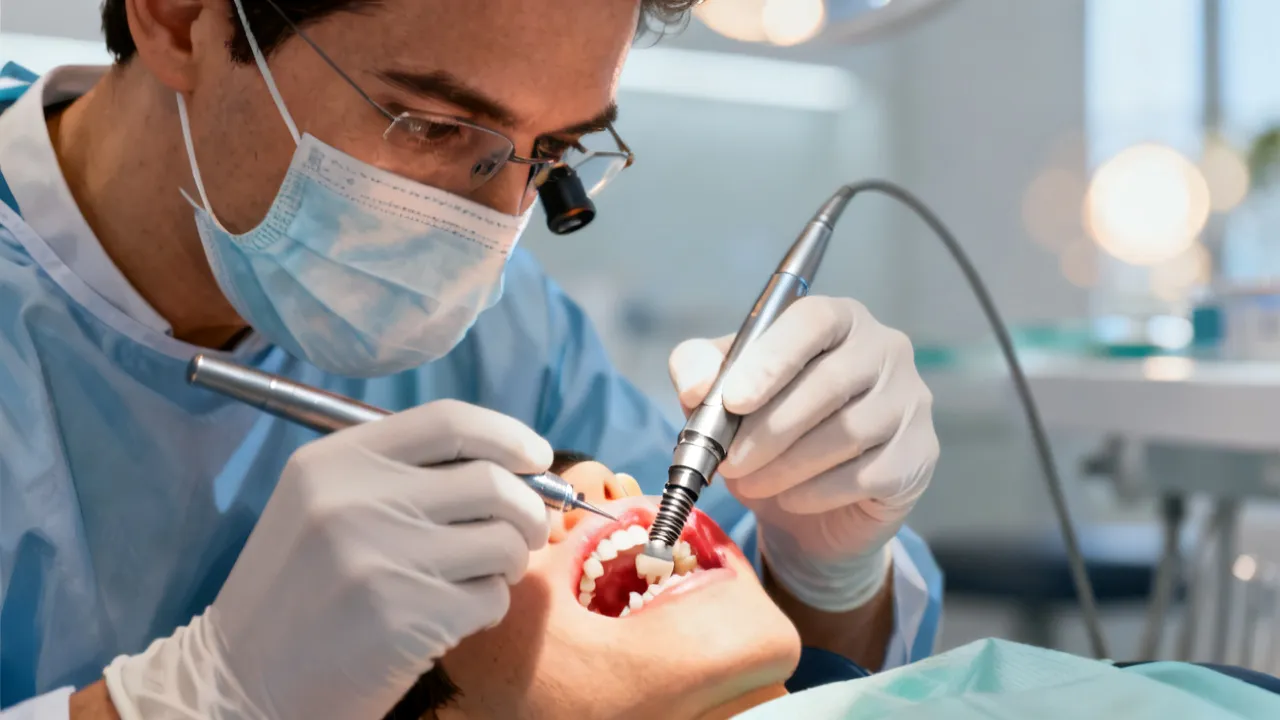
Aftercare begins before a patient leaves the dental clinic. The clinician may provide instructions about gauze pressure, medication, eating, brushing, rinsing, exercise, smoking, and the timing of follow-up appointments. These instructions are not merely administrative details. They are part of the treatment because healing tissues can be disturbed easily during the first hours and days after a procedure.
For patients receiving implants, periodontal aftercare is particularly important because an implant is supported by living gum and bone tissue. The implant itself does not develop tooth decay, but the surrounding tissues can become inflamed. Persistent inflammation around an implant may progress to peri-implant mucositis or peri-implantitis, conditions that can affect the soft tissue and, in more advanced cases, the supporting bone.
From an industry expert’s perspective, aftercare should not be treated as a short instruction sheet handed to a patient after surgery. It is a continuing care program involving the patient, dentist, hygienist, and, when necessary, a periodontist or oral surgeon. The most important factors are timely follow-up, effective plaque control, avoidance of trauma during early healing, and rapid professional assessment when symptoms change.
Patients should also understand that healing is a biological process rather than a fixed calendar event. Two people receiving apparently similar treatment may have different recovery patterns because of age, health, smoking, medication, bone quality, periodontal history, oral hygiene, and the complexity of surgery.
Key Priorities After Periodontal or Implant Treatment
- Protect the surgical area during the first day. Avoid disturbing the clot or wound with fingers, vigorous rinsing, forceful spitting, or unnecessary chewing.
- Control bleeding and swelling according to the clinic’s instructions. Gentle pressure with gauze and an external cold pack may be recommended.
- Maintain appropriate oral hygiene. The rest of the mouth should generally remain clean, while the treated site is cleaned only as directed.
- Take prescribed medication correctly. Antibiotics, analgesics, or antimicrobial rinses should be used only as instructed by the treating clinician.
- Attend scheduled reviews. A follow-up allows the dentist to inspect soft tissue healing, remove sutures when needed, and evaluate implant stability or periodontal response.
- Report warning signs promptly. Worsening pain, persistent bleeding, fever, pus, facial swelling, or implant movement requires professional advice.
- Protect the restoration from excessive force. Temporary crowns and healing components may have specific chewing restrictions.
- Keep treatment records. Implant brand, size, batch information, radiographs, and restoration details can be useful if future care is needed elsewhere.
These recommendations are general educational information. Individual instructions may differ according to the procedure, medical history, implant system, type of graft, and medicines being taken.
Why Periodontal Aftercare Matters for Dental Implants
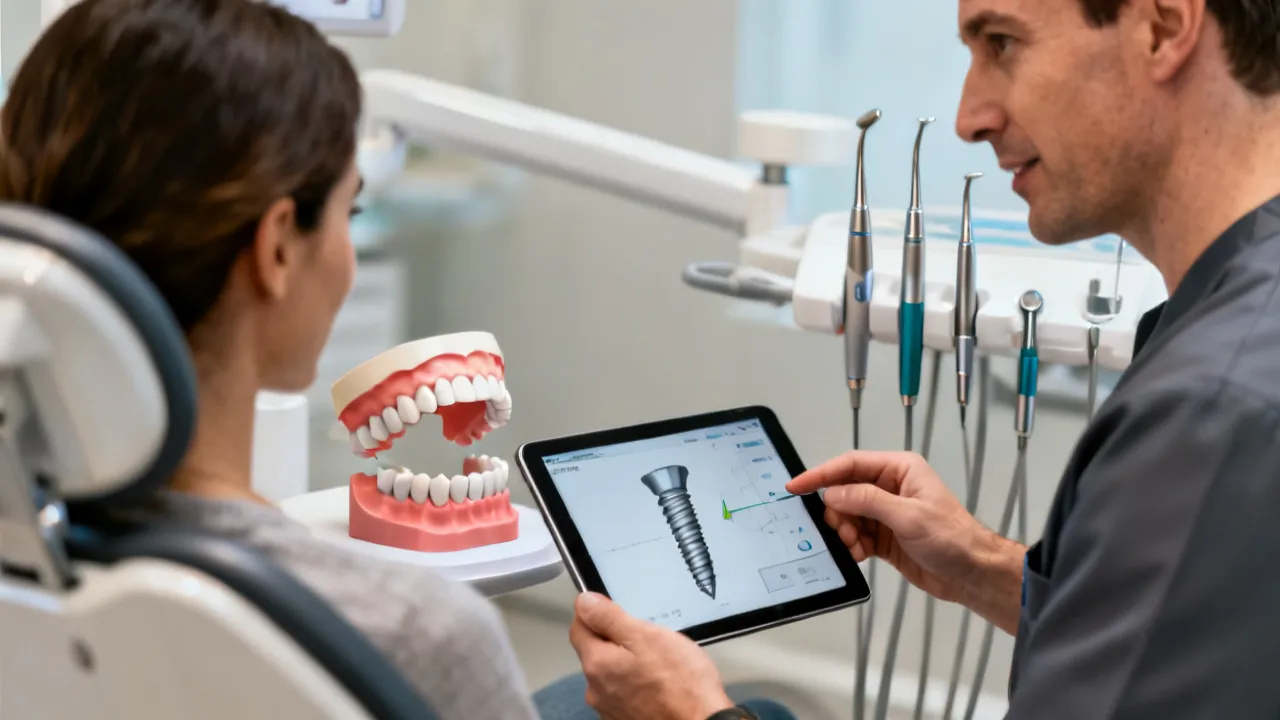
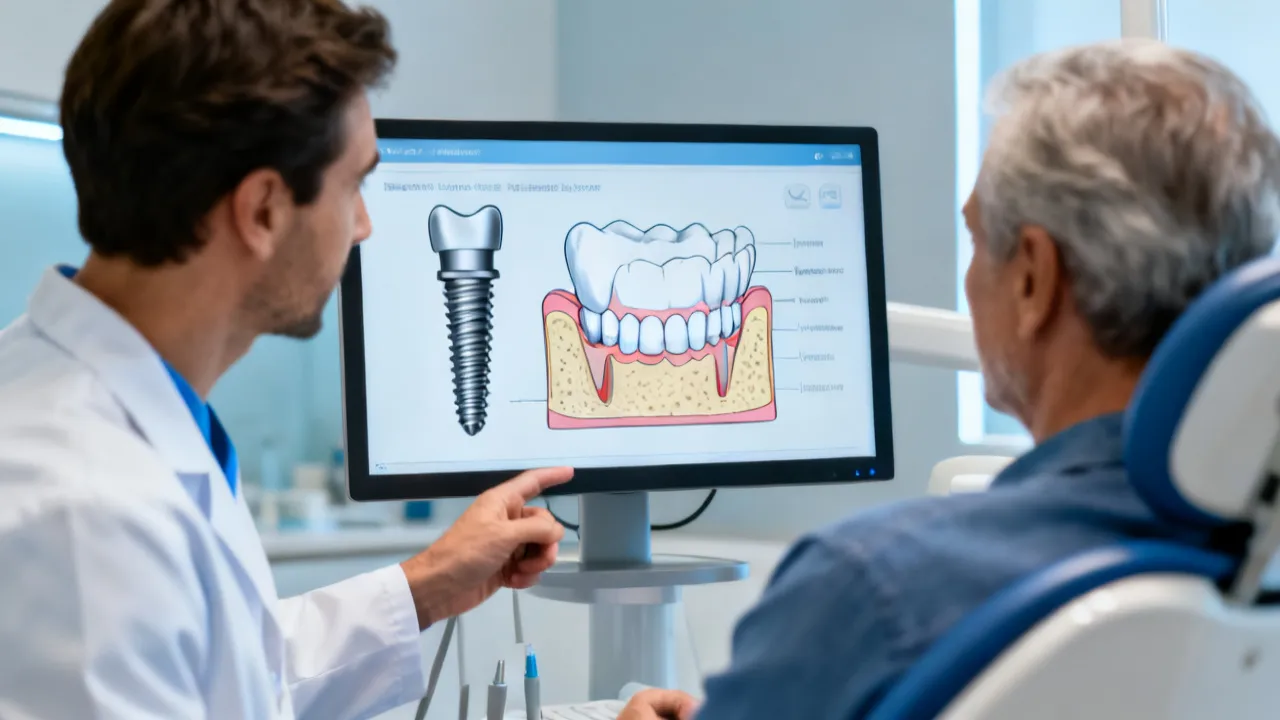
A dental implant replaces the root portion of a missing tooth and normally supports a crown, bridge, or denture. Successful treatment depends on more than the implant fixture. The surrounding bone must remain stable, the gum margin must be sufficiently healthy, and the restoration must be designed so that the patient can clean around it.
Natural teeth are attached to bone through a periodontal ligament, while an implant integrates directly with the surrounding bone. This biological difference changes how inflammation develops and how it should be monitored. A patient may not experience the same sensations around an implant as around a natural tooth, so visual inspection, probing when appropriate, radiographs, and professional maintenance are valuable.
Natural teeth have a periodontal ligament that provides some sensory feedback and allows a small degree of movement. Implants do not have that same ligament. Consequently, a patient may not immediately notice changes in loading or inflammation. A loose crown, bleeding gum, altered bite, or persistent unpleasant taste may be an early indication that an examination is needed.
Existing gum disease is a relevant risk factor. Patients with untreated periodontitis may have bacterial inflammation and reduced ability to maintain plaque control. A responsible implant plan therefore includes a periodontal assessment before surgery rather than focusing only on the replacement tooth.
Smoking, poorly controlled diabetes, inadequate oral hygiene, bruxism, some medications, and insufficient bone volume can also affect treatment planning. None of these factors automatically rules out implants, but they may require additional management or a modified timeline. A patient who discloses these factors honestly gives the dental team a better opportunity to reduce risk.
Immediate 치주 후 처치: The First 24 Hours
Bleeding
Minor oozing is common after an extraction, periodontal procedure, or implant placement. If the clinic has supplied gauze, place it over the area and apply steady, gentle pressure for the period recommended by the dental team. Repeatedly removing the gauze to inspect the wound can interfere with clot formation.
Keep the head elevated rather than lying completely flat if this is comfortable and consistent with the clinician’s advice. Avoid vigorous physical activity, bending repeatedly, or other actions that may increase bleeding during the early period.
Contact the clinic if bleeding remains heavy, continues despite firm pressure, or is accompanied by dizziness or weakness. Patients taking anticoagulants or antiplatelet medicines should not stop them unless the prescribing physician and dental clinician coordinate that decision. Abruptly stopping these medicines can create serious medical risks.
Swelling and Bruising
Swelling often increases during the first several days before gradually improving. A cold pack wrapped in cloth may be placed on the outside of the cheek for short intervals, provided this is consistent with the clinic’s instructions. Do not apply ice directly to the skin.
Some bruising can occur, particularly after more extensive surgery. However, swelling that rapidly worsens, affects swallowing or breathing, or extends toward the eye or neck requires urgent medical assessment. A patient should not wait for a routine appointment if these symptoms appear.
Pain Control
Some soreness is expected after surgery. Take prescribed pain medication according to the directions provided. If an over-the-counter medicine is recommended, follow the dose limits on the label and tell the clinician about stomach ulcers, kidney disease, liver disease, allergies, pregnancy, and other medicines.
Do not combine medicines casually or take a friend’s prescription. In particular, patients should ask about interactions between pain medicines, anticoagulants, sedatives, and alcohol. Pain that becomes substantially worse after initially improving may indicate infection, a disturbed extraction site, or another problem requiring evaluation.
Eating and Drinking
Choose soft, cool, or lukewarm foods that require limited chewing. Examples include yogurt, eggs, soft vegetables, oatmeal, soups that are not hot, and blended meals consumed with a spoon. Avoid hard crusts, seeds, nuts, chips, sticky foods, and items that can lodge around the surgical site.
Drink water unless a medical professional has restricted fluid intake. Avoid very hot drinks during the early period because heat may increase discomfort or bleeding. Do not use a straw unless the clinician specifically permits it, because suction can disturb a healing extraction site.
Alcohol should be avoided during the early recovery period, especially when it may interact with medication. Smoking and vaping can impair wound healing and should be avoided as advised by the dental team. Nicotine exposure can reduce blood flow and make it more difficult for tissues to recover.
Rinsing and Spitting
During the first day, forceful rinsing and spitting may disrupt the protective clot. After the initial period, the clinician may recommend a gentle salt-water rinse or a prescribed antimicrobial rinse. The correct timing depends on the procedure, so patients should follow the written instructions supplied by the clinic.
When rinsing is permitted, allow the liquid to move gently around the mouth rather than swishing forcefully. Let it fall from the mouth without vigorous spitting. Do not place aspirin, alcohol, peroxide, or other household products directly on the wound unless specifically instructed by a dental professional.
Oral Hygiene During Healing
Good oral hygiene remains essential after implant surgery, but the technique must be adapted temporarily. Brush the untreated teeth with a soft-bristled toothbrush. Around the surgical site, use the method recommended by the clinician. In some cases, brushing is paused briefly in that area; in others, a very soft brush may be used carefully.
Allowing plaque to accumulate throughout the mouth can increase the bacterial burden and make recovery more difficult. Therefore, temporary protection of one surgical site should not become a reason to stop brushing all teeth. The dental team can explain exactly where normal brushing should continue and where modified care is needed.
Once the site has healed sufficiently, cleaning between teeth and around the implant becomes a central part of long-term 치주 후 처치. Possible tools include interdental brushes, implant-specific floss, water irrigation devices, and single-tuft brushes. The best choice depends on the shape of the restoration and the available space.
Patients should not force floss under a gum line or use a sharp instrument to remove deposits. A hygienist can demonstrate the correct angle and pressure. A cleaning method that causes repeated bleeding, discomfort, or tissue damage should be reviewed rather than continued without guidance.
Some implant restorations have a bulky contour or a connected bridge design that makes ordinary floss difficult to use. In such cases, a threaded floss, specialized brush, oral irrigator, or professional cleaning appointment may be necessary. The objective is not to use a particular product but to remove plaque from the surfaces that are actually accessible.
Typical Recovery Milestones
| Period | Common focus |
|---|---|
| First day | Protect the clot or wound, follow medication instructions, manage bleeding and swelling, and choose soft foods. |
| First week | Attend the planned review, follow suture instructions, gradually resume hygiene around the area, and monitor pain or swelling. |
| Following weeks | Continue plaque control, avoid unnecessary pressure on a temporary restoration, and attend further checks as advised. |
| Following months | Allow bone and soft tissue to mature according to the treatment plan before final loading or restoration. |
| Long term | Maintain professional periodontal care, inspect the implant and restoration, and follow a personalized recall schedule. |
The timetable varies. A simple implant placement may heal differently from a procedure involving extraction, bone augmentation, sinus elevation, or periodontal regeneration. “Feeling better” does not necessarily mean that bone integration is complete, so patients should not use comfort alone to decide when to chew normally or resume strenuous activities.
Sutures may dissolve naturally or may need to be removed in the clinic. A temporary crown may be placed out of contact with opposing teeth to reduce load during healing. Patients should not adjust or remove a temporary component themselves, even if it feels unusual.
Warning Signs That Need Professional Attention
Some discomfort is expected after surgery, but the overall pattern should gradually improve. Contact the dental clinic if any of the following occurs:
- Bleeding that does not respond to the clinic’s pressure instructions.
- Pain that becomes more severe after initially improving.
- Persistent or increasing swelling, particularly with fever.
- Pus, a persistent unpleasant taste, or a foul odor from the treatment site.
- Difficulty breathing, swallowing, or opening the mouth.
- Numbness that lasts longer than the period explained by the clinician.
- A loose implant, loose healing abutment, or mobile temporary restoration.
- Progressive gum recession, bleeding, or tenderness around an established implant.
- A sudden change in the way the teeth meet or a restoration that repeatedly fractures.
Breathing difficulty, rapidly expanding facial swelling, or severe systemic symptoms should be treated as urgent medical concerns. Patients should use the emergency pathway provided by their clinic or local health service.
It is useful to describe symptoms accurately when contacting the clinic. Note when the problem started, whether it is improving or worsening, the location of pain or swelling, any fever, and the medicines already taken. Photographs may help the clinician understand visible swelling, but they do not replace an examination.
Long-Term Maintenance Around Implants
After the initial healing period, maintenance usually includes daily home care and periodic professional examinations. The recall interval is not identical for every patient. A person with a history of periodontitis, heavy plaque accumulation, smoking exposure, diabetes, or complex implant rehabilitation may need closer monitoring than someone with stable periodontal health.
At review visits, the clinician may assess the gum appearance, plaque and calculus, pocket measurements where appropriate, bleeding, occlusion, restoration integrity, and radiographic bone levels when clinically indicated. Routine radiographs should be based on clinical judgment rather than performed without a reason.
A maintenance visit is more than a polishing appointment. The clinician may compare present findings with baseline records and previous measurements. Small changes in bleeding, probing depth, gum contour, or bone levels can be significant when viewed over time. Patients should bring information about changes in health or medication to each appointment.
Avoid using abrasive products aggressively around implant restorations. Some whitening materials and polishing methods are not suitable for every crown or prosthetic surface. Ask the dentist or hygienist which toothpaste, brush, and interdental device are compatible with the restoration.
Bruxism, clenching, and other excessive bite forces may contribute to chipped crowns, screw loosening, discomfort, or mechanical complications. A protective night guard may be considered for selected patients, but it should be designed and monitored by the dental team.
How to Plan Dental Implants at Lower Cost in English-Speaking Markets
Lower cost should mean a carefully compared treatment plan, not a compromise in diagnosis, sterilization, materials, or follow-up. The following process can help patients evaluate affordability responsibly.
- Obtain a complete examination. Request an assessment of periodontal health, remaining teeth, bone volume, bite, medical history, and smoking status. A low initial quotation is difficult to interpret without this information.
- Ask for an itemized estimate. Confirm whether the quoted amount includes the consultation, imaging, extraction, bone grafting, implant fixture, abutment, crown, temporary tooth, medication, follow-up, and maintenance.
- Compare like with like. An implant-only price may not include the crown. Compare the same treatment components, implant brand category, laboratory work, warranty terms, and number of visits.
- Check clinician qualifications and facility standards. Verify professional registration through the relevant national or regional authority. Ask who performs surgery, who provides the prosthetic restoration, and how complications are managed.
- Consider staged treatment. When clinically suitable, a patient may complete urgent disease control first and plan restorative stages later. This can make budgeting more manageable without reducing the quality of essential care.
- Ask about alternatives. A conventional bridge, removable partial denture, or treatment of a compromised tooth may be appropriate in selected cases. The cheapest initial option is not always the least expensive over its full service period.
- Review insurance and dental plans. Coverage differs substantially. Some plans contribute toward crowns or extractions but exclude the implant fixture, bone grafting, or specialist fees. Obtain written confirmation before treatment.
- Evaluate travel costs. Dental tourism can involve flights, accommodation, time away from work, translation, and return visits. A distant clinic may become more expensive if a complication requires another journey.
- Plan follow-up before surgery. Ask how postoperative reviews will occur, who will treat an emergency, and whether a nearby dentist can access implant records and component details.
- Do not select a clinic solely by headline price. Sterilization, diagnostic imaging, experienced staff, traceable components, and an accessible aftercare pathway are essential parts of value.
Patients should be especially careful with advertisements that use terms such as “guaranteed,” “permanent,” or “all-inclusive” without explaining limitations. No responsible clinician can eliminate every biological or mechanical risk. A good quotation identifies what is known, what may change after imaging or surgery, and how additional procedures would be priced.
Conditions and Requirements Before Seeking a Lower-Cost Implant
Patients should generally expect the clinic to request medical and dental information before confirming treatment. This may include a medication list, allergies, previous periodontal treatment, smoking history, diabetes status, previous radiation therapy, and details of bone or soft-tissue procedures.
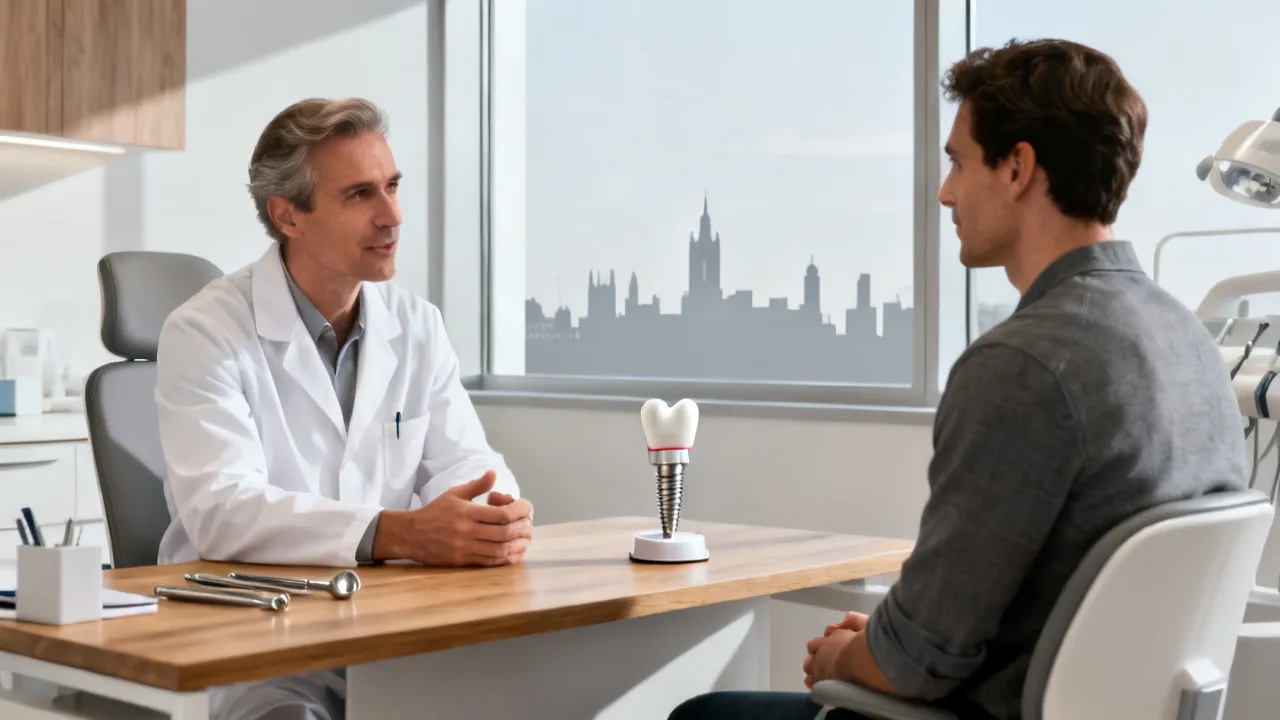
Active periodontal infection should normally be addressed before implant placement. Oral hygiene instruction may be recommended, and loose or severely damaged teeth may require treatment planning. Where bone volume is insufficient, a graft or an alternative restorative approach may be discussed. The clinician should explain the risks, expected sequence, healing periods, and maintenance requirements in language the patient understands.
Patients traveling across borders should also verify consent documents, implant passports or component records, emergency contacts, and the legal process for complaints. Translation support can reduce misunderstandings, but it does not replace a detailed clinical explanation.
Before consenting, patients should ask whether the proposed treatment is immediate or delayed, whether a temporary tooth will be provided, how long healing is expected to take, and what happens if the implant cannot be placed as planned. These questions may reveal important differences between apparently similar estimates.
Comparison of Websites Offering Dental Implant Information
The following websites represent different types of information sources. Some are clinic websites, while others focus on cost comparisons, insurance, dental plans, or dental tourism. Readers should distinguish promotional material from independent clinical guidance and confirm all treatment claims directly with a licensed dental professional.
| Website or organization | Primary features |
|---|---|
| Dental Views | Information about lower-cost dental implants, treatment types, possible benefits, process questions, and pricing considerations. |
| Atlantic Dental Group | Clinic information covering general dentistry, implants, orthodontics, cleaning, emergency care, appointments, and professional services. |
| DentaVacation | Dental tourism information, international treatment comparisons, travel planning, and affordability considerations. |
| American Dental Health Plans | Dental coverage information, plan comparisons, applications, and ways insurance may contribute to dental expenses. |
| Rockville Dental Arts | Spanish-language access to services such as implants, whitening, cleaning, orthodontics, and emergency dental care. |
| Union City Mini Dental Implants | Spanish-language information about mini dental implants and treatment for selected areas of tooth loss. |
| Cigna Dental Implant Guide | Spanish-language educational material explaining implant treatment and related considerations from an insurer’s perspective. |
| Rubi Odonto | Brazilian clinic information covering orthodontics, whitening, implants, and general dental services in Santo André, São Paulo. |
| Odontologia Velasco | Brazilian clinic information about implants, prostheses, aesthetic dentistry, and technology-supported care in São Paulo. |
| DentalVidas | Dental plan information for individuals, families, and businesses, including network and emergency-service details. |
source: www.dentalviews.com
source: www.atlanticdentalgrp.com
source: www.dentavacation.com
source: www.rockvilledentalarts.com
source: www.unioncityminidentalimplants.com
source: www.cigna.com
source: www.rubiodonto.com.br
source: www.odontologiavelasco.com.br
source: www.dentalvidas.com.br
Indicative Cost Ranges for One Dental Implant
The figures below concern an individual dental implant and are intended for comparison only. They may refer to different inclusions in different markets. In many clinics, the total restoration cost may include separate charges for imaging, extraction, grafting, abutment, crown, temporary restoration, sedation, and follow-up.
| Country | Currency | Indicative price range |
|---|---|---|
| United States | USD | $3,000–$6,000 |
| United Kingdom | GBP | £2,000–£2,500 |
| Australia | AUD | AU$3,500–AU$6,500 |
| Canada | CAD | CA$3,000–CA$5,500 |
| Spain | EUR | €1,500–€2,500 |
| Chile | CLP | CLP$800,000–CLP$1,500,000 |
| Mexico | MXN | $15,000–$25,000 |
| Colombia | COP | $2,000,000–$4,000,000 |
| Peru | PEN | S/ 3,000–S/ 6,000 |
| Argentina | ARS | $80,000–$150,000 |
| Brazil | BRL | R$3,000–R$8,000 |
| Portugal | EUR | €1,000–€2,000 |
| Germany | EUR | €2,000–€3,500 |
| France | EUR | €1,500–€2,500 |
| Italy | EUR | €1,500–€3,000 |
| Japan | JPY | ¥300,000–¥700,000 |
source: Dental Views implant cost information
source: Cigna dental implant guide
How to Compare Costs Across Countries
International comparisons require caution. Currency values change, and the same label—“one implant”—can describe different packages. One quotation may include the crown and abutment, while another may cover only the titanium or ceramic implant fixture. A patient should request a written treatment map that identifies every stage.
Clinical complexity is another major variable. A front tooth may require highly detailed soft-tissue management for appearance. A back tooth may need consideration of chewing forces and available bone. Previous infections, tooth removal, sinus anatomy, gum recession, and bite problems can add procedures to the plan.
Location also affects expenses. Major cities may have higher facility and laboratory costs, while rural or suburban clinics may offer different fee structures. However, lower overhead alone does not establish clinical quality. Patients should assess credentials, hygiene standards, diagnostic protocols, laboratory traceability, and aftercare access.
Exchange rates can change between the consultation and the final payment. Patients should ask which currency will be used, whether card or bank-transfer fees apply, and whether the quoted price is fixed for a defined period. A written quotation should also explain taxes and any charges for urgent or additional appointments.
Dental Tourism and Continuity of Care
Dental tourism can appear financially attractive when treatment prices differ between countries. It is most suitable for patients who understand the complete itinerary and have a realistic plan for review. Implant dentistry often involves several stages, and healing cannot always be compressed to fit a short visit.
Before traveling, ask:
- Will the first consultation include three-dimensional imaging when clinically indicated?
- Who will perform implant placement and who will provide the final crown?
- How long should the patient remain nearby after surgery?
- What happens if the implant does not integrate or the restoration fractures?
- Will the clinic provide implant brand, size, batch, and restoration records?
- Can a local clinician manage an urgent problem if the patient returns home?
- Are translation, accommodation, transport, and repeat visits included in the estimate?
- Who pays for travel if a return visit is needed because of a complication?
A clinic that avoids discussing complications or pressures a patient to make a rapid decision should be approached cautiously. A transparent provider explains both benefits and limitations and allows time for informed consent.
Patients should be careful about having irreversible procedures performed during a single rushed visit. A second opinion in the patient’s home country may help clarify whether extractions, grafting, or immediate implants are necessary. Dental records should be transferred securely to any local dentist who will provide continuing care.
Insurance, Dental Plans, and Payment Questions
Insurance coverage for implants varies by policy, employer plan, location, and medical necessity rules. Some policies exclude implants entirely, while others provide benefits for the crown, extraction, or an alternative prosthesis. Dental plans may offer negotiated fees but are not necessarily insurance contracts.
Before authorizing treatment, request a pre-treatment estimate where available. Ask whether annual limits, waiting periods, exclusions, missing-tooth clauses, specialist requirements, or network rules apply. Confirm whether periodontal treatment must be completed before restorative benefits are considered.
Payment plans should also be examined carefully. Patients should understand the total amount payable, interest, cancellation conditions, refund policy, and what happens if the clinical plan changes. Financial convenience should not replace clinical suitability.
Ask whether maintenance appointments are included in the first year and whether the warranty covers only the implant fixture or also the abutment, crown, laboratory work, and professional fees. A warranty may have conditions related to smoking, attendance at maintenance visits, or use of an approved clinician.
Periodontal Health Before Implant Placement
Healthy gums provide a more favorable foundation for restorative treatment. A periodontal evaluation may include a review of bleeding, pocket depth, recession, tooth mobility, plaque accumulation, and bone levels. Where periodontitis is present, initial therapy may involve professional debridement, home-care instruction, risk-factor management, and reassessment.
Patients should tell the dentist about diabetes, immune conditions, osteoporosis medication, blood-thinning medication, allergies, pregnancy, and previous complications with anesthesia or surgery. Medication changes must be coordinated with the prescribing physician.
Smoking cessation or reduction is often discussed because tobacco exposure can affect healing and periodontal stability. The clinician can provide individualized advice and identify support services. Patients should not conceal smoking status when seeking a treatment estimate, since it may influence both risk assessment and follow-up.
The remaining natural teeth should also be considered. An implant may replace one missing tooth, but untreated cavities, cracked teeth, unstable fillings, and active gum disease elsewhere can continue to affect oral health. Comprehensive planning may improve the long-term outlook of both the implant and the natural dentition.
Nutrition and Daily Habits During Recovery
Nutrition supports general recovery, but there is no single diet that guarantees implant success. Choose foods that provide adequate protein and energy while avoiding textures that traumatize the surgical area. Drink water unless a medical condition requires fluid restriction.
As healing progresses, return gradually to normal chewing. Do not test an implant by deliberately applying heavy force, biting hard objects, or using it to open packaging. A temporary crown may have a different loading protocol from a final restoration.
Sleep with the head slightly elevated if recommended, and avoid strenuous exercise during the period specified by the clinic. Exercise restrictions vary according to the extent of surgery and the patient’s medical condition.
Patients who wear removable dentures should ask whether the denture can be worn immediately after surgery. In some cases, it may need adjustment or limited use to prevent pressure on a graft or implant. Do not modify the denture at home with adhesive, filing, or cushioning material without professional guidance.
Professional Maintenance and Home Care Checklist
| Task | Purpose |
|---|---|
| Brush twice daily with an appropriate soft brush | Reduce plaque on natural teeth, implant crowns, and accessible gum margins. |
| Clean between teeth and beneath prostheses | Remove deposits that brushing alone may not reach. |
| Attend periodontal maintenance visits | Identify inflammation, calculus, changes in pocket measurements, or restoration problems. |
| Report bleeding or mobility | Allow early assessment before a minor issue becomes more difficult to manage. |
| Protect against excessive bite forces when indicated | Reduce the risk of chipping, loosening, or overloading the restoration. |
| Update the dental team about medical changes | Allow medication, recall, and treatment decisions to remain appropriate. |
| Keep implant and restoration records | Support continuity of care if the patient changes dentist or moves to another country. |
Frequently Asked Questions
What is the meaning of 치주 후 처치?
치주 후 처치 means periodontal aftercare or post-periodontal treatment care. It includes wound protection, oral hygiene, medication adherence, professional reviews, and long-term monitoring after gum or implant-related treatment.
How long does implant aftercare continue?
Immediate care is concentrated in the first days and weeks, but maintenance continues for as long as the implant and restoration remain in service. The exact recall schedule depends on periodontal risk, hygiene, restoration design, medical factors, and clinical findings.
Is bleeding around an implant normal?
Minor bleeding may occur shortly after surgery, but recurrent bleeding around an established implant should be assessed. It can indicate plaque-associated inflammation or another local problem. Do not assume that repeated bleeding is harmless.
Can periodontal disease return after implant treatment?
Periodontitis affects natural teeth, while inflammation around implants is described using terms such as peri-implant mucositis and peri-implantitis. A history of periodontal disease may increase the need for careful maintenance, but individualized risk management can help protect both natural teeth and implants.
Does a lower implant price mean lower quality?
Not necessarily. Prices can differ because of local costs, clinic structure, laboratory fees, treatment complexity, and package inclusions. Nevertheless, an unusually low quotation should be examined carefully to determine whether essential diagnostic, surgical, restorative, or follow-up services are excluded.
What should an implant quotation include?
Ask whether it includes consultation, imaging, extraction, grafting, implant placement, abutment, crown, temporary restoration, anesthesia or sedation, medication, follow-up, and management of complications. Request the implant manufacturer and restoration laboratory details when available.
Are mini dental implants suitable for everyone?
Mini implants have specific indications and limitations. Suitability depends on bone anatomy, the intended restoration, bite forces, medical history, and the clinician’s assessment. They should not be selected solely because the initial fee is lower or the procedure appears simpler.
Can a patient travel home immediately after implant surgery?
The appropriate waiting period depends on the operation and the treating clinician’s advice. Patients should arrange a postoperative review and understand how urgent problems will be handled after returning home. Travel costs and possible repeat visits belong in the overall budget.
When can normal brushing resume?
Brush untreated areas as usual unless instructed otherwise. The surgical site may require a temporary modification in technique. Resume direct cleaning around the area only according to the clinician’s instructions, particularly if sutures, graft material, or a temporary restoration is present.
What is the most important factor in long-term implant care?
There is no single factor for every patient, but consistent plaque control and scheduled professional monitoring are central. Early reporting of bleeding, discomfort, swelling, or mobility also improves the chance of timely intervention.
Can an implant be repaired if it becomes loose?
The answer depends on what is loose. A crown or abutment may sometimes be tightened or replaced, while mobility of the implant fixture itself can indicate a more serious biological or mechanical problem. Patients should avoid chewing on the area and arrange an examination rather than attempting to tighten anything at home.
Is an implant maintenance visit necessary if there is no pain?
Yes. Inflammation may develop without obvious pain, particularly in its early stages. Maintenance visits help identify changes that a patient may not see or feel and provide an opportunity to clean difficult areas and adjust home-care techniques.
Practical Decision Framework
A sound decision begins with health rather than price. First, establish whether the tooth can be predictably retained and whether an implant is clinically appropriate. Next, stabilize periodontal disease and other oral infections. Then compare complete written treatment plans from appropriately qualified clinicians.
Evaluate the cost over the full course of care, including diagnostics, travel, time away from work, maintenance, replacement of prosthetic parts, and the possibility of additional treatment. A transparent plan should explain uncertainties rather than promise a guaranteed result.
Patients can also ask for a second opinion, especially when the proposed treatment includes multiple extractions, extensive grafting, immediate loading, or a complex full-arch restoration. The purpose of a second opinion is not to seek the lowest number, but to clarify diagnosis, alternatives, sequencing, and expected aftercare.
A useful comparison worksheet can list the proposed procedure, clinic and clinician, imaging included, periodontal treatment required, implant and crown components, temporary restoration, number of visits, estimated healing period, follow-up location, total price, exclusions, and complication policy. Putting these details side by side often reveals why quotations differ.
Conclusion
치주 후 처치 is a core component of responsible periodontal and implant care. The early priorities are protecting the wound, controlling symptoms, following medication instructions, and recognizing warning signs. Over the longer term, successful maintenance depends on effective daily cleaning, professional reviews, risk-factor management, and a restoration that the patient can keep clean.
Patients comparing lower-cost dental implants should request itemized estimates, verify clinical qualifications, compare equivalent treatment packages, and account for travel and follow-up. Country-based price ranges can provide a starting point, but they cannot replace a personalized examination. A clinically appropriate plan with accessible aftercare is generally more valuable than a headline price that omits essential services.
Good aftercare is a shared responsibility. The dental team must provide clear instructions, appropriate monitoring, and timely intervention, while the patient must follow the plan, maintain hygiene, attend reviews, and communicate changes. When both sides take these responsibilities seriously, the likelihood of identifying problems early and preserving oral function improves.
References and Links
- Dental Views: Low-Cost Dental Implants
- Atlantic Dental Group
- DentaVacation
- Rockville Dental Arts, Spanish-language website
- Union City Mini Dental Implants, Spanish-language website
- Cigna: Guide to Dental Implants
- Rubi Odonto
- Odontologia Velasco
- DentalVidas
Disclaimer
1. The information above comes from online resources, and the data is as of October 2023.
2. Dental implant prices are for reference only and may vary by region, clinic, doctor, treatment complexity, materials, laboratory fees, insurance coverage, and the services included in the quotation. This article is educational and does not replace an examination or individualized advice from a licensed dental professional.
3. Emergency symptoms such as difficulty breathing or swallowing, rapidly increasing facial swelling, uncontrolled bleeding, or severe systemic illness require urgent medical attention. Contact the treating clinic or local emergency service rather than relying solely on online information.