Why Teeth Fall Out and Affordable Implant Options
This guide explains the main reasons teeth fall out, how to respond safely, and how to evaluate dental implants and lower-cost treatment options in several language markets. Tooth loss may result from gum disease, untreated decay, trauma, aging-related changes, or medical factors. The article also compares dental-information websites, outlines practical ways to control implant expenses, and presents reference price ranges for one implant, while emphasizing clinical evaluation and regional price differences.
Key Takeaways About Tooth Loss and Dental Implants
The Korean phrase 이가 빠지는 이유 means “the reasons teeth fall out.” Understanding these causes is the first step toward choosing an appropriate response. A loose or missing tooth is not simply a cosmetic issue: it can affect chewing, speech, neighboring teeth, bite balance, facial appearance, and the condition of the jawbone. However, not every missing tooth requires an implant, and implant treatment is not always the immediate first choice.
- Adult teeth should not normally become loose without a cause. Common explanations include gum disease, advanced tooth decay, dental trauma, root damage, and certain medical or medication-related conditions.
- Urgent symptoms require prompt dental assessment. Facial swelling, fever, uncontrolled bleeding, severe pain, difficulty swallowing, difficulty breathing, or a tooth knocked out by trauma should be treated as urgent concerns.
- Dental implants replace the root portion of a missing tooth. They generally require adequate bone, healthy soft tissue, good oral hygiene, and a treatment plan that may include a crown, imaging, or bone grafting.
- Lower-cost care should be compared by total treatment scope, not by the advertised implant fixture alone. Abutments, crowns, diagnostic scans, grafting, anesthesia, follow-up visits, and maintenance may be billed separately.
- Prices vary substantially. The ranges in this article are historical reference figures supplied for October 2023 and should not be treated as current quotations.
- Replacing a missing tooth is a planned healthcare decision. The safest choice depends on the cause of tooth loss, the condition of the surrounding teeth, the patient’s general health, and the ability to maintain the restoration.
From an industry perspective, the safest cost-saving strategy is usually early diagnosis and careful treatment planning. Selecting a clinic solely because it advertises the lowest headline price can create additional expenses if the treatment is incomplete, if follow-up is difficult, or if a complication develops. A realistic comparison includes the cost of diagnosis, disease control, surgery, restoration, maintenance, and possible future repairs.
What Does “이가 빠지는 이유” Mean?
“이가 빠지는 이유” is a Korean dental-health search term used when people want to understand why a tooth has become loose or has fallen out. The phrase may refer to a child losing a primary tooth, an adult losing a permanent tooth, or a person noticing progressive mobility before the tooth is lost. These situations have different implications.
Children typically lose primary teeth as permanent teeth develop underneath them. This is a normal developmental process, although unusual pain, swelling, discoloration, prolonged bleeding, or an atypical eruption pattern deserves professional review. Permanent teeth, by contrast, are intended to last throughout adult life. Their loss is usually associated with disease, injury, structural damage, or a wider health factor.
A tooth that appears to have “fallen out” may also be only part of the tooth. For example, a crown can fracture while the root remains in the gum or bone. A dentist may need radiographs or three-dimensional imaging to determine whether the tooth is absent, broken, impacted, or hidden by swelling. A retained root fragment may require a different procedure from the replacement of a completely missing tooth.
The timing of tooth loss also matters. A tooth that becomes loose over several months may suggest periodontal destruction, while a tooth that suddenly breaks during a meal may indicate a crack or advanced decay. A tooth lost immediately after an accident must be managed differently from a tooth removed after a long period of infection. Describing the sequence accurately helps the dentist select appropriate tests and treatment.
Main Reasons Adult Teeth Become Loose or Fall Out
1. Periodontal or Gum Disease
Gum disease is one of the most important causes of adult tooth mobility and tooth loss. It begins when bacterial plaque accumulates around the teeth and triggers inflammation. In its early form, commonly called gingivitis, the gums may bleed during brushing and appear red or swollen. If the condition progresses, the inflammation can damage the tissues and bone supporting the teeth. This advanced stage is often called periodontitis.
As supporting bone is lost, teeth may become mobile even when the visible crown appears intact. Some people experience little pain, which can make gum disease especially difficult to recognize without regular dental examinations. Other signs may include persistent bad breath, gum recession, pus around a tooth, spaces developing between teeth, changes in the bite, or teeth appearing longer because the gum has receded.
Risk factors include inadequate plaque control, tobacco use, diabetes that is not well controlled, genetic susceptibility, certain medications, hormonal changes, immune conditions, and difficulty accessing dental care. Stress and poor sleep may also make oral-care routines more difficult, although they are not by themselves a direct explanation for every case of tooth loss.
When a tooth is lost because of periodontitis, implant treatment must be planned carefully. Active infection and uncontrolled inflammation can compromise the tissues around a new implant. Periodontal stabilization, professional cleaning, home-care instruction, and continuing maintenance may therefore be required before or after implant placement. In some cases, several teeth have a poor prognosis, so the dentist must plan the entire bite rather than replace one tooth in isolation.
2. Extensive Tooth Decay
Dental caries can destroy the enamel and dentin and eventually reach the pulp, where the nerves and blood vessels are located. A badly decayed tooth may develop infection, fracture, or insufficient remaining structure for a durable filling or crown. In some cases, root canal treatment and restoration can preserve it. In others, extraction becomes the more predictable option.
Decay is influenced by frequent sugar exposure, plaque, reduced saliva, acid-related erosion, oral hygiene, fluoride exposure, and individual susceptibility. A person should not assume that a painless cavity is harmless. Nerve tissue can die, temporarily reducing pain while infection continues in the surrounding bone. A tooth may therefore require treatment even after the original sensitivity disappears.
Large fillings can also weaken a tooth over time, especially when little natural structure remains. A tooth with a substantial restoration may fracture under normal chewing forces. Preventive examinations can identify weakened areas before a fracture extends below the gum line, where saving the tooth becomes more difficult.
3. Trauma and Accidents
Sports injuries, falls, vehicle collisions, workplace accidents, and blows to the face can loosen, displace, fracture, or completely remove a tooth. A permanent tooth that has been knocked out may sometimes be repositioned and stabilized if treatment is obtained quickly. The exact first-aid steps depend on the situation, but the tooth should generally be handled by its crown rather than its root, and emergency dental advice should be sought immediately.
Even when a tooth appears to recover after trauma, the pulp may later become inflamed or non-vital. Follow-up examinations are important because discoloration, sensitivity changes, root resorption, or infection can develop after the original injury. Trauma can also damage the bone or neighboring teeth, so treatment should not focus only on the tooth that is visibly displaced.
Children and teenagers who injure developing permanent teeth require particularly careful follow-up. The root may not yet be fully formed, and the treatment options can differ from those used for adults. A dental professional can determine whether observation, stabilization, pulp treatment, or later restoration is appropriate.
4. Cracks, Fractures, and Overload
A tooth can split because of biting hard objects, bruxism, large restorations, repeated stress, or an accident. Some cracks are difficult to identify because the pain may occur only when biting or releasing a bite. A vertical root fracture may make a tooth unsuitable for preservation, while a smaller crown fracture may be repairable.
Teeth can also become overloaded if the bite is unbalanced or if a person clenches and grinds during sleep. Bruxism does not automatically cause tooth loss, but it can accelerate wear, fracture restorations, and increase pressure on already weakened teeth. A dentist may consider a protective appliance, bite adjustment, restorative treatment, or management of contributing stress and sleep factors.
It is important not to diagnose a cracked tooth solely by its symptoms. Similar pain can result from decay, gum disease, sinus-related pressure, or a loose restoration. Examination, bite testing, magnification, and imaging may be needed to locate the source.
5. Untreated Infection
An infection from a cavity, crack, or gum pocket can spread into the tissues around a tooth. Warning signs include swelling, throbbing pain, pus, a bad taste, fever, or difficulty opening the mouth. In severe cases, swelling can affect swallowing or breathing and requires emergency medical attention.
Antibiotics may be appropriate in selected circumstances, but they do not replace removal of the source of infection. Definitive treatment may involve drainage, root canal therapy, periodontal care, or extraction. An implant is generally considered only after the infection has been controlled and the site has been assessed.
Trying to treat a dental abscess only with leftover medication can delay effective care and may allow the infection to return. Patients should use antibiotics only as prescribed and should complete the recommended dental treatment even if pain improves.
6. Medical Conditions and Medications
Some systemic conditions can influence bone metabolism, immune response, saliva production, or wound healing. Diabetes, osteoporosis, nutritional deficiencies, immune disorders, and hormonal changes may affect oral health, although they do not mean that tooth loss is inevitable. Certain medications can also contribute to dry mouth or influence bone treatment decisions.
Patients should provide a complete medical and medication history before extraction or implant surgery. Particular attention may be needed for medicines that affect blood clotting, immune function, or bone turnover. Patients should never stop prescribed medication without consulting the prescribing clinician and dentist.
A health condition does not automatically disqualify someone from receiving an implant. Instead, it may require coordination with a physician, additional laboratory information, timing adjustments, or closer monitoring. The goal is to control modifiable risks and select a treatment plan that is appropriate for the individual.
7. Oral Dryness, Diet, and Access to Care
Reduced saliva can increase the risk of decay because saliva helps neutralize acids and clear food particles. Dry mouth may be associated with medication, medical treatment, dehydration, or certain health conditions. Frequent intake of acidic or sugary drinks can further increase risk.
Delayed examinations, cost concerns, transportation difficulties, language barriers, and limited availability of dental services can allow small problems to become more complex. A practical prevention plan should therefore address not only brushing but also access, appointment scheduling, insurance or dental-plan benefits, and communication with the care team.
People who have difficulty using standard toothbrushes or floss should ask about alternatives rather than abandoning daily care. An electric toothbrush, an enlarged handle, interdental brushes, or assistance from a caregiver may make oral hygiene more realistic.
When a Loose or Missing Tooth Needs Urgent Attention
A dental appointment should be arranged promptly if an adult tooth is loose, painful, increasingly sensitive, or surrounded by bleeding or swelling. Seek urgent care when there is facial swelling, fever, spreading redness, uncontrolled bleeding, a serious facial injury, or difficulty breathing or swallowing.
If a permanent tooth is knocked out, avoid scrubbing the root. Keep it moist while obtaining emergency instructions; appropriate storage options may include a specialized tooth-preservation solution or, when clinically advised, milk. Because recommendations can vary according to age and injury, contacting an emergency dentist immediately is more reliable than relying on general internet advice.
A missing tooth without pain still deserves evaluation. Neighboring teeth may drift into the space, the opposing tooth may over-erupt, and the jawbone may gradually remodel. These changes do not always cause immediate symptoms, but they can complicate later restoration. A dentist may discuss replacing the tooth immediately, preserving the site for future treatment, or monitoring it when replacement is not currently necessary.
How Dentists Evaluate the Cause
A professional evaluation normally combines the patient’s history, a clinical examination, gum measurements, tooth mobility testing, and imaging when indicated. The dentist may ask when the problem started, whether there was an injury, whether bleeding occurs during brushing, and what medications or medical conditions are present.
Imaging can show bone levels, root shape, infection, retained root fragments, impacted teeth, or the available space for an implant. A two-dimensional radiograph may be sufficient for some decisions, while three-dimensional cone-beam computed tomography can provide more detailed information for surgical planning. Imaging should be recommended for a clinical reason rather than performed indiscriminately.
The objective is not merely to identify a missing tooth. The clinician must determine whether the tooth can be saved, whether extraction is safe, whether the surrounding tissues are healthy, and what replacement options fit the patient’s medical, functional, aesthetic, and financial circumstances.
Evaluation may also include photographs, digital scans, bite records, or an assessment of facial and lip support. For front teeth, the dentist may study the gum line, tooth color, tooth proportions, and smile display. For back teeth, chewing forces, available space, and the relationship between upper and lower teeth may be more important.
Options After Tooth Loss
Preserving the Natural Tooth
If enough healthy structure remains, a filling, onlay, crown, root canal, or periodontal treatment may preserve the natural tooth. Natural teeth have important sensory and biological functions, so extraction should not be assumed to be the best solution simply because an implant is available.
Preservation is not always possible or predictable. A tooth with a fracture extending below the bone, severe decay, advanced bone loss, or an untreatable infection may have a poor prognosis. A dentist should explain both the expected benefits and the likelihood of long-term success before recommending an extensive repair.
Removable Dentures
A removable partial denture can replace one or several teeth and is often less invasive at the beginning than implant treatment. It may be adjusted or replaced as the mouth changes. However, it requires adaptation, daily cleaning, and periodic review. Stability depends on the design and the remaining teeth and tissues.
A removable option may be useful when several teeth are missing, when surgery is unsuitable, or when a patient needs a temporary restoration while deciding on a long-term plan. The denture should be removed and cleaned according to professional instructions, and the supporting teeth should receive careful attention.
Fixed Dental Bridges
A bridge uses adjacent teeth or implants to support a replacement tooth. A conventional bridge may require preparation of neighboring teeth, while an adhesive design may be suitable only in selected cases. Bridges can provide fixed chewing function, but the supporting teeth must be assessed carefully.
Bridge treatment may be more economical or faster than an implant in some circumstances. On the other hand, cleaning beneath the replacement tooth requires instruction, and the supporting teeth may be exposed to additional forces. A bridge is not automatically preferable simply because it avoids surgery.
Dental Implants
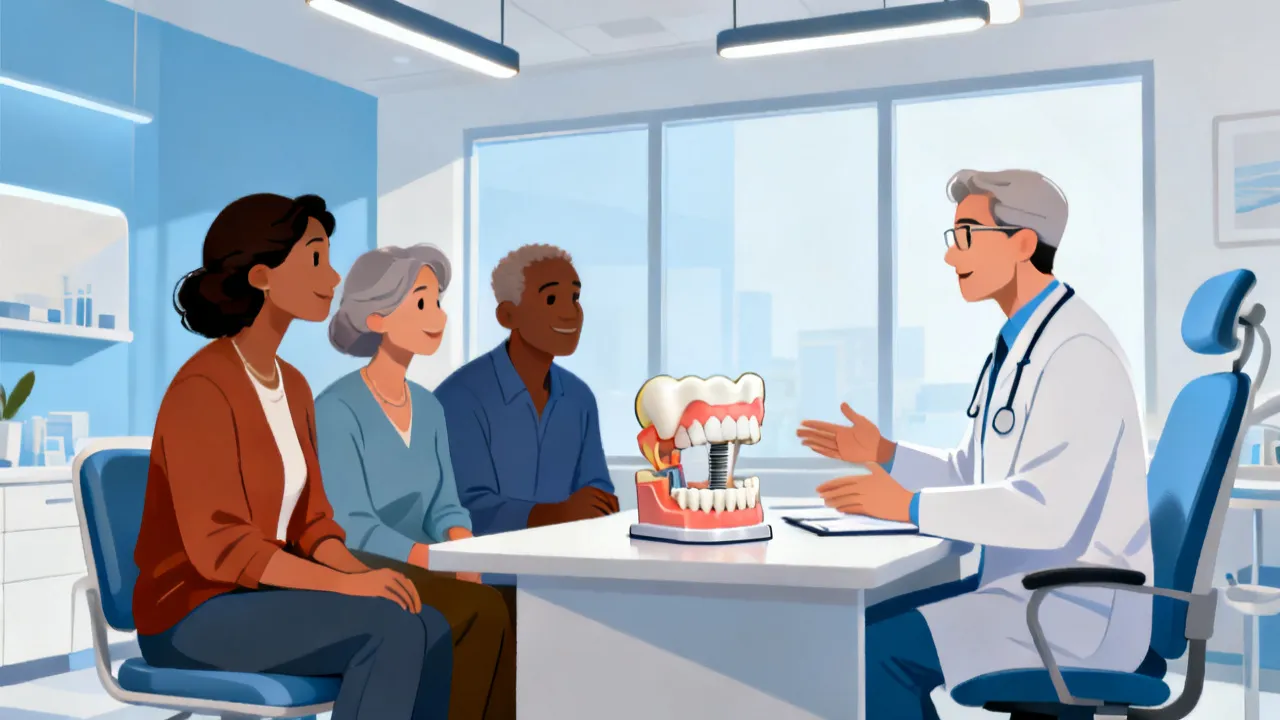
An implant is a biocompatible fixture placed in the jawbone to support an abutment and crown. It does not reproduce every biological function of a natural tooth, but it can provide a stable foundation for a replacement. Treatment may involve extraction, healing, implant placement, a period of integration, and restoration with a crown. The sequence varies by bone condition, infection, aesthetic requirements, and the clinician’s protocol.
For patients missing several teeth, implants may support a bridge or an overdenture rather than one implant for every missing tooth. In a completely edentulous arch, the dentist may discuss a fixed full-arch prosthesis or an implant-retained removable denture. These treatments require careful planning because forces are distributed across fewer implants and the restoration can be more complex.
Conditions and Requirements for Dental Implant Treatment
Implant suitability is individualized. Common considerations include:
- Bone volume and quality: The implant must be surrounded by sufficient bone for stability. Bone grafting or other augmentation may be recommended when the site has resorbed.
- Healthy gums: Active periodontal disease should be diagnosed and managed. Gum health remains important after treatment because implants can also develop inflammatory conditions.
- Oral hygiene: Patients need a realistic daily cleaning routine and access to maintenance appointments.
- Medical history: Diabetes, immune conditions, smoking, medication use, and previous radiation therapy may influence healing and risk.
- Age and development: Children and adolescents generally require assessment of jaw growth before implant placement.
- Functional space: The dentist must evaluate neighboring teeth, the opposing bite, nerve location, sinus anatomy, and cosmetic expectations.
- Follow-up capacity: A patient should be able to attend reviews and obtain help if the implant, crown, or surrounding tissues develop problems.
Smoking cessation or reduction is often discussed because tobacco exposure can impair healing and increase the risk of complications. The appropriate plan should be based on a frank conversation with the dental and medical teams rather than a generic promise of success.
Patients should also understand that an implant procedure has ordinary surgical risks. These can include temporary swelling, bruising, discomfort, infection, damage to nearby structures, altered sensation, sinus-related complications in the upper jaw, or failure of the implant to integrate with the bone. Serious complications are not inevitable, but they should be included in the consent discussion.
Typical Stages of Implant Treatment
The first stage is diagnosis and planning. The dentist evaluates the cause of tooth loss, examines the bite and surrounding teeth, reviews medical history, and obtains appropriate imaging. The treatment plan may include periodontal therapy, decay control, extraction, temporary tooth replacement, or bone preservation.
If a tooth remains, extraction may be performed before implant placement. In selected cases, an implant can be placed during the same appointment, but immediate placement is not suitable for every patient. Infection, bone defects, gum thickness, cosmetic demands, and the ability to achieve initial stability all influence the decision.
After implant placement, a healing period allows the fixture to integrate with the surrounding bone. The length of this period varies by site and stability. A temporary restoration may be used, but patients should follow instructions about chewing pressure and hygiene.
Once healing is adequate, the dentist attaches an abutment and makes or scans for the final crown. The crown is adjusted for appearance, speech, and bite. Follow-up visits check the restoration and the surrounding tissues. Maintenance continues after completion and is not optional.
How to Obtain Dental Implants at Lower Cost in English-Speaking Countries
Lower-cost treatment is possible in some English-speaking markets, but it should remain clinically complete. The following process can help patients compare options responsibly.
- Obtain a diagnostic consultation before comparing prices. Ask for a written diagnosis, imaging recommendation, and explanation of whether the tooth can be saved. A low implant advertisement is not useful if the case actually requires periodontal treatment or a bridge.
- Request an itemized treatment plan. Confirm whether the quote includes the consultation, radiographs, extraction, implant fixture, abutment, temporary tooth, crown, anesthesia, grafting, laboratory fees, and follow-up appointments.
- Compare qualified providers rather than promotional claims. In the United States, Canada, the United Kingdom, and Australia, patients can check the relevant professional registration systems and ask about the clinician’s surgical and restorative experience.
- Ask about staged care. If clinically appropriate, treatment may be divided into disease control, extraction, healing, implant placement, and final restoration. Staging can make payments more manageable without removing essential care.
- Review dental insurance or dental-plan benefits. Coverage may be limited, may exclude implants, or may apply only to certain components. Obtain written confirmation before assuming that a plan will reduce the final bill.
- Consider a dental school or supervised training clinic. Some institutions offer reduced fees for selected cases under faculty supervision. Availability, waiting times, eligibility, and treatment complexity vary.
- Ask about reputable clinic payment arrangements. A structured payment plan may spread costs, but patients should read interest, cancellation, and refund conditions carefully.
- Compare local clinics with travel-based treatment cautiously. Dental tourism may appear less expensive, but flights, accommodation, time away from work, translation, revision treatment, and emergency care can change the total cost.
- Plan maintenance from the beginning. A lower initial price can become expensive if cleaning, examinations, or repairs are excluded. Ask who will provide follow-up after the crown is fitted.
- Obtain a second opinion for complex cases. A second assessment can clarify whether grafting, immediate placement, or an alternative restoration is necessary. It may also identify differences in the proposed materials and timeline.
Patients should be cautious about financing offers that make a procedure appear inexpensive through a low monthly payment. The total amount, interest rate, administrative fees, insurance requirements, and consequences of missed payments should be understood. Financing can support necessary care, but it should not encourage treatment that has not been adequately diagnosed.
How to Obtain Dental Implants at Lower Cost in Spanish-Speaking Countries
Spanish-speaking patients may seek treatment in Spain, Mexico, Chile, Colombia, Peru, or Argentina, among other markets. Costs and regulations differ by location, city, materials, and practitioner. In culturally diverse communities, it is useful to request consent documents and aftercare instructions in the patient’s preferred language.
- Begin with a complete assessment in Spanish when needed. Clear communication about pain, medication, allergies, expectations, and previous dental treatment reduces avoidable misunderstandings.
- Ask whether the quote is for a single implant or the complete tooth. In some advertisements, “implant” refers only to the fixture. Confirm the price of the abutment and crown separately.
- Verify professional credentials and clinic licensing. Patients should use the applicable national or regional registration resources and request the dentist’s qualifications in implant surgery and restorative dentistry.
- Compare public, university-affiliated, and private options. University clinics may have supervised care and different waiting periods. Private clinics may offer faster scheduling but a wider range of fees.
- Check the warranty language carefully. A warranty may exclude smoking, poor hygiene, missed maintenance, trauma, or crown damage. Ask whether it covers the implant, the crown, or both.
- Budget for bone treatment and temporary teeth. Bone grafting, sinus-related procedures, provisional restorations, and laboratory work can be significant additions.
- For cross-border care, identify a local follow-up provider before travel. A dentist in the home region may not accept responsibility for another clinic’s work, so this arrangement should be discussed in advance.
- Use written records. Request implant brand and model information, radiographs, surgical notes, and restoration details. These records can help another dentist provide maintenance or emergency care.
- Allow adequate healing time. A compressed travel schedule may not suit a procedure requiring staged healing. Avoid choosing a plan based only on the shortest itinerary.
Language access is part of safe treatment. Patients should be able to understand alternatives, expected healing, medication instructions, warning signs, and the financial responsibilities associated with complications. If interpretation is necessary, a qualified interpreter is preferable to relying on a child or an untrained companion for complex medical information.
How to Obtain Dental Implants at Lower Cost in Portuguese-Speaking Countries
Brazil and Portugal are major Portuguese-speaking markets for dental services, and fees may differ between metropolitan areas, regional cities, university settings, and specialist clinics. Patients should be able to discuss treatment in Portuguese or receive a reliable translation.
- Ask for the complete treatment sequence. Confirm whether the plan includes extraction, imaging, implant placement, healing reviews, impression or digital scanning, abutment, crown, and maintenance.
- Compare implant systems and laboratory materials. The brand, component availability, and laboratory support may affect future repairs. The least expensive component is not automatically the most suitable.
- Review professional registration and specialization. Confirm the clinician’s training and whether surgical and restorative stages are coordinated within the same clinic.
- Ask about payment by stage. Dividing the cost between diagnosis, surgery, and restoration may make budgeting easier and gives the patient an opportunity to review progress.
- Consider university clinics where appropriate. Supervised student treatment can have different fees and schedules, but not every complex implant case is accepted.
- Confirm emergency and maintenance access. A clinic should explain whom to contact if swelling, pain, loosening, or crown damage occurs.
- Request documents in Portuguese or a language the patient understands. Informed consent should cover benefits, limitations, alternatives, risks, and expected costs.
Patients comparing Brazilian or Portuguese clinics should clarify whether quoted amounts are stated per arch, per implant, or per prosthetic tooth. Full-arch treatments are often presented as a package, but the number of implants, temporary prosthesis, final prosthesis, extractions, sedation, and maintenance policy should still be specified.
Reference Price Ranges for One Dental Implant
The following figures concern an individual dental implant and are intended only as broad reference ranges. They may not represent the complete cost of a finished replacement tooth. Currency movements, regional fees, clinic type, clinician experience, materials, diagnostic testing, grafting, anesthesia, laboratory work, and follow-up can all affect the final amount.
| Country | Currency | Reference price range for one implant |
|---|---|---|
| United States | USD | $3,000–$6,000 |
| United Kingdom | GBP | £2,000–£2,500 |
| Australia | AUD | AU$3,500–AU$6,500 |
| Canada | CAD | CA$3,000–CA$5,500 |
| Spain | EUR | €1,500–€2,500 |
| Chile | CLP | CLP$800,000–CLP$1,500,000 |
| Mexico | MXN | $15,000–$25,000 MXN |
| Colombia | COP | $2,000,000–$4,000,000 COP |
| Peru | PEN | S/ 3,000–S/ 6,000 |
| Argentina | ARS | $80,000–$150,000 ARS |
| Brazil | BRL | R$3,000–R$8,000 |
| Portugal | EUR | €1,000–€2,000 |
| Germany | EUR | €2,000–€3,500 |
| France | EUR | €1,500–€2,500 |
| Italy | EUR | €1,500–€3,000 |
| Japan | JPY | ¥300,000–¥700,000 |
These values should not be converted into a single international ranking. A country with a lower quoted figure may have different inclusions, standards of care, laboratory costs, taxes, appointment structures, or follow-up arrangements. An accurate quote requires a clinical examination.
The final expense may include several separate categories:
- Consultation and treatment planning
- Periapical or panoramic radiographs
- Three-dimensional imaging when indicated
- Extraction of the damaged tooth
- Socket preservation or bone grafting
- Implant surgery and surgical materials
- Healing abutment or temporary restoration
- Final abutment and crown
- Laboratory and digital-design fees
- Sedation or anesthesia
- Postoperative medication and reviews
- Long-term professional maintenance
Comparison of Websites Offering Dental Implant Information
The websites below represent different types of information sources. Some focus on clinic services, some on dental tourism, some on insurance or dental plans, and others on general explanations of implants. Their commercial purpose and geographic focus should be considered when evaluating their content.
| Website and focus | Useful features for comparison |
|---|---|
| Dental Views | Discusses lower-cost implant approaches, treatment benefits, procedure types, costs, and common questions. Useful for initial cost-oriented research, but readers should confirm details with a licensed clinician. |
| Atlantic Dental Group | Clinic-based information covering general dentistry, implants, orthodontics, cleaning, and emergency services. Useful for reviewing the range of services offered by a provider. |
| DentaVacation | Focuses on dental tourism, overseas treatment, cost comparisons, and travel-related arrangements. Useful for identifying questions about travel, but patients should independently assess credentials and aftercare. |
| American Dental Health Plans | Provides information related to dental-plan options and coverage. Useful for understanding that insurance or plan benefits may reduce some expenses but may not cover every implant component. |
| Rockville Dental Arts | Spanish-language clinic information covering implants, whitening, cleaning, orthodontics, and emergency dental care. Useful for Spanish-speaking patients seeking service descriptions. |
| Union City Mini Dental Implants | Focuses on mini dental implants and explains a specialized approach for selected cases. Suitability must be decided through examination and imaging. |
| Cigna Dental Implant Guide | Spanish-language educational material explaining implant concepts and treatment considerations from an insurance-information perspective. |
| Rubi Odonto | Portuguese-language clinic information from Santo André, São Paulo, including orthodontics, whitening, and implants, with a focus on clinical services. |
| Odontologia Velasco | Portuguese-language information about implants, prostheses, and aesthetic dentistry, including the use of contemporary dental technologies. |
| DentalVidas | Portuguese-language information about dental plans for individuals, families, and businesses, including network and emergency-service information. |
source: www.dentalviews.com/low-cost-dental-implants/
source: www.atlanticdentalgrp.com
source: www.dentavacation.com
source: rockvilledentalarts.com/es/
source: unioncityminidentalimplants.com/es/
source: www.cigna.com/es-us/knowledge-center/guide-to-dental-implants
source: www.rubiodonto.com.br
source: odontologiavelasco.com.br
source: dentalvidas.com.br
How to Compare Implant Quotes Properly
A useful quote should be specific enough for two clinics to be compared on similar terms. Ask the clinic to identify the tooth or teeth involved, the proposed implant system, the restoration material, and the services included. A quote that says only “implant: one price” does not establish whether the patient is receiving a complete tooth replacement.
Important questions include:
- Does the price include the initial examination and diagnostic imaging?
- Is extraction included if the tooth is still present?
- Will bone grafting or membrane placement be necessary?
- Does the price include the implant fixture, abutment, and final crown?
- Is a temporary tooth included during healing?
- Are surgical and restorative appointments performed by the same provider?
- What type of anesthesia or sedation is included?
- How many follow-up visits are included?
- What happens if the implant does not integrate with the bone?
- Does the clinic provide implant records and component information?
- Are maintenance examinations and professional cleanings included or billed separately?
- What taxes, laboratory fees, financing charges, or travel expenses apply?
From a clinical management standpoint, the most meaningful comparison is the cost of achieving a stable, maintainable result over time. A crown that fractures, an implant that loosens, or inflammation around an implant may require additional treatment. A reputable clinician should explain these possibilities without guaranteeing an outcome.
Patients should also ask what happens if they change cities, change dentists, or need emergency care outside the original clinic’s normal hours. Component compatibility is important because future dentists may need the implant brand, diameter, length, connection type, and restoration details. Written records are especially valuable after treatment abroad.
Dental Tourism: Potential Advantages and Limitations
Traveling for dental treatment can provide access to clinics with different fee structures, but it adds logistical and clinical considerations. Patients may need multiple visits, and healing cannot always be accelerated to match a travel itinerary. A lower treatment fee may be offset by flights, accommodation, meals, time away from work, translation, insurance, and treatment at home if complications arise.
Patients considering treatment abroad should verify the clinic’s license, the dentist’s qualifications, the implant manufacturer, sterilization procedures, emergency arrangements, informed-consent process, and records policy. It is also important to understand the legal process for complaints and the practical limits of warranties across borders.
Patients should be cautious about package offers that combine surgery with sightseeing or promise unusually rapid completion. A convenient schedule is not a substitute for biological healing. Before traveling, obtain a written plan and ask a local dentist whether they would be willing to provide continuing care after the procedure.
Travel-related planning should include recovery time. Immediately after surgery, swelling, fatigue, bleeding, and dietary limitations may occur. Air travel, strenuous activities, and long periods without access to the treating clinic may be inconvenient or clinically inappropriate in some cases. The dental provider should explain postoperative restrictions before a ticket is purchased.
Preventing the Causes of Tooth Loss
Prevention begins with controlling the conditions that damage teeth and supporting tissues. Brush twice daily with fluoride toothpaste unless a dental professional recommends otherwise. Clean between teeth with floss, interdental brushes, or another suitable device. The best method depends on spacing, dexterity, orthodontic appliances, and gum condition.
Regular dental examinations can identify cavities, gum inflammation, failing restorations, and cracks before they become emergencies. The appropriate interval is individualized. People with previous periodontal disease, high decay risk, complex restorations, dry mouth, diabetes, or tobacco exposure may need more frequent monitoring.
Reduce frequent exposure to sugary foods and drinks, especially between meals. Do not use teeth to open packages or bite hard non-food objects. Use suitable protective equipment for contact sports. If nighttime grinding is suspected, discuss evaluation with a dentist rather than purchasing an appliance without professional guidance.
People with diabetes should follow their medical treatment plan and tell the dental team about their condition. Anyone experiencing persistent dry mouth should ask whether medication review, hydration guidance, saliva substitutes, or preventive fluoride measures are appropriate.
Parents can help children develop habits that protect primary and permanent teeth. Children should receive age-appropriate assistance with brushing, and sugary drinks should not be used routinely in bottles or cups at bedtime. A child’s toothache, facial swelling, or dental injury should not be dismissed because the tooth is temporary; infection in a primary tooth can affect comfort, eating, and the developing permanent tooth.
Caring for a Dental Implant
Implants do not decay in the same way as natural teeth, but the surrounding gum and bone can become inflamed. Daily cleaning remains essential. Depending on the design, patients may use a soft toothbrush, interdental brush, floss designed for implants, or an oral irrigator. The dental team should demonstrate the technique around the specific restoration.
Professional reviews allow the dentist to check the crown, bite, implant stability, gum condition, and bone levels when indicated. Contact the clinic if the crown feels loose, chewing becomes uncomfortable, bleeding persists, swelling appears, or the bite changes. Delaying evaluation can make a manageable problem more complicated.
Maintenance is particularly important for patients who have had periodontal disease. The same susceptibility that affected natural teeth can influence tissues around implants. Implant treatment should therefore be viewed as a long-term health commitment rather than a one-time cosmetic purchase.
During the healing period, patients should follow instructions about brushing, diet, smoking, alcohol, exercise, and medication. Temporary discomfort is common after oral surgery, but worsening pain, persistent bleeding, fever, increasing swelling, or a foul discharge should be reported. The treating clinic should provide clear written instructions and an emergency contact number.
Frequently Asked Questions
What are the most common reasons a permanent tooth falls out?
Advanced gum disease, extensive decay, trauma, fractures, and infection are common explanations. Medical conditions, medication effects, dry mouth, and delayed dental care can contribute. Only an examination can identify the cause in an individual case.
Can a loose adult tooth become firm again?
Sometimes mobility improves when inflammation is treated or when an injured tooth is stabilized. However, mobility caused by substantial bone loss or a severe fracture may not be reversible. Prompt assessment improves the chance of identifying a tooth-saving option.
Is an implant always better than a bridge or denture?
No. The best option depends on bone condition, neighboring teeth, medical history, cleaning ability, expectations, time, and budget. An implant may be appropriate for one patient, while a bridge or removable restoration may be more practical for another.
How long after extraction can an implant be placed?
The timing varies. Some cases permit immediate placement, while others require healing first because of infection, bone damage, or soft-tissue considerations. The dentist makes this decision after examination and imaging.
Does a low-cost implant quote include the crown?
Not necessarily. Some clinics advertise the implant fixture only. Ask specifically about the abutment, temporary restoration, final crown, imaging, grafting, anesthesia, laboratory charges, and follow-up care.
Are mini dental implants suitable for everyone?
No. Mini implants have particular indications and limitations. Their suitability depends on the anatomy, intended restoration, forces on the tooth, bone condition, and the clinician’s assessment. A promotional description should not replace individualized planning.
Can dental insurance pay for implants?
Coverage varies by policy, employer, country, and treatment component. Some plans exclude implants, apply waiting periods, impose annual limits, or cover an alternative restoration instead. Obtain written benefit information before treatment.
Is dental tourism safe?
Safety depends on the clinic, clinician, patient selection, infection-control practices, treatment planning, and availability of follow-up. Travel creates additional risks related to healing, communication, records, and complications. Independent credential checks and a realistic schedule are essential.
What should I do if an implant feels loose?
Contact the treating clinic promptly and avoid chewing hard foods on that side until assessed. A loose crown is different from a mobile implant fixture, but both require professional evaluation. Do not attempt to tighten or repair components yourself.
How can I reduce the chance of losing more teeth?
Maintain daily plaque control, attend recommended examinations, manage gum disease, limit frequent sugar exposure, avoid tobacco, protect teeth during sports, and address grinding or dry mouth. Medical conditions should be managed in cooperation with the relevant healthcare professional.
Can a missing tooth be left unreplaced?
Sometimes, particularly when the missing tooth is not essential to function and the bite remains stable. However, leaving a space can allow neighboring or opposing teeth to move and may affect chewing or appearance. A dentist can explain whether observation is reasonable for the specific location.
What is the difference between an implant and a crown?
An implant is the fixture placed in the jawbone. A crown is the visible tooth-shaped restoration attached to the implant, usually through an abutment. When a clinic quotes an implant price, confirm which of these components are included.
Final Perspective
The question represented by 이가 빠지는 이유 is best approached through diagnosis rather than assumption. Tooth loss may be preventable, treatable, or related to an injury that requires urgent attention. Once a tooth is missing, implants are one possible replacement, but their success depends on healthy tissues, suitable anatomy, realistic planning, and continuing care.
For patients seeking lower-cost treatment, compare complete treatment plans, verify qualifications, understand what the quote includes, and consider the cost of follow-up. Information websites can help formulate questions, but they cannot replace a dental examination, diagnostic imaging, or informed consent from a qualified provider.
The most important financial decision is often made before surgery: determining whether the proposed treatment is necessary, whether the natural tooth can be retained, and whether an alternative restoration would provide an acceptable result. A careful diagnosis can prevent both overtreatment and the progression of disease caused by postponing care.
Disclaimer
1. The above information comes from online resources, and the data is as of October 2023.
2. Dental implant prices are for reference only and may vary by region, clinic and doctor.
3. This article is educational and does not provide a personal diagnosis or treatment recommendation. Anyone with a loose tooth, facial swelling, severe pain, trauma, or a missing permanent tooth should consult a qualified dental professional.