Temporary Filling Fell Out: Safe Next Steps
This guide explains what to do when a temporary filling falls out, when urgent dental care is necessary, and how to protect the tooth until an appointment. Temporary fillings are commonly used after root canal treatment, during staged restorative care, or while a permanent restoration is being prepared. The article also compares reputable online dental information sources and outlines practical ways to manage dental implant costs in several language markets.
What to Do When a Temporary Filling Falls Out
When a temporary filling falls out, arrange a dental appointment as soon as reasonably possible, protect the exposed tooth from food and pressure, and seek urgent care if there is severe pain, swelling, fever, facial trauma, or difficulty breathing or swallowing. A temporary filling is designed to protect the tooth for a limited period; it is not equivalent to a permanent crown, inlay, onlay, or filling.
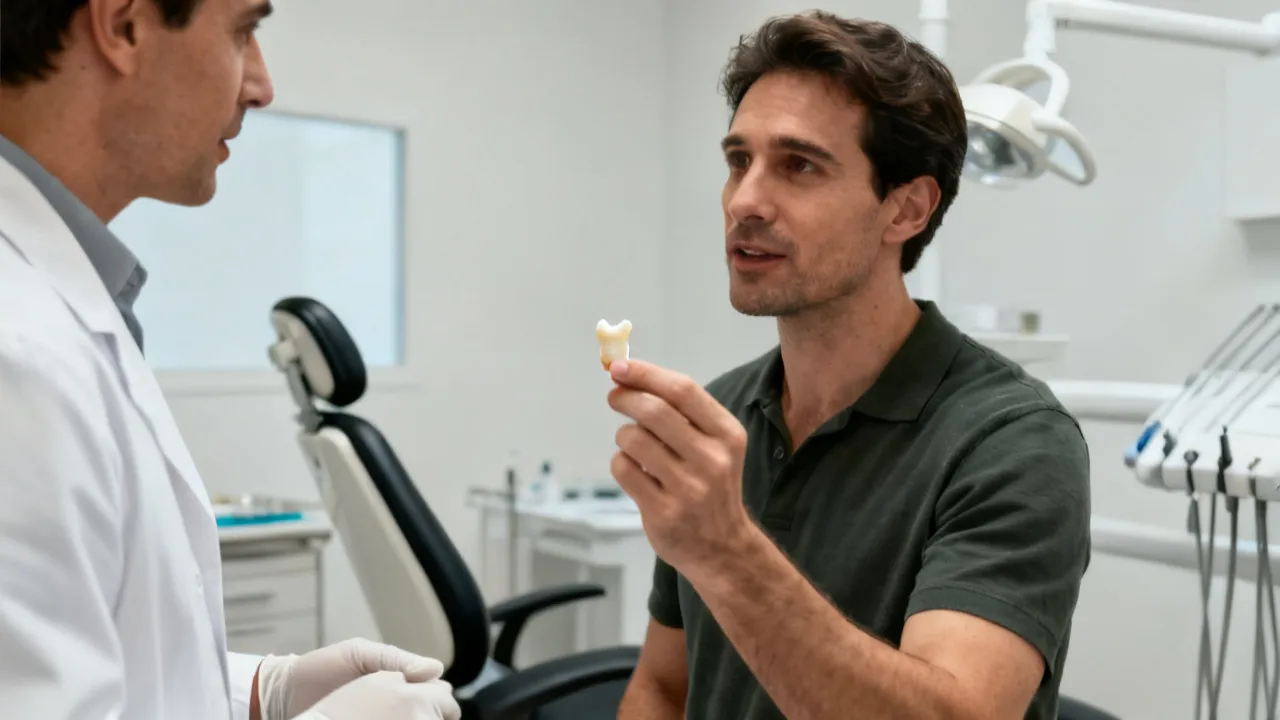
The Korean phrase 임시 충전재 떨어짐 means that a temporary filling has fallen out. This can happen during ordinary eating, after biting something hard or sticky, because the material has worn down, or because the tooth beneath it requires further treatment. The event is often manageable, but the appropriate response depends on why the temporary filling was placed and how much tooth structure is exposed.
From a restorative dentistry perspective, the most important issue is not simply replacing the visible material. The dentist must determine whether the tooth is still structurally sound, whether bacteria or food have entered the area, and whether the original treatment plan—such as root canal therapy, a permanent filling, or a crown—can proceed safely.
Even if the filling appears to have fallen out cleanly, the opening can change the way the tooth contacts neighboring teeth. The exposed surface may also be more fragile than it appears. A temporary restoration is often placed in a tooth that has already lost structure through decay, fracture, drilling, or root canal access. Continued chewing on that tooth can turn a small restoration problem into a larger fracture.
Immediate steps
- Contact the treating dental office. Explain that the temporary filling has come out and state whether you have pain, sensitivity, swelling, or a sharp edge. The clinic may recommend an earlier appointment or provide specific instructions based on the procedure performed.
- Keep the area clean. Brush gently with a soft toothbrush. Rinse with lukewarm water after meals to help remove food particles. Do not aggressively probe the opening with a toothpick, needle, or other sharp object.
- Chew on the opposite side. Avoid hard, crunchy, chewy, or sticky foods until the tooth has been assessed. These foods can further fracture weakened tooth structure or push debris into the cavity.
- Save any large piece of material if practical. Place it in a clean container and bring it to the appointment. The dentist may not reuse it, but it can help identify what happened.
- Use pain relief only as directed. Over-the-counter medicines may help some adults, but they are not suitable for everyone. Follow the product label and ask a pharmacist or clinician if you have pregnancy, kidney disease, stomach ulcers, anticoagulant use, allergies, or other medical considerations.
- Record relevant details. Note when the filling was placed, when it came out, what you were eating, and whether symptoms began before or after the loss. This information can help the dentist assess whether the problem is related to ordinary wear, bite pressure, decay, or a fracture.
Do not use household glue, modeling compounds, candle wax, or unapproved dental materials to reattach the filling. These substances may irritate the gums, interfere with treatment, or conceal symptoms that the dentist needs to evaluate. Superglue can also bond to soft tissue and make professional removal more difficult.
If the filling came out while you were eating, check that you have not accidentally swallowed or inhaled it. Swallowing a small piece is usually not harmful, but choking, coughing that does not settle, chest discomfort, or difficulty breathing requires immediate medical attention. Do not attempt to retrieve a piece from the throat with your fingers.
When a Fallen Temporary Filling Requires Urgent Care
A lost temporary filling does not always require an emergency department visit, but several symptoms should prompt urgent dental assessment. Seek immediate professional help if you experience rapidly increasing facial or gum swelling, fever, pus, severe throbbing pain, uncontrolled bleeding, a major fracture, or difficulty opening the mouth, swallowing, or breathing. Difficulty breathing or swallowing can indicate a serious infection or swelling and should be treated as an emergency.
Contact a dentist promptly when the tooth was recently treated with a root canal, when a temporary crown has come off, or when the tooth feels significantly loose. A temporary restoration may be protecting medication placed inside the tooth or sealing a tooth that is waiting for a permanent crown. Delaying the next stage can allow contamination or additional damage.
If there is no pain and the tooth is not sharp, a short delay may be less concerning than in a tooth with severe symptoms. However, the absence of pain does not prove that the tooth is healthy. Some teeth have limited sensation because of nerve treatment, and a fracture or leakage may develop without an immediate warning.
Patients with weakened immune systems, poorly controlled diabetes, a history of serious dental infections, or recent oral surgery should be especially cautious about delays. They should tell the dental office about their medical conditions when arranging care. A dentist or urgent dental service can determine whether the tooth needs to be seen the same day or whether a short wait is reasonable.
Why Temporary Fillings Are Used
Temporary fillings serve a specific clinical purpose. They may be placed after decay removal when the dentist wants to observe the tooth before completing a permanent restoration. They are also used between appointments during root canal therapy, after emergency treatment, under a temporary crown, or when a permanent restoration is being fabricated in a laboratory.
A temporary material can seal a prepared tooth while the pulp and surrounding tissues settle. In some cases, the dentist is evaluating whether symptoms improve after decay is removed. In other cases, the material covers an access opening created for root canal treatment. The restoration may also protect a tooth while a laboratory makes a crown or inlay based on an impression or digital scan.
Compared with definitive restorative materials, temporary materials are generally selected for ease of placement and removal rather than maximum long-term strength. Their expected service period varies according to the material, the size and location of the restoration, the patient’s bite, oral hygiene, and the treatment plan. A temporary filling on a molar that receives heavy chewing forces is exposed to different stresses from one on a front tooth.
Some temporary materials are designed to be relatively easy for a dentist to remove at the next appointment. That advantage can also mean that the material is less resistant to hard or sticky foods than a permanent bonded restoration. The fact that a temporary filling can be removed intentionally does not mean it should routinely fall out; repeated loss should be reported to the clinic.
The phrase “temporary” should therefore be taken literally. Continuing to use the tooth for weeks or months after the restoration has broken down may increase the risk of leakage, recurrent decay, gum irritation, or tooth fracture. The correct timing for replacement is determined by the dentist who understands the original diagnosis.
Common Reasons a Temporary Filling Falls Out
- Normal wear: Temporary materials can gradually abrade under chewing forces.
- Excessive biting pressure: Clenching, grinding, or a strong bite can loosen or fracture the restoration.
- Sticky foods: Caramel, chewing gum, toffee, and similar foods can pull a temporary restoration from the tooth.
- Insufficient remaining tooth structure: A severely weakened tooth may not hold a filling securely.
- Moisture or contamination during placement: Some materials require specific conditions to bond or set properly.
- Changes in the tooth: New decay, a crack, inflammation, or movement of the tooth can compromise the seal.
- Accidental trauma: A blow to the mouth or biting a hard object can dislodge the material.
- Delayed definitive treatment: The longer a temporary restoration remains in service, the more opportunity there is for wear, leakage, and marginal breakdown.
- An uneven bite: If the restoration is slightly high, repeated contact may place excessive force on it during normal chewing.
It is not always possible to identify the cause from the fallen material alone. A clinical examination, and sometimes a dental radiograph, is needed to assess the tooth beneath it. The dentist may inspect the restoration, test the tooth’s response to temperature or pressure, examine the gums, and check whether the tooth moves or has a visible crack.
Bruxism, or nighttime grinding and clenching, deserves particular attention. A person may not realize that they grind their teeth, but warning signs can include morning jaw soreness, headaches, flattened tooth surfaces, chipped enamel, or repeated failure of restorations. A dentist can discuss whether a professionally made night guard or other bite management is appropriate.
Symptoms and What They May Indicate
| Symptom | Possible significance |
|---|---|
| Mild sensitivity to cold or food | The exposed dentin may be reacting to temperature or contact; the tooth still needs protection and examination. |
| Pain when biting | There may be irritation, an uneven bite, a crack, or inflammation around the tooth. |
| Persistent or spontaneous pain | The pulp or surrounding tissues may be inflamed, particularly if the tooth has not yet received root canal treatment. |
| Swelling, fever, or bad taste | These signs can be associated with infection and warrant prompt dental evaluation. |
| A sharp edge cutting the tongue or cheek | A fractured cusp, exposed tooth wall, or rough restoration may require smoothing or temporary protection. |
| Food repeatedly collecting in the opening | The seal is absent and the area may be difficult to keep clean, increasing the need for timely repair. |
| No symptoms | The tooth may still be vulnerable to contamination or fracture, especially after root canal treatment. |
These descriptions are not a diagnosis. A dentist must consider the tooth’s location, prior treatment, medical history, radiographs, and bite when deciding what to do next. Pain can sometimes lessen after a nerve becomes nonresponsive, even though infection or structural damage is progressing.
Symptoms can also be affected by the type of procedure that preceded the temporary filling. Mild tenderness for a short period may follow routine decay removal, while severe spontaneous pain may suggest that the pulp is not recovering. Tenderness around a root-treated tooth can occur after treatment, but worsening pain, swelling, or fever should be reported.
Temporary Protection Before the Appointment
If the appointment cannot occur immediately, temporary protection may sometimes be obtained from a pharmacy dental-care section. Such products should only be used exactly as labeled and only as a short-term measure. They should not be placed over facial swelling, an actively draining infection, exposed tissue, or a tooth with uncontrolled bleeding. A pharmacist can help determine whether a product is appropriate, but a temporary product does not replace dental treatment.
Over-the-counter temporary filling material is generally intended for a small, accessible opening and may not be suitable for a large back tooth, a tooth with a crown preparation, or a tooth undergoing root canal therapy. Do not pack material deeply into a root canal opening or attempt to cover an area that has been intentionally left open for drainage unless a dentist specifically instructs you to do so.
Keep brushing, but use gentle pressure around the affected tooth. Floss carefully. If floss repeatedly catches on a rough edge, do not force it downward. You can slide the floss out through the side rather than snapping it upward, provided this does not cause pain. Avoid whitening products and very hot or cold foods if the tooth is sensitive.
Parents should supervise children who have lost a temporary filling. Children may touch the area with their fingers, chew on pencils, or swallow temporary material. If a child has severe pain, swelling, fever, trauma, or difficulty eating and drinking, the dentist should be contacted without delay. A child may also have difficulty describing pain accurately, so changes in sleep, appetite, behavior, or willingness to chew should be taken seriously.
People who wear removable retainers, aligners, dentures, or orthodontic appliances should ask whether the device can be worn safely over the affected area. Do not force an appliance into place if it catches on the exposed tooth or causes pain. The dental office may recommend a temporary adjustment or a short interruption in wear.
What the Dentist May Do
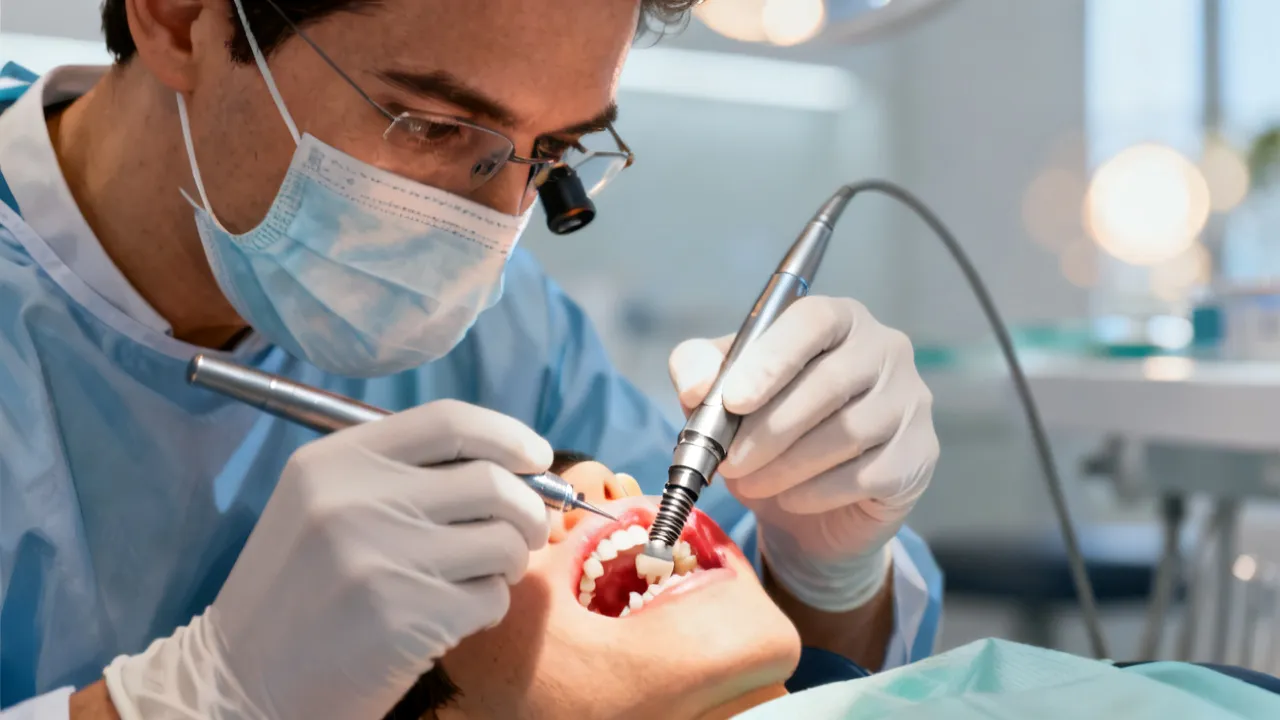
The dentist will usually inspect the tooth, ask when the restoration was placed, and review symptoms. Depending on the situation, the clinician may clean the area and place another temporary material, adjust the bite, complete a permanent restoration, or recommend a crown. If the tooth has signs of infection or a fracture, additional treatment may be necessary.
The dentist may take an X-ray when the original decay was deep, the tooth has received root canal treatment, symptoms have changed, or a fracture or infection is suspected. A radiograph cannot show every crack, but it can help evaluate the roots, bone, depth of decay, and previous endodontic treatment. In complex cases, additional imaging may be considered.
After a root canal, the next step is often a permanent restoration that protects the remaining tooth from fracture. The exact restoration depends on the amount of tooth structure left, the tooth’s function, aesthetic requirements, and the dentist’s assessment. A temporary filling that falls out after root canal treatment should not automatically be treated as a minor cosmetic problem.
When the tooth is not restorable, replacement options may include a bridge, removable partial denture, or dental implant. An implant is not placed simply because a temporary filling has fallen out. It is considered only after the tooth’s prognosis is evaluated and extraction, healing, bone condition, general health, and the patient’s preferences are reviewed.
If the restoration is replaced, the dentist may explain how long it is expected to last and when the definitive treatment should occur. Ask whether a crown is needed because the tooth has lost substantial walls, especially when the tooth is a premolar or molar. A filling can repair decay, but it may not provide enough protection for a heavily weakened tooth.
How to Reduce the Risk of Another Dislodgement
- Follow the clinic’s instructions about how long to avoid chewing on the treated side.
- Limit sticky foods while the restoration is temporary.
- Do not use the tooth to open packaging or crack shells.
- Ask whether nighttime clenching or grinding may require a professionally fitted appliance.
- Attend the planned appointment for the definitive restoration.
- Maintain regular brushing, interdental cleaning, and dental examinations.
- Tell the dentist if the bite feels high immediately after placement.
- Use a soft-bristled toothbrush and avoid forceful horizontal scrubbing around the restoration.
- Ask whether certain foods should be avoided until the temporary material has fully set.
A high temporary filling can receive disproportionate force during chewing. Reporting that sensation early may allow a simple adjustment before the material loosens or the tooth becomes painful. Do not assume that an uncomfortable bite will correct itself; even a small contact can be significant when repeated thousands of times each day.
Good oral hygiene also supports the surrounding gums. Plaque around a temporary restoration can cause inflammation and bleeding, making the area feel more uncomfortable and complicating the next appointment. Cleaning should be gentle but consistent rather than stopped because the tooth has been treated.
Understanding Low-Cost Dental Implants
Some patients begin researching dental implants after a tooth has fractured or cannot be restored. Low-cost dental implants require careful comparison because advertised prices may include only the implant fixture, while the complete treatment can also involve consultation, imaging, extraction, bone grafting, an abutment, a crown, temporary teeth, medication, and follow-up visits.
An individual implant should be compared on a like-for-like basis. Ask whether the quoted amount includes the surgical appointment, implant brand, abutment, final crown, laboratory work, diagnostic imaging, sedation, and aftercare. A lower initial quotation may not represent a lower total cost if essential stages are excluded.
From an industry expert’s perspective, the safest cost decision balances three factors: clinical suitability, transparent pricing, and continuity of care. Choosing a clinic solely because it has the lowest advertised figure can create difficulties if a complication develops or if the patient must travel repeatedly for adjustments.
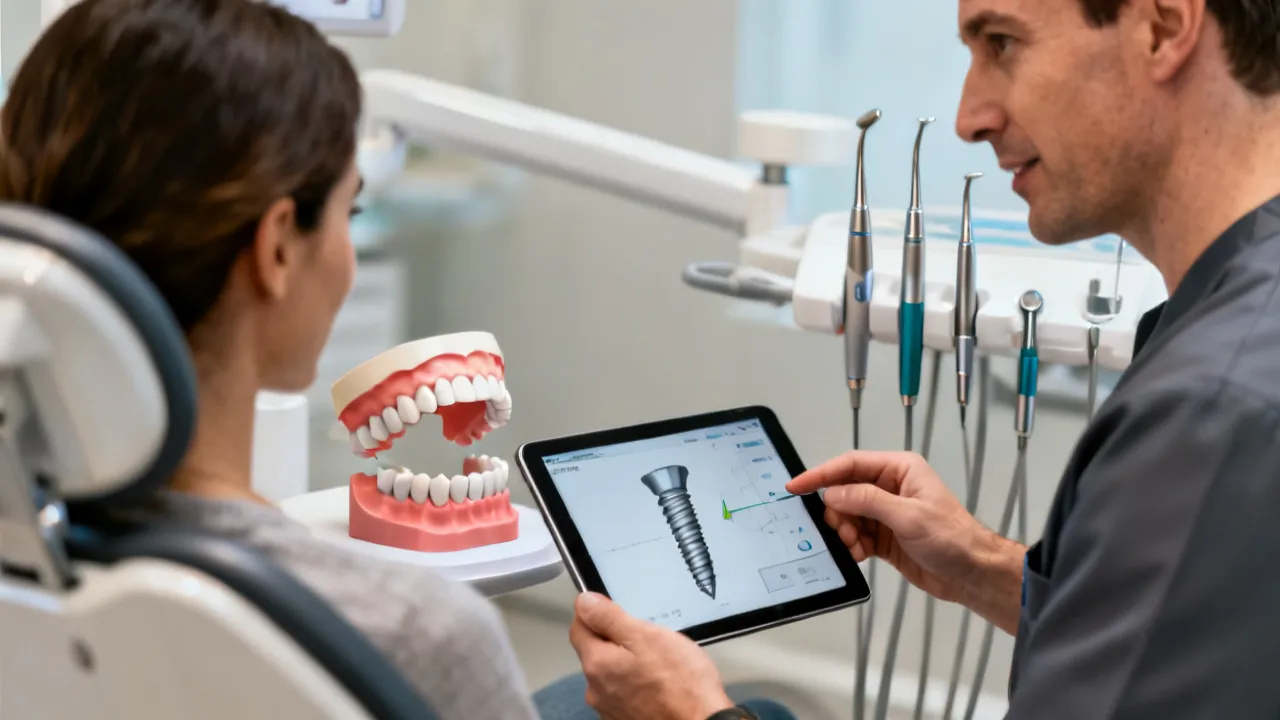
Patients should distinguish between the implant fixture and the completed replacement tooth. The fixture is the component placed in the jawbone. The abutment connects the fixture to the visible crown, bridge, or denture. The crown is the part that resembles the natural tooth. Quotes may use these terms differently, so written clarification is essential.
Other possible charges include periodontal treatment, removal of an old tooth, temporary replacement during healing, bone grafting, sinus lifting in the upper back jaw, sedation, prescription medication, and repair of adjacent teeth. Some patients need more than one implant, while others can replace several missing teeth with an implant-supported bridge. The treatment design affects the total cost.
Comparison of Dental Information Websites
The following websites represent different types of dental information providers. They should be used as starting points for questions and comparisons, not as substitutes for an examination by a licensed dentist. Availability, language services, pricing, and clinical claims should be confirmed directly with each organization.
| Website or organization | Primary focus and useful features |
|---|---|
| Dental Views | Information about lower-cost dental implants, treatment types, benefits, general process questions, and cost considerations. |
| Atlantic Dental Group | Clinic-based information covering general dentistry, emergency care, orthodontics, implants, appointments, and practice services. |
| DentaVacation | Dental tourism information, international treatment comparisons, travel planning, and potential cost differences between destinations. |
| American Dental Health Plans | Dental plan and coverage information intended to help consumers understand insurance options and dental expenses. |
| Rockville Dental Arts | Spanish-language dental service information, including implants, preventive care, cosmetic dentistry, orthodontics, and emergency services. |
| Union City Mini Dental Implants | Spanish-language information focused on mini dental implant services and treatment considerations. |
| Cigna Dental Implant Guide | Spanish-language educational material explaining general aspects of dental implants and treatment planning. |
| Rubi Odonto | Portuguese-language clinic information covering orthodontics, whitening, implants, and other dental services in Brazil. |
| Odontologia Velasco | Portuguese-language information about implants, prostheses, aesthetic dentistry, and technology-assisted care in Brazil. |
| DentalVidas | Portuguese-language dental plan information for individuals, families, and companies, including network and emergency-care details. |
source: www.dentalviews.com/low-cost-dental-implants
source: www.atlanticdentalgrp.com
source: www.dentavacation.com
source: www.rockvilledentalarts.com/es
source: www.unioncityminidentalimplants.com/es
source: www.cigna.com/es-us/knowledge-center/guide-to-dental-implants
source: www.rubiodonto.com.br
source: www.odontologiavelasco.com.br
source: www.dentalvidas.com.br
How to Obtain Dental Implants at Lower Cost
Lowering the cost of implant treatment should involve planning rather than choosing an unfamiliar provider without checking qualifications. The following process can help patients compare care responsibly in English-, Spanish-, and Portuguese-speaking markets.
1. Confirm that an implant is necessary
Ask whether the natural tooth can be restored. Depending on the fracture, decay, periodontal condition, and remaining tooth structure, alternatives may include a filling, onlay, crown, bridge, root canal treatment, or removable prosthesis. Preserving a restorable natural tooth may avoid extraction and implant costs, although the appropriate decision must be clinical rather than financial alone.
Ask the dentist to explain the tooth’s prognosis in understandable terms. A tooth may be technically restorable but have a poor long-term outlook because of a vertical root fracture, inadequate support, deep decay below the gum, or severe bone loss. Conversely, a tooth may appear badly damaged but remain treatable with endodontic and restorative care. The recommendation should be based on examination findings, not appearance alone.
2. Obtain a written treatment plan
Request a written plan that separates each stage: examination, radiographs or three-dimensional imaging, extraction, bone preservation or grafting, implant placement, healing, abutment, crown, temporary restoration, sedation, and follow-up. A written breakdown makes it easier to compare providers and reduces the risk of unexpected charges.
The plan should also identify the expected number of appointments and the approximate healing period. Some cases can receive an implant soon after extraction, while others require several months of healing. Treatment time can change if infection, inadequate bone, or poor healing is discovered.
3. Verify professional credentials
Check whether the dentist is licensed in the jurisdiction where treatment will occur. Inquire about education, implant training, infection-control procedures, the implant system used, and who will provide surgery and restorative care. A clinic should be willing to explain these matters clearly without pressuring the patient to make an immediate payment.
Patients may also ask how complications are handled. A responsible clinic should have a process for responding to infection, implant mobility, nerve symptoms, sinus problems, crown fracture, or other concerns. Clear communication about follow-up is an important part of value.
4. Compare the complete cost
Ask specifically whether the quoted price is for the implant fixture alone or for a completed tooth. “Per implant” can refer to different components in different clinics. Compare the final restoration, laboratory fees, imaging, medication, review visits, and management of foreseeable complications.
Request information about the duration of any warranty and what it covers. A warranty may apply only to a defective component and not to gum disease, trauma, smoking, poor hygiene, or normal wear. Warranty language should never be considered a substitute for clinical quality.
5. Investigate payment and insurance options
Dental plans, private insurance, employer benefits, clinic payment arrangements, and public programs may reduce the amount paid at the time of treatment, depending on eligibility and policy terms. Confirm waiting periods, exclusions for pre-existing conditions, annual limits, implant coverage, and reimbursement rules before treatment begins.
Financing can make care more accessible, but patients should review interest rates, administrative charges, missed-payment penalties, and the total amount repaid. It is also sensible to ask what happens to the payment plan if treatment is delayed or if a different procedure becomes necessary.
6. Consider accredited teaching clinics
University dental hospitals and supervised postgraduate clinics may offer lower fees because treatment is provided in an educational setting. Appointments can take longer, and treatment availability may be limited. Patients should verify who supervises the procedure and whether complex cases are accepted.
Teaching clinics typically use structured assessment and documentation, but treatment may involve multiple clinicians or changes in scheduling. This option can suit patients who are flexible and want lower fees while receiving care under professional supervision.
7. Ask about suitable implant alternatives
For some patients, a conventional bridge or removable prosthesis may meet functional and financial needs. Mini implants may be appropriate in selected cases, but they are not interchangeable with standard implants in every clinical situation. The decision should be based on bone volume, location, chewing forces, restoration design, and long-term maintenance.
A bridge may involve preparing adjacent teeth, while a removable prosthesis can be removed for cleaning and may have a lower initial cost. An implant avoids preparing healthy neighboring teeth in many cases, but it requires surgery, sufficient bone, healing, and continued maintenance. Each option has advantages and disadvantages that should be discussed in relation to the individual mouth.
8. Evaluate dental tourism carefully
Traveling abroad may appear less expensive because treatment fees and living costs differ between countries. However, the total calculation should include airfare, accommodation, transport, time away from work, translation, additional visits, and the cost of managing complications after returning home. Implant treatment often requires multiple stages, making continuity of care particularly important.
Before traveling, obtain copies of the proposed treatment plan, dentist’s credentials, implant brand, warranty terms, emergency arrangements, and expected number of visits. Confirm whether the clinic will provide records and radiographs to a local dentist if follow-up becomes necessary. Avoid making a decision based only on online testimonials or promotional photographs.
Travel soon after surgery may also be uncomfortable and may complicate access to care if swelling or infection develops. Patients should ask about the recommended interval before flying, exercise, swimming, and returning to work. They should also check whether their travel insurance excludes complications related to planned dental treatment.
9. Improve oral health before surgery
Untreated gum disease, poor plaque control, uncontrolled diabetes, smoking, and certain medications can affect implant planning and healing. Addressing these factors before surgery may reduce avoidable complications and protect the long-term result. A lower initial price is not beneficial if preventable oral disease leads to additional treatment.
Smoking can impair healing and increase the risk of problems around implants. The dental team can discuss cessation support and the recommended period without tobacco or nicotine products. Maintaining healthy neighboring teeth is also important because infection or heavy plaque in nearby areas can affect the tissues surrounding an implant.
10. Plan for maintenance
Implants require ongoing professional review and daily hygiene. Ask about maintenance costs, replacement of crowns or screws, professional cleaning, and what happens if the restoration chips or becomes loose. Considering long-term care provides a more realistic estimate than comparing only the surgical fee.
Patients should learn how to clean around the crown, abutment, and implant. Depending on the design, this may involve an interdental brush, floss designed for implants, a water flosser, or other tools recommended by the dental team. Regular examinations can identify bleeding, pocketing, looseness, or changes in the bite before a larger problem develops.
Indicative Individual Dental Implant Price Ranges
The table below lists the supplied reference ranges for an individual dental implant in selected language markets. These figures should not be interpreted as a universal quotation or as the total cost of a completed implant tooth. Currency symbols and local billing practices differ, and some prices may exclude diagnostic imaging, extraction, grafting, abutments, crowns, or follow-up treatment.
| Country | Currency | Indicative price range for one implant |
|---|---|---|
| United States | USD | $3,000–$6,000 |
| United Kingdom | GBP | £2,000–£2,500 |
| Australia | AUD | AU$3,500–AU$6,500 |
| Canada | CAD | CA$3,000–CA$5,500 |
| Spain | EUR | €1,500–€2,500 |
| Chile | CLP | CLP$800,000–CLP$1,500,000 |
| Mexico | MXN | $15,000–$25,000 MXN |
| Colombia | COP | $2,000,000–$4,000,000 COP |
| Peru | PEN | S/ 3,000–S/ 6,000 |
| Argentina | ARS | $80,000–$150,000 ARS |
| Brazil | BRL | R$3,000–R$8,000 |
| Portugal | EUR | €1,000–€2,000 |
| Germany | EUR | €2,000–€3,500 |
| France | EUR | €1,500–€2,500 |
| Italy | EUR | €1,500–€3,000 |
| Japan | JPY | ¥300,000–¥700,000 |
These ranges are useful for initial budgeting, but they should not be used to select a dentist without a clinical assessment. The price of an individual implant may describe only the titanium or ceramic fixture. In some practices, “one implant” means the fixture, abutment, and crown; in others, these are billed separately.
Prices can change because of exchange rates, laboratory materials, technology, local wages, specialist involvement, and the complexity of the case. A front tooth may require more detailed aesthetic planning than a molar. A patient with adequate bone and healthy gums may have a simpler treatment path than someone who needs extraction, grafting, periodontal treatment, or sedation.
Country and Language Considerations
English-speaking markets
In the United States, the United Kingdom, Australia, and Canada, patients should ask for a detailed written estimate and confirm the relationship between the general dentist, oral surgeon, periodontist, and laboratory. Insurance coverage is highly plan-dependent. Some policies distinguish between surgical placement and the final crown, while others exclude implants or apply annual limits.
Patients who live far from major cities may compare nearby practices, university clinics, and regional dental hospitals. Travel can lower the quoted clinical fee in some cases, but transportation and follow-up should remain part of the calculation. Emergency access is particularly important after surgery.
Spanish-speaking markets
Spain, Mexico, Chile, Colombia, Peru, and Argentina have different professional regulations, currencies, and private-care systems. Patients should verify the dentist’s license with the relevant national or regional authority and request records in Spanish and, if traveling, in a language they understand. Spanish-language educational resources can make it easier to discuss implant brands, bone grafting, crown materials, and maintenance.
In countries with significant regional variation, prices in capital cities and tourist districts may differ from prices in smaller communities. A lower estimate should be examined for what it includes rather than assumed to indicate inferior care or superior value. Patients should ask whether emergency services are available outside normal clinic hours.
Portuguese-speaking markets
In Brazil and Portugal, patients may compare private clinics, dental plans, and teaching institutions. Portuguese-language communication is useful when reviewing consent forms and laboratory specifications. Ask whether the plan covers examinations, surgery, prosthetic stages, and periodic maintenance. If treatment occurs in Brazil while the patient resides elsewhere, arrangements for post-operative review should be established before surgery.
Conditions and Requirements Before Implant Treatment
Implant planning normally requires an examination and imaging. The dentist evaluates the condition of neighboring teeth, gum health, available bone, bite, sinus or nerve anatomy, aesthetic requirements, and general medical history. Some patients need periodontal treatment, extraction, bone grafting, or a healing period before implant placement.
Medical conditions do not automatically rule out implants, but they may change the timing or precautions. Tell the dental team about diabetes, osteoporosis medication, immune conditions, bleeding disorders, heart conditions, pregnancy, allergies, smoking, and all prescribed or non-prescribed medicines. Never stop medication without advice from the prescribing clinician.
Good plaque control is essential. The implant itself cannot develop ordinary tooth decay, but the surrounding gum and bone can become inflamed. Regular professional maintenance and careful home cleaning help protect the tissues around the implant.
Bone grafting may be recommended when the jaw has lost volume after an extraction, infection, trauma, or prolonged tooth loss. The need for grafting depends on the planned implant position and the shape and density of the available bone. It can add cost and healing time, but in suitable cases it may improve the ability to place an implant in a stable, functional position.
Connecting Implant Decisions With a Fallen Temporary Filling
A temporary filling falling out is not evidence that an implant is required. The first decision is whether the tooth can be predictably restored. A dentist may be able to replace the temporary material, perform root canal treatment, or place a crown. Extraction and implant placement are considered when the tooth is non-restorable, has an unfavorable fracture, or has a prognosis that makes restoration unsuitable.
Patients should be cautious if a clinic recommends extraction and an implant without explaining restorative alternatives, diagnostic findings, and expected outcomes. Ask for the reason the tooth cannot be saved, the likely result of each option, the timeline, and the total cost. A second opinion can be useful when the proposed procedure is irreversible or financially significant.
It is also important to separate the immediate problem from the long-term replacement decision. A dentist may first reseal a tooth to control contamination and pain, then evaluate its prognosis at a later appointment. Rushing from a lost temporary filling directly to an irreversible extraction without adequate diagnosis may limit the patient’s options.
Questions to Ask the Dentist
- Why did the temporary filling fall out?
- Is the tooth cracked, infected, or still restorable?
- How quickly should the tooth be resealed?
- Do I need a permanent filling, crown, root canal, or another procedure?
- What foods and hygiene methods should I use until treatment?
- If an implant is proposed, why is it preferable to preserving the tooth?
- What does the quoted implant price include?
- Which implant brand and restoration materials will be used?
- Who will provide follow-up care if I travel for treatment?
- What are the maintenance requirements and possible additional costs?
- How many appointments are expected?
- What symptoms should cause me to call the clinic immediately?
- What happens if the temporary restoration falls out again?
- Will I receive copies of my X-rays, scans, treatment notes, and implant records?
Frequently Asked Questions
Can I wait several days after a temporary filling falls out?
That depends on the tooth and symptoms. A brief wait may be acceptable in some situations, but the dental office should be informed. Prompt assessment is more important when the tooth has undergone root canal treatment, when there is pain or swelling, or when a large portion of the tooth is exposed.
Can I eat normally?
It is safer to chew on the opposite side and avoid hard, sticky, or chewy foods. Choose softer foods and keep the area clean until a dentist provides personalized instructions. Avoid biting directly on the affected tooth even if it does not hurt.
Should I put the filling back myself?
No. Do not glue the piece back or press an unapproved substance into the opening. A dentist must determine whether the tooth needs cleaning, medication, reshaping, a new temporary restoration, or definitive treatment.
Is sensitivity normal?
Mild sensitivity can occur when dentin is exposed, but persistent, severe, spontaneous, or worsening pain requires dental evaluation. Sensitivity after a root canal or in a tooth with swelling should not be ignored.
Does a lost temporary filling mean I need an implant?
No. Temporary fillings are used in many treatments, and most lost temporary fillings do not automatically indicate the need for an implant. The tooth’s restorability and prognosis must be assessed first.
Are dental implants a permanent solution?
Implants are designed as long-term tooth-replacement components, but no dental restoration is immune to wear, gum disease, fracture, loosening, or maintenance needs. The crown and other components may require repair or replacement over time.
Are mini dental implants suitable for everyone?
No. Mini implants have specific indications and limitations. Their suitability depends on bone anatomy, the location of the missing tooth, chewing forces, and the planned restoration. A qualified dentist should assess the case rather than relying on a general advertisement.
How can I identify a reliable low-cost clinic?
Look for transparent itemized fees, verified licensure, clear consent documents, appropriate diagnostic imaging, infection-control standards, realistic timelines, and accessible follow-up. A clinic that refuses to explain what the price includes may not be suitable, regardless of the advertised amount.
Is dental tourism always cheaper?
No. Travel expenses, repeated appointments, time away from work, currency changes, and follow-up for complications may substantially increase the overall cost. Treatment should be evaluated on total expense and continuity of care, not the initial quotation alone.
Can I use dental insurance to pay for a temporary filling?
Coverage varies by plan and procedure. Some plans cover emergency examinations or temporary restorations, while others apply deductibles, waiting periods, exclusions, or annual limits. Contact the insurer and dental office before treatment if cost is a concern, but do not delay urgent care while waiting for an insurance decision.
What if the tooth has no nerve after a root canal?
A root-treated tooth may not respond to hot or cold, but it can still develop inflammation around the root or fracture under chewing pressure. A lost temporary seal can permit contamination. The tooth should be assessed even when it feels normal.
Practical Conclusion
If a temporary filling has fallen out, protect the tooth, avoid pressure and sticky foods, and contact a dentist. Urgent symptoms such as swelling, fever, severe pain, facial injury, or difficulty swallowing or breathing require rapid professional attention. Do not attempt household repairs.
When tooth replacement becomes a possibility, compare complete treatment plans rather than isolated implant prices. Verify credentials, understand what each quotation includes, consider maintenance and follow-up, and evaluate whether preserving the natural tooth remains realistic. Careful planning can reduce unnecessary expense while maintaining clinical safety.
The immediate priority is to preserve the condition of the tooth until it can be examined. The longer-term priority is to complete the treatment that the tooth actually needs. Whether that involves a new temporary filling, a permanent restoration, root canal treatment, extraction, or an implant, the decision should follow a proper diagnosis and a transparent discussion of alternatives.
Disclaimer
1). The above information comes from online resources, and the data is as of October 2023.
2). Dental implant prices are for reference only and may vary by region, clinic and doctor.
3). This information is educational and does not diagnose dental disease or replace an examination by a dentist. Emergency symptoms should be assessed by an appropriate local dental or medical service.