What to Do When a Temporary Filling Falls Out
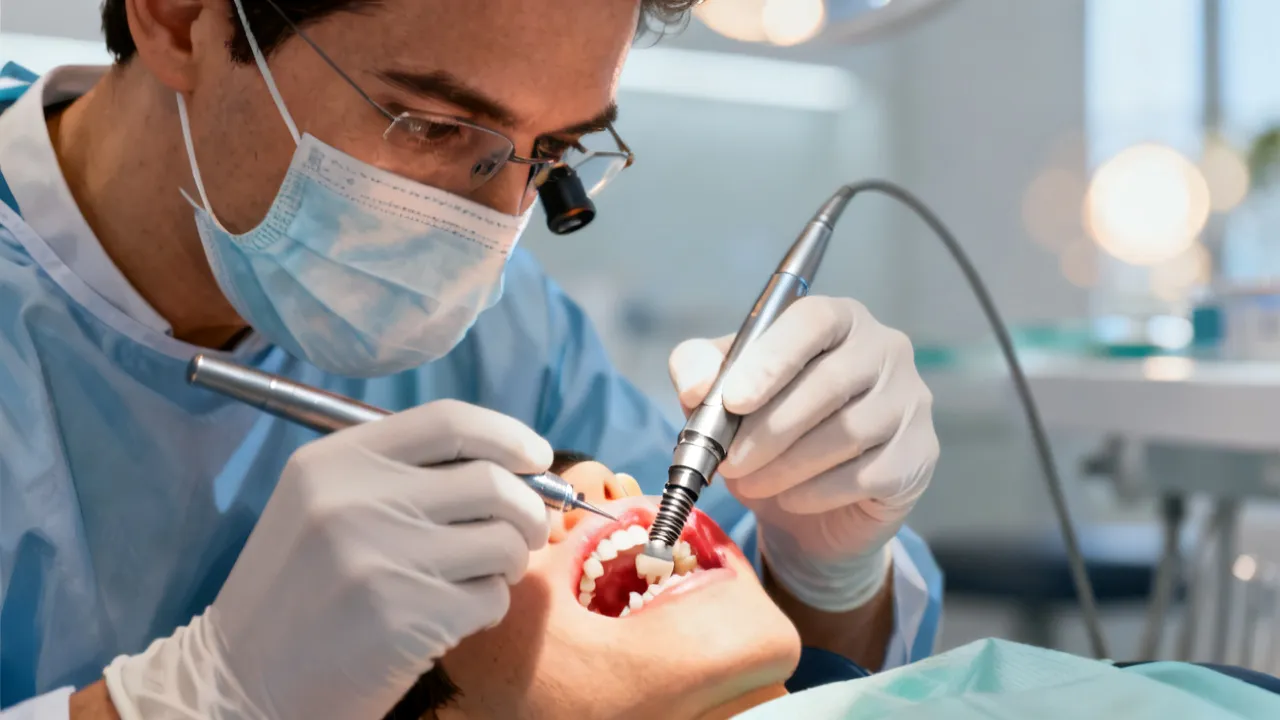
This guide explains what to do when a temporary filling falls out, how to protect the tooth, when urgent dental care is needed, and how treatment costs may differ by country. The Korean phrase “임시 충전재 떨어짐” refers to a temporary filling becoming loose or coming out. Temporary fillings are designed for short-term protection, so prompt professional assessment is important, particularly after root canal treatment or extensive tooth preparation.
Immediate Advice When a Temporary Filling Falls Out
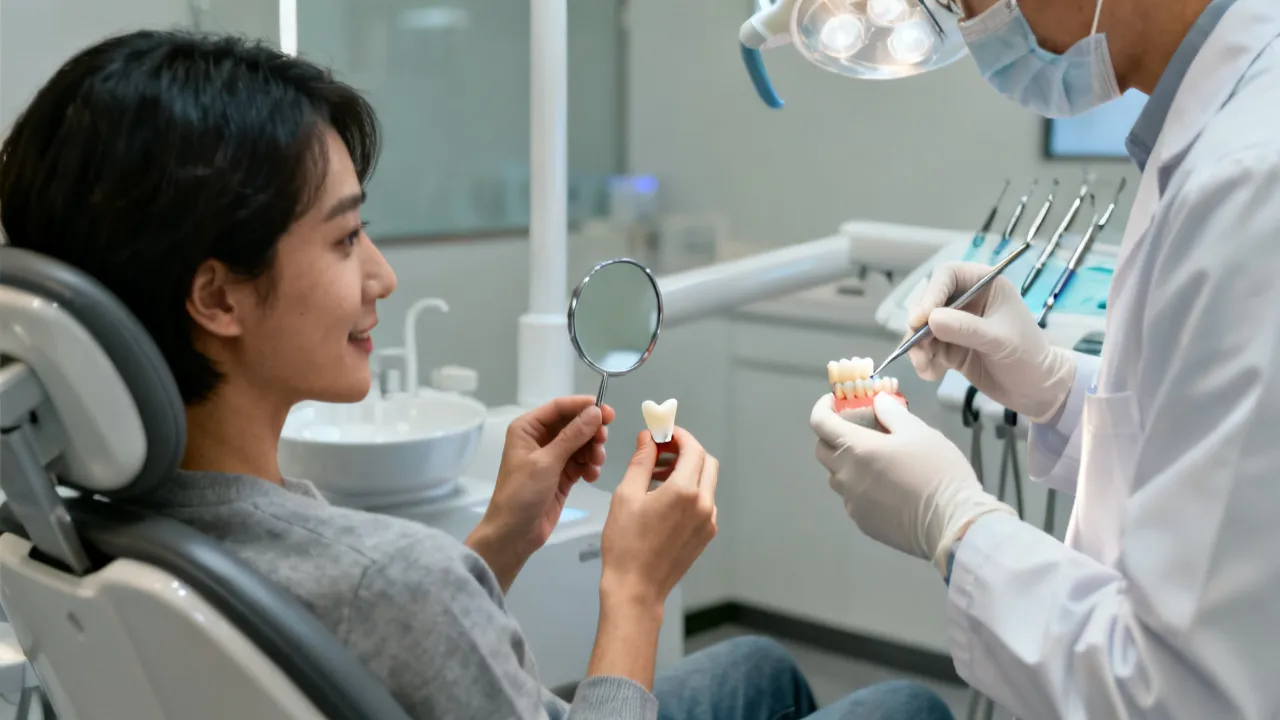
When a temporary filling falls out, rinse the mouth gently with lukewarm water, remove only loose debris, and contact a dentist as soon as possible. The exposed tooth may be sensitive, vulnerable to contamination, or at risk of further damage. Avoid chewing on that side, especially hard, sticky, very hot, or very cold foods. Do not attempt to push the filling back into place with force, and do not use household glue or non-dental materials.
The Korean expression 임시 충전재 떨어짐 describes the situation in which a temporary filling has fallen out. In English, it is commonly described as “a temporary filling fell out” or “a lost temporary filling.” Although the event is often not a medical emergency, it should not be ignored. The appropriate response depends on why the temporary filling was placed, how much tooth structure remains, whether pain or swelling is present, and how soon the permanent restoration was planned.
Seek urgent dental advice if the tooth is associated with facial swelling, fever, severe or worsening pain, difficulty swallowing, difficulty breathing, uncontrolled bleeding, or a significant fracture. These symptoms can indicate infection, inflammation, or more extensive damage that requires prompt examination.
If the filling came out after dental treatment earlier the same day, call the treating practice rather than assuming that the material was not important. The dentist may have placed medication beneath the filling, sealed a root canal access opening, or covered a tooth that has not yet been permanently restored. Explaining the timing and the type of treatment helps the clinic determine how quickly you should be seen.
Why Temporary Fillings Are Used
A temporary filling is a short-term dental material placed to protect a tooth while a later stage of treatment is pending. It may be used after decay has been removed, between root canal appointments, while a crown or inlay is being prepared, or when the dentist wants to monitor symptoms before completing treatment.
Temporary materials are selected for convenience, adaptability, and ease of removal. They are not always intended to withstand the same chewing forces, moisture exposure, or long-term wear as a permanent filling, crown, or other definitive restoration. Consequently, a temporary filling can wear down, crack, loosen, or come out even when the patient has followed instructions carefully.
Some temporary fillings are relatively soft and are designed to be removed easily at the next appointment. Others are more durable and may remain for several weeks or months, depending on the treatment plan. A material placed on a front tooth may experience different forces from one placed on a lower molar. The dentist chooses the material according to the location of the tooth, the size of the opening, the amount of remaining structure, and the expected duration of the temporary stage.
Industry experts generally view a lost temporary filling as a treatment-continuity issue rather than a reason to panic. The key concern is the condition of the underlying tooth. A brief delay may be manageable in some cases, but an exposed tooth can allow food and bacteria to enter the prepared area. It can also permit the tooth to shift slightly, which may affect the fit of a restoration that is already being fabricated.
Tooth movement is usually small over a short period, but even minor changes can matter when a crown, bridge, or inlay has been made to precise dimensions. The opposing tooth may also move toward the open space or begin contacting the exposed area more heavily. For this reason, a temporary filling should be regarded as part of an active treatment plan rather than as an optional covering.
What to Do Step by Step
- Check the area without probing it. Use a mirror and good lighting if available. Do not insert pins, fingernails, toothpicks, interdental brushes, or other objects into the opening. Looking at the area can help you describe the problem, but probing can damage the tooth or gum.
- Rinse gently. A lukewarm water rinse can remove food particles. Avoid vigorous swishing if the tooth is painful or the gum is bleeding. A gentle salt-water rinse may be comfortable for some people, but it should not be used as a replacement for dental treatment.
- Save the material if practical. Place the fragment in a clean container or small sealed bag and take it to the dental appointment. The dentist may not reuse it, but it can help confirm what happened or show whether the entire restoration came out.
- Protect the tooth temporarily. Brush carefully with a soft-bristled toothbrush. Keep the surrounding teeth clean, but avoid aggressive pressure directly over the exposed area. Plaque and trapped food can increase irritation and contamination.
- Reduce chewing pressure. Use the opposite side of the mouth and choose softer foods until the tooth is assessed. Cutting food into small pieces can reduce the temptation to bite forcefully.
- Call the dental clinic. Explain when the filling came out, whether the tooth was recently treated, and whether there is pain, swelling, sensitivity, or a sharp edge. Tell the receptionist if the tooth is part of a root canal procedure or if a crown was being prepared.
- Follow the dentist’s interim instructions. The clinic may recommend an early appointment, a temporary protective dressing, or observation until a scheduled restoration visit. Do not rely on general internet advice if the treating dentist gives specific instructions.
Patients should mention if the temporary filling was placed during root canal therapy. A tooth between root canal appointments may have a temporary seal that is especially important for limiting contamination. It should be assessed promptly if it is missing or substantially damaged.
When contacting the clinic, useful information includes the tooth’s location, the date of the last appointment, the approximate time the filling came out, whether a piece of tooth came out with it, and whether the pain is triggered by biting or temperature. A photograph taken with a phone can sometimes help the clinic triage the problem, although a photograph cannot replace an examination.
When the Situation Requires Urgent Attention
A missing temporary filling becomes more urgent when it is accompanied by symptoms that may suggest infection or structural injury. Contact an emergency dental service or an appropriate healthcare provider without unnecessary delay if any of the following occurs:
- Rapidly increasing facial, gum, or jaw swelling
- Fever, chills, or feeling generally unwell
- Difficulty swallowing, breathing, or opening the mouth
- Severe pain that does not improve with ordinary measures recommended by a clinician
- A visible crack extending into the gum or a large piece of tooth breaking away
- Persistent bleeding that does not settle with gentle pressure
- Pus, a foul taste, or pronounced tenderness around the tooth
- Swelling around the eye or a rapidly spreading area of redness
- Injury to the face or jaw associated with the lost filling
Difficulty breathing or swallowing is particularly important because swelling from a dental infection can occasionally spread into spaces that affect the airway. In that situation, seek emergency medical care rather than waiting for a routine dental appointment. Likewise, a person with a weakened immune system or a serious medical condition may need faster assessment even when symptoms initially appear mild.
If the filling has fallen out but there is no significant pain, swelling, or trauma, the matter may not require an emergency department. Nevertheless, a dental appointment remains advisable. Dental clinics can determine whether the tooth needs a replacement temporary filling, a permanent filling, a crown, further root canal treatment, or another form of care.
What Not to Do
Several common responses can create additional problems. Do not use superglue, household adhesive, candle wax, cotton, or unapproved repair products inside the tooth. These substances may irritate oral tissues, complicate professional treatment, or introduce contaminants. Adhesives can also make it more difficult for the dentist to clean and evaluate the area.
Do not repeatedly test the area with the tongue or bite down to see whether it hurts. Avoid sticky foods such as chewing gum, caramel, and toffee because they can pull away remaining material. Hard foods, ice, nuts, and unpopped popcorn can fracture weakened tooth structure. Very acidic drinks may also increase sensitivity if dentin is exposed.
Do not stop prescribed dental treatment simply because symptoms have improved. Pain can decrease even while decay, leakage, or infection continues. The dentist should decide whether the tooth is ready for definitive restoration. Similarly, do not take leftover antibiotics without professional advice. Antibiotics do not repair a lost filling and are not appropriate for every dental pain problem.
Do not place aspirin or other pain medicines directly against the tooth or gum. This practice can cause a chemical burn to the soft tissue. If pain relief is needed, medicines should be taken only as directed on the label or by a healthcare professional.
Managing Sensitivity Before the Appointment
Temperature sensitivity after a temporary filling is lost is common because dentin or recently treated tooth structure may be exposed. Use lukewarm foods and drinks, chew on the opposite side, and avoid rapid changes between hot and cold temperatures. A toothpaste formulated for sensitivity may be useful for some patients, although it does not replace examination or repair.
When brushing, use a soft-bristled brush and gentle strokes. It is generally better to maintain cleanliness than to stop brushing altogether, because plaque accumulation can worsen gum irritation. If floss catches on the edge of the opening, do not pull upward with force. Ask the dental office how to clean around the tooth safely until the restoration is replaced.
For pain relief, patients should follow the instructions on an appropriate over-the-counter medicine and consider their own medical history. People with stomach ulcers, kidney disease, liver disease, bleeding disorders, medication interactions, pregnancy, or allergies should consult a pharmacist or clinician before taking analgesics. Aspirin should not be placed directly on the gum or tooth because it can damage soft tissue.
Patients should be careful not to exceed the recommended dose by combining several products that contain the same active ingredient. For example, some cold and flu products contain pain-relieving medicines. A pharmacist can help determine which option is appropriate when a patient takes blood thinners or other regular medication.
Parents should contact a dental professional if a child loses a temporary filling, especially when the tooth is painful or the child cannot describe the symptoms clearly. Children may also need advice about avoiding the affected side and maintaining oral hygiene until the visit. A child who develops swelling, fever, unusual sleepiness, or difficulty swallowing should receive prompt medical attention.
Why a Temporary Filling May Fall Out
There is no single cause of a lost temporary filling. The following factors are common:
| Possible factor | How it may contribute |
|---|---|
| Chewing forces | Back teeth receive substantial pressure, which can wear or dislodge a short-term material. |
| Sticky or hard foods | These foods may pull on the material or fracture weakened tooth structure. |
| Moisture and saliva | Some temporary materials are more vulnerable to moisture than permanent restorative materials. |
| Limited remaining tooth structure | A filling may have less support when decay or prior treatment has removed a large portion of the tooth. |
| Bruxism | Clenching or grinding can place repeated stress on the tooth and temporary restoration. |
| Delayed follow-up | A temporary restoration may deteriorate if it remains in place beyond the intended treatment interval. |
| Moisture contamination during placement | Some materials require a relatively controlled field, and difficulty keeping the area dry can affect retention. |
| Underlying fracture or recurrent decay | A crack or continuing breakdown of the tooth may prevent the temporary material from remaining stable. |
These factors do not necessarily indicate poor dental care. Temporary restorations are deliberately designed for an interim period, and their performance depends on the tooth’s location, the material used, the patient’s bite, and the planned treatment.
A filling that gradually wears down is different from one that comes out with a large portion of tooth. If the patient notices a sharp edge, a sudden change in the shape of the tooth, or a piece that appears to be tooth-colored rather than filling material, this should be reported to the dentist. A fractured cusp may require a crown or another protective restoration rather than simply another temporary filling.
How a Dentist Evaluates the Tooth
During an appointment, the dentist may ask when the filling was placed, what symptoms occurred before and after it came out, and whether the tooth was exposed to unusual pressure. The clinician may inspect the tooth visually, assess tenderness, check the bite, and use dental imaging when clinically justified.
The dentist may examine whether the pulp, root canal space, gum, and surrounding bone are affected. A cold test, percussion test, bite test, or other diagnostic procedure may be appropriate for a tooth that has not undergone root canal treatment. These tests help distinguish ordinary postoperative sensitivity from irreversible pulp inflammation, a crack, or infection.
The treatment decision depends on the findings. Options may include:
- Replacing the temporary filling
- Placing a stronger interim restoration
- Completing a permanent filling
- Preparing or fitting a crown, inlay, or onlay
- Continuing or revising root canal treatment
- Treating recurrent decay or a fractured cusp
- Discussing extraction and tooth replacement when the tooth cannot be predictably restored
A dentist may also adjust the bite if excessive contact is contributing to repeated failure. In patients who grind their teeth, a clinician may discuss behavioral measures or a professionally designed occlusal appliance after the underlying treatment is complete.
Replacing the temporary filling may be quick, but the dentist may need to clean decay, remove contaminated material, or reassess the tooth before resealing it. If a permanent crown was already made, the dentist will check that the tooth and crown still fit properly. A restoration should not be cemented simply to meet a schedule if the tooth has developed new symptoms or structural damage.
Temporary Filling After Root Canal Treatment
Root canal treatment frequently involves more than one clinical stage. Between visits, a temporary filling helps seal the access opening. If it falls out, the tooth may be more exposed to saliva and food. The patient should notify the treating dentist rather than waiting for the next routine appointment.
It is important not to assume that the absence of pain means the seal is satisfactory. A tooth undergoing root canal treatment may have reduced sensation, and contamination may occur without immediate discomfort. The dentist can determine whether the temporary seal can be replaced or whether the planned treatment should be advanced.
Patients should avoid chewing hard foods with a root canal-treated tooth until the final restoration is placed. Root canal treatment can leave a tooth structurally weaker, particularly when a large amount of tooth structure has been removed. A temporary seal protects against contamination, but it may not provide the same fracture resistance as a final crown or other restoration.
After root canal treatment is completed, the tooth may need a permanent restoration that protects it from fracture. The exact choice depends on the tooth’s position, the amount of remaining structure, the patient’s bite, and the dentist’s assessment. A temporary filling is not usually a substitute for that final protection.
Preventing Another Temporary Filling Loss
Patients can reduce the likelihood of another failure by following the dental clinic’s instructions closely. General measures include avoiding chewing on the treated side, limiting sticky and hard foods, cleaning gently but consistently, and attending the scheduled follow-up.
Flossing technique may require special attention. If floss is pulled upward forcefully between teeth, it can catch the edge of a temporary filling. In some cases, the dentist may recommend pulling the floss out sideways rather than lifting it directly. Patients should ask the clinic to demonstrate the safest method for their particular restoration.
Good prevention also includes discussing clenching, grinding, sports-related trauma, and dietary habits. A temporary filling that repeatedly fails may be signaling that the tooth needs a more protective restoration or that the bite requires evaluation.
Patients who participate in contact sports should ask whether a properly fitted mouthguard is appropriate. People who grind at night should mention morning jaw soreness, worn teeth, headaches, or reports from a partner that grinding occurs during sleep. These details can help the dentist decide whether additional protection is needed.
Affordable Dental Care and Low-Cost Implant Planning
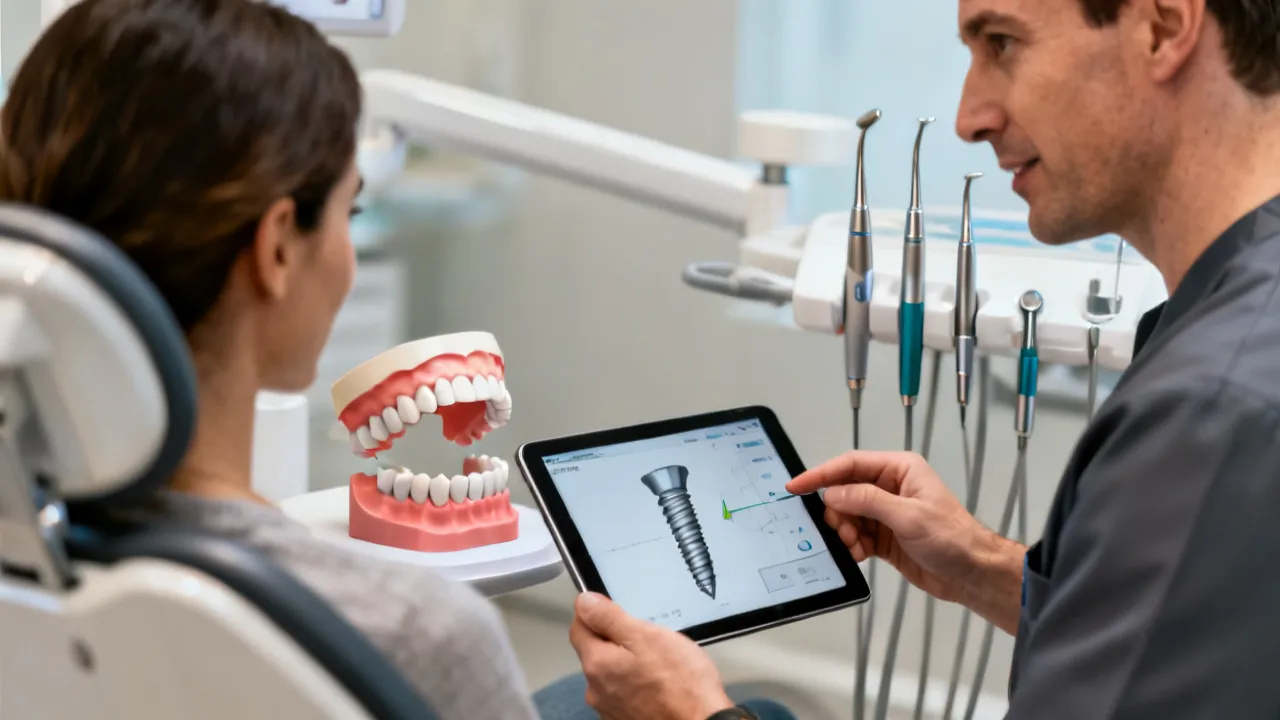
A lost temporary filling is not the same procedure as a dental implant. A temporary filling protects an existing tooth during staged treatment, whereas an implant replaces the root portion of a missing tooth and normally supports a crown, bridge, or denture. However, people who experience repeated restoration problems may eventually ask about tooth replacement and how to obtain dental implants at a lower overall cost.
Cost-conscious planning should focus on safe, complete treatment rather than selecting a price without understanding what it includes. A quoted implant price may refer to the implant fixture alone, while the complete treatment can also involve consultation, imaging, extraction, bone grafting, an abutment, the crown, temporary teeth, laboratory work, sedation, and follow-up care.
Patients should request a written treatment plan that identifies each component. Comparing like with like is essential. A lower initial quote may not represent a lower final cost if important procedures or maintenance services are excluded.
Before considering extraction and an implant, patients should ask whether the natural tooth can be saved. Depending on the diagnosis, treatment options may include a new filling, a crown, root canal treatment, periodontal care, or repair of a fractured cusp. Preserving a restorable natural tooth may be less invasive and less expensive than replacing it, although the appropriate choice can only be made after an examination.
How to Obtain Dental Implants at Lower Cost in English-Speaking Countries
- Obtain a comprehensive examination. Ask for an assessment of bone volume, gum health, bite, medical history, and the condition of neighboring teeth.
- Request itemized estimates. Confirm whether the quoted amount includes imaging, extraction, the implant fixture, abutment, crown, laboratory fees, and follow-up appointments.
- Compare several qualified clinics. Check professional registration, relevant training, infection-control procedures, and the clinic’s approach to complications.
- Ask about staged treatment. Some patients may safely divide treatment into clinically appropriate stages, although timing must be determined by the dentist.
- Review insurance or dental-plan benefits. Coverage varies widely. Confirm annual limits, exclusions, waiting periods, implant-related benefits, and eligibility requirements.
- Consider dental schools or teaching clinics. Supervised educational clinics may offer lower fees for selected cases, but appointments can take longer and eligibility may be limited.
- Discuss alternatives. A conventional bridge or removable partial denture may have a different initial and long-term cost profile, depending on the patient’s oral condition.
- Plan maintenance expenses. Professional reviews, hygiene visits, replacement components, and treatment of gum disease should be included in long-term budgeting.
In the United States, patients may compare private practices, dental school clinics, employer-sponsored dental benefits, and dental savings arrangements. In the United Kingdom, they may ask whether a clinic offers NHS treatment for the specific condition, although implant eligibility is limited and subject to clinical criteria. In Australia and Canada, patients should compare private fees, insurance restrictions, and regional differences. In all cases, the clinician’s qualifications and the completeness of the treatment plan remain more important than an advertised headline figure.
Patients should also ask whether the clinic uses a recognized implant system with components that can be obtained locally in the future. A very inexpensive system may be difficult to service if the manufacturer or component information is unavailable. Receiving a copy of the implant passport, product label, or component details can make future maintenance easier if the patient changes dentists.
How to Obtain Dental Implants at Lower Cost in Spanish-Speaking Countries
- Confirm the professional’s credentials. Verify registration with the applicable national or regional dental authority and ask about implant-specific education.
- Request diagnostic records. A treatment plan should be based on an examination and appropriate imaging rather than a remote price estimate alone.
- Clarify the language of the agreement. Patients traveling or receiving care in a Spanish-speaking setting should ensure that the consent form, warranty terms, and aftercare instructions are understood.
- Compare implant systems and laboratory work. Ask which components are being used and whether replacement parts will be accessible in the patient’s home region.
- Ask whether bone grafting is included. Bone augmentation, sinus procedures, or gum treatment can alter the total cost substantially.
- Use established clinics with organized follow-up. A clinic should explain who will manage complications and how appointments are arranged after surgery.
- Evaluate travel expenses. Airfare, accommodation, transportation, time away from work, and possible return visits should be added to the treatment budget.
- Do not compress healing stages without clinical justification. Treatment schedules must be based on bone healing, gum health, and the dentist’s findings.
Spain, Mexico, Chile, Colombia, Peru, and Argentina have different healthcare systems, currencies, professional regulations, and regional price structures. A clinic in a major metropolitan area may have a different fee structure from one in a smaller community. Patients should look for transparent documentation rather than relying only on promotional material.
Language accessibility is part of safety. Patients should be able to understand instructions about antibiotics, pain control, food restrictions, oral hygiene, warning signs, and follow-up. If interpretation is needed, it is better to arrange a qualified interpreter than to rely on an informal translation of consent documents or surgical instructions.
How to Obtain Dental Implants at Lower Cost in Portuguese-Speaking Countries
- Compare complete treatment packages. Determine whether the package includes the surgical stage and the final prosthetic crown.
- Check the dentist and clinic. Confirm professional registration and ask how implant surgery, prosthetic design, and laboratory production are coordinated.
- Ask about material choices. Implant brands, crown materials, and laboratory techniques may influence the fee and future repair options.
- Consider university clinics. Teaching institutions may provide treatment under supervision and may have eligibility or scheduling requirements.
- Discuss payment arrangements. Some clinics may offer staged payments, but patients should read the terms carefully and understand cancellation policies.
- Account for maintenance. Long-term implant success depends on hygiene, gum health, professional reviews, and management of clenching or other risk factors.
In Brazil and Portugal, patients should ask whether the quoted price is stated in Brazilian reais or euros and whether it applies to one implant fixture, one complete tooth, or a broader treatment plan. Portuguese-speaking patients should also confirm whether the clinic provides written instructions in a language they can comfortably understand.
Patients should be cautious about packages that promise a fixed price before any examination. Bone loss, gum disease, infection, sinus anatomy, and the need for extraction can only be evaluated properly through clinical assessment and appropriate imaging. A price obtained before diagnosis may change after the dentist identifies necessary procedures.
Comparison of Websites Providing Dental Implant Information
The following websites represent different types of information sources, including clinic pages, dental tourism resources, insurance information, and Spanish- or Portuguese-language dental providers. They should be used for background research rather than as a substitute for an individual examination.
| Website or organization | Primary features |
|---|---|
| Dental Views | Information about lower-cost dental implants, treatment types, expected process, and general cost considerations. |
| Atlantic Dental Group | Clinic-based information covering general dentistry, implants, orthodontics, hygiene, and emergency dental services. |
| DentaVacation | Dental tourism information, international treatment comparisons, travel planning, and overseas-care considerations. |
| American Dental Health Plans | Dental-plan and coverage information intended to help patients consider ways to manage dental expenses. |
| Rockville Dental Arts | Spanish-language information about comprehensive dental services, including implants, orthodontics, hygiene, cosmetic care, and emergency dentistry. |
| Union City Mini Dental Implants | Spanish-language clinic information focused on mini dental implant services and treatment discussions. |
| Cigna | Spanish-language educational material explaining dental implants and general treatment considerations. |
| Rubi Odonto | Portuguese-language clinic information about orthodontics, whitening, implants, and related dental services in Brazil. |
| Odontologia Velasco | Portuguese-language information about implants, prosthodontics, aesthetic dentistry, and technology-assisted services. |
| DentalVidas | Portuguese-language dental-plan information for individuals, families, and businesses, including network and emergency-service details. |
Source: The website descriptions above are based on the supplied online reference information.
source: www.dentalviews.com/low-cost-dental-implants/
source: www.atlanticdentalgrp.com/
source: www.dentavacation.com/
source: rockvilledentalarts.com/es/
source: unioncityminidentalimplants.com/es/
source: www.cigna.com/es-us/knowledge-center/guide-to-dental-implants
source: www.rubiodonto.com.br/
source: odontologiavelasco.com.br/
source: dentalvidas.com.br/
Reference Price Ranges for One Individual Dental Implant
The figures below are reference ranges for an individual dental implant in the listed countries. The meaning of “one implant” can vary: some sources describe the fixture only, while others may discuss a more complete tooth-replacement process. Patients should confirm whether the abutment, crown, imaging, extraction, grafting, temporary tooth, and follow-up are included.
| Country | Currency | Reference price range |
|---|---|---|
| United States | USD | $3,000–$6,000 |
| United Kingdom | GBP | £2,000–£2,500 |
| Australia | AUD | AU$3,500–AU$6,500 |
| Canada | CAD | CA$3,000–CA$5,500 |
| Spain | EUR | €1,500–€2,500 |
| Chile | CLP | CLP$800,000–CLP$1,500,000 |
| Mexico | MXN | $15,000–$25,000 MXN |
| Colombia | COP | $2,000,000–$4,000,000 COP |
| Peru | PEN | S/ 3,000–S/ 6,000 |
| Argentina | ARS | $80,000–$150,000 ARS |
| Brazil | BRL | R$3,000–R$8,000 |
| Portugal | EUR | €1,000–€2,000 |
| Germany | EUR | €2,000–€3,500 |
| France | EUR | €1,500–€2,500 |
| Italy | EUR | €1,500–€3,000 |
| Japan | JPY | ¥300,000–¥700,000 |
These ranges are presented for comparison across English-, Spanish-, Portuguese-, German-, French-, Italian-, and Japanese-speaking markets. Currency conversion should not be used as the only basis for choosing treatment because exchange rates, tax structures, clinical complexity, and inclusions differ.
Prices can also change over time because of laboratory costs, implant manufacturer pricing, local wages, taxes, inflation, and currency fluctuations. The reference figures should therefore be treated as general orientation rather than a guaranteed quotation. A dentist must examine the patient before providing an individualized estimate.
Questions to Ask Before Choosing an Implant Clinic
- Is the quoted amount for the implant fixture alone or for the complete replacement tooth?
- Which diagnostic scans and consultations are included?
- Will the same dental team provide both the surgical and prosthetic stages?
- What happens if bone grafting, gum treatment, or extraction is required?
- Which implant system and crown material will be used?
- Can the clinic provide the implant brand and component details for future care?
- How many follow-up appointments are expected?
- What are the policies for complications, remakes, or component failure?
- How long should the patient remain nearby after surgery if treatment is overseas?
- What maintenance schedule is recommended after the crown is fitted?
- Who is responsible for treating an infection or failed implant?
- Are emergency appointments available outside normal business hours?
- Will the patient receive copies of imaging, consent forms, operative notes, and laboratory information?
- Are taxes, medication, sedation, temporary teeth, and review appointments included in the estimate?
A reputable clinic should be willing to explain the treatment sequence and limitations clearly. Patients should be cautious of pressure to make a rapid decision, vague package descriptions, or a price that excludes clinically likely procedures.
It is also useful to ask what “success” means in the clinic’s warranty or guarantee policy. Some policies cover only the implant fixture and exclude the crown, while others impose conditions concerning smoking, hygiene visits, or attendance at follow-up appointments. Patients should read these terms before paying a deposit.
Dental Tourism: Potential Benefits and Practical Risks
Traveling for dental treatment can appear financially attractive when fees differ between regions. However, the total cost includes travel, accommodation, meals, transportation, time away from work, and the possibility of an additional trip. The patient must also consider how a local dentist would manage an urgent complication after returning home.
Implant therapy is usually staged. Examination and imaging may occur before surgery; healing may then require time before the final crown is fitted. A travel plan that allows only a few days may be unsuitable for a treatment requiring multiple visits. The patient should ask whether the overseas clinic has a documented referral or follow-up arrangement in the home region.
Differences in language, legal standards, product availability, consent procedures, and record transfer can also affect continuity of care. International patients should obtain copies of imaging, implant details, prescriptions, operative notes, and restoration information before leaving the clinic.
Travel soon after surgery may be uncomfortable and can make it difficult to respond promptly if swelling, bleeding, fever, or severe pain develops. Patients should ask the surgeon how long to remain locally, what warning signs require a review, and whether air travel or strenuous activity should be limited. Travel insurance may not cover elective dental treatment or its complications, so the policy should be reviewed carefully.
Conditions and Requirements for Implant Treatment
Dental implants are not appropriate for every patient at every moment. The dentist will consider the health of the gums, the quantity and quality of bone, oral hygiene, smoking or nicotine exposure, uncontrolled medical conditions, medication use, and the patient’s ability to attend follow-up visits.
Active gum disease generally requires management before implant placement. Similarly, untreated decay in neighboring teeth can compromise oral health and should be addressed. Bone grafting may be discussed when the available bone is insufficient, while sinus-related procedures may be relevant for selected upper-jaw cases.
Medical history is essential. Patients should disclose diabetes, osteoporosis treatment, immune conditions, bleeding risks, allergies, pregnancy, previous radiation therapy, and all prescription or nonprescription medicines. The dentist may coordinate with a physician where appropriate.
Smoking and other nicotine exposure can interfere with healing and increase oral-health risks. The dental team can provide individualized advice about cessation or reduction before and after surgery. Patients should not conceal this information when seeking a lower-cost treatment plan.
Oral hygiene after implant treatment is important because implants can develop inflammation around the supporting tissues. Although an implant cannot develop ordinary tooth decay, the surrounding gum and bone can be affected by plaque and infection. Regular professional care and daily cleaning are part of the long-term cost and should be included in planning.
Relationship Between a Lost Temporary Filling and Future Tooth Replacement
A temporary filling that falls out does not automatically mean the tooth needs an implant. In many cases, the tooth can be restored with a new filling, crown, or another conservative option. Extraction and implant treatment are considered only when the tooth is not predictably restorable or when other clinical factors support replacement.
Preserving a natural tooth may avoid surgical treatment and reduce the number of appointments. A dentist must assess the remaining structure, root condition, fracture pattern, periodontal support, and response to previous treatment. Patients should request an explanation of reasonable alternatives before choosing extraction.
If extraction is necessary, timing of implant placement varies. Some cases allow immediate placement, while others require healing or bone preservation first. The decision depends on infection, bone anatomy, gum condition, and the planned restoration. A low-cost option that disregards these conditions may create additional clinical and financial problems later.
A missing tooth can affect chewing, speech, appearance, and the position of neighboring teeth, but not every missing tooth requires immediate implant placement. A bridge or removable partial denture may be suitable for some patients. The best option depends on health, function, aesthetics, maintenance preferences, available bone, and budget.
Frequently Asked Questions
What does 임시 충전재 떨어짐 mean?
임시 충전재 떨어짐 means that a temporary filling has fallen out or become dislodged. It is a useful phrase for describing the event when contacting a dental clinic. Patients should also explain whether there is pain, swelling, sensitivity, bleeding, or a recent root canal procedure.
Can I wait until my scheduled appointment?
That depends on the tooth and the symptoms. If the appointment is very soon and the clinic confirms that waiting is appropriate, the dentist may advise protective care at home. If the tooth was treated with root canal therapy, the opening is large, or symptoms are developing, the clinic may ask the patient to come earlier.
Can I put the temporary filling back?
Do not force the material back into the tooth. It may be contaminated, may not fit correctly, and could be swallowed or pushed into surrounding tissue. A dentist can clean and reseal the area using appropriate materials.
Can I use a pharmacy dental repair product?
Some commercially available temporary dental repair products are intended only for short-term use and should be used exactly as directed. They are not a substitute for professional care. Ask a dentist or pharmacist whether a product is suitable, particularly after root canal treatment, extraction, trauma, or when swelling is present.
Why does the tooth hurt after the filling falls out?
The exposed tooth may react to temperature, pressure, or food contact. The pain may also reflect inflammation, recurrent decay, a cracked tooth, or an infection that was already developing. Only an examination can distinguish these causes reliably.
Is a temporary filling supposed to last a long time?
Its expected duration varies according to the material, the treatment plan, the tooth’s location, and the patient’s bite. It is designed for an interim period, not necessarily for indefinite use. The dentist should provide the expected follow-up schedule.
Is a dental implant the same as a filling?
No. A filling repairs a tooth that remains in the mouth. An implant is a surgically placed replacement for the root of a missing tooth and normally supports a crown or other prosthesis. The procedures, risks, timelines, and costs are different.
How can I compare implant prices fairly?
Ask each clinic for an itemized quotation and compare the same components. Confirm whether the amount includes imaging, surgery, the implant fixture, abutment, crown, laboratory work, temporary teeth, sedation, grafting, and follow-up. Also compare professional credentials and aftercare arrangements.
Are overseas implants always less expensive overall?
Not necessarily. The clinical fee may be lower in one region, but travel, accommodation, exchange-rate changes, additional visits, and management of complications can increase the total. A complete written plan is necessary before making a financial comparison.
What should I do if the temporary filling falls out at night?
Rinse gently, keep the area clean, avoid chewing on that side, and contact the clinic when it opens unless urgent symptoms are present. Severe swelling, fever, breathing difficulty, swallowing difficulty, or uncontrolled bleeding requires immediate medical or emergency dental guidance.
Can a lost temporary filling cause an infection immediately?
Infection does not necessarily develop immediately, but the risk can increase when a prepared tooth is exposed to saliva, food, and bacteria. The risk also depends on the original condition of the tooth and the type of treatment performed. Prompt dental advice is preferable to waiting for infection symptoms.
What if the filling fell out but I swallowed it?
Small temporary filling fragments are usually passed through the digestive system without difficulty. Do not try to induce vomiting. Contact a healthcare professional if the material was large, sharp, associated with choking, or followed by breathing difficulty, chest pain, persistent coughing, or abdominal symptoms.
Expert Perspective
From a restorative dentistry perspective, the most important principle is to protect the tooth while preserving treatment continuity. A temporary filling is a planned intermediate measure, but its loss can expose a vulnerable surface. The dentist’s decision should be guided by diagnosis, not by the appearance of the missing material alone.
For patients considering affordable implant care, the same principle applies: evaluate the entire treatment pathway rather than the initial advertisement. A durable result depends on diagnosis, surgical planning, prosthetic design, hygiene, maintenance, and access to follow-up. Cost comparisons are useful only when clinical quality and treatment scope are considered alongside price.
Patients should also understand that a temporary restoration can fail without anyone having made an obvious mistake. The material may have been placed in a tooth with limited walls, a heavy bite, or a difficult moisture-control environment. Reporting the failure promptly allows the dentist to identify the reason and, when possible, change the treatment approach rather than simply repeating the same temporary repair.
Practical Checklist Before Calling the Dentist
- Which tooth is affected: upper or lower, left or right, front or back?
- When was the temporary filling placed?
- Was the tooth treated for decay, a crown, or root canal therapy?
- Did the entire filling come out, or is a portion still attached?
- Is there pain at rest, pain when biting, or sensitivity to temperature?
- Is there swelling, fever, bleeding, a bad taste, or a sharp edge?
- Did a piece of natural tooth come out with the filling?
- Have you taken any medication for the symptoms?
- Do you have medical conditions, allergies, or medication restrictions relevant to pain relief?
- Can you attend an earlier appointment if the dentist recommends one?
Having this information ready can help the clinic prioritize the appointment and provide safer interim instructions. If the patient is unsure whether the material was a filling, crown, inlay, or another restoration, describing its size, color, and location is still useful.
Disclaimer
1. The above information comes from online resources, and the data is as of October 2023.
2. Dental implant prices are for reference only and may vary by region, clinic and doctor.
This article is educational and does not provide a diagnosis or replace an examination by a qualified dental professional. Seek individualized advice for a lost temporary filling, dental pain, swelling, root canal treatment, or implant planning.