Temporary Filling Fell Out: What to Do
This guide explains what to do when a temporary filling falls out, how urgently to contact a dentist, and which symptoms require emergency attention. Temporary fillings are designed to protect a tooth for a limited period while definitive treatment is planned. The article also examines treatment costs, ways to compare dental clinics, and practical strategies for obtaining dental implants at lower overall cost in several language markets.
Immediate Advice When a Temporary Filling Falls Out
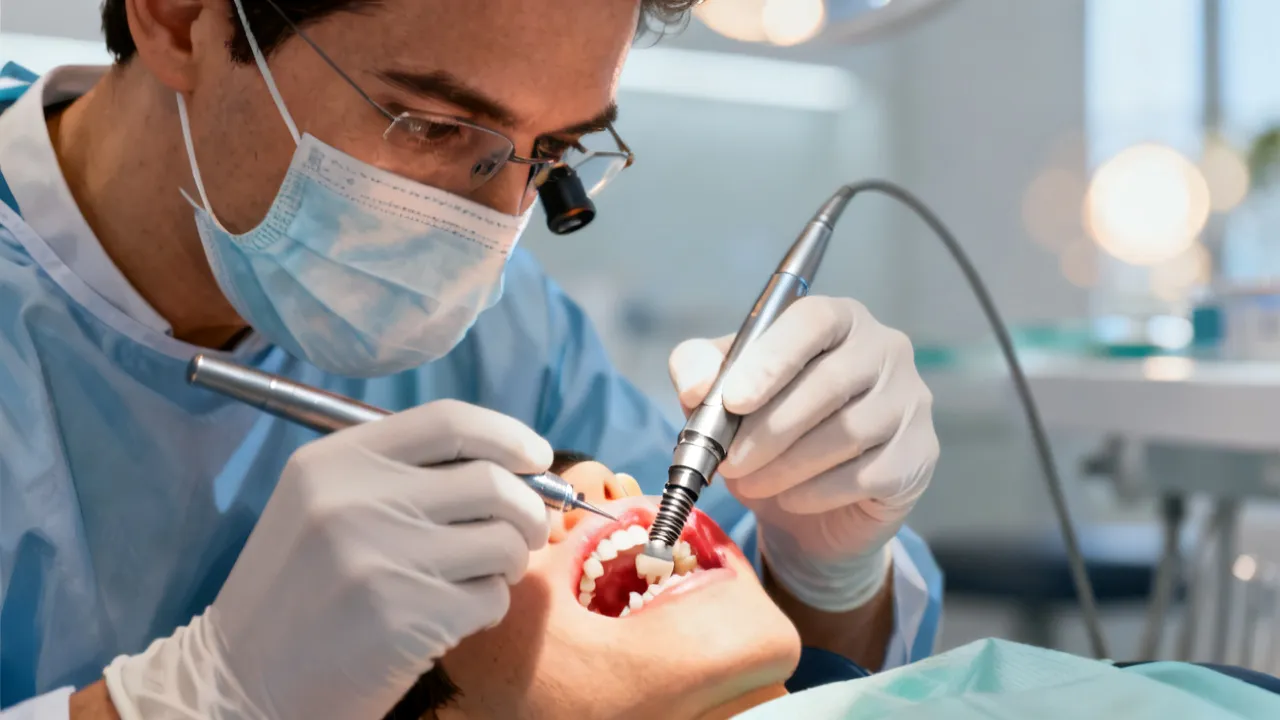
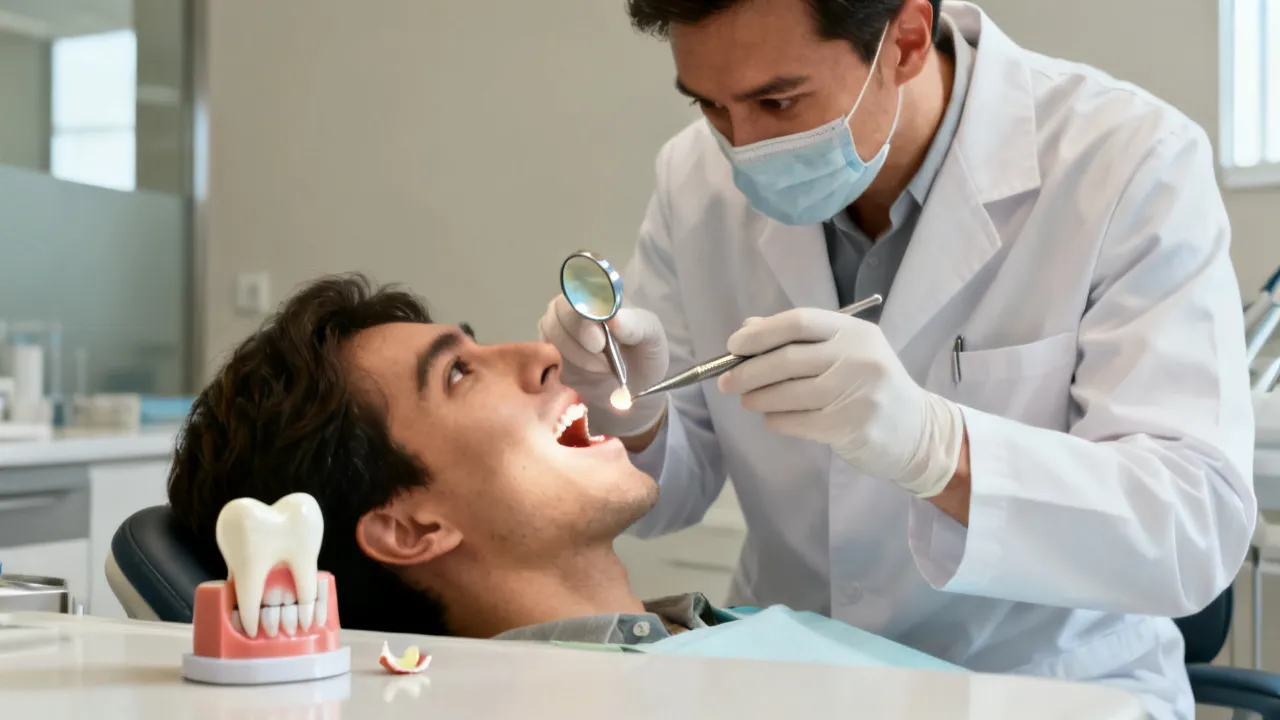
When a temporary filling falls out, contact a dental clinic promptly, protect the exposed tooth, and avoid chewing on that side. The Korean phrase 임시 충전재 떨어짐 means “temporary filling fell out.” Although this situation is often manageable, the exposed tooth may become sensitive, contaminated, or vulnerable to further damage. A dentist should determine whether the temporary material can be replaced, whether the tooth needs a permanent restoration, or whether deeper treatment is required.
Arrange a dental appointment as soon as reasonably possible, especially if the filling was placed after root canal treatment, a large cavity, trauma, or preparation for a crown. A temporary filling is not intended to function indefinitely. Its purpose is usually to seal and protect the tooth while the dentist completes diagnosis or staged treatment.
- Rinse gently with lukewarm water.
- Remove loose particles from the mouth without scraping the tooth.
- Brush carefully around the area and keep it clean.
- Avoid hard, sticky, very hot, or very cold foods on that side.
- Use the opposite side for chewing until the tooth is assessed.
- Save any large piece of filling material if it is easy to retrieve, but do not attempt to reinsert it.
- Call the clinic that placed the filling and explain when it came out.
- Tell the clinic whether the tooth is painful, sensitive, swollen, or recently treated with a root canal.
Do not use household glue, acrylic products, candle wax, or non-dental materials to replace the filling. Such substances may irritate oral tissues, interfere with treatment, or make professional cleaning more difficult. Temporary dental repair materials sold for short-term use may sometimes be appropriate, but they should be used only according to a dentist’s instructions and should never replace an examination.
When the Situation Is Urgent
A lost temporary filling is more urgent when it is accompanied by severe pain, swelling, fever, facial asymmetry, pus, difficulty swallowing, difficulty breathing, uncontrolled bleeding, or a tooth that has fractured. These symptoms may indicate infection, a significant structural problem, or an emergency affecting the surrounding tissues.
Seek urgent dental or medical care if swelling spreads toward the eye, neck, or jaw, or if breathing and swallowing become difficult. Pain that is rapidly worsening or not controlled by ordinary over-the-counter medication also deserves prompt evaluation. Medication should be taken only as directed on the label or by a qualified healthcare professional, taking into account allergies, pregnancy, kidney disease, stomach ulcers, blood-thinning medication, and other medical conditions.
If there is no severe pain or swelling, the issue may not require an emergency department visit, but it should still be addressed by a dentist. Delaying care can allow food and bacteria to enter the prepared area, potentially increasing sensitivity or complicating the final restoration.
Bleeding after a filling falls out is not typical if the tooth was previously restored and uncomplicated. A small amount of blood may appear if the gum was irritated by a sharp edge, but persistent bleeding should be reported. If the tooth broke at the same time as the filling, avoid testing it by biting down. A fractured tooth can worsen under normal chewing forces, particularly when a large portion of a molar has already been removed.
Why Temporary Fillings Are Used
Temporary fillings are made from materials intended to provide short-term protection. Depending on the clinical situation, a dentist may use materials such as zinc oxide-based cement, glass ionomer cement, resin-based temporary material, or another product suited to the tooth and treatment stage. The selection depends on moisture control, the expected duration of use, the type of later restoration, and whether the tooth has received endodontic treatment.
A temporary filling may be placed for several reasons:
- To seal a tooth between stages of root canal treatment.
- To protect a deep cavity while the dentist observes symptoms.
- To provide short-term coverage after emergency treatment.
- To protect a tooth prepared for a crown or onlay.
- To allow medication placed inside the tooth to remain sealed.
- To stabilize a tooth while laboratory-made restoration work is completed.
- To close an access opening while a dentist evaluates whether the pulp can recover.
- To protect a recently treated tooth while gum or surrounding tissues heal.
Because the material is designed for temporary use, it may be less resistant to heavy chewing than a permanent filling, crown, or onlay. A temporary filling can become loose because of biting pressure, moisture contamination during placement, insufficient remaining tooth structure, decay beneath or around the restoration, grinding, sticky foods, or normal material wear.
The expected life of a temporary filling varies widely. Some are intended to last only a few days or weeks, while others may remain in place for several months when a staged treatment plan requires it. The dentist’s instructions are more useful than a general estimate because the correct time frame depends on the tooth, the material, and the reason for treatment. A temporary filling that feels slightly rough may not be failing, but movement, a gap, a new hole, or pain during chewing should prompt a call to the clinic.
What to Do During the First 24 Hours
Immediately after noticing that the filling is missing, inspect the mouth gently in good lighting. You may see a shallow space, a dark cavity, a white or gray material, or a sharp piece of tooth. Do not use a pin, toothpick, fingernail, or dental instrument to explore the area. Probing can push debris deeper, injure the gum, or break a weakened tooth wall.
Rinse with lukewarm water to remove food particles. Salt water may be used as a gentle rinse if it is comfortable, but it does not replace dental treatment and should not be so concentrated that it irritates the tissues. Continue brushing the surrounding teeth. If the exposed surface is very sensitive, clean it gently rather than stopping oral hygiene altogether.
For meals, select foods that require little chewing, such as yogurt, eggs, pasta, rice, soup that has cooled to a comfortable temperature, or soft vegetables. Avoid chewing directly over the tooth. Sticky foods can pull at the remaining restoration or enter the opening, while hard foods can fracture a weakened cusp. If the tooth is in the front of the mouth, avoid biting directly into firm foods until it has been examined.
If a temporary crown or large restoration has also come loose, keep it in a clean container and bring it to the appointment. Do not force it back into place, because an incorrect position can change the bite or trap debris. A dentist may be able to evaluate and recement it, but this depends on whether the tooth and restoration are intact.
What a Dentist Will Check
From a clinical perspective, the most important question is not simply why the material came out, but what the exposed tooth now needs. The dentist may review the treatment history, examine the tooth visually, test sensitivity, assess the bite, and take an X-ray when clinically justified.
The appointment may include the following assessments:
- Condition of the tooth: The dentist checks for cracks, additional decay, weakened walls, or a fractured cusp.
- Pulp status: If the nerve remains active, sensitivity and pain patterns may help determine whether further treatment is needed.
- Root canal progress: If the temporary filling was placed during root canal treatment, the dentist assesses whether the canal treatment is ready for completion.
- Seal and cleanliness: Food debris and bacteria may need to be removed before a new temporary or permanent restoration is placed.
- Occlusion: The bite is checked to determine whether excessive force is contributing to repeated loss.
- Restoration plan: The dentist decides whether a filling, inlay, onlay, crown, or another treatment is appropriate.
- Gum and surrounding tissues: Swelling, tenderness, drainage, or periodontal pockets may affect the recommended treatment.
Replacing the material without addressing a crack, decay, bite problem, or infection may provide only a short-lived solution. An industry-informed approach therefore considers the entire treatment sequence rather than treating the lost material as an isolated event.
The dentist may also ask when the filling was placed, whether the tooth was painful before treatment, whether the filling came out while eating, and whether the patient has been clenching or grinding. These details can help distinguish ordinary wear from a restoration that was exposed to an unusually heavy force. Patients should mention any recent changes in medications or health, because these may affect healing, bleeding, or the timing of treatment.
Temporary Filling Versus Permanent Restoration
| Feature | Temporary filling |
|---|---|
| Primary purpose | Short-term sealing and protection during staged care |
| Expected durability | Limited and dependent on the material, tooth, bite, and treatment plan |
| Typical next step | Replacement, permanent filling, crown, root canal completion, or another planned restoration |
A permanent restoration may be made from composite resin, amalgam where legally and clinically appropriate, ceramic, gold alloy, or another dental material. The correct choice depends on the amount of tooth remaining, location in the mouth, cosmetic requirements, chewing forces, moisture control, and long-term prognosis.
For a small or moderate cavity, a direct filling may be sufficient. For a tooth with a large missing area or thin cusps, an onlay or crown may provide better protection. A tooth that has undergone root canal treatment may be more brittle because of the loss of tooth structure and may need cuspal coverage. The dentist should explain why a particular restoration is recommended and whether alternatives are realistic.
A permanent restoration is not necessarily “permanent” in the literal sense. All dental restorations can wear, fracture, leak, or require replacement over time. Good hygiene, appropriate bite forces, regular examinations, and treatment of grinding can extend their service life.
Food, Hygiene, and Sensitivity After 임시 충전재 떨어짐
Until the appointment, choose soft foods and chew on the opposite side. Avoid caramel, chewing gum, toffee, hard nuts, ice, brittle foods, and foods that require strong biting. If the exposed tooth is sensitive, limit cold drinks, hot beverages, acidic foods, and concentrated sweets.
Continue routine oral hygiene, but use a gentle technique. A soft-bristled toothbrush can clean the surrounding teeth without placing excessive pressure on the exposed area. Floss carefully. If ordinary floss repeatedly catches on a rough edge, do not force it downward or pull aggressively; ask the clinic for instructions.
Some people experience short, sharp sensitivity when air, cold water, or sugar contacts the tooth. Others feel dull aching or pressure. Pain that disappears quickly after the trigger is removed may differ from spontaneous, lingering, or throbbing pain. Nevertheless, symptom patterns alone cannot establish a diagnosis. A dental examination remains necessary.
Avoid repeatedly checking the tooth with the tongue. Although this is a natural reaction, constant contact can irritate the area and make a minor roughness feel more noticeable. Do not apply essential oils, alcohol, undiluted antiseptics, or topical chemicals to the opening. These products may burn the gum and do not disinfect the inside of the tooth in a controlled way.
Can a Lost Temporary Filling Be Replaced at Home?
Home care can reduce irritation but cannot reliably restore the seal or determine whether the tooth is healthy. A temporary dental repair product may be used in limited circumstances when professional care is unavailable for a short period, but it must not be packed deeply into the tooth or applied over swelling, pus, or severe pain.
Do not place aspirin directly against the gum or tooth. This may cause a chemical burn to the soft tissue. Do not cut, file, or reshape the tooth, and do not use sharp objects to remove material. If a temporary crown also becomes loose, keep it in a clean container and contact a dentist. Recementation depends on the condition of the crown and tooth, so adhesive products should not be used without professional advice.
Over-the-counter temporary filling material is not suitable for every situation. It may be difficult to place in a wet area, and an overly large amount can interfere with the bite. If it is used at all, it should be considered a short-term protective measure while waiting for professional care, not a definitive repair. Patients should follow the product directions, avoid swallowing it, and tell the dentist exactly what was used.
Pain relief can sometimes be managed with a nonprescription medicine that the patient can safely take. However, people with allergies, stomach or kidney problems, pregnancy, anticoagulant use, or other medical conditions should consult a pharmacist or clinician first. Children should not receive medication unless the product and dose are appropriate for their age and weight.
Why a Temporary Filling May Fall Out Repeatedly
One isolated failure does not always indicate poor treatment. Temporary materials are intentionally less durable, and some teeth are difficult to keep dry or have little remaining structure. Nevertheless, repeated loss deserves evaluation. The tooth may be receiving excessive contact from an opposing tooth, or the temporary material may not have enough support.
Other possible factors include:
- Chewing ice, pens, fingernails, or other hard objects.
- Frequent consumption of sticky foods.
- Nighttime clenching or grinding.
- A large cavity that leaves thin enamel walls.
- Moisture or saliva contamination during placement.
- Decay or leakage at the margins.
- A tooth that has developed a crack.
- Failure to return for the planned permanent restoration.
When a filling repeatedly breaks or falls out, the dentist may recommend a stronger temporary material, an adjustment to the bite, a protective cusp-covering restoration, or earlier completion of treatment. A night guard may help some patients with grinding, but it should be professionally evaluated and fitted rather than purchased as a universal solution.
How to Reduce the Chance of Recurrence
- Attend the planned follow-up appointment within the period recommended by the dentist.
- Ask how long the temporary material is expected to remain in place.
- Confirm which foods should be avoided and whether the bite needs adjustment.
- Tell the dentist if you grind or clench your teeth.
- Use a night guard only when professionally recommended and properly fitted.
- Maintain daily brushing with fluoride toothpaste and interdental cleaning.
- Arrange earlier review if the filling feels high, moves, or causes pain during biting.
- Keep contact details for the dental clinic available in case the restoration fails outside normal hours.
Repeated loss may indicate that the tooth has insufficient structure for a simple filling. In such cases, a crown, onlay, cuspal coverage restoration, or another protective treatment may offer better mechanical support. The decision should be based on examination and imaging rather than price alone.
Patients can also reduce risk by following the specific instructions given after treatment. If the dentist advises waiting until a permanent restoration is placed, that recommendation should not be ignored simply because the temporary filling feels comfortable. A tooth can remain painless while decay, leakage, or a crack progresses.
When a Tooth May Eventually Need an Implant
A lost temporary filling does not automatically mean that a dental implant is required. Implants replace missing tooth roots after extraction or tooth loss. They are not normally used to treat a tooth that can be predictably restored. A dentist may discuss extraction and implant treatment when a tooth is severely fractured, has extensive decay below the gum line, has poor periodontal support, or cannot be restored with a reasonable long-term prognosis.
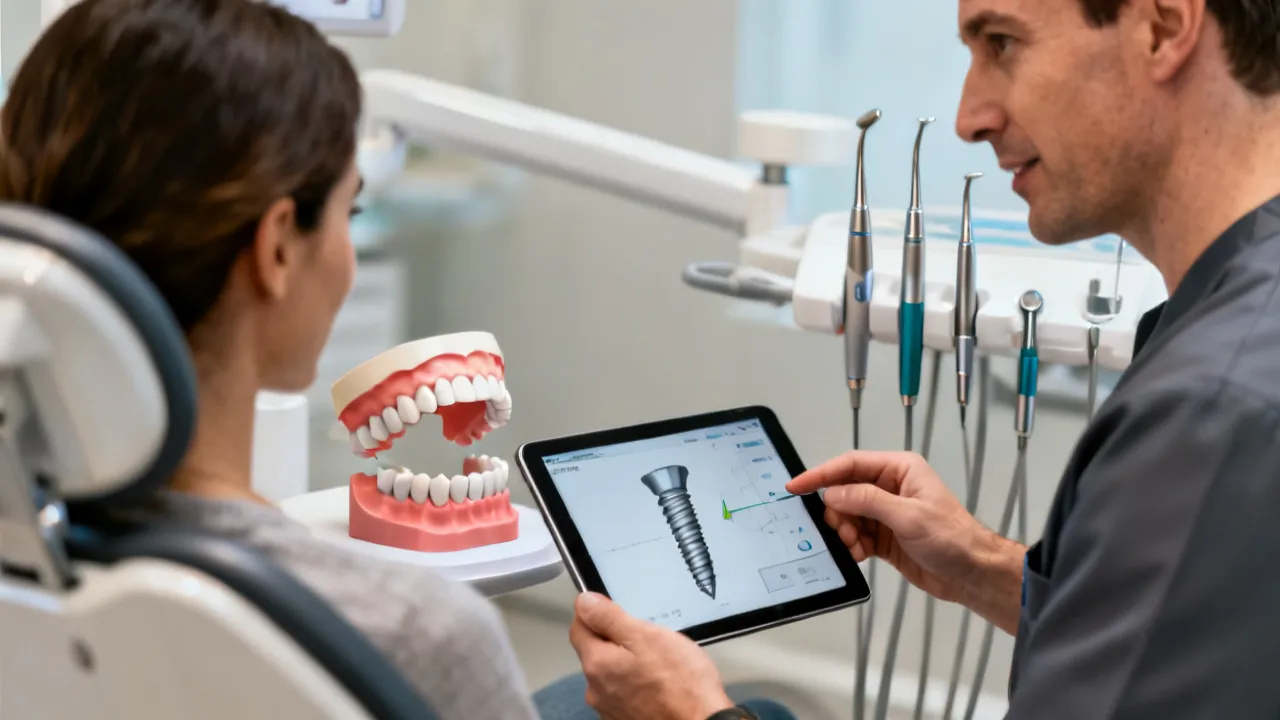
Implant treatment commonly involves assessment, possible extraction, healing, implant placement, integration with bone, and attachment of an abutment and crown. Some patients require bone grafting or soft-tissue procedures. The quoted price may therefore differ substantially from the price of the implant fixture alone.
When a tooth is considered nonrestorable, the dentist should explain the alternatives. Depending on the situation, these may include a conventional bridge, a removable partial denture, or leaving the space temporarily while planning future care. Each option has different effects on adjacent teeth, chewing, appearance, maintenance, cost, and treatment time.
Preserving a natural tooth is often preferable when it can be restored with a reasonable prognosis, but preservation is not always possible. A second opinion can be useful when extraction and implant treatment are recommended, particularly when the diagnosis is complex or the financial commitment is substantial.
How to Obtain Dental Implants at Lower Cost
Lower-cost implant care should be approached as a comparison and planning exercise, not as a search for the smallest advertised number. A low initial quote may exclude imaging, extraction, bone grafting, temporary teeth, the abutment, the crown, sedation, follow-up visits, or treatment of gum disease. Comparing the complete treatment plan is more meaningful than comparing one line item.
1. Confirm Whether an Implant Is Necessary
Ask whether the natural tooth can be restored, whether a root canal and crown are appropriate, and what the expected prognosis is. A second opinion may clarify the options. The least expensive treatment at the beginning may not be the most economical if it fails quickly, while an implant may be unnecessarily invasive when a tooth can be preserved.
2. Request a Written, Itemized Estimate
The estimate should identify the implant system, surgical fee, imaging, extraction, grafting, abutment, crown, temporary restoration, sedation, laboratory charges, review appointments, and management of complications. Ask whether taxes and medication are included. Also confirm the expected number of visits and the length of the treatment timeline.
Ask whether the estimate applies to one implant only or to the complete tooth replacement. Some advertisements use the word “implant” to describe only the titanium fixture. The visible tooth usually also requires an abutment and crown, and these may be supplied by a separate laboratory. A written estimate should make those distinctions clear.
3. Compare Qualified Providers
Review the dentist’s qualifications, registration status, implant training, infection-control procedures, and experience with cases similar to yours. A clinic that clearly explains risks, alternatives, maintenance, and follow-up is generally easier to evaluate than one that focuses only on a promotional price.
Patients can ask who will perform the surgical procedure, who will design the crown, and whether a specialist will be involved. They should also ask what happens if the implant does not integrate, the crown fractures, or infection develops around the implant. A transparent answer is more useful than a promise of guaranteed success.
4. Consider Dental Schools and Teaching Clinics
University dental hospitals and supervised teaching clinics may offer treatment at reduced institutional fees. Treatment can take longer because students or residents work under supervision, but the clinical process may include structured assessment. Availability, eligibility, and waiting times vary by institution.
Teaching clinics may not be suitable when urgent treatment is needed or when the patient requires a highly specialized procedure. Prospective patients should ask about the supervising clinician, appointment frequency, laboratory materials, and what happens after graduation or completion of the student’s clinical rotation.
5. Ask About Staged Treatment
When clinically appropriate, treatment may be divided into phases. For example, disease control and extraction may occur first, followed by healing and later implant restoration. Staging does not remove the total cost, but it can make budgeting more manageable and may reduce the risk of placing an implant in an unhealthy environment.
Staging can also provide time to improve oral hygiene, stop smoking, stabilize diabetes, treat gum disease, or arrange insurance reimbursement. However, delaying treatment should be planned with the dentist. A temporary denture or other interim replacement may be needed to protect appearance and function during healing.
6. Review Insurance and Dental Plans Carefully
Many dental insurance plans limit implant benefits, impose waiting periods, or classify some components as major restorative care. A dental plan may reduce certain fees but may not cover every part of implant treatment. Confirm exclusions, annual limits, preauthorization requirements, participating clinics, and whether replacement or maintenance is covered.
Patients should request a written pre-treatment estimate when available. Insurance terminology may distinguish between the implant body, surgical placement, abutment, crown, bone graft, and extraction. Understanding these categories can prevent unexpected bills.
7. Evaluate Dental Tourism With Caution
Traveling abroad can sometimes lower treatment fees, but the total cost includes transportation, lodging, time away from work, currency conversion, and follow-up care. Complications may require treatment after returning home. Before traveling, request records, implant brand information, a written treatment sequence, emergency arrangements, and a clear explanation of who will provide aftercare.
Dental tourism is particularly challenging when treatment requires multiple visits. Healing times cannot always be shortened safely, and a patient may need an examination before the next stage. A clinic should explain how it handles infection, implant failure, nerve symptoms, crown problems, and lost components after the patient returns home.
8. Avoid Unclear or Unlicensed Offers
Implants affect bone, nerves, gums, and the bite. A quote that does not identify the treating dentist, implant system, restoration provider, or follow-up policy should be treated cautiously. Patients should also be wary of pressure to pay immediately, guaranteed outcomes, or claims that ignore medical history and diagnostic testing.
Patients should verify that the provider is legally authorized to practice in the relevant jurisdiction. A professional registration search, consultation with the local dental regulator, or a written contract may help clarify accountability. Reviews can provide context, but they should not replace credential verification or clinical assessment.
9. Protect the Implant After Treatment
Maintenance affects long-term value. Daily plaque control, professional examinations, management of gum disease, avoidance of tobacco, and use of a professionally recommended night guard can help protect the implant and natural teeth. A lower initial cost does not represent good value if maintenance is neglected.
Implants cannot develop ordinary tooth decay, but the surrounding gum and bone can become inflamed or infected. Patients should report bleeding, swelling, bad taste, persistent tenderness, or movement. Early assessment may prevent a small maintenance issue from becoming a major complication.
Comparing Websites About Lower-Cost Dental Implants
The following websites represent different kinds of information sources: a low-cost implant information page, a general dental provider, a dental tourism service, an insurance-oriented resource, and clinics serving Spanish- or Portuguese-speaking patients. They should be used for preliminary research rather than as substitutes for an in-person diagnosis.
| Website or organization | Information focus and useful feature |
|---|---|
| Dental Views | Discusses lower-cost dental implant options, treatment types, costs, process information, and common questions. |
| Atlantic Dental Group | General dental services, possible implant care, emergency dentistry, clinical team information, and appointment access. |
| DentaVacation | Dental tourism information, international treatment comparisons, travel planning, and overseas care considerations. |
| ADHP / Rockville Dental Arts | Dental coverage and clinic-related information, including ways patients may review treatment affordability and services. |
| Rockville Dental Arts Spanish site | Spanish-language information about implants, preventive care, orthodontics, cosmetic services, and emergency dental care. |
| Union City Mini Dental Implants | Spanish-language information focused on mini dental implants and treatment for selected areas of tooth loss. |
| Cigna Spanish guide | Spanish-language educational material about dental implants, treatment stages, and insurance-related considerations. |
| Rubi Odonto | Portuguese-language clinic information covering orthodontics, whitening, implants, and patient services in Brazil. |
| Odontologia Velasco | Portuguese-language information about implants, prostheses, aesthetic dentistry, and technology used in clinical care. |
| DentalVidas | Portuguese-language dental plan information for individuals, families, and companies, including network and emergency-service details. |
Source: the websites listed below were supplied as reference sources for the comparison above.
source: www.dentalviews.com/low-cost-dental-implants/
source: www.atlanticdentalgrp.com
source: www.dentavacation.com
source: rockvilledentalarts.com/es
source: unioncityminidentalimplants.com/es
source: www.cigna.com/es-us/knowledge-center/guide-to-dental-implants
source: www.rubiodonto.com.br
source: odontologiavelasco.com.br
source: dentalvidas.com.br
How to Compare Implant Care in English-Speaking Markets
In the United States, patients may compare private practices, dental schools, community clinics, and insurance arrangements. Prices can vary by metropolitan area, laboratory costs, specialist involvement, and the complexity of bone or gum treatment. Patients should verify whether a quote covers the surgical phase and the crown phase separately.
In the United Kingdom, patients may compare private dental practices, teaching hospitals, and available dental plans. Implant treatment is frequently provided privately, although eligibility and availability can vary in public systems. Patients should ask whether consultations, scans, temporary teeth, and maintenance are included.
In Australia and Canada, regional differences can be substantial. Patients in major cities may face different laboratory and facility costs from those in regional areas. Travel for care should be assessed against the need for repeated reviews, especially during healing.
Across English-speaking markets, a useful checklist includes professional registration, implant brand, warranty terms, emergency access, crown material, laboratory location, and the policy for treating peri-implant disease.
Patients should also consider communication and continuity. If the surgeon and restorative dentist work in different offices, the patient should understand who coordinates the treatment. A lower fee may reflect a different division of services rather than a lower total cost. Written records, radiographs, treatment notes, and implant details should be available if care later moves to another provider.
How to Compare Implant Care in Spanish-Speaking Markets
Spanish-language information can improve communication about consent, medication, expected discomfort, and maintenance. In Spain, patients may compare private clinics and university-linked services. In Mexico, Colombia, Peru, Chile, and Argentina, costs can differ considerably between capital cities, regional centers, and private facilities.
Patients should request the treatment plan in Spanish when that is their preferred language. The document should describe the diagnosis, alternatives, number of implants, planned restoration, implant manufacturer, additional procedures, and follow-up schedule. A low-cost package should not be accepted without knowing whether the crown and abutment are included.
Dental tourism providers may help with scheduling and travel arrangements, but they may not be the clinical provider. Patients should distinguish between a marketing or coordination service and the dentist who will perform surgery. Independent verification of the clinic and dentist remains important.
Patients should ask how emergency communication will work after returning home. They should also obtain copies of the implant passport or component information, because different implant systems are not always interchangeable. If a later dentist cannot identify the implant brand and model, maintenance or replacement of prosthetic parts may be more difficult.
How to Compare Implant Care in Portuguese-Speaking Markets
In Brazil and Portugal, patients can compare private dental clinics, dental plans, and university services. Portuguese-language communication may be particularly helpful when discussing prosthetic choices, bone grafting, maintenance, and the difference between a mini implant and a conventional implant.
Rubi Odonto and Odontologia Velasco describe broad dental services, while DentalVidas presents dental plan information. These sources can help patients understand the range of services available, but a website description does not confirm that a particular treatment is suitable for every patient.
When reviewing a dental plan, ask about waiting periods, participating providers, annual limits, specialist referrals, implant exclusions, and whether prosthetic components are treated separately from surgery. When reviewing a clinic, ask for a written estimate and information about follow-up care.
Language access should include more than a translated advertisement. Patients should be able to understand the consent form, medication instructions, risks, alternatives, and maintenance requirements. If translation is needed, a qualified interpreter is preferable to relying on a child or an untrained family member for complex medical information.
Reference Implant Price Ranges by Market
The following figures describe reference ranges for an individual dental implant in the listed markets. They should not be interpreted as complete treatment-package prices. A complete restoration may also include consultation, diagnostic imaging, extraction, grafting, the implant fixture, abutment, crown, temporary prosthesis, medication, and follow-up visits.
| Country | Currency | Reference price range for one implant |
|---|---|---|
| United States | USD | $3,000–$6,000 |
| United Kingdom | GBP | £2,000–£2,500 |
| Australia | AUD | AU$3,500–AU$6,500 |
| Canada | CAD | CA$3,000–CA$5,500 |
| Spain | EUR | €1,500–€2,500 |
| Chile | CLP | CLP$800,000–CLP$1,500,000 |
| Mexico | MXN | $15,000–$25,000 MXN |
| Colombia | COP | $2,000,000–$4,000,000 COP |
| Peru | PEN | S/ 3,000–S/ 6,000 |
| Argentina | ARS | $80,000–$150,000 ARS |
| Brazil | BRL | R$3,000–R$8,000 |
| Portugal | EUR | €1,000–€2,000 |
| Germany | EUR | €2,000–€3,500 |
| France | EUR | €1,500–€2,500 |
| Italy | EUR | €1,500–€3,000 |
| Japan | JPY | ¥300,000–¥700,000 |
Because currencies, inflation, exchange rates, clinic fees, and treatment standards change, patients should request a current local estimate. Argentina’s stated range, for example, may be particularly sensitive to currency changes and should not be compared directly with another market without checking the date and exchange rate.
Price comparisons should also account for the number of teeth being replaced. One implant can sometimes support a single crown, while several missing teeth may be replaced with an implant-supported bridge or overdenture. A full-arch treatment is not equivalent to multiplying the price of one single-tooth implant by the number of missing teeth. The design, number of fixtures, temporary prosthesis, surgery, and laboratory work may all differ.
Conditions and Requirements Before Implant Treatment
Implant treatment is usually considered after a dentist evaluates general health, oral hygiene, gum condition, bone volume, medication use, smoking, diabetes control, and the patient’s ability to attend follow-up appointments. A patient may require periodontal treatment, caries control, extraction, bone grafting, or management of bruxism before surgery.
Important questions include:
- Is the proposed implant replacing a missing tooth or being considered instead of saving a natural tooth?
- Is three-dimensional imaging required?
- Is bone grafting included in the estimate or billed separately?
- Which implant manufacturer and model will be used?
- Who will provide the crown and other prosthetic components?
- How many visits are required?
- What happens if the implant does not integrate with bone?
- Who manages complications after treatment?
- What maintenance schedule is recommended?
Patients should provide a complete medical history. Blood-thinning medication, antiresorptive medication, immune-system conditions, radiation therapy, uncontrolled diabetes, and heavy tobacco use may affect treatment planning. These factors do not always rule out implants, but they require individualized assessment.
Bone quantity and quality are evaluated through examination and imaging. If there is insufficient bone in the planned location, the dentist may discuss grafting or a different implant position. Gum disease should be controlled before implant placement because active inflammation can increase the risk of complications. Smoking cessation may also be recommended before and after surgery.
Patients should understand the expected timeline. Some cases allow immediate placement after extraction, while others require a period of healing before implant surgery. After placement, the implant may need time to integrate with the bone before the final crown is attached. The exact schedule depends on stability, bone conditions, the type of restoration, and the dentist’s judgment.
Frequently Asked Questions
What should I do first when my temporary filling falls out?
Rinse gently, keep the area clean, avoid chewing on that side, and contact the treating dentist. Do not use household adhesive or attempt to reshape the tooth.
Is a lost temporary filling a dental emergency?
It can be urgent, particularly after root canal treatment or when pain, swelling, fever, bleeding, or fracture is present. Without those symptoms, it may not require emergency hospital care, but prompt dental review is still recommended.
Can I eat normally after the temporary filling falls out?
Choose softer foods and chew away from the affected tooth. Avoid sticky, hard, acidic, very hot, and very cold foods until the tooth is examined.
Why does the tooth hurt after the filling comes out?
The exposed dentin may respond to temperature, air, pressure, or sugar. Pain can also arise from decay, inflammation, a crack, infection, or an uneven bite. The cause cannot be confirmed without examination.
Can the dentist simply put the same filling back?
Sometimes a new temporary filling is appropriate, but the dentist must first inspect and clean the area. If the tooth is ready for definitive treatment, a permanent restoration may be more suitable.
Does a temporary filling falling out mean I need a root canal?
No. The event alone does not establish the need for root canal treatment. The diagnosis depends on symptoms, tests, imaging, decay depth, cracks, and the condition of the pulp.
Does a damaged tooth always need an implant?
No. Dentists generally consider preserving a restorable natural tooth when the prognosis is reasonable. Implants are used to replace missing teeth and are not automatically the first choice for every damaged tooth.
Are lower-cost dental implants safe?
Cost alone does not determine safety. Safe care depends on diagnosis, qualified treatment, appropriate infection control, suitable materials, informed consent, and reliable follow-up. Patients should compare the complete treatment plan rather than selecting solely by headline price.
Are mini dental implants the same as conventional implants?
They are not identical. Mini implants have a smaller diameter and may be appropriate in selected situations, but suitability depends on bone, loading demands, restoration design, and the dentist’s assessment. They should not be presented as universally interchangeable with conventional implants.
What is the most important cost question to ask?
Ask, “What is the total expected cost from diagnosis through the final restoration and follow-up?” Then request an itemized written estimate showing what is included and excluded.
How long can I wait after losing a temporary filling?
The appropriate interval depends on why the filling was placed and the condition of the tooth. Contact the clinic for a specific recommendation rather than relying on a general number of days. Pain, swelling, or recent root canal treatment warrants faster attention.
Should I keep the piece of filling that came out?
You may bring it to the appointment if it is easy to retrieve. Do not search aggressively in the mouth or attempt to place it back into the tooth.
What if the temporary filling falls out at night or during a weekend?
Use gentle rinsing and protect the tooth with soft foods until the clinic opens. Check whether the dentist provides an after-hours number. If severe swelling, difficulty breathing or swallowing, uncontrolled bleeding, or rapidly escalating pain occurs, seek emergency care rather than waiting for a routine appointment.
Can I sleep normally after the filling falls out?
Most people can sleep normally if there is no severe pain or swelling. Keep the head slightly elevated if lying flat increases throbbing, and use only pain medication that is safe for you and taken according to professional or label directions. Do not place loose cotton, tissue, or a homemade object inside the tooth overnight.
What if the tooth feels sharp after the filling is lost?
A sharp edge may be a remaining piece of filling or a fractured part of the tooth. Avoid rubbing it with the tongue and do not file it yourself. Dental wax may sometimes protect a nearby cheek from a sharp edge, but the tooth still needs professional assessment.
Practical Decision Path
The safest sequence is straightforward: identify whether the temporary filling has actually come out, check for emergency symptoms, protect the tooth, contact the treating clinic, attend an examination, and complete the recommended definitive treatment. If the tooth is not restorable and an implant is discussed, obtain a diagnosis, compare complete written estimates, confirm professional credentials, and plan maintenance before consenting.
For patients researching lower-cost dental care, language-accessible websites can make initial comparisons easier. However, online descriptions, promotional pages, and price ranges cannot replace radiographs, clinical tests, or an individualized consultation. The most reliable value comes from treatment that is appropriately indicated, transparently priced, competently delivered, and supported by follow-up.
Before leaving a consultation, patients should know what happens next, how soon the next visit should occur, what symptoms require urgent contact, and what the expected total cost may be. It is reasonable to ask for time to review an estimate, discuss alternatives with family, or obtain a second opinion, unless there is an immediate infection or other urgent condition requiring prompt intervention.
Disclaimer
1. The information above comes from online resources, and the data is as of October 2023.
2. Dental implant prices are for reference only and may vary by region, clinic, and doctor. Costs may also change according to diagnostic imaging, extraction, bone grafting, implant components, laboratory fees, sedation, taxes, maintenance, and complications.
3. This information is educational and does not diagnose dental disease or replace advice from a licensed dentist. A dentist should evaluate any tooth with a lost temporary filling, especially when symptoms are severe, persistent, or associated with swelling.