What To Do When a Temporary Filling Falls Out
This guide explains what to do when a temporary filling falls out, how urgently to contact a dentist, and which warning signs require same-day care. Temporary fillings are used to protect teeth between procedures, but they are not designed to last indefinitely. The article also reviews practical ways to manage dental costs, compares implant information websites, and provides reference price ranges by country and currency.
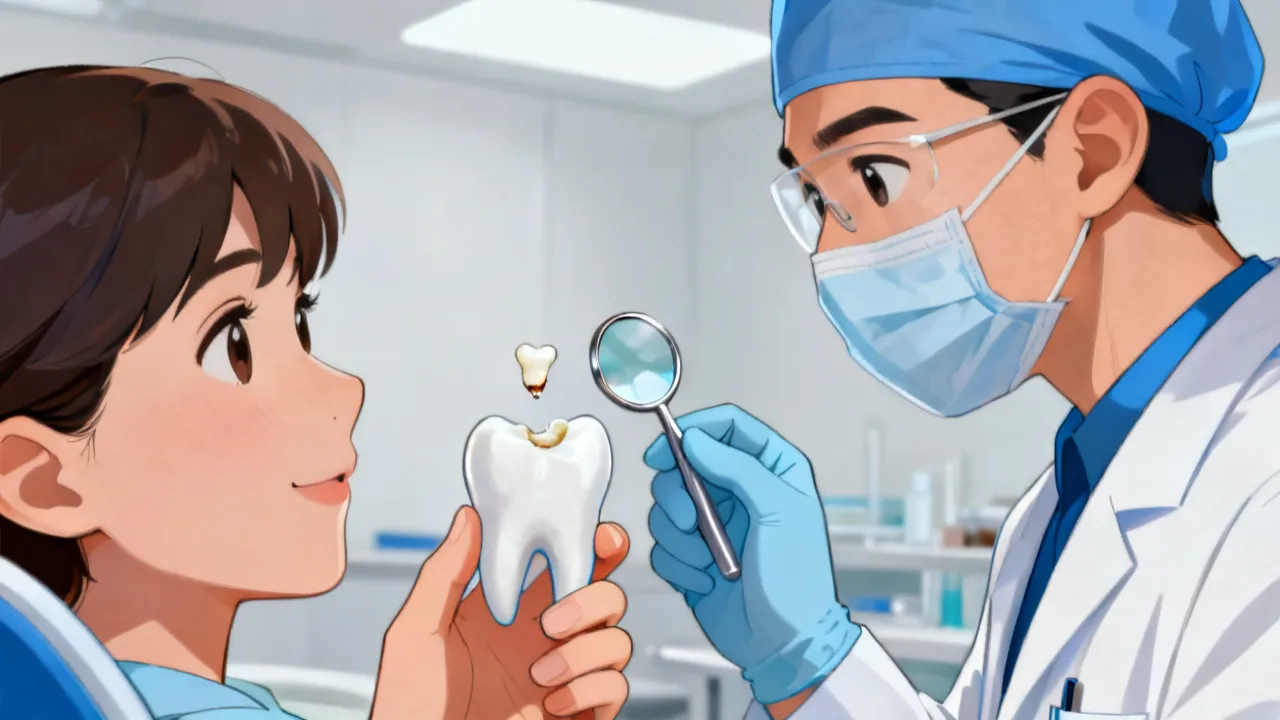
Immediate Answer: What to Do When a Temporary Filling Falls Out
When a temporary filling falls out, rinse your mouth gently with lukewarm water, keep the area as clean as possible, avoid chewing on that side, and contact a dental clinic as soon as reasonably possible. Do not attempt to press household materials, medication, wax, tissue, cotton, chewing gum, or unapproved adhesives into the cavity. A dentist must determine whether the tooth needs a replacement temporary filling, a permanent restoration, root-canal treatment, a crown, treatment for infection, or another procedure.
The Korean phrase 임시 충전재 떨어짐 means that a temporary filling has fallen out. This situation is fairly common because temporary filling materials are intended for short-term use. They may be placed after decay has been removed, during root-canal treatment, while a crown or other laboratory restoration is being made, after an emergency visit, or as a protective dressing following another dental procedure.
A temporary filling is not simply a smaller version of a permanent filling. Dentists choose temporary materials because they can often be placed quickly, removed more easily at a later appointment, or used while the tooth’s condition is being monitored. Depending on the material and the treatment stage, the filling may be expected to last days, weeks, or several months. Its loss should therefore be assessed in the context of the original treatment plan.
The correct response depends on several factors:
- Whether the tooth is painful, throbbing, or sensitive to hot, cold, sweet, or biting pressure.
- Whether the temporary filling was placed during root-canal treatment.
- Whether the tooth was prepared for a crown or another permanent restoration.
- Whether there is a sharp edge, visible fracture, swelling, bleeding, pus, or drainage.
- How much tooth structure remains.
- Whether food is becoming trapped in the opening.
- Whether the patient has a scheduled follow-up appointment.
- Whether the patient has medical conditions or medications that could affect healing or infection risk.
In many cases, a missing temporary filling is not immediately life-threatening. However, delaying care can allow food, bacteria, and saliva to enter the exposed area. The risk may be greater in a tooth undergoing root-canal treatment because the temporary filling helps seal the access opening between visits. A tooth weakened by extensive decay, a large restoration, or root-canal access may also fracture if it is exposed to normal chewing forces.
When to Seek Urgent Dental Care
Arrange prompt dental care if the filling has fallen out, particularly if the tooth was treated recently. Same-day or emergency dental assessment is more important when any of the following symptoms occur:
- Severe, persistent, or increasing toothache.
- Pain that prevents sleeping or normal eating.
- Facial, jaw, or gum swelling.
- Fever, chills, or a general feeling of illness.
- Pus, a bad taste, or drainage near the tooth.
- Difficulty swallowing, speaking, or breathing.
- Uncontrolled bleeding.
- A broken tooth or sharp fragment that cuts the cheek, gum, or tongue.
- Inability to open the mouth normally.
- Numbness, weakness, or swelling that is spreading quickly.
- Recent trauma involving the tooth or jaw.
Difficulty breathing or swallowing, rapidly spreading facial swelling, severe weakness, or swelling around the eye requires emergency medical attention rather than waiting for a routine dental appointment. These symptoms can indicate an infection or swelling that may affect the airway or surrounding tissues.
If there is no pain and the filling fell out shortly before a planned follow-up, the dentist may advise the patient to attend the scheduled visit or arrange an earlier review. The decision should come from the treating clinician because the temporary restoration may have been placed for a specific clinical reason. A patient should mention whether the entire filling came out, whether only a thin layer is missing, and whether a hard piece of tooth came out with it.
Why Temporary Fillings Fall Out
Temporary fillings are not equivalent to permanent fillings or crowns. They are selected because they can often be placed quickly, adjusted easily, or removed during a later stage of treatment. Their expected service time varies according to the material, the size and location of the cavity, the bite, moisture control, and the planned treatment.
Normal wear
Back teeth receive substantial chewing pressure. A temporary material may gradually wear down, crumble, or fracture, especially when the restoration is large or the tooth has already lost significant structure. A temporary filling may appear intact at first and then suddenly detach after its edges have weakened.
Sticky or hard foods
Chewing gum, toffee, caramel, gummy sweets, ice, hard candy, nuts, popcorn kernels, and very firm foods can pull against or fracture a temporary restoration. This does not necessarily mean the patient did anything wrong; temporary materials have limited mechanical strength. Some restorations are especially vulnerable when they cover a large opening or are located on a chewing surface.
Moisture or difficult bonding conditions
Some temporary materials do not bond to the tooth in the same way as modern permanent restorative materials. Saliva contamination, bleeding, deep moisture, or a difficult-to-isolate area can influence retention. Teeth at the back of the mouth may be harder to keep dry, particularly when the patient has a strong gag reflex or the procedure is performed under challenging conditions.
Changes in the tooth during treatment
After decay is removed or the tooth is opened for root-canal treatment, the remaining tooth may be structurally weaker. A temporary filling can cover the opening but cannot restore all of the tooth’s original strength. If a cusp or wall breaks, the patient may mistake the lost tooth fragment for the temporary filling.
Bite imbalance
If the temporary filling is slightly high, it may receive excessive pressure each time the patient closes the mouth. This can cause tenderness when biting and may loosen or fracture the restoration. A dentist can check the bite and make a minor adjustment. Patients should not try to file the filling down at home because they may remove too much material or damage the tooth.
Clenching or grinding
Night-time clenching, teeth grinding, and heavy daytime biting can place forces on a temporary restoration that exceed its design. People who wake with jaw soreness, headaches, or flattened teeth may be applying particularly high pressure. The dentist may recommend a protective appliance after the tooth has received an appropriate restoration.
Progression of the underlying problem
Persistent inflammation, recurrent decay, a crack, or an infection can compromise both the tooth and the restoration. A missing filling is therefore a symptom that deserves assessment rather than a problem to be permanently managed at home. If the tooth has become painful after initially improving, the dentist may need to investigate the pulp, root, surrounding bone, or gum.
What to Do Before the Appointment
- Remove loose fragments carefully. If a piece is freely mobile, take it out so it is not swallowed or inhaled. Do not pull on anything that appears attached to the tooth, gum, or a crown. If the piece is sharp, keep it in a clean container and bring it to the appointment if possible.
- Rinse gently. Use lukewarm water to remove loose food debris. Vigorous rinsing, repeated spitting, or very hot water may irritate sensitive tissue.
- Brush carefully. Continue oral hygiene, but use a soft toothbrush and avoid forcefully brushing inside the exposed cavity. Cleaning the neighboring teeth is important because plaque can collect around the opening.
- Protect the tooth from chewing pressure. Choose softer foods and chew on the opposite side until the dentist provides instructions. Do not use the tooth to bite fingernails, packaging, ice, pens, or other hard objects.
- Avoid temperature triggers. Very hot, cold, sweet, or acidic foods may cause discomfort if dentin or the pulp is exposed. Room-temperature foods may be easier to tolerate.
- Record useful information. Note when the filling fell out, whether pain began, whether swelling appeared, and whether the tooth was being treated with a root canal or prepared for a crown.
- Contact the clinic. Explain that the temporary filling has fallen out and ask whether the appointment should be moved forward. Tell the receptionist if the tooth is painful, swollen, broken, or undergoing root-canal treatment.
- Follow specific instructions. If the treating dentist gave written instructions after the original procedure, review them. Those instructions may be more specific than general advice because they reflect the material used and the condition of the tooth.
Over-the-counter pain medicine may be appropriate for some adults when used according to the product label and personal medical advice. People with pregnancy, allergies, stomach ulcers, kidney disease, liver disease, asthma affected by pain medicines, anticoagulant use, or other medical conditions should ask a pharmacist or clinician before taking medication. Children should receive only medicines and doses suitable for their age and weight. Pain medicine may reduce discomfort, but it does not repair the tooth or treat an infection.
A cold compress placed on the outside of the cheek may provide temporary comfort if there is mild swelling after an injury. Do not place ice directly against the gum or tooth. Heat should generally be avoided over a swollen area because it may increase discomfort.
What Not to Do
- Do not use superglue, nail glue, craft adhesive, or household cement.
- Do not insert aspirin directly against the gum or tooth, because it can chemically irritate or burn soft tissue.
- Do not place cotton, tissue, chewing gum, or food into the cavity as a long-term solution.
- Do not file, drill, scrape, or cut the tooth.
- Do not attempt to cement a fragment back into place without professional advice.
- Do not ignore swelling, fever, drainage, or worsening pain.
- Do not assume that the absence of pain means the tooth is healthy.
- Do not delay a planned crown or root-canal appointment indefinitely after the temporary filling has been replaced.
Some pharmacies sell temporary dental repair products. These products may provide short-term protection in limited circumstances, but they are not substitutes for professional examination. They can be difficult to place accurately, may interfere with the dentist’s view of the tooth, and may trap debris or bacteria if used incorrectly. Patients should ask a dental professional or pharmacist whether a particular product is suitable, how long it may be used, and how it should be removed before treatment.
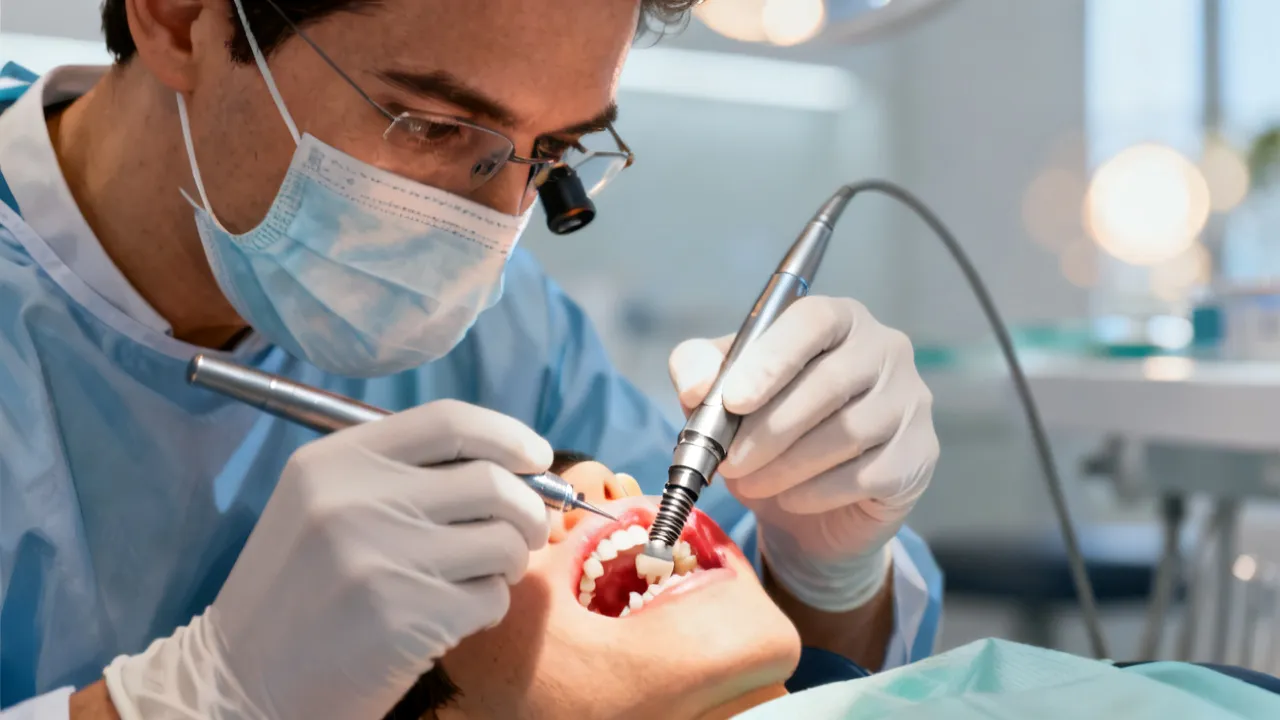
What the Dentist May Do
The dentist will usually examine the tooth, review the treatment history, assess the bite, and decide whether imaging is needed. The clinician may ask about pain, sensitivity, food trapping, chewing habits, previous restorations, and the time elapsed since the filling was placed. The next step may include:
| Clinical finding | Possible management |
|---|---|
| Small opening with no major symptoms | Cleaning and replacement of the temporary filling, followed by the planned permanent restoration. |
| Tooth being treated with a root canal | Assessment for contamination or symptoms, followed by resealing and continuation of treatment when appropriate. |
| Large loss of tooth structure | Discussion of a permanent filling, inlay, onlay, or crown to improve protection. |
| New decay, crack, or pulp inflammation | Additional diagnostic testing and treatment tailored to the cause. |
| Swelling or suspected infection | Urgent assessment and treatment of the source; medication may be considered when clinically indicated. |
| High bite or excessive contact | Adjustment of the restoration or bite, followed by monitoring and definitive treatment. |
| Tooth that cannot be predictably restored | Discussion of extraction and possible replacement options, including a bridge, denture, or implant. |
Antibiotics are not a universal treatment for a lost filling. Dental infection is generally managed by treating the source, such as drainage, root-canal treatment, removal of infected tissue, or extraction of a non-restorable tooth. A dentist or physician should decide whether medication is indicated. Taking leftover antibiotics can mask symptoms, cause side effects, and contribute to resistance without correcting the dental problem.
Temporary Filling After Root-Canal Treatment
A temporary filling is particularly important after a tooth has been opened for root-canal treatment. The material helps prevent saliva and bacteria from entering the cleaned canal system before the final restoration is placed. If it falls out between appointments, the patient should contact the treating clinic and explain that the access seal is missing.
Patients should not postpone the final restoration longer than advised. A root-filled tooth can be more vulnerable to fracture because of the amount of tooth structure lost, although the exact risk depends on the tooth, its anatomy, the remaining walls, and the forces placed on it. A crown or another cuspal-protective restoration may be recommended for some posterior teeth, while other teeth may require a different approach.
From an industry perspective, the most important distinction is between temporary sealing and definitive tooth rehabilitation. Replacing a lost temporary filling may solve an immediate sealing problem, but it does not automatically complete the treatment plan. The dentist may also need to confirm that the canals remain suitable for filling and that there are no signs of reinfection or fracture.
Patients should report new swelling, a bad taste, increasing tenderness, or the return of symptoms that existed before the root-canal procedure. Even if symptoms are mild, the treating clinic should know about them before the next appointment. A replacement seal may be needed quickly, particularly if there is a long interval before the scheduled visit.
Temporary Filling Under or Near a Crown
When a tooth is prepared for a crown, a temporary crown or temporary filling protects the shaped tooth while the final restoration is being made. If the temporary restoration comes off, the prepared tooth may become sensitive and the surrounding teeth may begin to shift slightly if the situation continues for too long. The patient should contact the dentist who prepared the tooth and ask whether the temporary restoration can be re-cemented or replaced.
A patient should not use household glue to reattach a temporary crown. The material may damage the tooth, irritate the gum, make the final cementation difficult, or prevent the dentist from properly evaluating the fit. If the temporary crown is intact, keep it in a clean container and bring it to the appointment. Avoid chewing hard or sticky foods with the prepared tooth until the dentist gives instructions.
Can a Lost Temporary Filling Be Prevented?
Patients can reduce the chance of early loss by following the clinic’s instructions:
- Wait for the period recommended by the dentist before eating if the material requires setting time.
- Avoid sticky foods and hard objects.
- Use the opposite side for chewing when possible.
- Floss by sliding the thread out through the side rather than snapping it upward against the filling.
- Attend the planned permanent restoration appointment.
- Return to the dentist if the bite feels high or uncomfortable.
- Maintain regular brushing and interdental cleaning.
- Use any prescribed protective appliance as directed.
- Tell the dentist if clenching or grinding is suspected.
Flossing is still important. Leaving plaque around a temporary filling can increase the risk of decay and gum inflammation. The technique should be gentle and adapted to the restoration’s shape. If ordinary floss repeatedly catches or pulls on the temporary material, an interdental brush, floss threader, or another cleaning aid may be more appropriate, but the patient should ask the dental team for guidance.
Managing Dental Costs Without Compromising Safety
A lost temporary filling can lead to an unexpected expense, especially if the patient is between planned procedures. Cost-conscious care should focus on timely diagnosis, transparent treatment planning, and comparison of qualified providers—not simply choosing the lowest advertised price.
Useful questions for a clinic include:
- Is the consultation included in the quoted amount?
- Does the price cover imaging, local anesthesia, temporary restorations, and follow-up visits?
- Will a crown, abutment, bone graft, or laboratory fee be charged separately?
- What happens if the temporary filling fails again?
- Which clinician will perform each stage?
- What materials and implant systems are being proposed?
- How are complications handled?
- Is the clinic licensed and regulated by the relevant local authority?
- Will the patient receive copies of radiographs and treatment records?
Patients should request a written, itemized estimate. A low initial figure may cover only the implant fixture and exclude the abutment, crown, diagnostic scans, extraction, bone grafting, sedation, or maintenance. Comparing like with like is essential. The total cost should also account for emergency visits, transportation, time away from work, and possible replacement of the prosthetic crown in the future.
Low-Cost Dental Implants: A Safe Step-by-Step Approach
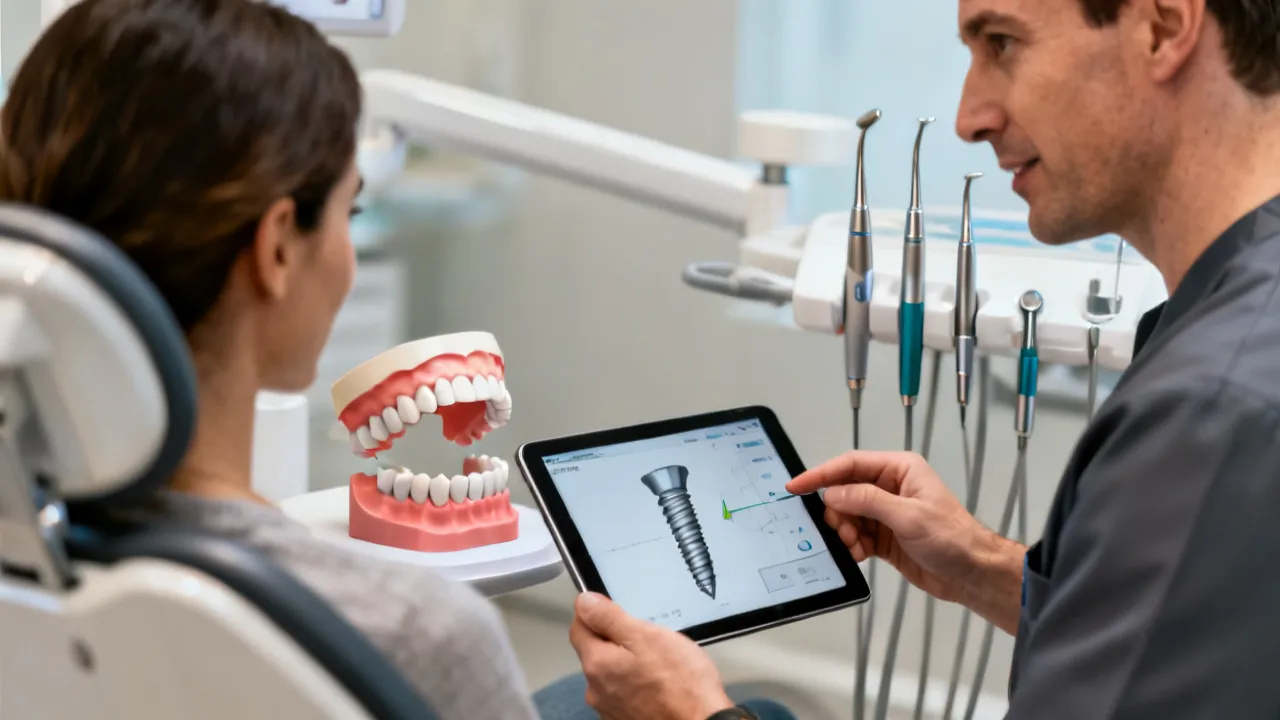
Dental implants replace the root portion of a missing tooth and support a crown, bridge, or denture. They are not a direct treatment for a temporary filling that has fallen out. The natural tooth should be evaluated first. Extracting a tooth that might be restorable solely because an implant appears less expensive can create unnecessary long-term treatment.
Step 1: Establish whether the tooth can be saved
Ask for a diagnosis based on clinical examination and appropriate imaging. The options may include a permanent filling, inlay, onlay, crown, root-canal treatment, periodontal treatment, or extraction followed by replacement. The cheapest safe option is usually the one that addresses the actual disease while preserving sound tooth structure where feasible. A second opinion may be reasonable when extraction has been recommended, the diagnosis is unclear, or the treatment cost is substantial.
Step 2: Obtain a complete treatment plan
For an implant, the plan should identify the extraction status, healing period, bone volume, gum condition, implant position, provisional restoration, final crown, and maintenance schedule. Three-dimensional imaging may be recommended in selected cases, but its necessity should be explained rather than assumed. The plan should also discuss alternative treatments and the consequences of choosing no treatment.
Step 3: Compare regulated clinics
Check the dentist’s qualifications, professional registration, infection-control procedures, implant experience, emergency arrangements, and review process. Independent patient reviews can provide context, but they do not replace verification of credentials. Patients should be cautious about websites that promise guaranteed results, immediate implants for everyone, or unusually low prices without describing the clinical examination.
Step 4: Compare the complete package
Ask whether the advertised amount includes the implant fixture, surgery, abutment, crown, scans, temporary tooth, bone grafting, anesthesia, medications, and follow-up appointments. A clinic that provides a higher initial estimate may be more economical if it includes necessary stages that another quotation omits. Clarify whether the crown is made in-house or by an external laboratory and whether the material is appropriate for the tooth’s location.
Step 5: Consider dental schools and teaching clinics
University dental hospitals and supervised teaching clinics may offer lower treatment fees in some regions. Treatment can take longer because students work under qualified supervision and cases are selected according to educational requirements. Availability, eligibility, and the range of implant services vary. Patients should ask who will make the final clinical decisions and how urgent problems are handled outside teaching hours.
Step 6: Review insurance and dental plans
Dental insurance may cover some diagnostic, restorative, or surgical services, but implant coverage is often limited, subject to waiting periods, annual maximums, exclusions, or preauthorization. A dental plan may provide negotiated fees rather than insurance reimbursement. Read the contract carefully. Ask whether the policy covers complications or repairs when the implant was placed by another provider.
Step 7: Ask about staged treatment
When clinically appropriate, treatment may be divided into stages. For example, disease control and extraction may occur first, followed by healing and implant placement. Staging can help with budgeting, but delaying necessary treatment can also increase complexity. The dentist should explain the clinical consequences of waiting, including changes in bone, tooth position, gum health, and chewing function.
Step 8: Be cautious with overseas treatment
Dental tourism may appear less expensive because of differences in labor, laboratory, and facility costs. However, travel, accommodation, repeat visits, time away from work, language barriers, aftercare, and management of complications must be included in the calculation. A local dentist may be reluctant or unable to revise an unfamiliar implant system. The patient should obtain complete records and confirm that replacement components are available locally.
Step 9: Confirm follow-up care before paying
Ask who will handle loosening, infection, crown fracture, or implant failure after treatment. Obtain copies of the implant brand, model, lot information, radiographs, operative notes, and restoration details. These records are important if future care takes place elsewhere. The clinic’s written policy should explain the limits of any warranty and whether travel is required for warranty treatment.
Step 10: Protect the result
Implants require daily cleaning and professional maintenance. Smoking, uncontrolled diabetes, untreated gum disease, poor plaque control, and heavy biting forces may affect outcomes. The dentist should address these factors before surgery rather than treating them as an afterthought. A low-cost implant without an affordable maintenance plan may not represent good long-term value.
Conditions and Requirements for Implant Treatment
There is no single checklist that guarantees implant suitability. The dentist generally considers:
- Overall medical history and medications.
- Active tooth decay or gum disease.
- Bone height and width at the proposed site.
- Sinus or nerve anatomy.
- Smoking or nicotine use.
- Diabetes control and healing capacity.
- History of radiation therapy or immune-related conditions.
- Oral hygiene and ability to attend maintenance visits.
- Available space between neighboring teeth.
- Expectations regarding appearance, chewing, speech, and treatment time.
Bone grafting may be recommended when there is insufficient bone for stable implant placement. It can increase cost and extend treatment time. Immediate implant placement is possible in selected cases but is not suitable for every extraction site. A lower price should never be achieved by omitting essential diagnosis, sterile surgical procedures, appropriate imaging, or informed consent.
Gum disease deserves particular attention. Active periodontal inflammation can affect the tissues around a natural tooth and may also increase the risk of inflammation around an implant. Before implant surgery, the dental team may recommend professional cleaning, improved home care, smoking cessation, or treatment of periodontal pockets. Implant planning should therefore consider the entire mouth rather than only the missing tooth.
Comparison of Dental Websites and Their Information
The following websites provide information related to dental implants, dental clinics, dental insurance, dental tourism, or general dental services. They should be used as starting points for questions, not as substitutes for an examination. The comparison focuses on the type of information a reader may find and the practical purpose of each site.
| Website or organization | Main information and useful features |
|---|---|
| Dental Views | Discusses low-cost dental implants, treatment types, benefits, costs, common questions, and implant planning considerations. |
| Atlantic Dental Group | Provides information about general dentistry, orthodontics, implants, emergency dental care, appointments, locations, and clinical services. |
| DentaVacation | Explains dental tourism options, international treatment destinations, cost comparisons, and travel-related arrangements. |
| ADHP and Rockville Dental Arts | Offers information related to dental plans and clinical services, including implants, cosmetic dentistry, cleaning, orthodontics, and emergency care. |
| Union City Mini Dental Implants | Focuses on mini dental implants and explains services designed for selected areas of tooth loss. |
| Cigna | Provides a Spanish-language educational guide to dental implants, including general treatment concepts and considerations. |
| Rubi Odonto | Presents dental services in Santo André, São Paulo, including orthodontics, whitening, and implants, with information about the clinic team and patient experience. |
| Odontologia Velasco | Describes dental services in São Paulo, including implants, prostheses, aesthetic dentistry, and the use of contemporary technology. |
| DentalVidas | Provides information about dental plans for individuals, families, and companies, together with a network of dental providers and emergency-oriented services. |
Readers should check when online information was published or updated. Prices, insurance rules, clinic ownership, professional staff, and treatment availability may change. A page describing a general procedure does not establish that the procedure is suitable for a specific patient. The dentist’s examination, diagnosis, and consent discussion remain decisive.
Low-Cost Implant Options in English-Speaking Countries
In the United States, the United Kingdom, Australia, and Canada, patients may compare private practices, university dental hospitals, community clinics, dental insurance, and negotiated dental plans. Local regulation, professional registration, and treatment standards differ by jurisdiction.
- United States: Compare itemized estimates from licensed dentists, investigate university clinics, and check whether insurance contributes to the crown, extraction, graft, or implant-supported restoration. Regional variation can be substantial, particularly in major metropolitan areas. Patients should verify the dentist’s state license and ask about emergency follow-up.
- United Kingdom: Ask whether NHS eligibility applies to the needed treatment, although implant treatment is usually subject to specific clinical criteria and may not be routinely available. Private quotations should clearly separate surgery, laboratory charges, and follow-up. Confirm whether consultations with a restorative dentist or specialist are included.
- Australia: Compare private clinic fees with university dental clinics and review extras coverage under private health insurance. Travel between states or regional areas should be considered when multiple appointments are required. Ask whether the quoted fee includes the prosthetic component and maintenance visits.
- Canada: Ask about dental benefit eligibility, provincial programs, university clinics, and the total cost of imaging, surgery, prosthetics, and maintenance. The appropriate provincial dental regulatory college can help patients verify registration. Patients should also ask whether fees are affected by specialist referral.
In all four settings, a low-cost pathway should still include a proper diagnosis, sterile surgical procedures, appropriate imaging, a documented implant system, informed consent, and a plan for complications. The term “affordable” should describe a transparent and realistic pathway, not the removal of clinically necessary steps.
Low-Cost Implant Options in Spanish-Speaking Countries
Patients in Spain, Chile, Mexico, Colombia, Peru, and Argentina may compare private dental clinics, dental faculties, insurance products, and payment plans. Spanish-language educational resources can help patients prepare questions, but the treatment recommendation must be individualized.
- Spain: Compare clinics in and outside major urban areas, ask about laboratory and crown charges, and verify the dentist’s registration with the relevant professional body. Public coverage for implants is limited and depends on clinical circumstances.
- Chile: Request a quotation in Chilean pesos and confirm whether extraction, cone-beam imaging, bone grafting, and the final crown are separate. University clinics may have different eligibility rules and longer waiting periods.
- Mexico: Patients should distinguish between a promotional price for the implant fixture and the total restoration. When considering treatment near the border or in another region, include follow-up travel and emergency arrangements.
- Colombia: Compare clinics using written treatment plans and verify professional credentials. Ask whether the quoted amount includes the abutment and crown, because these may be listed separately.
- Peru: Teaching clinics and staged treatment may help with budgeting where available. Patients should ask how maintenance and laboratory repairs are handled after the initial procedure.
- Argentina: Because prices and currency conditions can change, confirm the quotation date, payment terms, materials, and whether the estimate is denominated in Argentine pesos or another currency.
Patients should also ask about language access, written consent, and the availability of records in a language they understand. A clear treatment plan should describe alternatives, risks, expected healing, and the estimated number of appointments. Promotional language should not replace these clinical details.
Low-Cost Implant Options in Portuguese-Speaking Countries
Brazil and Portugal have dental clinics, university services, private insurance products, and payment plans that may help patients compare treatment costs. In Brazil, providers such as Rubi Odonto, Odontologia Velasco, and DentalVidas present different types of dental information: clinic services, prosthetic care, aesthetic dentistry, implants, or dental plans.
- Brazil: Compare the complete surgical and prosthetic package, verify the professional’s registration with the appropriate regional dental council, and ask whether the treatment includes scans, temporary teeth, the final crown, and maintenance. Large cities such as São Paulo may offer many options but also significant price variation.
- Portugal: Ask for a written estimate in euros and verify whether the provider is properly registered. Compare private clinics with dental schools where suitable, and clarify whether implant surgery, the abutment, and prosthetic crown are separate stages.
Portuguese-speaking patients should also consider communication and record transfer when treatment is performed in another country. Implant records should be retained in writing, including the manufacturer and model. If the patient later moves between countries, access to compatible components and clinicians familiar with the implant system may affect future maintenance costs.
Reference Price Ranges for One Dental Implant
The following figures are reference ranges for an individual dental implant in the listed countries. They are not a universal quotation and may not represent the full cost of a completed implant-supported tooth. Depending on the provider, the price may exclude consultation, imaging, extraction, bone grafting, temporary restoration, abutment, final crown, sedation, or maintenance.
| Country | Currency | Reference price range for one dental implant |
|---|---|---|
| United States (US) | USD | $3,000–$6,000 |
| United Kingdom (GB) | GBP | £2,000–£2,500 |
| Australia (AU) | AUD | AU$3,500–AU$6,500 |
| Canada (CA) | CAD | CA$3,000–CA$5,500 |
| Spain (ES) | EUR | €1,500–€2,500 |
| Chile (CL) | CLP | CLP$800,000–CLP$1,500,000 |
| Mexico (MX) | MXN | $15,000–$25,000 MXN |
| Colombia (CO) | COP | $2,000,000–$4,000,000 COP |
| Peru (PE) | PEN | S/ 3,000–S/ 6,000 |
| Argentina (AR) | ARS | $80,000–$150,000 ARS |
| Brazil (BR) | BRL | R$3,000–R$8,000 |
| Portugal (PT) | EUR | €1,000–€2,000 |
| Germany (DE) | EUR | €2,000–€3,500 |
| France (FR) | EUR | €1,500–€2,500 |
| Italy (IT) | EUR | €1,500–€3,000 |
| Japan (JP) | JPY | ¥300,000–¥700,000 |
A quotation should specify whether “one implant” means only the implant fixture or the entire replacement tooth. These terms are sometimes used differently by clinics and websites. The patient should ask for a breakdown covering diagnosis, surgery, abutment, crown, temporary restoration, and follow-up. Currency fluctuations can also make older online figures unreliable, especially in countries with rapidly changing exchange rates.
How to Compare Implant Quotations
| Quotation item | Question to ask |
|---|---|
| Diagnosis | Are the clinical examination and required radiographs included? |
| Surgery | Does the fee include local anesthesia, sterile supplies, and surgical follow-up? |
| Implant fixture | Which manufacturer and model will be used, and will the records be provided? |
| Abutment | Is the connector included or billed separately? |
| Crown | What material will be used, and is the laboratory charge included? |
| Additional procedures | Could extraction, bone grafting, sinus elevation, or gum treatment add to the estimate? |
| Aftercare | How many reviews are included, and who manages complications? |
| Maintenance | What professional cleaning and imaging schedule is recommended? |
| Temporary tooth | Will the patient have a temporary replacement during healing, and is it included? |
| Guarantee or warranty | What does it cover, for how long, and what exclusions apply? |
Patients should be cautious when a quotation omits the restoration or uses vague language such as “implant package.” A transparent provider will explain the sequence, expected timing, materials, risks, alternatives, and total estimated cost. Patients should also ask whether the quotation changes if the dentist discovers insufficient bone, an unexpected infection, or a fracture during treatment.
Dental Tourism: Potential Benefits and Practical Risks
International treatment can offer access to different fee structures and may be appropriate for some patients who carefully plan continuity of care. It is not automatically safer or less expensive. A dental implant usually involves diagnosis, possible extraction, surgery, healing, prosthetic impressions or scans, fitting of the final crown, and maintenance. These stages may require several visits.
Before traveling, ask:
- Who performed the clinical assessment and reviewed the imaging?
- How long should the patient remain in the area?
- What happens if healing is delayed?
- Does the clinic provide emergency contact information?
- Can a local dentist access the implant system and components?
- Are translation services and written records available?
- What travel insurance exclusions apply to planned dental treatment?
- What is the total cost after flights, accommodation, transport, and missed work?
- Will the clinic provide a contact person outside normal business hours?
Patients should avoid compressing the healing period merely to reduce travel expenses. Biology cannot always be accelerated safely. If treatment involves bone grafting, complex extractions, or multiple implants, the schedule may be longer than a promotional itinerary suggests. A patient who develops pain or swelling after returning home may have to pay a local dentist for emergency care while also communicating with the overseas clinic.
Before committing, obtain copies of all diagnostic images, consent documents, invoices, implant labels, and laboratory records. These documents can help a future dentist identify the implant and understand what treatment has already been completed. Patients should never feel pressured to make a same-day decision about an irreversible procedure simply because travel has been arranged.
Insurance, Dental Plans, and Payment Arrangements
Insurance terms vary widely. Some policies cover a portion of diagnostic care or the restoration but exclude the implant body. Others impose waiting periods, missing-tooth clauses, annual limits, or pre-existing-condition exclusions. Dental plans may reduce participating-provider fees without functioning as conventional insurance.
Before enrolling or authorizing treatment, request written answers about:
- Eligibility for the specific tooth and procedure.
- Annual and lifetime maximums.
- Waiting periods.
- Coverage for extraction, grafting, implant surgery, abutment, and crown.
- Out-of-network reimbursement.
- Preauthorization requirements.
- Coverage for repairs and complications.
- Whether the policy requires treatment from a particular network.
Payment plans should also be reviewed carefully. The patient should understand interest, cancellation terms, deposits, refund policies, and what happens if treatment changes after imaging. Financial arrangements should never pressure a patient into extraction or surgery without an adequate diagnosis. Patients who are struggling with the cost of an urgent lost filling should ask whether the clinic offers a limited emergency visit, staged treatment, or a payment arrangement that does not compromise necessary care.
Expert Perspective: Balancing Price, Prognosis, and Continuity
From a clinical planning perspective, the best-value treatment is not necessarily the lowest initial fee. It is the option that provides a reasonable prognosis, appropriate diagnosis, reliable materials, qualified care, and accessible follow-up. A restoration that fails early may cost more than a carefully planned treatment with a higher starting estimate.
For a tooth with a lost temporary filling, the first priority is to determine whether the natural tooth can be retained. For a missing tooth, the comparison may include an implant, fixed bridge, removable partial denture, or no replacement in selected circumstances. Each option has different biological, financial, and maintenance implications. A bridge may involve neighboring teeth; a denture may require adjustment and periodic replacement; an implant requires surgery and long-term hygiene.
Implant treatment should be considered a long-term healthcare commitment rather than a single purchase. The crown may need repair or replacement even when the implant remains stable. Gum inflammation around implants can also develop when plaque control and professional maintenance are inadequate. Patients should receive instructions for brushing, interdental cleaning, and recall appointments before treatment begins.
Frequently Asked Questions
Is a lost temporary filling a dental emergency?
It can require urgent dental attention, but not every case requires hospital emergency care. Severe pain, swelling, fever, breathing or swallowing difficulty, uncontrolled bleeding, or a significant fracture raises the urgency. Without those signs, contact a dentist promptly and follow the clinic’s advice.
Can I eat after a temporary filling falls out?
Yes, but choose softer foods, chew on the opposite side, and avoid sticky, hard, very hot, or very cold items if they cause sensitivity. Do not use the exposed tooth to test food temperature.
Can I put chewing gum into the cavity?
Chewing gum is not a reliable dental restoration and may worsen contamination or be difficult to remove. Use gentle rinsing and seek professional care instead.
Should I brush the exposed tooth?
Continue brushing gently to reduce plaque. Avoid aggressive scrubbing inside the opening, and ask the dentist whether a particular mouthwash or cleaning method is appropriate.
What if the temporary filling falls out after root-canal treatment?
Contact the treating clinic promptly. The opening may need to be resealed, and the dentist may check for contamination, pain, swelling, or fracture before continuing treatment.
Can a pharmacist replace the filling?
A pharmacist may advise on short-term products or pain relief, but replacement of a dental restoration requires a dentist. A temporary repair product should not be regarded as definitive treatment.
How long can I wait?
There is no universal safe waiting period. The appropriate timing depends on the tooth and the reason the temporary filling was placed. A tooth undergoing root-canal treatment or showing symptoms generally deserves particularly prompt review.
Does a temporary filling falling out mean the dentist made a mistake?
Not necessarily. Temporary materials have different properties from permanent restorations and may be expected to last only until the next treatment stage. The dentist should nevertheless evaluate the cause and determine whether the material, bite, tooth structure, or treatment plan requires adjustment.
Can I replace the temporary filling with a permanent filling immediately?
Only after the dentist confirms that the tooth is ready. Some teeth require additional observation, root-canal treatment, a crown, or management of infection before a definitive restoration is placed.
Are dental implants suitable for everyone?
No. Suitability depends on health, bone, gum condition, hygiene, smoking, medication, anatomical factors, and the ability to attend follow-up visits. A detailed assessment is necessary.
What does a low implant price usually exclude?
It may exclude consultation, imaging, extraction, bone grafting, the abutment, the final crown, temporary teeth, sedation, laboratory charges, and maintenance. Ask for an itemized estimate.
Is treatment abroad always cheaper?
No. The apparent treatment fee may be lower, but travel and aftercare costs can change the total. Complications may also be more difficult to manage when the treating clinic is far away.
How can I verify a dental provider?
Check professional registration with the relevant local regulator, ask about qualifications and implant experience, confirm infection-control procedures, and request a written treatment plan. Independent reviews can supplement, but not replace, these checks.
Practical Checklist
- Rinse gently with lukewarm water.
- Remove only fragments that are completely loose.
- Do not use household adhesive or insert unapproved materials.
- Avoid chewing on the affected side.
- Choose soft, moderate-temperature foods.
- Brush gently and keep adjacent teeth clean.
- Contact the dental clinic and describe the treatment history.
- Seek urgent care for swelling, fever, severe pain, or breathing or swallowing difficulty.
- Ask for a written diagnosis and itemized estimate.
- For implants, confirm whether the price includes the fixture, abutment, crown, imaging, and follow-up.
- Keep implant manufacturer and treatment records.
- Plan for long-term hygiene and maintenance.
Conclusion
임시 충전재 떨어짐, or a temporary filling falling out, should be managed with calm but timely action. Protect the tooth, maintain gentle hygiene, avoid unsuitable home repairs, and contact a dentist. The underlying tooth—not merely the missing material—determines the correct treatment.
When a tooth cannot be saved and replacement is being considered, patients can reduce unnecessary expense by comparing complete treatment plans, qualified providers, insurance terms, university clinics, and follow-up arrangements. Reference prices and online resources can support questions, but they cannot replace a clinical examination. Safety, transparency, prognosis, and continuity of care should remain central to every cost comparison.
Disclaimer
1. The information above comes from online resources, and the data is as of October 2023.
2. Dental implant prices are for reference only and may vary by region, clinic, and doctor. Actual fees depend on diagnosis, materials, additional procedures, laboratory charges, insurance, currency conditions, and follow-up requirements. This article is educational and does not replace an examination or individualized advice from a qualified dental professional.
Reference Links
Dental Views: https://dentalviews.com/low-cost-dental-implants/
Atlantic Dental Group: https://www.atlanticdentalgrp.com/
DentaVacation: https://www.dentavacation.com/
Rockville Dental Arts, Spanish-language page: https://rockvilledentalarts.com/es/
Union City Mini Dental Implants, Spanish-language page: https://unioncityminidentalimplants.com/es/
Cigna, Spanish-language dental implant guide: https://www.cigna.com/es-us/knowledge-center/guide-to-dental-implants
Rubi Odonto: https://www.rubiodonto.com.br/
Odontologia Velasco: https://odontologiavelasco.com.br/
DentalVidas: https://dentalvidas.com.br/