What to Do When a Temporary Filling Falls Out
This guide explains what to do when a temporary filling falls out, how urgently to contact a dentist, and how to protect the exposed tooth until professional care is available. Temporary fillings are designed to protect a tooth for a limited period while treatment is completed, so losing one may expose sensitive dentin, medication, or a prepared root canal space. The article also reviews dental implant planning, lower-cost treatment strategies, international price references, clinic comparison methods, and key questions for patients.
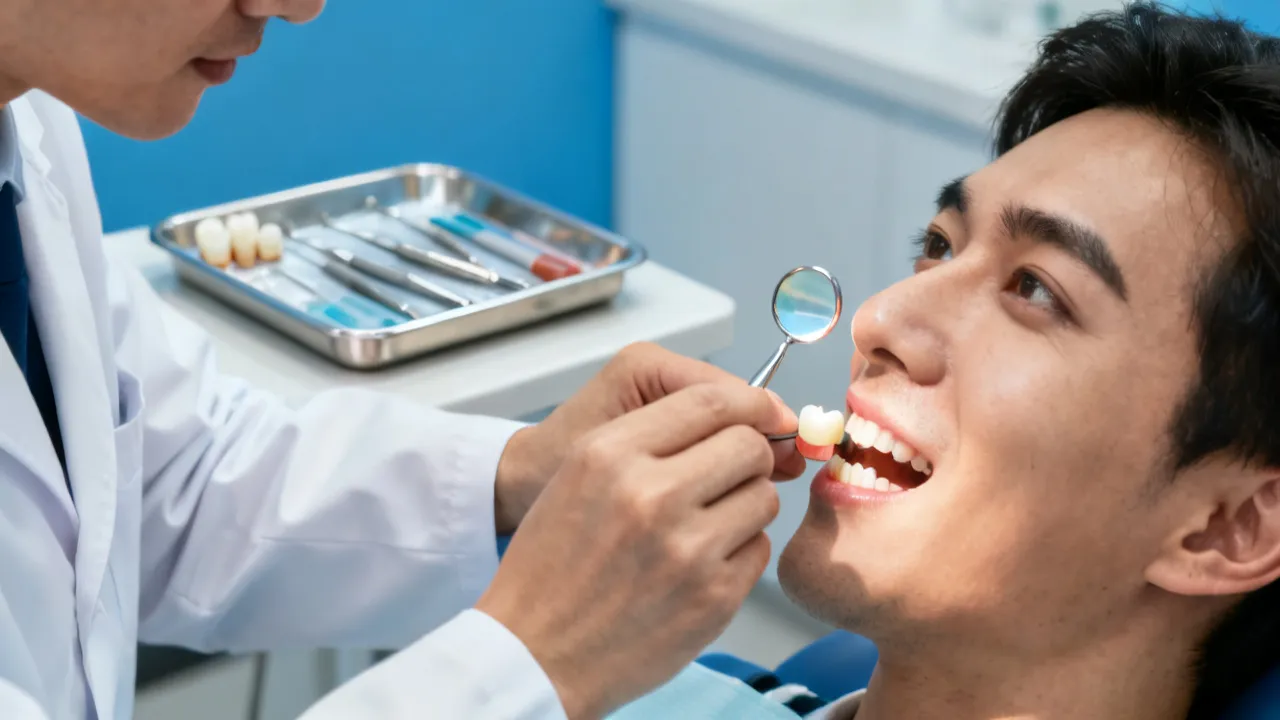
Immediate Advice When a Temporary Filling Falls Out
If a temporary filling falls out, contact a dental clinic promptly, especially when the tooth was prepared for a root canal, crown, deep restoration, or other staged treatment. A temporary filling is not intended to function as a permanent restoration. Its loss can allow food, saliva, and bacteria to enter the prepared area, potentially complicating the next phase of care.
Until a dentist evaluates the tooth, gently rinse with lukewarm water, brush carefully around the area, and avoid chewing on that side. Do not place aspirin, alcohol, household glue, candle wax, cotton, or unapproved materials directly on the tooth. If the opening is large and professional care is not immediately available, a pharmacy dental repair material may provide short-term protection when used exactly as directed. It does not replace a dental examination or definitive treatment.
Seek urgent dental advice if there is severe or increasing pain, facial swelling, fever, difficulty swallowing, difficulty breathing, uncontrolled bleeding, a bad taste with pus, or an injury involving the jaw. These symptoms can indicate infection or another condition requiring rapid assessment. Difficulty breathing or rapidly increasing facial or neck swelling should be treated as a medical emergency.
Understanding “임시 충전재 떨어짐”
The Korean phrase 임시 충전재 떨어짐 means that a temporary filling has fallen out. In English-speaking dental communication, patients may describe this as “my temporary filling came out,” “my temporary filling fell out,” or “the temporary material has loosened.” The phrase does not identify the cause by itself. A temporary filling can loosen because of normal wear, biting pressure, moisture contamination during placement, inadequate retention, tooth fracture, decay around the restoration, or the natural limitations of temporary dental materials.
Temporary fillings are often placed between appointments. For example, a dentist may use one after removing decay from a deep cavity, placing medication inside a tooth, beginning root canal treatment, or preparing a tooth for a crown. The material may be softer and easier to remove than a permanent restoration. That design allows the dentist to access the tooth again, but it also means that the restoration may be more vulnerable to hard, sticky, or chewy foods.
Some temporary fillings are placed to protect a tooth for only a few days, while others are intended to remain for several weeks or longer. The expected duration depends on the treatment plan, the location of the tooth, the amount of remaining tooth structure, the material used, and the patient’s bite. A temporary filling in a back molar may experience much greater chewing pressure than one in a front tooth.
Why Temporary Restorations Matter
A temporary filling performs several functions. It can cover sensitive dentin, reduce the entry of bacteria and food, protect medication placed inside the tooth, preserve the shape of the cavity, and allow the dentist to monitor symptoms before completing permanent treatment. During root canal therapy, a temporary seal is particularly important because the tooth has been opened to permit cleaning of the internal canals.
When a temporary restoration is lost, the main concern is not always immediate pain. Some teeth remain comfortable even though the opening is exposed. Nevertheless, bacteria and debris may enter the space, and the tooth may become more difficult to clean. A symptom-free tooth can still require prompt attention, especially if the temporary material was covering a large access cavity or a tooth with limited remaining structure.
A temporary filling can also help prevent the opposing tooth or neighboring teeth from contacting an exposed area in an unusual way. If the tooth is left open, the patient may unconsciously change the way they bite. In some cases, teeth can drift slightly or the gum can become irritated by repeated food impaction. These effects are additional reasons to arrange follow-up rather than simply waiting for symptoms.
What to Do Step by Step
- Save the material if possible. Place any recovered piece in a clean container or small sealed bag and bring it to the appointment. The dentist may not reuse it, but its shape and condition can provide useful information about how the restoration separated from the tooth.
- Inspect the area without probing it. Look for swelling, obvious cracks, sharp edges, or food trapped in the opening. Avoid using pins, toothpicks, fingernails, or metal instruments to explore the cavity. Probing can injure the gum or push debris deeper into the tooth.
- Rinse gently. Use lukewarm water to remove loose debris. A gentle salt-water rinse may be comfortable for some people, but it should not be used as a substitute for dental treatment. Vigorous rinsing may irritate the tooth or surrounding tissue.
- Maintain careful hygiene. Brush the neighboring teeth with a soft-bristled brush. Clean the accessible surfaces gently, but do not force bristles deep into the opening. If floss catches near the affected tooth, pull the floss out through the side rather than snapping it upward.
- Reduce pressure. Chew on the opposite side and choose softer foods. Avoid caramel, chewing gum, ice, hard nuts, popcorn kernels, tough meat, sticky sweets, and crusty foods until the tooth is assessed.
- Call the treating clinic. Explain when the filling came out, whether pain is present, whether the tooth feels sharp, and whether the tooth was part of root canal or crown treatment. Mention any swelling, fever, bad taste, or sensitivity.
- Follow medication directions carefully. If a dentist has already prescribed medication, use it only as directed. Antibiotics are not a substitute for dental treatment and should not be self-started from an old prescription.
- Protect the tooth during sleep. If clenching or grinding is common, avoid chewing before bed and tell the dentist. Do not place a homemade guard over an unexamined open tooth unless a dental professional recommends it.
What Not to Do
Patients sometimes try to solve the problem with materials that are unsuitable for the mouth. Household glue can contain chemicals that irritate tissue and may make later dental treatment more difficult. Cotton can become trapped, retain bacteria, and break apart. Aspirin placed directly on the gum can cause a chemical burn. Alcohol, essential oils, and concentrated disinfectants can irritate the soft tissues and do not sterilize the tooth.
Do not attempt to cement a temporary crown or filling with superglue, nail adhesive, or hardware-store products. Even over-the-counter dental repair products should be regarded as short-term measures only. They can be difficult to remove if packed too deeply or used in excessive amounts. A dentist needs to be able to see the tooth and determine whether the restoration failed because of decay, a crack, an altered bite, or another underlying problem.
How Quickly Should You Be Seen?
The appropriate timing depends on the tooth and the treatment stage. A small temporary filling in a routine cavity may not be an emergency if there is no pain or swelling, but the clinic should still be contacted soon. A tooth undergoing root canal treatment often deserves faster attention because the access opening may provide a route for contamination. A temporary crown or temporary filling covering a large preparation may also require prompt repair to prevent tooth movement, sensitivity, or further damage.
| Situation | Recommended response |
|---|---|
| No pain, no swelling, small opening | Contact the dental clinic soon, protect the area, and avoid chewing there. |
| Tooth prepared for root canal treatment | Inform the treating dentist promptly because the access cavity may need resealing. |
| Sharp edge or suspected tooth fracture | Arrange an examination and avoid hard foods that could enlarge the fracture. |
| Severe pain, swelling, fever, or swallowing difficulty | Seek urgent dental or medical assessment. |
| Temporary crown or large provisional restoration is loose | Contact the clinic promptly and avoid sticky foods or biting directly on the restoration. |
| Filling fell out after facial trauma | Arrange urgent evaluation to check for cracks, root injury, jaw injury, or damage to adjacent teeth. |
How Pain and Sensitivity Can Be Interpreted
Mild sensitivity after a temporary filling is lost can occur because dentin or a recently treated area is exposed. Cold air, cold drinks, sweet foods, or pressure may trigger brief discomfort. Avoiding these triggers and arranging dental care may be sufficient while waiting for an appointment.
Persistent, spontaneous, throbbing, or worsening pain deserves closer attention. Pain that wakes a person from sleep, lasts after hot or cold stimulation, or increases when biting may indicate inflammation of the pulp, irritation around the root, a crack, or a high bite. Pain does not reveal the exact diagnosis, so a clinical examination and sometimes an X-ray are required.
Occasionally, pain decreases after a severely inflamed pulp loses vitality. This improvement does not necessarily mean that the tooth has healed. Infection can continue to develop without intense pain, particularly if drainage occurs through the gum. A new bump, bad taste, swelling, or pus should be reported even if the original pain has subsided.
Why a Temporary Filling May Fall Out
Several mechanisms may be involved, and only a dentist can determine which one applies.
Insufficient retention
Temporary materials may depend partly on the shape of the cavity for retention. If the cavity is wide, shallow, or surrounded by weakened enamel, the material may dislodge under normal chewing forces. A tooth with a large missing cusp or thin walls may need a temporary crown or another protective approach rather than a simple filling.
Moisture or contamination during placement
Some materials require a relatively dry field. Saliva, blood, or moisture can reduce adaptation to the tooth. This does not necessarily mean that the procedure was performed incorrectly; some clinical situations make moisture control difficult. A patient who has difficulty keeping the mouth open, experiences excessive saliva, or has bleeding gums may present additional challenges.
Heavy biting forces
Clenching, grinding, a strong bite, or chewing hard foods can place substantial stress on a temporary restoration. Patients who grind at night may need specific protective advice from their dentist. A bite that feels high after placement can also concentrate force on the restoration and should be adjusted rather than ignored.
Progression of the underlying problem
If decay, a crack, inflammation, or infection affects the remaining tooth structure, the temporary filling may not remain stable. The restoration’s failure can therefore be a sign that the tooth needs reassessment rather than simply replacement of the same material.
Normal material limitations
Temporary cements and restorative materials are designed for limited-duration use. Their strength, wear resistance, and sealing ability may be lower than those of a permanent crown, composite restoration, ceramic restoration, or amalgam restoration, depending on the clinical indication. A restoration that remains in place longer than planned may gradually wear, dissolve at the margins, or become vulnerable to fracture.
Changes in the surrounding tooth
Teeth can become more brittle after extensive decay or root canal treatment because substantial structure has been removed. The temporary material may remain intact while the tooth wall fractures beside it. If a piece of tooth came away with the filling, the dentist should be informed because the treatment plan may need to change.
What the Dentist May Do
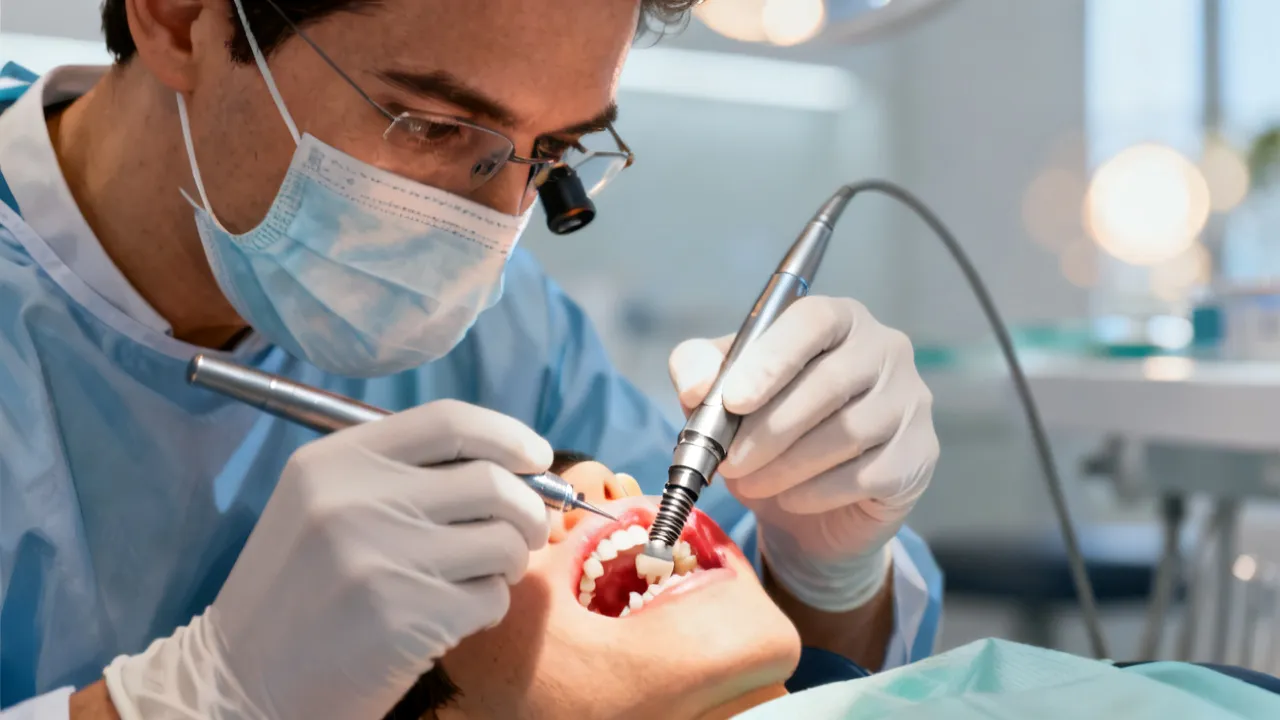
The dentist may clean the area, check for decay or fracture, assess the pulp and surrounding tissues, and review the treatment plan. If the tooth is suitable, the dentist may place a new temporary filling. If the tooth is ready for definitive treatment, the next step may be a permanent restoration or crown. If root canal treatment is incomplete, the dentist may disinfect and reseal the tooth before continuing the procedure.
The examination may include visual inspection, gentle tests of the tooth, bite assessment, periodontal probing, and dental imaging. The dentist may ask when the restoration was placed, what foods were eaten, whether the filling came out in one piece, and whether the patient has a history of grinding. These details can help distinguish ordinary material failure from a structural problem.
In some cases, the dentist may recommend a more protective temporary crown or an adjustment to the bite. If the tooth has extensive structural damage, the discussion may include periodontal evaluation, root canal treatment, extraction, or replacement options such as a bridge, removable partial denture, or dental implant. A decision to extract should be based on restorability, prognosis, function, periodontal support, and the patient’s overall circumstances.
Root Canal Treatment and a Lost Temporary Filling
During root canal treatment, the dentist removes inflamed or infected tissue from inside the tooth, shapes and disinfects the canals, and seals them either during one appointment or across several visits. Between appointments, the tooth may contain medication and a temporary seal. If that seal falls out, contamination of the access cavity becomes a concern.
Patients should tell the endodontist or general dentist exactly how long the tooth was exposed. Do not place food, tissue, or home remedies into the access cavity. The dentist may need to clean the opening and replace the seal before completing treatment. If the tooth has been open for a prolonged period, the treatment schedule may be modified.
After root canal treatment, a back tooth often requires a cuspal-protective restoration because it can be vulnerable to fracture. A temporary filling may not provide sufficient long-term protection. Patients should ask when the permanent crown or other definitive restoration should be placed and what foods should be avoided until then.
When Dental Implants Enter the Discussion
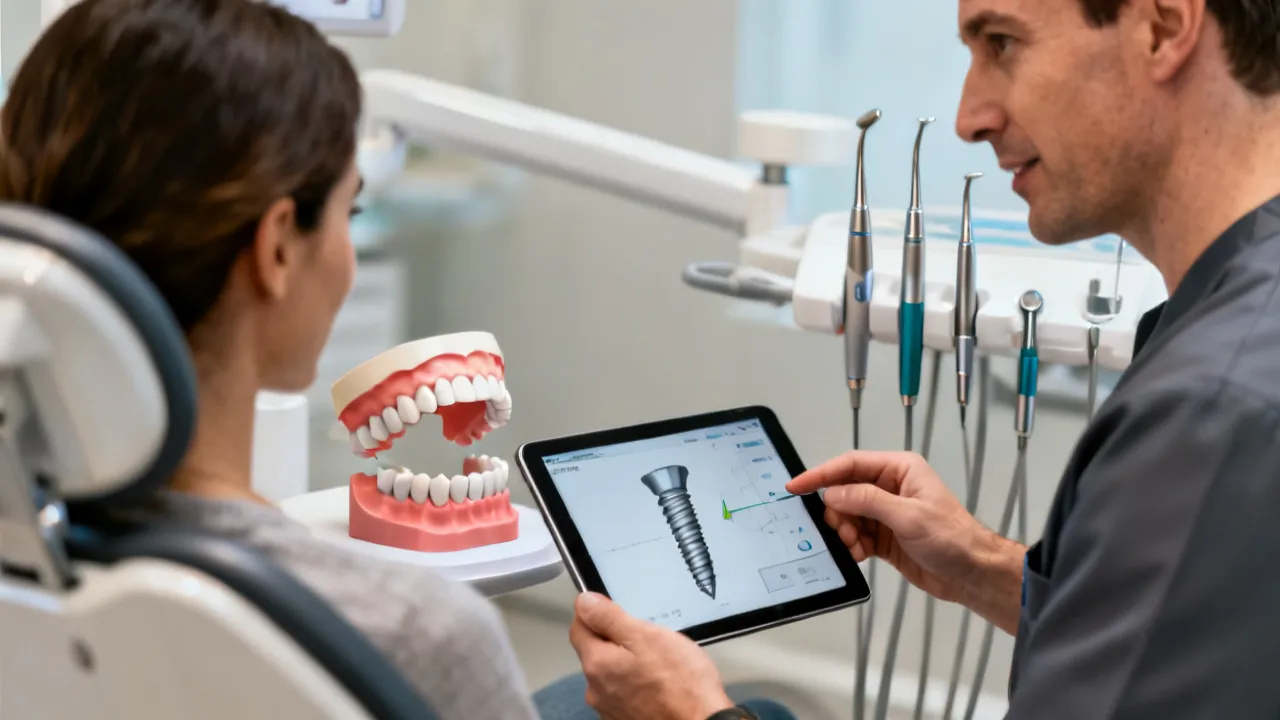
A dental implant is a replacement for a missing tooth root. It usually consists of an implant fixture placed in the jawbone, an abutment, and a visible crown. The complete treatment may require several stages, including examination, diagnostic imaging, tooth removal when necessary, bone healing, implant placement, a period of osseointegration, and delivery of the final crown.
A temporary filling that falls out does not automatically mean that an implant is needed. In many situations, the natural tooth can be restored. Implant planning becomes relevant when a tooth cannot be predictably saved or has already been removed. A careful diagnosis should come before any decision based on advertised prices.
From an industry perspective, the most meaningful comparison is not the implant fixture price alone. Patients should compare the total treatment pathway, including imaging, extraction, bone grafting, sedation, the implant fixture, abutment, temporary tooth, final crown, laboratory fees, follow-up visits, and management of complications. A low initial figure can become misleading if essential components are excluded.
Saving a natural tooth may involve root canal treatment, a buildup, and a crown. Extracting the tooth and placing an implant may involve surgery, grafting, healing, an implant fixture, an abutment, and a crown. Neither option is automatically better for every patient. The choice should consider the tooth’s prognosis, adjacent teeth, bone, gum health, bite, medical history, time available for treatment, cost, and personal preferences.
How to Seek Lower-Cost Dental Implants in English-Speaking Countries
Costs vary substantially between cities, clinics, treatment systems, materials, and patient needs. The following approach can help patients seek a more manageable total cost while preserving clinical quality.
- Confirm that an implant is clinically appropriate. Obtain an examination and imaging, and ask whether the natural tooth can be restored. Extraction should not be chosen solely because an implant advertisement appears inexpensive.
- Request an itemized written estimate. Ask whether the quoted amount includes consultation, three-dimensional imaging, extraction, bone grafting, implant placement, abutment, crown, temporary tooth, sedation, and follow-up visits.
- Compare several qualified providers. Review the dentist’s registration, implant training, experience with the relevant case, emergency arrangements, and documented treatment plan.
- Ask about established implant systems. The brand is only one factor, but replacement parts and long-term maintenance may be easier when the system is well documented and supported.
- Consider dental schools or teaching clinics where suitable. Treatment may be supervised by licensed faculty, but appointments can take longer and patient eligibility may be limited.
- Review insurance and benefit plans. Dental plans may cover parts of the examination, extraction, crown, or prosthetic phase, although exclusions and annual limits are common. Confirm benefits directly with the insurer.
- Ask about staged payment arrangements. A clinic may divide fees by treatment phase. Patients should understand the total amount, cancellation rules, and what happens if treatment changes.
- Compare nearby clinics, not only distant destinations. A local clinic may reduce travel, accommodation, translation, and follow-up costs. The phrase “nearby” is especially important when a patient may require urgent adjustment or management of a complication.
- Obtain a second clinical opinion for complex cases. This is particularly important when bone grafting, sinus augmentation, multiple extractions, or full-arch rehabilitation is proposed.
- Plan maintenance costs. Implant crowns require hygiene care, professional examinations, and possible repairs. A lower initial fee does not necessarily mean a lower lifetime cost.
How to Seek Lower-Cost Dental Implants in Spanish-Speaking Countries
Spanish-speaking countries include diverse healthcare systems and major differences in regional pricing. Patients should distinguish between a country’s broad price reputation and the exact clinical conditions in a particular city or province.
- Use Spanish-language consultations when possible. Clear communication about allergies, medical history, medications, pain, and treatment expectations is essential.
- Confirm professional credentials. Check the dentist’s registration with the relevant national or regional authority and ask about postgraduate education in implant dentistry, oral surgery, or prosthodontics.
- Ask for the implant brand and components in writing. The record should identify the fixture, abutment, crown material, and laboratory responsible for the prosthesis.
- Clarify what “implant price” means. In some advertisements, the price refers only to the fixture. Ask whether the crown and abutment are included.
- Compare public, university, and private options. Teaching hospitals and university clinics may have different fee structures and waiting periods. Eligibility and availability vary by location.
- Evaluate travel requirements. When treatment is performed abroad, ask how many visits are required, how long healing may take, and who will provide follow-up if the patient returns home.
- Request written aftercare instructions in Spanish or a language the patient understands. Instructions should cover hygiene, diet, temporary restorations, warning signs, and emergency contact arrangements.
- Confirm legal and financial terms. Review deposits, refunds, warranties, laboratory charges, and the process for addressing a failed implant or damaged crown.
How to Seek Lower-Cost Dental Implants in Portuguese-Speaking Countries
Brazil and Portugal are prominent Portuguese-speaking destinations for dental services, but prices and regulation differ between regions. Patients should consider the full treatment sequence rather than selecting a clinic from a promotional headline.
- Confirm the diagnosis with appropriate imaging. Cone-beam computed tomography may be recommended for anatomical planning, but it should be ordered when clinically justified.
- Check the professional registration. In Brazil, patients can ask about registration with the Conselho Regional de Odontologia. In Portugal, they can verify professional status through the relevant Ordem dos Médicos Dentistas resources.
- Compare implant and prosthetic components. Ask whether the quoted plan includes the abutment, provisional crown, definitive crown, surgical guide, and laboratory work.
- Ask about clinic technology without assuming that technology guarantees quality. Digital scanning and guided surgery can be useful, but diagnosis, surgical judgment, infection control, and follow-up remain central.
- Consider local access. Patients living near São Paulo, Santo André, Lisbon, Porto, or other large urban areas may be able to compare several providers without adding international travel expenses.
- Read reviews critically. Online testimonials can describe communication and scheduling, but they do not replace clinical records, regulatory checks, or a second opinion.
Reference Price Ranges for One Dental Implant
The following figures are reference ranges for an individual dental implant in the listed countries. They should not be interpreted as guaranteed quotes or as a complete treatment package. The scope of “individual dental implant” may differ between sources, and the final crown, abutment, extraction, grafting, imaging, and maintenance may be billed separately. Exchange rates and local economic conditions can also change the apparent comparison between countries.
| Country | Currency | Reference price range |
|---|---|---|
| United States (US) | USD | $3,000–$6,000 |
| United Kingdom (GB) | GBP | £2,000–£2,500 |
| Australia (AU) | AUD | AU$3,500–AU$6,500 |
| Canada (CA) | CAD | CA$3,000–CA$5,500 |
| Spain (ES) | EUR | €1,500–€2,500 |
| Chile (CL) | CLP | CLP$800,000–CLP$1,500,000 |
| Mexico (MX) | MXN | $15,000–$25,000 |
| Colombia (CO) | COP | COL$2,000,000–COL$4,000,000 |
| Peru (PE) | PEN | S/ 3,000–S/ 6,000 |
| Argentina (AR) | ARS | ARS$80,000–ARS$150,000 |
| Brazil (BR) | BRL | R$3,000–R$8,000 |
| Portugal (PT) | EUR | €1,000–€2,000 |
| Germany (DE) | EUR | €2,000–€3,500 |
| France (FR) | EUR | €1,500–€2,500 |
| Italy (IT) | EUR | €1,500–€3,000 |
| Japan (JP) | JPY | ¥300,000–¥700,000 |
Source: The country-level ranges supplied for this article and intended for general reference only.
Websites Offering Dental Implant and Cost Information
The following websites represent different types of dental information providers, including clinic websites, dental tourism services, insurance resources, and dental plan providers. Their descriptions below are rephrased from the supplied reference information. Patients should confirm current services, credentials, pricing, language availability, and treatment terms directly with each organization.
| Website or organization | Type and main information |
|---|---|
| Dental Views | Discusses lower-cost dental implants, treatment types, expected stages, general benefits, cost considerations, and common patient questions. |
| Atlantic Dental Group | Clinic-based information covering general dentistry, orthodontics, implants, cleaning, and emergency dental services, with appointment and location details. |
| DentaVacation | Dental tourism information, country comparisons, treatment planning, travel considerations, and arrangements for patients considering care abroad. |
| ADHP / American Dental Health Plans | Dental plan information, coverage options, application guidance, and ways insurance arrangements may help manage dental expenses. |
| Rockville Dental Arts | Spanish-language clinic information covering implants, whitening, cleaning, orthodontics, and emergency care for Spanish-speaking patients. |
| Union City Mini Dental Implants | Spanish-language information focused on mini dental implant services and their possible use in selected tooth-replacement situations. |
| Cigna Dental Implant Guide | Spanish-language educational material explaining dental implants and general treatment considerations from an insurance-information perspective. |
| Rubi Odonto | Brazilian clinic information from Santo André, São Paulo, covering orthodontics, whitening, implants, and other dental services. |
| Odontologia Velasco | São Paulo clinic information covering implants, prostheses, aesthetic dentistry, and the use of contemporary dental technologies. |
| DentalVidas | Portuguese-language dental plan information for individuals, families, and businesses, with a network of dentists and emergency-support features. |
Source: The website descriptions supplied for this article.
source: www.dentalviews.com/low-cost-dental-implants/
source: www.atlanticdentalgrp.com
source: www.dentavacation.com
source: rockvilledentalarts.com/es
source: unioncityminidentalimplants.com/es
source: www.cigna.com/es-us/knowledge-center/guide-to-dental-implants
source: www.rubiodonto.com.br
source: odontologiavelasco.com.br
source: dentalvidas.com.br
How to Compare Implant Clinics Properly
Price is important, but it should be evaluated alongside clinical suitability and continuity of care. A useful comparison begins with the written treatment plan. The plan should identify the tooth or teeth involved, the diagnosis, imaging findings, proposed implant position, type of restoration, estimated healing time, and alternatives.
Patients should also ask the following questions:
- Who will perform the surgical and restorative stages?
- What professional registration and implant training does the dentist hold?
- How frequently does the dentist perform the proposed procedure?
- What implant system and crown material are proposed?
- Is bone grafting likely, and is it included in the estimate?
- How many appointments are expected?
- Will the temporary tooth be fixed, removable, or omitted during healing?
- What happens if the implant does not integrate with the bone?
- Who provides emergency care outside normal clinic hours?
- How are complications handled if the patient lives in another region or country?
- What hygiene appointments and radiographs are recommended after restoration?
- What portion of the fee relates to surgery, the abutment, the crown, and laboratory work?
A clinic that provides a transparent explanation may be easier to evaluate than one that emphasizes a single headline price. Patients should be cautious when a provider promises identical results for every person, discourages questions, omits the dentist’s credentials, or pressures them to schedule immediately.
It is also useful to compare the communication process before paying a deposit. The clinic should explain which records are needed, who answers clinical questions, how consent is obtained, and how the patient can reach the team after surgery. Clear communication is not merely a customer-service issue; it helps reduce misunderstandings about medication, healing, appointments, and the limits of a warranty.
Dental Tourism: Potential Benefits and Important Conditions
Dental tourism can appear attractive when treatment costs differ between countries. However, implant treatment is biologically staged, and the patient may need several visits over months. Travel costs, accommodation, time away from work, language support, insurance limitations, and follow-up after returning home all affect the total financial and practical burden.
Before traveling, the patient should obtain copies of the diagnosis, radiographs, proposed implant system, consent documents, medication list, and post-treatment instructions. It is also prudent to identify a dentist in the home region who can provide follow-up if a temporary crown loosens, a wound becomes painful, or the final prosthesis needs adjustment.
Air travel soon after oral surgery may be uncomfortable, particularly when sinus procedures or extensive grafting are involved. The treating surgeon should provide individualized advice about travel timing, physical activity, smoking, alcohol, oral hygiene, and diet. A patient should never assume that a short appointment abroad represents the entire treatment process.
Patients should also investigate what happens if the treatment does not proceed as planned. An implant may require additional healing, a graft may not mature as expected, or a temporary prosthesis may need repair. The financial responsibility for these events should be explained before treatment. A written warranty may cover only the implant fixture and may exclude crowns, hygiene-related problems, smoking, trauma, or missed maintenance appointments.
Insurance, Dental Plans, and Payment Arrangements
Insurance coverage for implants varies considerably. Some plans exclude implants, while others cover a portion of the restoration, extraction, or alternative tooth-replacement method. Annual maximums, waiting periods, missing-tooth clauses, preauthorization requirements, and provider-network rules may apply.
Before treatment, ask the insurer for a written benefit determination. The clinic’s estimate should be compared with the insurer’s explanation of benefits, but patients should remember that a preauthorization is not always a guarantee of payment. Dental plans may help with budgeting, yet they do not determine whether an implant is clinically appropriate.
Payment plans should state the total expected fee, the schedule of installments, interest or administrative charges, refund policy, and responsibilities if the treatment plan changes. Patients should retain invoices, consent forms, implant identification records, and laboratory documents.
Patients who cannot afford immediate definitive treatment should ask about safe interim options. Depending on the tooth and diagnosis, a dentist may be able to provide a temporary restoration, removable appliance, staged treatment, or referral to a community clinic or dental school. Delaying care without a plan can allow decay, infection, or tooth movement to increase the eventual cost.
Conditions and Requirements Before Implant Treatment
Implant treatment generally requires an assessment of oral and general health. The dentist may review gum condition, bone volume, bite, neighboring teeth, smoking status, diabetes control, medications, previous radiation therapy, and history of bone-related medication. These factors do not automatically rule out treatment, but they may change timing or require coordination with a physician.
Active gum disease should usually be addressed before implant placement. Poor plaque control can increase the risk of inflammation around the implant and may affect long-term maintenance. Patients should receive practical instruction on brushing, interdental cleaning, and professional maintenance.
Smoking is associated with poorer healing and may increase complications. Patients should discuss tobacco and nicotine use openly with the dental team. Diabetes, when poorly controlled, may also affect healing, so medical coordination can be appropriate.
Bone grafting may be considered when the jaw does not provide sufficient volume for the planned implant. It adds cost, healing time, and clinical complexity. A lower-cost estimate that excludes grafting may not represent the final amount required. In the upper back jaw, a sinus-related procedure may sometimes be discussed, while in other locations a smaller graft or a different implant position may be considered.
Medication history is important. Blood thinners, immune-modifying medicines, osteoporosis medications, and some cancer treatments can affect surgical planning. Patients should never stop a prescribed medication on their own. The dentist and physician can determine whether any adjustment is necessary.
Aftercare and Long-Term Maintenance
After implant placement, the patient may experience swelling, bruising, tenderness, or mild bleeding. The clinical team should provide specific instructions. Patients should not disturb the surgical site, should follow the recommended diet, and should use prescribed rinses or medication only as directed.
After the final crown is fitted, daily cleaning remains essential. Implant-supported teeth are not immune to plaque-related disease. Professional examinations may include assessment of the gums, bite, crown connection, and radiographic bone levels when indicated.
A temporary filling or temporary crown may also require special care during the healing period. Sticky foods can pull at provisional materials, while hard foods can fracture them. If a temporary restoration becomes loose, the patient should contact the clinic rather than repeatedly attaching it at home.
Maintenance is part of the cost of an implant, not an optional extra. The patient may need periodic professional cleaning, replacement of worn components, adjustment of the bite, or repair of the crown. The expected maintenance schedule varies according to oral hygiene, gum health, bite forces, smoking, and the number of implants.
Frequently Asked Questions
Is a temporary filling falling out always an emergency?
No. The urgency depends on the tooth, the treatment stage, symptoms, and the amount of tooth structure exposed. It should still be reported to a dentist promptly. Severe pain, swelling, fever, swallowing difficulty, or breathing difficulty requires urgent assessment.
Can I put the temporary filling back myself?
Do not force the original piece back into place. It may be contaminated, incorrectly positioned, or unable to seal the tooth. A pharmacy dental repair material may provide limited short-term protection when used according to its instructions, but professional evaluation remains necessary.
Can I brush the tooth after the filling falls out?
Yes. Brush gently with a soft-bristled toothbrush and avoid aggressive pressure inside the opening. Keeping nearby surfaces clean helps reduce food accumulation while you wait for care.
What should I eat?
Choose soft foods at a comfortable temperature and chew on the opposite side. Avoid hard, sticky, chewy, or very hot and cold foods if the tooth is sensitive. Examples may include yogurt, eggs, pasta, soft rice, soup that is not too hot, and tender foods cut into small pieces.
Will the dentist replace the same temporary filling?
Possibly, but the dentist may first check for decay, a crack, infection, bite problems, or readiness for permanent treatment. Replacing the material without addressing the cause may not solve the problem.
Does a lost temporary filling mean I need a dental implant?
No. Many teeth with lost temporary fillings can be restored. An implant is considered when a tooth is missing or cannot be predictably preserved. Diagnosis should come before treatment selection.
Are lower-cost dental implants safe?
Cost alone does not establish safety or quality. A lower fee may reflect regional labor costs, clinic overhead, training structures, or treatment scope. Safety depends on diagnosis, infection control, professional qualifications, suitable components, informed consent, and reliable follow-up.
Does the implant price include the crown?
Not necessarily. Some advertisements quote only the implant fixture. Ask specifically whether the estimate includes imaging, extraction, grafting, surgery, abutment, temporary tooth, final crown, laboratory work, and follow-up.
Is treatment abroad always less expensive overall?
No. The financial result depends on travel, accommodation, time away from work, exchange rates, additional visits, complications, and the cost of follow-up after returning home. Compare the complete pathway rather than the initial procedure fee.
How can I verify a clinic?
Check professional registration with the appropriate authority, request a written diagnosis and treatment plan, ask about implant training and experience, confirm the component records, and seek an independent opinion for complex treatment. Reviews may offer insight into communication but should not be treated as clinical evidence.
What records should I keep?
Keep estimates, invoices, consent documents, radiographs, implant brand and model information, medication instructions, laboratory details, and warranty terms. These records can help if future maintenance or treatment is needed.
What if I cannot reach my original dentist?
Contact another licensed dental clinic and explain that a temporary restoration has been lost. Bring treatment records if available. A new dentist can assess the tooth, provide temporary protection when appropriate, and advise whether the original treatment plan should continue.
Can antibiotics repair an exposed tooth?
No. Antibiotics may be prescribed in selected situations involving spreading infection or systemic symptoms, but they do not replace cleaning, sealing, root canal treatment, extraction, or restoration. They should be used only after professional advice.
Professional Perspective
From an expert dental-planning perspective, the safest response to 임시 충전재 떨어짐 is not to focus only on replacing the missing material. The event should prompt a review of the tooth’s structural condition, the purpose of the temporary restoration, and the timing of definitive care. For patients considering implants, the same principle applies: the best value is usually found through accurate diagnosis, transparent scope, qualified treatment, and accessible follow-up rather than through the lowest advertised figure.
Patients can protect both their oral health and their budget by acting early, asking precise questions, comparing complete treatment plans, and confirming all assumptions in writing. Whether care is obtained at a clinic nearby or in another country, continuity and accountability should remain central to the decision.
Practical Checklist for Patients
- Record the date and approximate time the temporary filling came out.
- Note whether the material came out whole or whether part of the tooth fractured with it.
- Write down pain triggers, pain severity, swelling, fever, bad taste, or sensitivity.
- Photograph the area only if this can be done comfortably and without probing it.
- Call the dentist who placed the restoration and describe the treatment stage.
- Keep the area clean and avoid chewing on the affected side.
- Do not use household glue, aspirin, alcohol, or sharp instruments on the tooth.
- Take medication only as directed by a qualified professional.
- Ask for a written estimate if a new restoration, crown, extraction, or implant is proposed.
- Compare the complete cost, expected timeline, qualifications, and follow-up arrangements.
Disclaimer
1. The above information comes from online resources, and the data is as of October 2023.
2. Dental implant prices are for reference only and may vary by region, clinic and doctor.
3. This information is educational and does not diagnose a dental condition or replace an examination by a dentist. Treatment decisions should be based on current clinical findings, appropriate imaging, medical history, and a discussion with a qualified dental professional.