The Right 양치질 순서 for Better Oral Health
This guide explains the correct 양치질 순서, or tooth-brushing order, and examines how daily plaque control supports long-term dental health, including care for patients considering implants. It covers brushing technique, flossing, mouthwash timing, common mistakes, implant-maintenance principles, cost-conscious treatment planning in English-speaking countries, and questions patients should ask before selecting a clinic. Implant prices are presented as historical reference ranges rather than quotations.
Why the 양치질 순서 Matters
The Korean expression 양치질 순서 refers to the order and method used during tooth brushing. Although brushing may appear to be a simple daily habit, the sequence can influence whether plaque is removed from the areas most commonly missed: the gumline, spaces between teeth, the inner surfaces of the lower front teeth, and the chewing surfaces of molars. A clear routine also makes it easier to notice changes such as bleeding, sensitivity, swelling, damaged fillings, or food becoming trapped in a particular area.
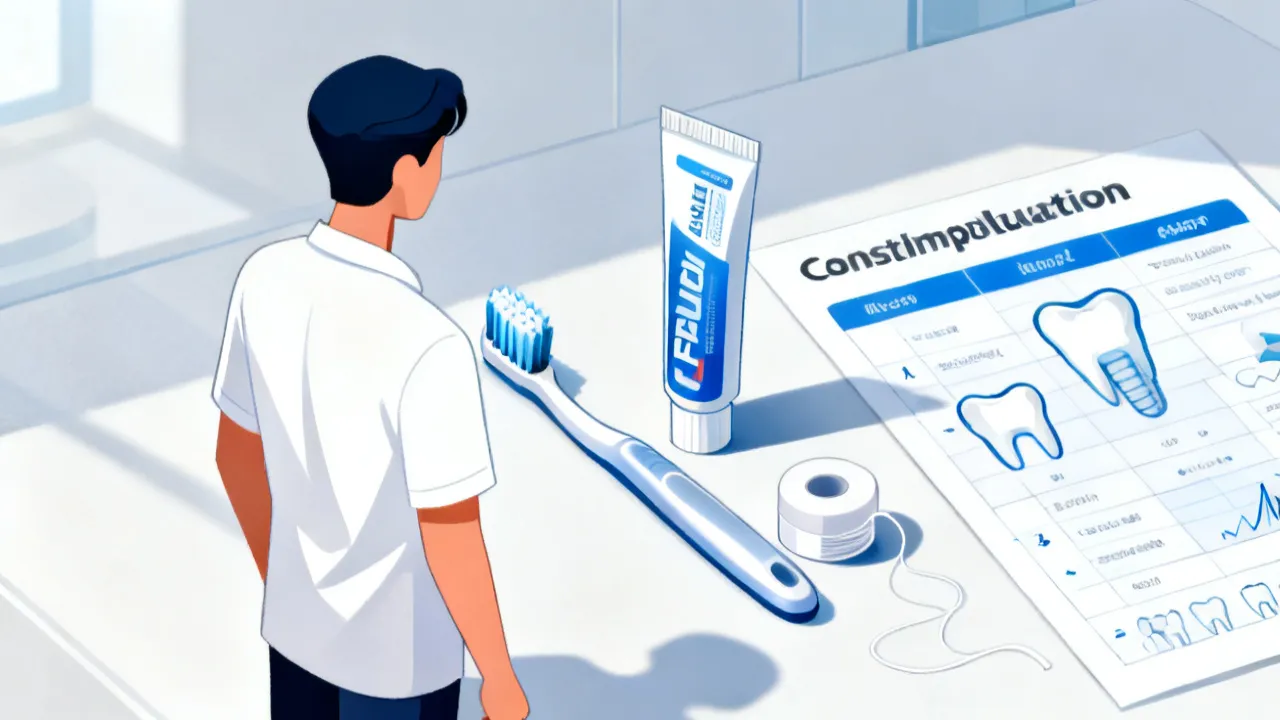
From an industry and preventive-dentistry perspective, the most important principle is not a complicated routine but consistent mechanical plaque removal with a soft-bristled toothbrush and fluoride toothpaste. The recommended order should make it easier to clean every surface without rushing. A practical sequence is:
- Prepare the toothbrush and check the mouth for food debris or irritation.
- Clean between the teeth with floss or an interdental brush.
- Brush the outer surfaces of the teeth.
- Brush the inner surfaces.
- Brush the chewing surfaces of molars.
- Gently clean the gumline and tongue.
- Spit out the toothpaste and avoid immediately rinsing with large amounts of water.
Interdental cleaning before brushing can loosen debris and bacterial deposits, allowing fluoride toothpaste to reach areas that are otherwise difficult to access. However, the exact order may be adapted to a person’s dental condition, orthodontic appliances, implant design, dexterity, and advice from a dental professional. The best routine is one that is safe, thorough, and easy to repeat every day.
People sometimes focus heavily on whether flossing must occur before brushing or whether the upper teeth must always be cleaned before the lower teeth. These details are less important than completing the entire mouth. If a different sequence helps a person brush more carefully, that sequence may be perfectly reasonable. A consistent route is useful because it turns brushing into a checklist rather than an activity performed by memory while distracted or hurried.
The Recommended 양치질 순서 Step by Step
1. Select the Appropriate Toothbrush
A soft or extra-soft toothbrush is generally suitable for most adults. Medium or hard bristles can contribute to gum irritation and tooth-surface wear when used with excessive pressure. A manual toothbrush can be effective when the user applies a systematic method. An electric toothbrush may be useful for people with limited hand movement, orthodontic appliances, or difficulty maintaining consistent brushing pressure.
The brush head should be small enough to reach the back molars without causing discomfort. A small head is especially helpful for people with crowded teeth, a strong gag reflex, a small mouth opening, or wisdom teeth that are partially erupted. The brush should be comfortable to hold, because an uncomfortable handle can encourage a rushed or forceful technique.
Replace the brush or brush head when the bristles become visibly bent or approximately every three months, unless a dental professional recommends a different interval. A brush may need to be replaced sooner if the bristles fray quickly, if a child chews on it, or if it no longer feels effective. After an illness, replacing the brush may also be reasonable, although normal cleaning and storage remain more important than relying on replacement alone. Store the toothbrush upright where it can dry, and avoid keeping it in a sealed container while wet.
2. Use Fluoride Toothpaste Correctly
Fluoride toothpaste strengthens enamel and helps the teeth resist acid attacks caused by plaque bacteria and acidic foods. Adults and older children generally use a pea-sized amount, although parents should follow age-specific instructions for young children. Children should be supervised so that they learn to spit rather than swallow toothpaste.
Toothpaste does not need to produce a large amount of foam to work. Excessive foam can make some people feel that brushing is complete before every surface has been reached. A low-foaming product may be more comfortable for individuals who experience nausea or irritation from certain ingredients. People with sensitivity, dry mouth, a high cavity risk, or a history of enamel erosion may benefit from discussing toothpaste selection with a dental professional.
3. Clean Between the Teeth First
Floss or an interdental brush should be selected according to the size of the space and the condition of the gums. Floss is useful for tight contacts, while interdental brushes are often easier to use around wider spaces, bridges, orthodontic wires, and some implant-supported restorations. A water flosser may help some people, but it should be considered an addition or alternative based on professional advice rather than an automatic replacement for every other method.
Guide the floss gently through the contact point rather than snapping it toward the gums. Curve it around one tooth in a “C” shape and move it up and down along the side of the tooth. Repeat the process on the neighboring tooth. The aim is to clean the side surfaces beneath the contact point, not simply to move floss through the gap once. Use a fresh section of floss as it becomes soiled.
With an interdental brush, use a size that enters the space with slight resistance but does not require force. If the brush bends sharply, causes pain, or cannot pass through at all, a different size or another method may be needed. Spaces can vary throughout the mouth, so one person may need more than one brush size. A dental hygienist can measure the spaces and demonstrate the correct angle.
Bleeding during the first several days of improved interdental cleaning may occur when the gums are inflamed. Gentle, regular cleaning often helps reduce inflammation, but persistent, heavy, or worsening bleeding should be evaluated by a dentist or dental hygienist rather than ignored. Bleeding can also be associated with periodontal disease, medication effects, systemic conditions, or trauma from improper technique.
4. Brush the Outer Surfaces
Place the bristles at approximately a 45-degree angle toward the gumline. Use small, gentle circular or short vibrating movements. Begin in one consistent location, such as the upper right molars, and move around the arch in a fixed direction. A predictable route reduces the chance of skipping sections.
Clean the outer surfaces of the upper teeth first and then the lower teeth, or use the order that is easiest to repeat. The key is to cover the gumline and the full visible tooth surface, not merely the center of each tooth. Move slowly enough that the bristles can reach the slight curve where the tooth meets the gum. On the cheek side of the back teeth, gently pulling the cheek outward may improve access.
People who use an electric toothbrush should allow the brush head to do the movement rather than scrubbing rapidly back and forth. Divide the mouth into sections and pause briefly on each tooth group. Pressure sensors on some powered brushes can help identify excessive force, but users should still pay attention to comfort and gum response.
5. Brush the Inner Surfaces
The inner surfaces are frequently neglected because they are less visible. On the tongue side of the lower front teeth, use the tip or narrow edge of the brush head and make short vertical or circular movements. For the inner surfaces of the upper front teeth, a similar controlled motion can improve access. The lower front teeth commonly collect tartar because of their proximity to salivary ducts, so they deserve deliberate attention.
Do not force the brush into the gum tissue. Excessive pressure does not improve cleaning and may cause discomfort or recession in susceptible individuals. A useful practical test is to hold the toothbrush with the fingertips rather than gripping it tightly with the entire hand. If the bristles flatten substantially against the teeth, the pressure is probably greater than necessary.
Some people find it easier to brush the inner front surfaces by holding the toothbrush vertically and using several short strokes. This is not a separate rule that everyone must follow, but it can help the brush reach narrow spaces. The movement should remain gentle, and the brush should be repositioned frequently enough to cover the area near the gumline.
6. Brush the Chewing Surfaces
Molars contain grooves and pits that can retain food particles and plaque. Place the bristles directly on these surfaces and use short back-and-forth movements. Pay particular attention to the last molars, where a limited opening or gag reflex may make access more difficult.
Food trapped in a groove does not always indicate poor hygiene. The natural shape of a tooth, a partially erupted wisdom tooth, a loose restoration, or an orthodontic appliance can create a location that is difficult to clean. If the same site repeatedly traps food, causes pain, or produces an unpleasant taste, it should be examined.
Children, teenagers, and adults with deep grooves may require additional preventive advice, such as professional fluoride treatment or sealants. Those measures are determined by individual risk and are not substitutes for daily brushing. Parents should brush or supervise brushing until a child has the coordination to clean all surfaces reliably, often including the areas behind the last teeth.
7. Clean the Gumline and Tongue Carefully
The gumline should be cleaned as part of brushing rather than treated as a separate area that receives aggressive scrubbing. Gentle angled brushing removes deposits at the junction between the tooth and gum. Healthy gums commonly appear firm and pink or naturally pigmented, while persistent redness, puffiness, tenderness, or bleeding may indicate inflammation.
The tongue can be brushed lightly from back to front, stopping if gagging or irritation occurs. A tongue scraper may remove surface coating for some people, but it is not essential and should not be used forcefully. The tongue is sensitive tissue; repeated scraping until it feels completely smooth can cause soreness and does not necessarily address the cause of bad breath.
Tongue cleaning may reduce the amount of coating and improve breath freshness, but persistent bad breath can be associated with gum disease, dry mouth, cavities, sinus conditions, gastrointestinal disorders, or other causes. Mouthwash should not be used to conceal symptoms that require assessment. A professional evaluation is particularly appropriate when bad breath is accompanied by bleeding, pain, loose teeth, fever, or a persistent bad taste.
8. Spit, but Do Not Over-Rinse
After brushing with fluoride toothpaste, spit out the excess. Immediately rinsing repeatedly with a large volume of water can reduce the amount of fluoride left on the teeth. Some dental professionals advise avoiding food, drinks, or vigorous rinsing for a short period after brushing, depending on the product and the patient’s needs.
Mouthwash should not automatically be used directly after brushing. Certain rinses may be prescribed for specific conditions, while others are intended for a different time of day. People should follow the product directions and professional guidance, particularly when using fluoride, chlorhexidine, or sensitivity products. Chlorhexidine products, for example, are often intended for limited use and may cause staining or changes in taste if used inappropriately.
How Long and How Often Should You Brush?
Many professional dental organizations commonly advise brushing twice daily with fluoride toothpaste for approximately two minutes each time. The exact duration is less important than thorough coverage, although a timer or electric toothbrush with a built-in interval can help people who routinely stop too soon. Dividing the mouth into four sections and spending roughly thirty seconds on each section provides a simple structure.
A two-minute recommendation does not mean that brushing for a much longer period is always better. Long brushing with excessive pressure may irritate the gums and wear exposed root surfaces. Careful technique, adequate frequency, fluoride exposure, and interdental cleaning are more valuable than simply increasing the clock time.
Brushing immediately after consuming acidic foods or drinks may temporarily increase the risk of mechanical wear on softened enamel. When practical, wait for a period recommended by a dental professional, rinse with water, and clean the mouth later. This is especially relevant after citrus products, carbonated beverages, sports drinks, energy drinks, wine, vinegar-based foods, and other acidic items. Waiting does not mean leaving the mouth without care; water can help clear acids, and sugar-free gum may stimulate saliva for some people.
Brushing harder is not equivalent to brushing better. Effective plaque removal depends on bristle placement, coverage, duration, and regularity. A soft brush used systematically is usually more appropriate than a stiff brush used with force. If the gums recede, the teeth become increasingly sensitive, or the bristles flatten quickly, the technique should be reviewed.
Common 양치질 순서 Mistakes
- Starting in a different place every time: This can lead to consistently missing the same area. A fixed route creates a reliable mental map.
- Cleaning only the front teeth: The back molars and inner surfaces also require attention, even though they are less visible.
- Using excessive pressure: Force may irritate the gums and contribute to tooth wear, especially where the gums have receded.
- Moving too quickly: A rushed routine often leaves plaque around the gumline and behind the lower front teeth.
- Ignoring interdental spaces: A toothbrush cannot effectively reach every contact between teeth.
- Rinsing aggressively after fluoride toothpaste: This may reduce residual fluoride exposure.
- Using mouthwash as a replacement for brushing: Rinses do not mechanically remove plaque in the same way.
- Failing to clean dental appliances: Retainers, dentures, bridges, and implant restorations need their own maintenance instructions.
- Sharing toothbrushes: A toothbrush can transfer saliva and microorganisms, so each household member should have a separate brush.
- Storing a wet brush in a closed container: A damp, poorly ventilated container can encourage microbial growth on the brush.
- Brushing only when the mouth feels unclean: Plaque can accumulate without causing an immediate sensation, so routine matters more than how the mouth feels.
Adapting the Routine for Children
Children need an age-appropriate approach because their manual dexterity, attention span, and ability to spit toothpaste develop gradually. Parents or caregivers may need to perform most of the brushing for young children and then allow the child to practice. A useful approach is to let the child brush first and then have the adult complete every surface.
Children often benefit from a visual routine. Parents can use a song, a two-minute timer, a calendar, or a simple sequence such as “outside, inside, tops, and tongue.” The language should be encouraging rather than frightening. If brushing becomes associated with punishment, a child may hide symptoms or resist care. Praise for completing the routine can be more effective than focusing only on missed areas.
Primary teeth are important even though they eventually fall out. Cavities in baby teeth can cause pain, interfere with eating and sleep, affect school participation, and influence the health and spacing of developing permanent teeth. Parents should seek advice about fluoride toothpaste quantity, dental visits, thumb-sucking, bottle use, and sugary snacks.
Adapting the Routine for Braces and Orthodontic Appliances
Fixed braces create additional surfaces where food and plaque can collect. Patients should brush above the brackets, directly over the brackets and wire, and below the brackets. The brush may need to be angled in several directions so that the gumline and the edges of the brackets are reached.
An interdental brush can clean under the wire and between brackets. Threaders, orthodontic floss, or a water flosser may also be recommended. The precise tool is less important than being able to clean around each bracket without damaging the appliance. Patients should avoid using excessive force, which can bend wires or loosen components.
Orthodontic patients should contact their dental or orthodontic office if a bracket breaks, a wire becomes sharp, or a removable appliance no longer fits. Continuing to brush around a damaged appliance may be difficult, and delaying repair can extend treatment. Fluoride use and dietary advice are especially important because white-spot lesions can develop around brackets.
Adapting the Routine for Dentures, Bridges, and Retainers
Removable dentures should generally be removed for cleaning according to professional instructions. Dentures can be cleaned with a denture brush and an appropriate cleanser, rather than hot water or abrasive household products that may damage the material. The gums, palate, tongue, and any remaining natural teeth also need cleaning.
Fixed bridges require attention under the artificial tooth and around the supporting teeth. A floss threader, super floss, or interdental brush may make access easier. Because the supporting teeth carry additional functional demands, decay or gum inflammation around them can threaten the entire bridge.
Retainers should be cleaned according to the material and the orthodontist’s instructions. Hot water may distort some appliances. Patients should avoid wrapping a retainer in a tissue where it can easily be thrown away, and they should store it in a ventilated case after cleaning and drying as instructed.
Adapting the Routine for Dental Implants
Dental implants replace the root portion of a missing tooth with a biocompatible implant fixture, followed by an abutment and crown or another restoration. The implant itself is not susceptible to tooth decay in the same way as natural enamel, but the surrounding gum and bone can develop inflammation. Plaque accumulation around an implant may contribute to peri-implant mucositis and, in more advanced cases, peri-implantitis.
Patients with implants should therefore keep the same basic 양치질 순서 while adding cleaning methods recommended for the specific restoration. These may include:
- A soft-bristled toothbrush or clinician-approved powered brush.
- Interdental brushes sized for the implant crown and adjacent teeth.
- Specialized floss or threaders for implant-supported bridges.
- A water flosser when a dental professional confirms that it is appropriate.
- Regular professional examinations and radiographs when clinically indicated.
Patients should not assume that bleeding around an implant is normal merely because the restoration is artificial. Persistent bleeding, swelling, pus, bad taste, increasing mobility, or discomfort around an implant should be assessed promptly. Patients should not attempt to tighten, adjust, or polish an implant restoration at home.
The design of the crown affects cleaning. A bulky contour, a narrow access point, or a bridge connecting several implants may require a specially shaped interdental brush. The dental team should demonstrate the correct direction of insertion and explain whether the brush should pass completely beneath the restoration or only enter from one side.
When Tooth Loss Leads to an Implant Discussion
Dental implants are one option for replacing missing teeth. Other options may include a fixed bridge, a removable partial denture, or a complete denture. The suitable approach depends on bone volume, gum health, medical history, bite forces, smoking status, oral hygiene, aesthetic goals, treatment time, and budget.
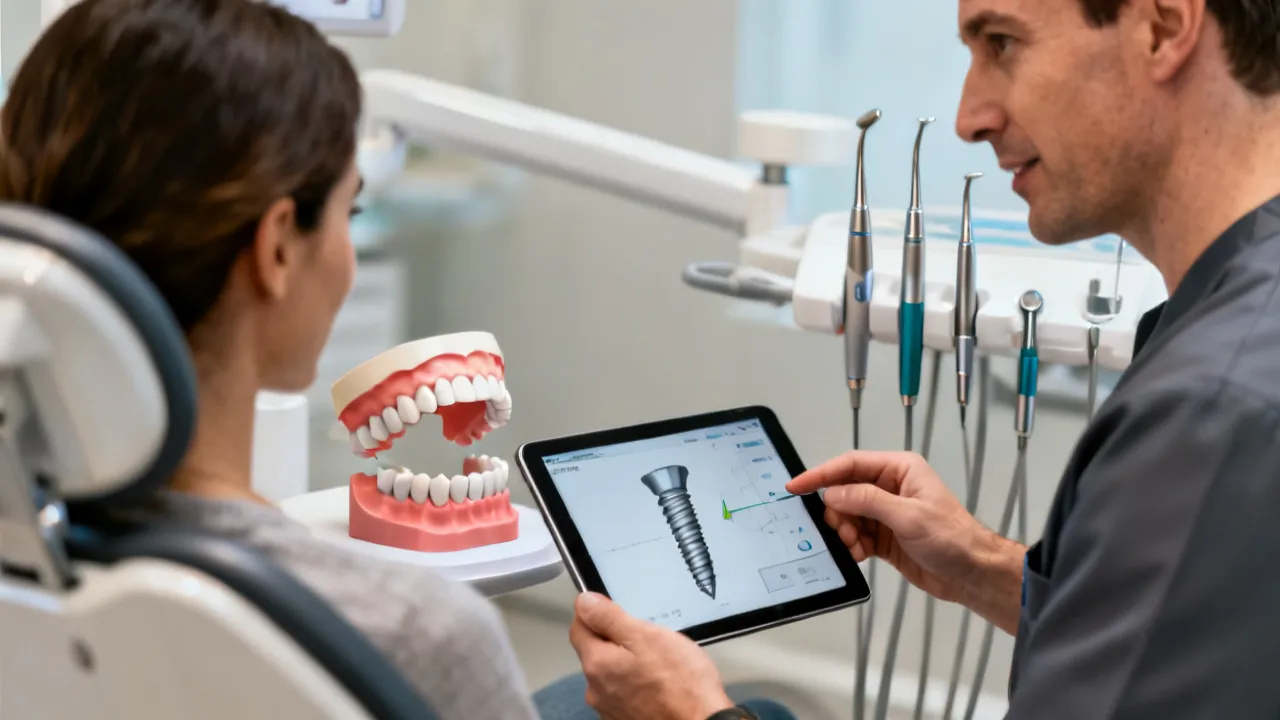
An implant consultation generally involves a medical and dental history, clinical examination, assessment of neighboring teeth, and imaging. In selected cases, bone grafting or treatment of gum disease may be needed before implant placement. These additional procedures can change both the treatment timeline and the overall cost. The patient should be given an explanation of the stages rather than only a single appointment date.
Patients should ask whether a quoted amount covers only the implant fixture or includes the abutment, crown, diagnostic imaging, extraction, temporary restoration, bone augmentation, medications, follow-up visits, and management of complications. Comparing only the advertised implant fixture price may produce a misleading impression of affordability.
It is also useful to ask how the missing tooth will be managed while the implant heals. Depending on the location and clinical situation, the temporary option may be a removable appliance, a temporary bridge, or another approach. Patients should understand what they can eat, how they should clean the area, and what symptoms should prompt an urgent call.
How to Obtain Dental Implants at Lower Cost in English-Speaking Countries
Reducing the cost of implant treatment should not mean selecting a provider without verifying training, sterilization, materials, follow-up arrangements, or emergency access. The following process can help patients compare options responsibly in English-speaking markets, including the United States, the United Kingdom, Australia, and Canada.
1. Obtain a Complete Treatment Plan
Ask for a written plan that identifies the missing tooth or teeth, the proposed implant system, the restoration type, the expected stages, and the procedures included. A written plan makes it easier to compare clinics and reduces the risk of unexpected charges. It should also identify which professional will place the implant and which professional will design and fit the final restoration.
2. Address Preventive Problems Before Implant Surgery
Untreated gum disease, active decay, poor oral hygiene, and uncontrolled medical conditions can complicate implant care. Managing these issues first may prevent avoidable treatment delays and complications. The daily 양치질 순서 is particularly important during this preparation period because a clean, stable oral environment supports the health of both natural teeth and future restorations.
3. Compare the Complete Package, Not a Single Line Item
Request a breakdown for consultation, imaging, extraction, implant placement, abutment, crown, temporary teeth, laboratory work, sedation, bone grafting, and follow-up care. A clinic with a higher initial quotation may ultimately be more economical if it includes services that another provider bills separately. Ask whether taxes, emergency appointments, adjustments, and remake policies are included.
4. Ask About Accredited Professionals and Materials
Patients should verify the clinician’s registration with the relevant national or regional regulator and ask who will perform each stage. They may also request the implant manufacturer, restoration material, warranty conditions, and maintenance requirements. A price comparison is meaningful only when the clinical scope is reasonably comparable.
5. Consider Dental Schools and Teaching Clinics Carefully
University dental schools and supervised teaching clinics may offer structured treatment at reduced fees in some locations. Treatment can take longer because students work under professional supervision and procedures may be scheduled around academic requirements. Patients should ask about eligibility, waiting times, the supervising clinician, the implant systems available, and continuity of care after graduation or relocation.
6. Investigate Dental Insurance and Dental Plans
Coverage differs substantially. Some plans exclude implants, impose waiting periods, limit annual benefits, or cover only a portion of the restoration. Patients should read the benefit schedule and obtain preauthorization when available. Dental discount plans are not the same as insurance and should be evaluated for network restrictions, enrollment fees, and actual savings.
7. Ask About Staged Treatment
In some cases, treatment can be staged safely. For example, a dentist may first control infection, restore strategic teeth, and improve gum health before proceeding with implant placement. Staging should be based on clinical priorities rather than delaying essential care indefinitely. Ask whether a temporary restoration or an alternative treatment can maintain function during the waiting period.
8. Compare Local Clinics and Nearby Providers
Travel within a country may broaden the range of clinics and prices, but transportation, accommodation, time away from work, and follow-up visits must be included in the calculation. A nearby provider may offer better practical value if complications arise or adjustments are needed. Patients should consider whether a distant clinic can provide timely care if a crown loosens or the bite changes.
9. Treat International Dental Travel with Caution
Dental tourism can appear less expensive because treatment and labor costs differ between countries. However, patients should investigate professional licensing, infection-control standards, implant traceability, language support, emergency arrangements, and who will provide follow-up care after returning home. Air travel soon after surgery may also require medical advice. The apparent saving can disappear if an additional trip is required for correction.
10. Maintain the Result
The cost of an implant is not limited to surgery. Daily cleaning, professional maintenance, replacement of worn crowns, and management of gum inflammation affect long-term value. A patient who follows a reliable 양치질 순서 and attends maintenance visits may reduce the likelihood of preventable problems, although no treatment outcome can be guaranteed.
Reference Website Comparison
The following websites represent different types of dental information and service providers. They should be treated as starting points for research rather than endorsements. Their services, prices, eligibility rules, and geographic availability may change. Patients should confirm current information directly with the relevant organization and compare it with guidance from an appropriately qualified dental professional.
| Website or organization | Relevant features |
|---|---|
| Dental Views | Information about lower-cost dental implants, treatment types, the implant process, expected expenses, and common patient questions. |
| Atlantic Dental Group | Clinic-based information covering general dentistry, cleaning, orthodontics, implants, emergency care, appointments, and professional services. |
| DentaVacation | Dental tourism information, international treatment comparisons, travel planning, and procedures offered in destinations with different cost structures. |
| American Dental Health Plans | Information about dental coverage options, plan structures, applications, and ways insurance may help manage treatment expenses. |
| Rockville Dental Arts | Spanish-language dental information and services including implants, whitening, cleaning, orthodontics, and emergency dentistry. |
| Union City Mini Dental Implants | Spanish-language information focused on mini dental implants and treatment for selected areas of missing teeth. |
| Cigna | Spanish-language educational material explaining dental implants, treatment stages, considerations, and patient questions. |
| Rubi Odonto | Brazilian clinic information covering orthodontics, whitening, implants, and general dental care in Santo André, São Paulo. |
| Odontologia Velasco | Brazilian clinic information about implants, prosthodontics, aesthetic dentistry, and the use of contemporary dental technologies. |
| DentalVidas | Portuguese-language dental-plan information for individuals, families, and companies, including a broad provider network and emergency support. |
Source: www.dentalviews.com/low-cost-dental-implants/
Source: www.atlanticdentalgrp.com/
Source: www.dentavacation.com/
Source: www.rockvilledentalarts.com/es/
Source: www.unioncityminidentalimplants.com/es/
Source: www.cigna.com/es-us/knowledge-center/guide-to-dental-implants
Source: www.rubiodonto.com.br/
Source: www.odontologiavelasco.com.br/
Source: www.dentalvidas.com.br/
Source: rockvilledentalarts.com/es/ — the supplied reference identifies this page in connection with American Dental Health Plans.
Individual Dental Implant Cost Ranges in English-Speaking Countries
The following figures concern an individual dental implant treatment reference range in the specified country and currency. They should not be interpreted as a guaranteed full-mouth, package, or final treatment price. The scope of “individual implant” can vary, and some quotations exclude imaging, extraction, bone grafting, the abutment, or the crown.
| Country | Currency | Reference price range for one implant |
|---|---|---|
| United States | USD | $3,000–$6,000 |
| United Kingdom | GBP | £2,000–£2,500 |
| Australia | AUD | AU$3,500–AU$6,500 |
| Canada | CAD | CA$3,000–CA$5,500 |
These ranges are useful for preliminary budgeting but should not be used to decide whether a particular person is a candidate for treatment. A single missing tooth may require extraction, bone preservation, temporary replacement, implant placement, healing appointments, an abutment, and a final crown. Each stage may be billed separately or combined into a package. The treatment plan should clarify whether the stated currency is current, whether taxes are included, and whether laboratory or specialist fees are separate.
How Location Influences Implant Expenses
Implant prices differ across metropolitan and regional areas because professional fees, laboratory charges, facility overhead, imaging, wages, regulatory obligations, and demand vary. The cost of living near major cities such as London, New York, Sydney, Toronto, Melbourne, Vancouver, or Los Angeles may influence clinic fees, but location alone does not establish quality.
Technology can also affect a quotation. Three-dimensional imaging, guided surgery, digital impressions, computer-aided design, and customized temporary restorations may add expense while offering useful diagnostic or restorative advantages in selected cases. The relevant question is whether a technology is clinically indicated for the patient, not whether it appears in promotional material.
Implant brands also have different pricing and availability. A reputable clinic should be able to document the system used and provide the patient with records. This information is valuable if the patient moves, changes dentists, or requires maintenance in another region. An unfamiliar or discontinued component can make future repair more complicated.
Laboratory work is another major part of the final price. The crown may be made from different ceramic or metal-ceramic materials, and the choice can depend on appearance, space, bite pressure, location, and the condition of the opposing teeth. The cheapest material is not automatically unsuitable, and the most expensive material is not automatically necessary. The clinician should explain the reasons for the recommendation.
Conditions and Requirements Before Implant Treatment
A responsible assessment considers both oral and general health. Patients should disclose medications, allergies, diabetes, osteoporosis therapy, anticoagulants, immune conditions, pregnancy status, smoking, and previous radiation treatment. The dentist may coordinate with a physician when a medical condition could affect surgery or healing.
Gum disease should be controlled before implant placement because inflammation around existing teeth may signal a higher maintenance burden. Oral hygiene instruction is often part of preparation. Patients may be asked to demonstrate brushing and interdental cleaning, particularly if previous plaque control has been inadequate.
Bone quantity and quality are assessed clinically and through imaging. A bone graft or sinus-related procedure may be recommended in selected cases, but such procedures are not required for every patient. The treatment plan should explain why an additional procedure is proposed, what alternatives exist, and how it affects the schedule.
Smoking and nicotine use can impair healing and increase oral-health risks. A dental professional can discuss cessation or reduction strategies. Patients should not stop prescribed medication without speaking with the prescribing clinician. Similarly, people should not begin supplements or herbal products on the assumption that they will improve healing, because some can interact with medicines or affect bleeding.
Patients should also discuss bite forces, tooth grinding, and clenching. A heavy bite can place stress on an implant crown or its components. A night guard may be recommended in certain cases, but it should be designed and adjusted by a professional. Protecting the restoration does not eliminate the need for daily cleaning around it.
Aftercare and Long-Term Maintenance
Postoperative instructions vary according to the procedure. Patients may be advised to follow a soft-food plan temporarily, avoid disturbing the surgical site, use prescribed medication as directed, and attend review appointments. The implant area should not be scrubbed aggressively during the early healing period, but it should not be neglected either; the clinic will provide procedure-specific cleaning instructions.
Once the restoration is functioning, the normal 양치질 순서 can be used with any modifications recommended by the dental team. An interdental brush may need to approach the implant from different angles, especially when the crown contour is wide or a bridge connects multiple implants.
Maintenance intervals depend on risk. Some patients may need professional review every few months, while others may be seen at longer intervals. The schedule can change if there is bleeding, bone loss, a history of periodontal disease, smoking, diabetes, heavy bite forces, or difficulty cleaning the restoration.
Patients should pay attention to small changes. A crown that feels slightly loose, food that suddenly becomes trapped, bleeding that appears after a period of stability, or a change in the way the teeth meet may provide an early warning. Prompt communication with the dental office is preferable to waiting until the restoration breaks or discomfort becomes severe.
Dry Mouth, Diet, and Plaque Control
Saliva helps neutralize acids, wash away food particles, and support the natural repair of enamel. Dry mouth can therefore increase the risk of cavities, mouth irritation, difficulty wearing dentures, and bad breath. Dryness may be associated with medications, dehydration, mouth breathing, medical conditions, or certain treatments. Patients with persistent dry mouth should ask a clinician about possible causes and suitable products.
Frequent exposure to sugary or acidic foods and drinks can increase the burden on the teeth even when brushing is good. The frequency and duration of exposure matter. Sipping a sweetened or acidic beverage repeatedly throughout the day may be more harmful than consuming it with a meal. Water is generally a practical choice between meals, and sugar-free gum may help stimulate saliva when appropriate.
Dietary changes do not replace the 양치질 순서, but they complement it. A person who brushes carefully yet consumes sugar frequently may still develop cavities. Conversely, reducing frequent sugar exposure and maintaining fluoride use can support the protective effect of brushing.
Expert Perspective: What Represents Good Value?
In dental care, the lowest initial quotation is not necessarily the lowest overall cost. Good value combines appropriate diagnosis, qualified care, durable materials, transparent pricing, safe infection control, accessible follow-up, and a realistic maintenance plan. Patients should be cautious when a provider promises guaranteed success, presents unusually dramatic discounts without clinical examination, or avoids explaining what is included.
A sound consultation should allow time for questions. The patient should understand whether the proposed treatment is urgent, elective, or one of several reasonable options. It is appropriate to obtain a second opinion, particularly when bone grafting, multiple implants, extensive cosmetic work, or a significant financial commitment is involved.
Daily behavior remains central. The most advanced implant system cannot compensate for inadequate plaque control. A repeatable 양치질 순서, careful interdental cleaning, balanced dietary habits, avoidance of tobacco, and professional monitoring provide the foundation for protecting both natural teeth and implant-supported restorations.
Frequently Asked Questions
What does 양치질 순서 mean?
양치질 순서 means the order or sequence of tooth brushing. In practical use, it describes a systematic routine that may include interdental cleaning, brushing the outer, inner, and chewing surfaces, cleaning the gumline and tongue, and finishing by spitting out fluoride toothpaste.
Should I floss before or after brushing?
Either can be acceptable if performed thoroughly and consistently. Many dental professionals recommend cleaning between teeth before brushing because it can loosen deposits and help fluoride toothpaste reach those spaces. Patients should follow individualized instructions if they have braces, bridges, implants, gum disease, or other special conditions.
Is brushing twice a day enough?
Brushing twice daily with fluoride toothpaste is a common professional recommendation for adults and children who can brush safely. Interdental cleaning and regular dental examinations are also important because brushing alone does not clean every surface.
Can I use a hard-bristled brush for stronger cleaning?
A hard-bristled brush is generally unnecessary for routine plaque removal and may be irritating when combined with heavy pressure. A soft-bristled brush, correct angulation, small movements, and adequate time are usually more appropriate.
Should mouthwash replace brushing?
No. Mouthwash can be recommended for specific purposes, but it does not replace brushing and interdental cleaning. The timing of mouthwash use matters because some products may reduce fluoride exposure if used immediately after brushing.
How should I clean around a dental implant?
Use a soft brush and clean all accessible surfaces. Add an interdental brush, specialized floss, or another device recommended for the implant design. Because restorations differ, the dental team should demonstrate the technique rather than relying only on general instructions.
What symptoms around an implant require attention?
Persistent bleeding, swelling, pus, unpleasant taste, pain, increasing looseness, or a change in the bite should be reported. Early evaluation may help identify inflammation or a mechanical problem before it becomes more difficult to manage.
Does dental insurance usually cover implants?
Coverage varies by plan and jurisdiction. Some policies exclude implants, cover only a portion of the restoration, or impose waiting periods and annual limits. Patients should review the policy and ask the insurer for written confirmation before beginning treatment.
Are dental schools suitable for lower-cost implant treatment?
Supervised university clinics may be an option for eligible patients. Treatment can take longer, and availability may be limited. Patients should confirm the level of supervision, the clinician responsible for care, the materials used, and the arrangements for follow-up.
Can traveling abroad reduce implant expenses?
Travel may reduce the quoted clinical fee in some destinations, but the complete cost includes transportation, accommodation, time away from work, additional visits, currency conversion, and management of complications. Patients should verify credentials, regulatory standards, implant traceability, and follow-up arrangements before making a decision.
What should a dental implant quotation include?
Ask whether the quotation includes diagnosis, imaging, extraction, the implant fixture, abutment, crown, temporary restoration, grafting, anesthesia or sedation, laboratory fees, medication, follow-up, and adjustments. A written itemized estimate is more useful than a single headline figure.
Can brushing prevent the need for implants?
Good brushing and interdental cleaning can reduce the risk of cavities and gum disease, which are common contributors to tooth loss. They cannot prevent every cause of tooth loss, including trauma, developmental conditions, and some complex diseases, but they are essential components of preventive care.
What should I do if my gums bleed when I brush?
Do not automatically stop cleaning the area, because plaque-related inflammation can worsen when brushing and interdental cleaning are avoided. Use gentle pressure and a soft brush, then arrange a dental assessment if bleeding continues, is heavy, or occurs with swelling, pain, recession, or loose teeth.
Is an electric toothbrush always better?
Not necessarily. Both manual and electric toothbrushes can be effective when used correctly. An electric brush may be useful for people who struggle with timing, pressure, hand movement, or orthodontic appliances. The device should support a good routine rather than create a false sense that technique is unimportant.
Final Practical Checklist
- Use a soft-bristled brush and fluoride toothpaste.
- Follow the same route each time so no area is routinely skipped.
- Clean between teeth with a suitable method.
- Brush the outer, inner, and chewing surfaces.
- Use gentle pressure at the gumline.
- Spend approximately two minutes brushing, unless individualized advice differs.
- Spit after brushing and avoid vigorous immediate rinsing.
- Adapt the routine for braces, dentures, bridges, or implants.
- Clean removable appliances separately and according to their material.
- Seek assessment for persistent bleeding, pain, swelling, or bad breath.
- Compare complete implant treatment plans rather than isolated prices.
- Confirm credentials, materials, follow-up, and insurance conditions.
- Include travel, laboratory, imaging, and maintenance costs when comparing prices.
- Keep records of the implant manufacturer and restoration details.
- Attend professional examinations at the interval recommended for individual risk.
Disclaimer
1. The information above comes from online resources, and the data is as of October 2023.
2. Dental implant prices are for reference only and may vary by region, clinic, and doctor. The information is educational and does not replace an examination, diagnosis, or individualized treatment plan from a qualified dental professional.
3. Advice about brushing, flossing, fluoride, mouthwash, medication, surgery, and implant maintenance may need to be modified for children, pregnant patients, people with medical conditions, and patients using dentures, braces, bridges, or implant-supported restorations.
References and Links
Dental Views: Low-Cost Dental Implants
Union City Mini Dental Implants
Cigna: Guide to Dental Implants in Spanish