The Correct Tooth-Brushing Sequence Explained
This guide explains the correct tooth-brushing sequence, including when to floss, how to position the brush, how long to clean each area, and how implant patients can adapt daily care. Tooth brushing is a routine preventive practice that removes plaque from teeth and along the gumline. The article also reviews affordable dental implant planning, international price ranges, clinic evaluation, insurance considerations, and questions to ask before treatment.
Why the Tooth-Brushing Sequence Matters
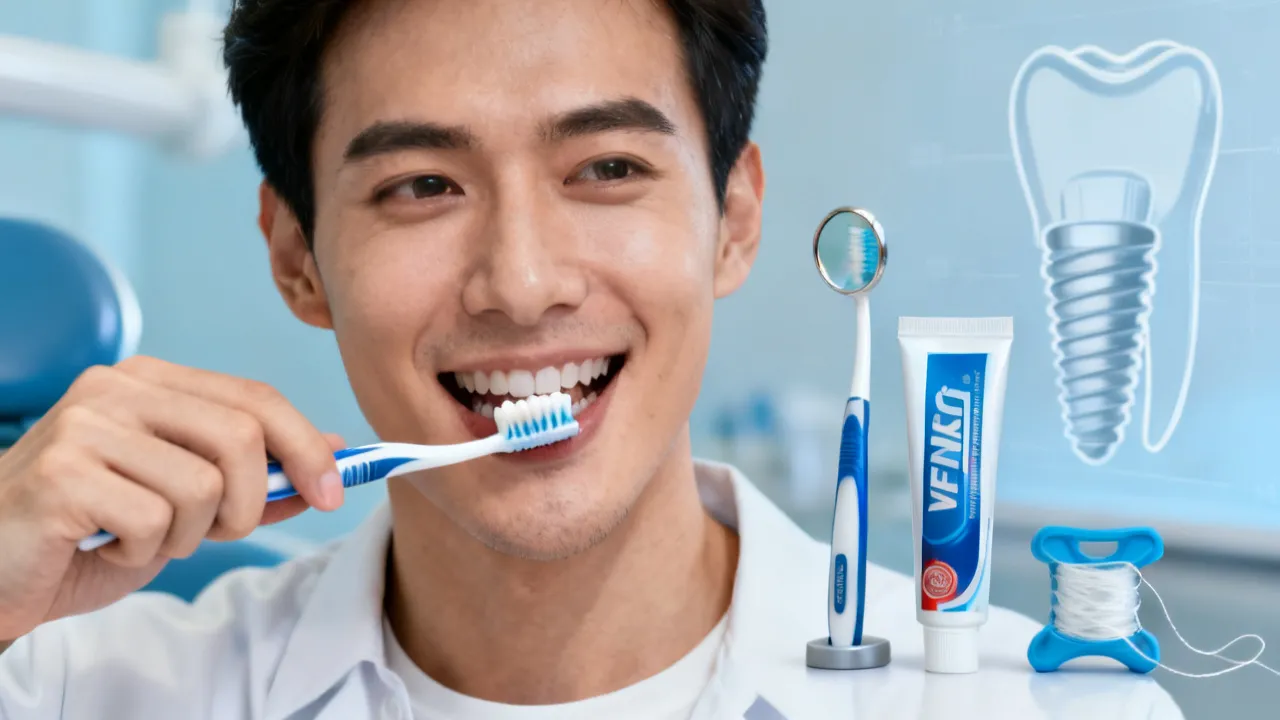
The Korean keyword 양치질 순서 means “tooth-brushing sequence.” It refers to the order in which a person performs daily oral-care steps, such as flossing, brushing, cleaning the tongue, and rinsing. Although the sequence may appear simple, a consistent method can make oral hygiene more thorough, more efficient, and easier to maintain over time.
The most important principle is not a complicated technique. It is the combination of adequate coverage, gentle pressure, fluoride toothpaste, and regular professional examinations. The American Dental Association recommends brushing twice daily with fluoride toothpaste and cleaning between the teeth each day. Brushing should reach the outer, inner, and chewing surfaces, as well as the gumline. A person who follows a simple sequence is often less likely to rush through the mouth or repeatedly clean only the teeth that are easiest to see.
From a preventive-dentistry perspective, many common dental problems develop gradually. Plaque that remains along the gumline can contribute to gingivitis, while repeated exposure to acids and sugars can increase the risk of tooth decay. Hardened plaque, called calculus or tartar, cannot be removed completely with an ordinary toothbrush and may require professional cleaning. A clear sequence helps reduce the amount of plaque that remains between appointments, particularly in areas such as the inside surfaces of the lower front teeth, the back molars, spaces between crowded teeth, and the margins of crowns or bridges.
A sequence also improves consistency. Some people begin brushing in a different place each day and stop when the two-minute timer ends. This can leave certain areas untouched. Others brush the front teeth carefully but spend very little time on the tongue side of the teeth. Dividing the mouth into sections creates a predictable path and makes it easier to notice whether a particular area is difficult to reach.
Practical sequence:
- Review the mouth and prepare the toothbrush.
- Clean between the teeth with floss or an interdental brush.
- Brush the outer surfaces.
- Brush the inner surfaces.
- Brush the chewing surfaces.
- Clean the tongue gently.
- Spit out the toothpaste and follow product-specific rinsing guidance.
- Clean the toothbrush and store it upright to dry.
This sequence can be adjusted for braces, bridges, dental implants, sensitive teeth, removable dentures, fixed retainers, or advice from a dentist or dental hygienist. The goal is reliable plaque removal without damaging enamel, gums, restorations, or implant-supported tissues. The order is a helpful framework rather than a rigid medical rule. If a dental professional recommends a different sequence for a particular condition, that personalized recommendation should take priority.
Recommended 양치질 순서, Step by Step
1. Choose the right time and equipment
Use a soft-bristled toothbrush with a head size that allows access to the back teeth. A smaller head may be useful for children or adults with a small mouth, while some people prefer a compact powered-brush head for better control. Manual and powered toothbrushes can both be effective when used correctly. A powered brush may be useful for people with limited dexterity, orthodontic appliances, arthritis, neurological conditions, or difficulty maintaining consistent brushing pressure, but it does not replace careful positioning.
Choose a brush with a comfortable handle and bristles that are not sharp, stiff, or damaged. Medium or hard bristles are not automatically more effective. In fact, excessive force combined with a hard brush can contribute to gum irritation, abrasion near the gumline, and sensitivity of exposed root surfaces. Brush heads should be kept clean and should not be shared with another person.
Use a fluoride toothpaste appropriate for your age and dental needs. Fluoride helps strengthen enamel and supports the repair of early mineral loss. Adults at elevated risk of decay may receive specific fluoride recommendations from a dental professional, including a prescription-strength product in some circumstances. Children should use the amount and concentration recommended for their age and local public-health guidance. People with allergies, severe sensitivity, dry mouth, swallowing concerns, or special medical circumstances should ask a clinician before changing products.
Brushing immediately after vomiting or consuming highly acidic foods and drinks may expose softened enamel to mechanical wear. In such situations, rinsing with water and waiting before brushing is generally more protective. The appropriate waiting period can depend on the source of acidity and the patient’s dental condition. Patients with frequent reflux, vomiting, enamel erosion, or eating disorders should seek professional support rather than relying only on changes to brushing time.
2. Clean between the teeth first
Interdental cleaning is an important first step because a toothbrush cannot fully reach the contact areas between teeth. Use dental floss, floss picks, an interdental brush, a water flosser, or another device recommended by a dental professional. The most effective tool is one that fits the space and can be used correctly every day.
With traditional floss, guide the floss gently between the teeth rather than snapping it downward. Curve it around one tooth in a C shape, move it beneath the gumline as far as comfortable, and then clean the adjacent tooth surface. Use several gentle strokes against the side of the tooth, moving from the gumline upward. Repeat with the neighboring tooth before removing the floss. Repeat throughout the mouth with a clean section of floss.
Floss picks can be convenient for travel or for people who have difficulty controlling a long piece of floss. They should still be guided carefully and should not be forced into tight contacts. If a floss pick repeatedly shreds or becomes stuck, the contact may be unusually tight, a filling may be rough, or another dental issue may be present.
Interdental brushes are often suitable for larger spaces, periodontal pockets, bridges, or certain orthodontic situations. The brush should fit snugly but should not be forced. A brush that is too small may not clean the sides effectively, while one that is too large can traumatize the gums or become lodged. A dental hygienist can help select the correct size, and different spaces in the same mouth may require different sizes.
Bleeding during the first few days of improved interdental cleaning may occur when gums are inflamed. Gentle daily cleaning can help reduce inflammation, but persistent bleeding, pain, swelling, recession, loose teeth, or pus requires professional assessment. Stopping all interdental cleaning because of bleeding may allow the inflammation to continue.
3. Brush the outer surfaces
Place the toothbrush at approximately a 45-degree angle toward the gumline. Use small, gentle movements rather than aggressive horizontal scrubbing. The bristles should touch the tooth surface and the edge of the gum. Start at one side of the mouth and progress systematically to the other side. Divide the mouth into sections, such as upper right, upper front, upper left, lower left, lower front, and lower right.
Clean two or three teeth at a time. This approach makes it easier to maintain contact with the gumline and reduces the chance of skipping areas. Follow the natural curve of the teeth and pause briefly around each section. Move the brush slowly enough that the bristles can enter shallow grooves and contact plaque near the gum margin.
If using a powered toothbrush, allow the brush head to do the movement and avoid pressing heavily. Many powered brushes include pressure sensors that signal when a person is pushing too hard. Hold the head against the teeth for the manufacturer’s suggested period before moving to the next area. A powered brush can improve consistency, but placing it correctly remains essential.
4. Brush the inner surfaces
The inner surfaces are frequently overlooked because they are less visible. Pay special attention to the inner sides of the lower front teeth, where saliva ducts can encourage mineral deposits. The inner surfaces of the upper molars and the tongue side of the lower molars also deserve deliberate attention.
Use the same gentle, controlled technique used on the outer surfaces. For the narrow inner surfaces of the front teeth, turn the brush vertically and use short up-and-down movements. Do not push the bristles forcefully into the gums. A properly cleaned gumline should feel fresh but not scraped or painful.
People with a strong gag reflex may find the tongue side of the back teeth difficult to reach. Slowing down, breathing through the nose, using a smaller brush head, and cleaning one section at a time may help. If gagging is persistent, a dental professional can suggest alternative positioning and tools.
5. Brush the chewing surfaces
Place the bristles directly on the chewing surfaces of the premolars and molars. These areas contain grooves that can retain food particles and plaque. Use short back-and-forth strokes or the motion recommended for your particular brush. Include the very back surface of the last molar when it is accessible.
Chewing surfaces can be difficult to clean when teeth are partially erupted, crowded, or covered by orthodontic attachments. Children, people with deep fissures, and individuals with a history of decay may require additional preventive guidance. A dentist may discuss fluoride varnish, sealants, dietary changes, or a more frequent examination schedule.
Do not assume that a tooth feels clean simply because food is no longer present. Plaque is a thin biofilm that may be difficult to see. Disclosing tablets, used occasionally according to product instructions, can show areas that are repeatedly missed. They should be used carefully because some products can stain clothing or surfaces.
6. Clean the tongue gently
The tongue can retain bacteria and food debris that contribute to an unpleasant mouth odor. Brush the tongue gently from back to front, stopping if the gag reflex becomes uncomfortable. A tongue scraper may also be used according to the manufacturer’s instructions. The goal is light surface cleaning, not vigorous scraping.
Tongue cleaning is supplementary. It does not replace brushing, interdental cleaning, professional care, or evaluation of persistent bad breath. Ongoing halitosis can be associated with gum disease, dry mouth, untreated decay, tonsil problems, reflux, respiratory conditions, or other health issues. Mouth odor that continues despite good home care should be discussed with a dentist or physician.
7. Spit and follow toothpaste guidance
After brushing, spit out the excess toothpaste. Whether to rinse with water depends on personal preference, toothpaste instructions, and professional advice. Rinsing immediately with a large amount of water may reduce the fluoride that remains on the teeth. Some people prefer a small water rinse, while others simply spit. Do not swallow toothpaste, particularly in large quantities.
Mouthwash should not automatically be used directly after brushing if doing so removes fluoride toothpaste from the teeth. If a mouthwash is recommended, a dental professional may suggest using it at another time of day. Mouthwash is an adjunct, not a substitute for mechanical plaque removal. Some products contain alcohol or other ingredients that may be uncomfortable for people with dry mouth, mucosal sensitivity, or certain medical conditions.
8. Clean and store the toothbrush
Rinse the brush thoroughly after use to remove toothpaste and loose debris. Store it upright in an open area where it can dry. Keeping a wet toothbrush in a sealed container for long periods may encourage microbial growth. Avoid placing brush heads so close together that they touch.
Replace a toothbrush or brush head when the bristles become worn, commonly around every three to four months, or sooner if the bristles are damaged. Children may need replacements more often because they chew on brush heads. A toothbrush should also be replaced after certain illnesses when recommended by a clinician. Routine replacement is especially important when the bristles flare outward and no longer reach the gumline effectively.
How Long and How Often Should You Brush?
For most people, brushing twice a day for approximately two minutes is a practical target. The precise duration matters less than reaching every surface consistently. A timer, electric toothbrush timer, or a structured mouth division can help people who routinely finish too quickly. The evening brushing session is particularly important because plaque and food debris can remain undisturbed for many hours during sleep.
Brushing more frequently is not always better. Excessive pressure, abrasive products, stiff bristles, or repeated brushing immediately after acidic exposure may contribute to gum recession or tooth wear. If the gums recede, the teeth become increasingly sensitive, or the brush bristles flatten quickly, review technique with a dental professional.
Some people brush after every meal, especially when orthodontic treatment or a high decay risk makes additional cleaning useful. Additional brushing should remain gentle, and the timing should account for acidic foods and beverages. Water rinsing after meals can be a practical alternative when brushing is not possible.
Common Mistakes in the Tooth-Brushing Sequence
- Starting and stopping randomly: An unstructured method often leaves the inner surfaces and last molars untouched.
- Using too much pressure: Firm pressure does not necessarily remove more plaque and can injure the gumline.
- Choosing a hard brush: Soft bristles are generally preferred for routine cleaning.
- Ignoring interdental areas: Brushing alone cannot adequately clean every contact point.
- Rushing the back teeth: Molars often require deliberate positioning and adequate time.
- Brushing only visible teeth: Plaque can accumulate on the tongue side and near the gumline.
- Using whitening products excessively: Some products are abrasive or unsuitable for sensitive teeth.
- Rinsing immediately with a large amount of water: This may reduce the fluoride left on the teeth.
- Using toothpicks aggressively: Improper use can injure the gum tissue or damage restorations.
- Replacing dental examinations with home care: A routine cannot identify every cavity, periodontal pocket, cracked tooth, or implant complication.
Adapting 양치질 순서 for Dental Implants
Dental implants replace the root portion of missing teeth with an implant fixture that supports a crown, bridge, or denture. The implant itself cannot develop tooth decay because it is not natural enamel. However, the gum and bone around it can become inflamed. This condition is commonly described as peri-implant mucositis when inflammation is limited to soft tissue and peri-implantitis when inflammation is associated with supporting bone loss.
Implant patients should therefore treat cleaning around the restoration as a long-term responsibility. The sequence remains broadly similar, but the tools and access points may change:
- Inspect the implant crown, bridge, denture, and surrounding gum tissue.
- Use an interdental brush, implant-specific floss, water flosser, or another device recommended by the implant dentist.
- Brush the gumline and all accessible crown surfaces with a soft brush.
- Clean beneath bridge connectors or around removable implant-retained prostheses as instructed.
- Remove and clean an implant-supported removable denture according to the clinic’s directions.
- Attend maintenance appointments so the clinician can assess tissue health and the fit of the restoration.
A water flosser may assist with access around certain restorations, but technique and pressure settings matter. It should be used according to professional guidance, especially during early healing. Immediately after implant placement or bone-grafting surgery, the patient must follow the surgeon’s specific instructions rather than applying a standard home-care routine.
Warning signs include bleeding that persists, increasing redness, swelling, bad taste, pus, pain while chewing, looseness, altered bite, or a feeling that the restoration has moved. These signs should be reported promptly. Early evaluation may help prevent a minor maintenance issue from becoming a more complex treatment problem.
Implant-supported removable dentures should generally be removed and cleaned as instructed. The denture, attachments, and tissues beneath the prosthesis can all collect debris. Unless the treating dentist gives different instructions, patients should not assume that wearing the prosthesis continuously is appropriate. Resting the tissues overnight may be recommended in some cases.
How to Obtain Dental Implants at Lower Cost in English-, Spanish-, and Portuguese-Speaking Countries
Dental implant treatment is rarely a single-price procedure. A quoted amount may include only the implant fixture, while the final treatment may also involve imaging, extraction, bone augmentation, an abutment, a crown, temporary teeth, sedation, laboratory work, and follow-up care. A lower initial quote is not necessarily a lower total cost.
The following process can help patients compare treatment responsibly in English-, Spanish-, and Portuguese-speaking markets. The same basic principles apply regardless of country: verify the diagnosis, compare complete treatment plans, confirm professional qualifications, and plan for maintenance.
1. Confirm whether an implant is clinically appropriate
Begin with a comprehensive examination. The dentist may use intraoral photographs, panoramic imaging, or three-dimensional imaging when clinically indicated. The evaluation should consider bone volume, gum health, adjacent teeth, bite forces, smoking, diabetes control, medications, oral hygiene, and the patient’s expectations.
Some patients may be better served by a bridge, removable partial denture, orthodontic space management, or preservation of the natural tooth. The appropriate option depends on diagnosis rather than price alone. If a natural tooth can be predictably restored, extraction should not be recommended solely because an implant is available.
2. Request an itemized treatment plan
Ask the clinic to separate every component of the proposed treatment. A useful written plan identifies whether the quote includes:
- Consultation and diagnostic imaging
- Tooth extraction, if required
- Bone grafting or sinus augmentation
- Implant fixture placement
- Healing or temporary restoration
- Abutment
- Permanent crown or other prosthesis
- Sedation or anesthesia
- Laboratory and scanning fees
- Follow-up examinations
- Management of complications
Patients should also ask whether the quoted price is per implant, per tooth restored, or for an entire treatment stage. These terms are not interchangeable. A single missing tooth may require one implant but still involve several separate components. A full-arch treatment may be described as a package, yet the patient should understand exactly what is included and what happens if additional procedures become necessary.
3. Compare qualified providers rather than advertisements alone
Review the dentist’s qualifications, registration status, implant training, years of relevant experience, facility standards, and approach to maintenance. In English-speaking countries, patients can consult the relevant national or state dental regulator. In Spanish-speaking and Portuguese-speaking countries, the appropriate professional council or licensing authority can provide verification procedures.
Before treatment abroad, establish who will provide postoperative care after returning home. A clinic that is distant from the patient may offer a lower fee but create additional travel and coordination costs if a complication occurs. Ask whether the original provider will pay for corrective care elsewhere or whether the patient bears all responsibility.
4. Consider dental schools and teaching hospitals where appropriate
Universities and teaching hospitals may offer supervised treatment at different fee levels, depending on the program and local policy. Treatment may take longer because students or residents work under clinical supervision. Eligibility, waiting lists, case complexity, and available procedures vary substantially.
Patients should confirm who performs each stage, who supervises the work, what happens if the case is transferred, and whether implant brands or prosthetic components are compatible with future maintenance. A teaching environment can provide careful treatment, but it may not be appropriate for a patient who requires immediate completion or has limited scheduling flexibility.
5. Review dental insurance and benefit plans
Dental insurance may cover part of the examination, extraction, crown, or associated treatment, but implant coverage varies by plan. Some policies include waiting periods, annual limits, exclusions for pre-existing conditions, alternative-benefit clauses, or restrictions on treatment outside the policy network.
Ask the insurer for a written pre-treatment estimate. A dental plan should be assessed by its total premium, deductibles, exclusions, network access, and annual maximum rather than by the advertised monthly payment alone. Some plans may cover a less expensive alternative instead of the implant, so the patient should understand the expected out-of-pocket cost before authorizing treatment.
6. Compare nearby clinics and international providers carefully
Traveling to another country can reduce some treatment fees, but the overall calculation should include transportation, accommodation, meals, time away from work, companion expenses, currency exchange, repeat visits, and emergency care. Implant treatment often requires several appointments separated by healing periods. A short visit may be unsuitable for a case requiring extraction, grafting, implant placement, and final restoration.
Patients should be cautious when a provider promises guaranteed results, uses unusually urgent sales tactics, avoids providing a written diagnosis, or cannot clearly identify the implant system and restorative components. A professional consultation should explain uncertainty, possible complications, alternatives, and the expected time frame.
7. Ask about implant brands and component availability
Implant systems use specific fixtures, abutments, screws, drivers, and laboratory components. Ask for the manufacturer, model, and documentation. Widely supported systems may be easier to maintain if the patient later moves or changes dentists. The cheapest component may create additional difficulty if compatible parts are unavailable in the patient’s home region.
8. Protect the result through maintenance
Long-term cost is influenced by maintenance. Daily interdental cleaning, correct brushing, professional examinations, management of gum disease, and avoidance of tobacco can support oral health. Patients who grind their teeth may need a professionally designed night guard. The maintenance plan should be agreed before treatment begins.
Comparison of Websites Providing Dental Implant Information
The websites below represent different types of dental information and service platforms. They should be used as starting points for questions, not as substitutes for a personalized examination. Their services, locations, pricing, and content can change, so patients should verify current details directly with each organization.
| Website or organization | Information focus and comparison features |
|---|---|
| Dental Views | Discusses low-cost dental implants, treatment types, possible benefits, implant processes, pricing considerations, and common questions. Useful for general treatment-cost orientation. |
| Atlantic Dental Group | Presents a broad dental clinic model, including preventive care, orthodontics, implants, cleaning, and emergency services. Useful for comparing comprehensive local-care options. |
| DentaVacation | Explains dental tourism concepts, international treatment planning, destination comparisons, and travel-related considerations. Useful for reviewing the practical risks of overseas care. |
| American Dental Health Plans | Provides information about dental plan structures, coverage options, and ways insurance may affect treatment expenses. Useful for reviewing financing and benefit questions. |
| Rockville Dental Arts | Spanish-language clinic information covering implants, whitening, cleaning, orthodontics, and emergency dental care. Useful for Spanish-speaking patients seeking communication in Spanish. |
| Union City Mini Dental Implants | Focuses on mini dental implants and related treatment information. Useful for understanding that implant design and candidacy depend on the individual clinical situation. |
| Cigna | Offers a Spanish-language educational guide to dental implants, including general treatment concepts and insurance-related context. |
| Rubi Odonto | Brazilian clinic information covering orthodontics, whitening, implants, and general dental services in Santo André, São Paulo. |
| Odontologia Velasco | Brazilian clinic information concerning implants, prostheses, cosmetic dentistry, and the use of contemporary dental technology. |
| DentalVidas | Portuguese-language dental-plan information for individuals, families, and businesses, including network and emergency-care descriptions. |
Source: The comparison is based on the websites listed below and the service descriptions supplied for this article.
dentalviews.com/low-cost-dental-implants/
unioncityminidentalimplants.com/es
cigna.com/es-us/knowledge-center/guide-to-dental-implants
Reference Price Ranges for One Dental Implant
The following figures are reference ranges for an individual dental implant in the countries specified. They should not be interpreted as a complete treatment quote. In particular, the figures may not include a crown, abutment, extraction, bone graft, imaging, sedation, laboratory fees, or aftercare. Exchange rates, inflation, local wages, materials, specialist fees, and clinic facilities can change the actual price substantially.
| Country | Currency | Reference price range for one implant |
|---|---|---|
| United States | USD | $3,000–$6,000 |
| United Kingdom | GBP | £2,000–£2,500 |
| Australia | AUD | AU$3,500–AU$6,500 |
| Canada | CAD | CA$3,000–CA$5,500 |
| Spain | EUR | €1,500–€2,500 |
| Chile | CLP | CLP$800,000–CLP$1,500,000 |
| Mexico | MXN | $15,000–$25,000 MXN |
| Colombia | COP | $2,000,000–$4,000,000 COP |
| Peru | PEN | S/ 3,000–S/ 6,000 |
| Argentina | ARS | $80,000–$150,000 ARS |
| Brazil | BRL | R$3,000–R$8,000 |
| Portugal | EUR | €1,000–€2,000 |
| Germany | EUR | €2,000–€3,500 |
| France | EUR | €1,500–€2,500 |
| Italy | EUR | €1,500–€3,000 |
| Japan | JPY | ¥300,000–¥700,000 |
Country-Specific Considerations for Lower-Cost Implant Care
English-speaking countries
In the United States, patients may compare private practices, group dental organizations, university clinics, and dental-plan networks. State licensing databases can help confirm a dentist’s registration. The final cost may be affected by imaging, laboratory charges, bone procedures, sedation, and the type of crown selected. Financing plans may spread payments over time, but patients should review interest, administrative fees, and the consequences of missed payments.
In the United Kingdom, patients should distinguish between National Health Service eligibility and private implant services. Implant availability through public care is subject to clinical criteria and local arrangements. Private quotes should be itemized and should explain whether the fee covers the surgical and restorative stages. Patients should also ask how long the implant process is expected to take and whether temporary teeth are included.
In Australia and Canada, patients can compare private clinics, university dental services, and insurance benefits. Geographic location can affect fees, while travel between cities may add expense. Patients should verify whether follow-up care is included if the implant is placed in another region. The availability of specialists, laboratory services, and advanced imaging may differ between metropolitan and rural areas.
Spanish-speaking countries
Spain offers both private and university-based dental services, with prices varying by city, laboratory, materials, and clinician experience. Patients should ask whether the quote includes the prosthetic crown and whether maintenance is available near their home. They should also clarify the warranty terms and whether the warranty applies to the implant fixture, the crown, or both.
In Mexico, patients may compare clinics in major metropolitan areas and locations that serve international visitors. A lower quoted price should be checked against professional credentials, sterilization standards, implant-system documentation, and the availability of post-treatment review. Patients traveling from another country should arrange access to their dental records, imaging, and implant identification information.
Chile, Colombia, Peru, and Argentina have diverse private dental markets. Prices can vary significantly between capital cities, regional centers, and specialist clinics. Because currency values and operating costs change, patients should request a current written estimate rather than relying on an older online figure. It is also important to establish whether the clinic uses a fixed exchange rate or charges the cardholder according to the day’s rate.
Spanish-language educational resources can be helpful for patients who prefer to discuss consent, risks, and maintenance in Spanish. Clear communication is particularly important when treatment involves several surgical and restorative stages. Patients should be able to ask questions about pain control, healing, antibiotics, emergency contacts, and the expected appearance and function of the restoration.
Portuguese-speaking countries
In Brazil, patients may compare private dental clinics, dental-plan networks, and university services. The regional location, laboratory, implant system, and need for bone augmentation can influence the final price. A patient should confirm whether the clinic’s quoted amount relates to the fixture alone or to the restored tooth. Financing terms and package discounts should be documented in writing.
Portugal uses the euro, but prices still vary according to city, clinic, laboratory arrangements, and complexity. Patients should ask about the timing of each stage and identify the clinician responsible for both placement and restoration. If a patient lives outside Portugal, the provider should explain how complications or adjustment appointments will be handled after the patient returns home.
For Portuguese-speaking patients, locally understandable treatment documents can reduce confusion about surgical risks, warranty terms, and the division of responsibilities between the dental clinic and laboratory. Patients should request copies of the implant passport or equivalent documentation when available.
Conditions and Requirements Before Implant Treatment
Implant candidacy is individual. A dental professional typically assesses:
- The condition of the missing-tooth area and neighboring teeth
- Available bone volume and density
- Gum health and periodontal stability
- Current oral hygiene habits
- Smoking or nicotine use
- Diabetes control and other relevant medical conditions
- Medications that may influence healing or bleeding
- Jaw relationship, bite forces, and possible tooth grinding
- The patient’s ability to attend follow-up appointments
- The patient’s willingness to maintain the implant over time
Active gum disease should generally be addressed before implant placement. Poor plaque control does not automatically exclude a patient, but it can increase the risk of inflammation and complications. A structured tooth-brushing sequence and interdental routine are therefore important before and after surgery. Patients who have not established effective home care may benefit from periodontal treatment and hygiene instruction before surgical planning.
Smoking can impair healing and is associated with poorer oral-health outcomes. The surgeon should receive a complete medical history, including prescription medicines, supplements, allergies, previous reactions to anesthesia, and relevant medical diagnoses. Certain medications affecting bone metabolism, blood clotting, or immune function may require special coordination with the patient’s physician. Patients should never stop a prescribed medication without medical advice.
Choosing Between Traditional Floss, Interdental Brushes, and Water Flossers
No single interdental device is ideal for everyone. Traditional floss is useful for tight contacts. Interdental brushes can be more effective in larger spaces, around bridges, or where gum recession has created openings. A water flosser can be convenient for people who find physical floss difficult, although it should be used correctly and does not remove all forms of adherent plaque by itself.
Implant-supported bridges often need specialized floss with a firm threader or spongy section. The device must pass beneath the bridge without traumatizing the tissue. The clinician should demonstrate the technique before the patient attempts it independently. If the floss cannot pass through the area, the bridge may need professional evaluation rather than repeated forceful attempts.
For braces, aligners, fixed retainers, or multiple restorations, a combination of tools may be appropriate. A hygienist can identify the areas that collect plaque and recommend a practical routine instead of an unnecessarily large collection of products. Patients should not purchase a device solely because it is advertised as implant-specific; fit, technique, and professional instruction matter more than branding alone.
Diet, Timing, and Oral Health
The tooth-brushing sequence works best alongside sensible dietary habits. Frequent sugary snacks and sweetened beverages expose teeth to repeated acid challenges. Sticky foods may remain in grooves or around restorations for longer periods. Water is generally a suitable beverage between meals, while acidic drinks should be consumed thoughtfully.
Patients with dry mouth may need special advice because reduced saliva can increase the risk of decay and oral discomfort. Causes may include medications, medical conditions, dehydration, and certain therapies. Sugar-free products containing evidence-supported ingredients may be discussed with a clinician, but product selection should match the patient’s needs. Sipping sugary or acidic drinks continuously throughout the day can be more damaging than consuming them with a meal.
After implant treatment, a balanced diet is important for healing, but the surgical team’s instructions take priority. The patient may need to avoid chewing directly over the surgical site during an early healing phase. Extremely hard foods may also place unnecessary force on temporary restorations or healing tissues.
When to Seek Professional Dental Care
Routine dental appointments are important even when the mouth feels comfortable. Many early cavities and periodontal changes produce few symptoms. A dental professional can examine areas that are difficult to see at home and can remove hardened calculus that a toothbrush cannot remove. Professional visits also allow the clinician to check the condition of fillings, crowns, dentures, bridges, orthodontic appliances, and implants.
Seek prompt evaluation for severe toothache, facial swelling, fever, uncontrolled bleeding, difficulty swallowing, difficulty breathing, a loose implant, a fractured restoration, or rapidly worsening pain. Urgent symptoms may require emergency dental or medical care. Swelling that affects the eye, neck, or airway should be treated as especially urgent.
Persistent bleeding during interdental cleaning should not simply be ignored. It may reflect inflammation, an ill-fitting restoration, overly forceful technique, or another condition requiring assessment. New sensitivity, a change in bite, food trapping around a crown, or a recurring bad taste may also justify an appointment.
Industry Expert Perspective: What Matters Most in Daily Care
From a preventive-dentistry perspective, the best routine is one that a patient can perform accurately every day. A technically advanced device cannot compensate for missed surfaces or excessive pressure. The sequence should be simple enough to remember and flexible enough to accommodate work schedules, mobility limitations, orthodontic appliances, or implant restorations.
Clinicians also evaluate the quality of the tissue response rather than relying only on how clean the teeth feel. Healthy gums generally do not bleed easily, and an implant restoration should remain stable and comfortable. Changes over time are more informative than a single day’s result, which is why professional reviews remain valuable.
For patients considering lower-cost implants, the same principle applies: the durable value of treatment depends on diagnosis, execution, restoration quality, follow-up, and maintenance. Comparing only the advertised surgical fee can conceal important differences. An informed patient compares the complete pathway, including the period before surgery and the years of care afterward.
FAQs About 양치질 순서 and Dental Implants
Should I floss before or after brushing?
Cleaning between the teeth before brushing is a practical sequence because it can loosen debris and allow fluoride toothpaste to reach interdental areas. However, consistent daily interdental cleaning is more important than treating the order as an absolute rule. Follow any personalized instructions provided by your dentist.
Is brushing once a day sufficient?
For most people, brushing twice daily with fluoride toothpaste is recommended. Once-daily brushing may leave plaque in place for longer and may not provide adequate protection for people with elevated decay or gum-disease risk.
Can I brush immediately after drinking coffee?
Coffee itself is not the only consideration; sugar, flavoring, acidity, and other foods consumed with it also matter. After acidic exposure, rinsing with water and waiting before brushing may reduce the risk of brushing softened enamel. A dental professional can advise patients with erosion or significant sensitivity.
Should I use mouthwash after brushing?
Not necessarily. Mouthwash can be useful for selected purposes, but it is not a replacement for brushing or interdental cleaning. Using it immediately after brushing may wash away concentrated fluoride toothpaste. If mouthwash is recommended, ask when it should be used.
How should I clean around a new implant?
Follow the implant surgeon’s postoperative instructions. During healing, the surgical site may require modified cleaning, prescribed rinsing, or temporary avoidance of direct brushing. Once the clinician confirms that routine cleaning is appropriate, use a soft brush and the recommended interdental tool.
Are mini dental implants always less expensive?
Not necessarily. Mini implants have different dimensions and indications from conventional implants. Suitability depends on bone anatomy, restoration design, biting forces, and the clinician’s assessment. The total cost should include the complete restoration and future maintenance.
What is included in an implant price?
It varies. Some quotes include the fixture only, while others include surgery, abutment, crown, imaging, temporary teeth, and follow-up. Request an itemized written plan before comparing providers.
Is dental tourism appropriate for every patient?
No. Patients with complex medical histories, active gum disease, extensive bone loss, difficult bite conditions, or limited ability to attend follow-up appointments may face additional risks when treatment is performed far from home. A local consultation and an independent second opinion can help clarify the decision.
How can I reduce implant expenses without compromising care?
Compare complete written treatment plans, investigate university clinics, review applicable insurance, address gum disease early, ask about staged treatment, and select a qualified provider with accessible follow-up. Avoid choosing solely on the lowest advertised fee.
Can an implant get a cavity?
The implant fixture and artificial crown do not develop natural tooth decay. Nevertheless, plaque can inflame the gum around the implant, and the crown can wear, loosen, fracture, or develop cement-related problems. Daily care and professional maintenance remain necessary.
How often should implant patients receive maintenance?
The interval depends on gum health, implant design, home care, smoking, medical factors, and the complexity of the restoration. The treating dentist or hygienist should establish a schedule and adjust it when tissue changes occur.
Can children use the same tooth-brushing sequence?
Children can use the same broad order, but they often need supervision and assistance because they may lack the coordination to reach the gumline and back teeth. Parents should make sure the appropriate amount of fluoride toothpaste is used and should ask a dental professional when the child can brush independently.
What if my gums bleed every time I floss?
Regular bleeding may indicate gum inflammation, although rough technique, an unsuitable tool, or a dental restoration can also contribute. Use gentle movements and arrange an examination if bleeding continues. A professional can distinguish inflammation from trauma and demonstrate a better method.
Final Checklist for a Reliable Oral-Care Routine
- Use a soft-bristled brush and fluoride toothpaste.
- Clean between the teeth every day.
- Brush the outer, inner, and chewing surfaces in a consistent order.
- Spend particular time at the gumline and behind the lower front teeth.
- Use gentle pressure and replace worn brush heads.
- Clean the tongue without causing discomfort.
- Spit out excess toothpaste and follow product-specific rinsing advice.
- Adapt tools for braces, bridges, dentures, or implants.
- Keep regular dental examinations and professional cleanings.
- Request itemized estimates for implant treatment.
- Confirm qualifications, implant components, maintenance, and complication arrangements.
- Consider travel, accommodation, currency, and follow-up costs before selecting an overseas provider.
- Keep copies of imaging, treatment plans, invoices, implant-system information, and prescriptions.
Disclaimer
1. The information above comes from online resources, and the data is as of October 2023.
2. Dental implant prices are for reference only and may vary by region, clinic, doctor, materials, treatment complexity, currency conditions, and the services included in the quotation. This article is educational and does not replace an examination, diagnosis, treatment plan, or emergency advice from a qualified dental professional.
3. Website descriptions and price ranges may change after publication. Patients should verify current licensing information, treatment availability, fees, warranties, and insurance terms directly with the relevant clinic, regulator, insurer, or professional organization.
References and Links
Dental Views: Low-Cost Dental Implants
Rockville Dental Arts, Spanish Website
Union City Mini Dental Implants, Spanish Website