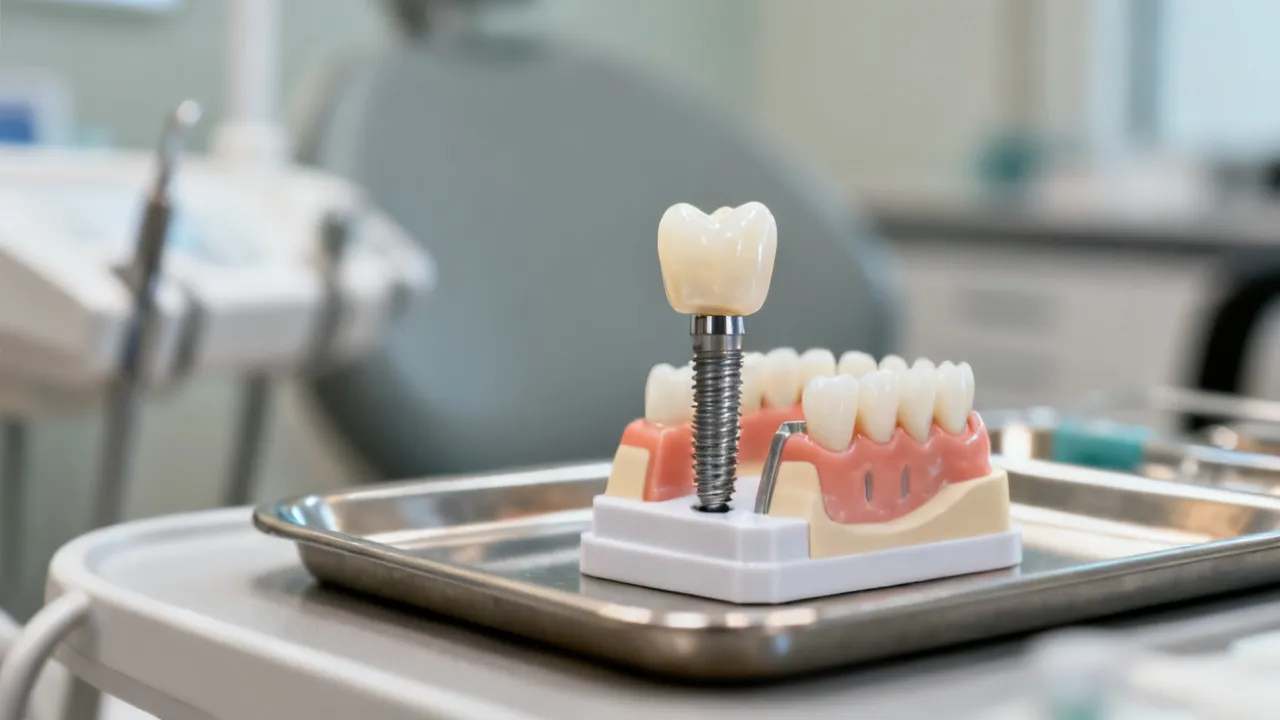
Understanding 치아 이동 (Tooth Movement)
This article provides an in-depth exploration of 치아 이동 or tooth movement, a fundamental aspect of orthodontic treatment, which is predominantly aimed at correcting dental and jaw irregularities. We delve into how tooth movement is achieved, the science behind various methods, and the relevance of orthodontics in modern dental practice, all of which contribute to improved oral functionality and aesthetics.
Introduction to 치아 이동 (Tooth Movement)
Tooth movement, or 치아 이동, is a critical component of orthodontic treatments, facilitating the correction of dental misalignments and improving both aesthetics and oral health. This multifaceted process involves the strategic application of forces to achieve desired positional changes in teeth over time. The evolution of 치아 이동 practices has stemmed from a blend of scientific research and technological advances, enabling practitioners to offer a range of effective treatment methods. Orthodontics plays a pivotal role in enhancing oral functionality and overall patient well-being through meticulously orchestrated tooth movements.
Additionally, it's essential to recognize that 치아 이동 doesn't solely relate to cosmetic improvements. The proper alignment of teeth supports optimal oral function, helping to prevent issues such as malocclusion, which can lead to serious dental problems and overall health concerns. It can also influence speech and even affect one's psychological well-being due to self-esteem issues linked to dental aesthetics.
The Mechanisms of Tooth Movement
At the core of tooth movement lies the biological adaptation of periodontal structures in response to mechanical forces. By applying controlled pressure through orthodontic appliances, such as braces or aligners, orthodontists can initiate the cellular responses necessary for tooth displacement. These biological responses include bone remodeling, necessitating the breakdown of bone tissue on the compressed side of the tooth and the formation of new bone on the tension side. This remodeling process occurs via a cycle of cell activity, influenced by various signaling pathways that respond to the applied forces.
Over the course of treatment, continuous monitoring and adjusting of these forces ensure that tooth movement progresses safely and efficiently, minimizing potential complications such as root resorption or interdental bone loss. Orthodontists carefully calibrate the force applied to avoid overcorrection or unnecessary discomfort, emphasizing a patient-centered approach throughout the treatment timeline.
These mechanisms are not only biological but also biomechanical. The precise engineering of orthodontic devices has developed significantly, taking into account factors such as the type of material used, shape, and the way brackets or aligners fit against the tooth surface. Each of these elements affects how efficiently forces are transmitted to the teeth, further enhancing the efficacy of tooth movement.
Diverse Methods Employed in 치아 이동
The scope of 치아 이동 encompasses various methods tailored to unique patient needs. Traditional braces remain a predominant choice, employing brackets and wires to apply consistent forces. Their effectiveness has been well-documented over decades of orthodontic practice, and they can correct a wide range of dental problems.
Meanwhile, clear aligners offer a more aesthetic option, favored for their discreet appearance and removable nature, which aids in maintaining oral hygiene. Aligners are often preferred by adult patients who may be concerned about the visibility of traditional braces. The technology has advanced significantly, allowing for quicker results and more complex movements.
Innovations in orthodontic technology have led to the development of self-ligating brackets, which reduce friction and may shorten treatment duration. This method not only streams lines the treatment process but also enhances patient comfort by necessitating fewer adjustments and allowing for a more continuous force application.
Additionally, lingual braces offer an inconspicuous alternative by placing the apparatus on the inner surfaces of teeth. While they can be more challenging for some patients due to accessibility for maintenance, they provide a fantastic option for those seeking orthodontic correction without compromising on aesthetics.
Other advanced technologies in orthodontics include digital orthodontics, which uses 3D imaging to create precise treatment plans. Through these methods, orthodontists can simulate treatment outcomes and refine approaches tailored to individual anatomical structures. The use of digital technology has also led to the emergence of apps that facilitate patient tracking, ensuring they remain engaged and informed throughout their treatment journey.
Cost Considerations and Affordable Solutions
Tooth movement treatments can vary significantly in cost across different regions and institutions. It's essential for patients to explore options that suit their financial capacity while ensuring quality care. Factors influencing cost include the complexity of the treatment, type of orthodontic appliance used, and geographical location. Understanding these elements can greatly enhance a patient's ability to plan for expenses and explore financial options.
A table below offers a comparative overview of countries' dental implant costs, which can provide some insight into the economic landscape for similar procedures, including 치아 이동:
| Country | Currency | Dental Implant Cost Range |
|---|---|---|
| United States | USD | $3,000 - $6,000 |
| United Kingdom | GBP | £2,000 - £2,500 |
| Australia | AUD | AU$3,500 - AU$6,500 |
| Canada | CAD | CA$3,000 - CA$5,500 |
As seen, costs are subject to regional economic factors and can inform decisions on treatment plans. Patients are encouraged to consult multiple clinics to compare prices and services offered. Many dental clinics also provide financing options or payment plans, making orthodontic care more accessible to a wider audience.
Moreover, dental insurance may cover a portion of orthodontic treatments, depending on the policy and provider. Patients should investigate their insurance benefits and communicate openly with their providers to optimize their coverage. Bringing a list of questions and concerns to an initial consultation can lead to more informed discussions about treatment options and associated costs.
FAQs on 치아 이동 and Orthodontics
Q: How long does 치아 이동 take?
A: The duration of tooth movement varies based on individual cases and the specific orthodontic methods used. Commonly, treatment spans from six months to two years, but some patients may see results in as little as three months with expedited systems.
Q: Are there alternatives to braces for 치아 이동?
A: Yes, alternatives include clear aligners, lingual braces, and self-ligating systems, each offering distinct advantages in terms of aesthetics and comfort. Clear aligners may be particularly advantageous for patients who prefer a removable option that allows for easier oral hygiene maintenance.
Q: What factors influence the cost of orthodontic treatment?
A: Costs depend on treatment complexity, appliance type, geographical location, and specialist expertise. For example, treatment in urban areas may be more expensive than in rural settings due to differences in supply and demand.
Q: Is orthodontic treatment only for children and teenagers?
A: No, adults also benefit from orthodontic treatment. Increasingly, many adults are seeking orthodontic care to achieve a healthier, more attractive smile. With advancements in technology, treatments are now more comfortable and efficient for adults than ever before.
Q: What is the importance of retaining teeth post-treatment?
A: Retainers play a critical role in maintaining tooth position after the active treatment phase concludes. Without proper retention, teeth may gradually drift back toward their original positions, which can negate the benefits of orthodontic treatment. Patients are often advised to wear retainers for an extended period after braces or aligners are removed.
Q: Can tooth movement affect overall health?
A: Properly aligned teeth can enhance oral hygiene and decrease the risk of dental issues such as cavities and gum disease. Furthermore, misaligned teeth can lead to issues such as jaw pain, headaches, and even airway problems. Thus, orthodontic treatment can significantly improve a patient's overall health and quality of life.
Conclusion
Understanding 치아 이동 is crucial for appreciating the complexities and potential of modern orthodontics in achieving desired dental outcomes. As techniques and technologies advance, patients are increasingly empowered to make informed choices about their oral health care. Knowledge about the available options, costs, and retention strategies can help patients navigate their orthodontic journey with confidence, ultimately leading to improved oral health and aesthetics.
Investing time in researching and discussing treatment plans with orthodontic professionals can provide insights that lead to the best possible outcomes. A well-informed patient is more likely to adhere to treatment protocols, leading to successful orthodontic experiences that extend well beyond the treatment phase.
Disclaimer: The information presented comes from online resources as of October 2023. Dental implant prices are for reference only and may vary by region, clinic, and doctor.
Source: - Dental Views - Atlantic Dental Group - DentaVacation - ADHP (American Dental Health Plans)